Tab 1 of 12
Heat pump repair
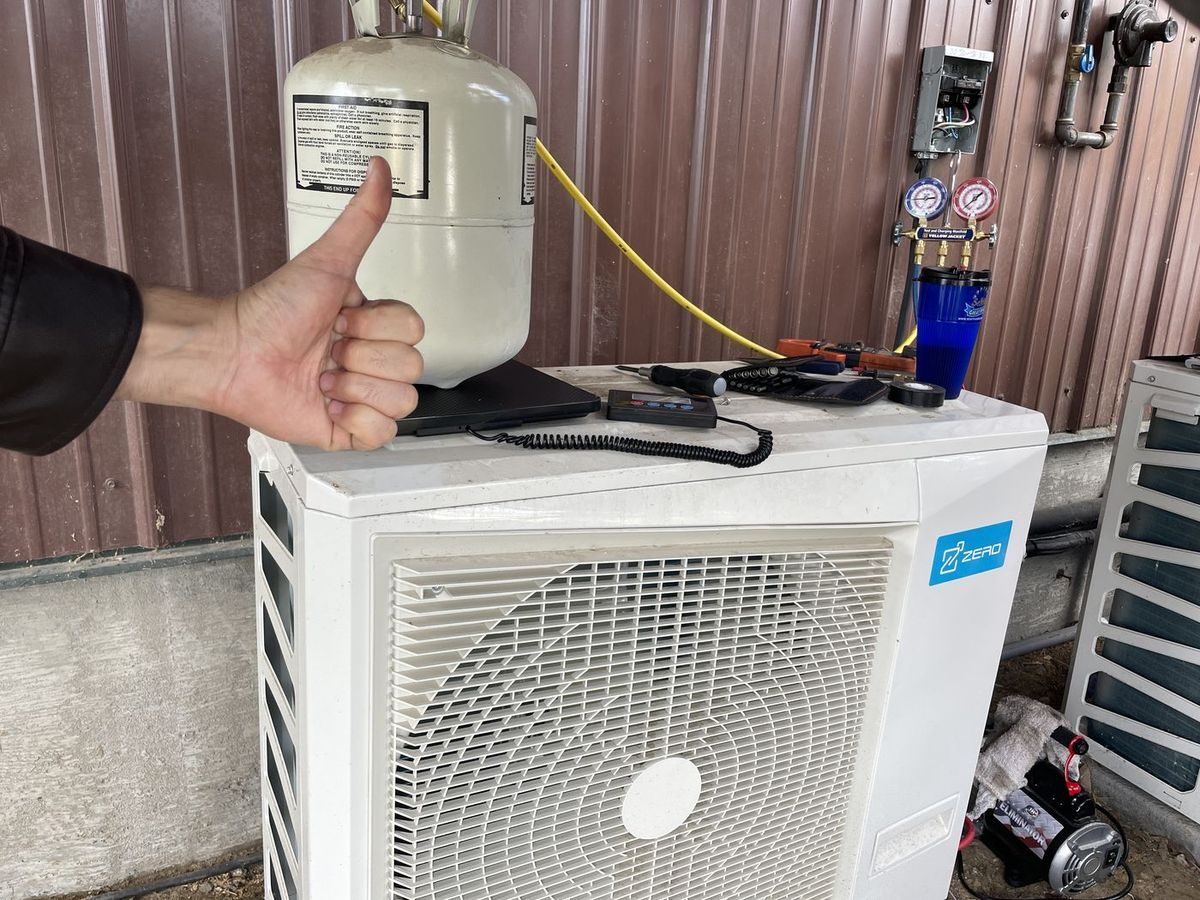
Through the gray months we watch the defrost cycle closely, because a coil that never clears is the classic Kitsap winter call. Capacitors and the reversing valve come next.
See the service page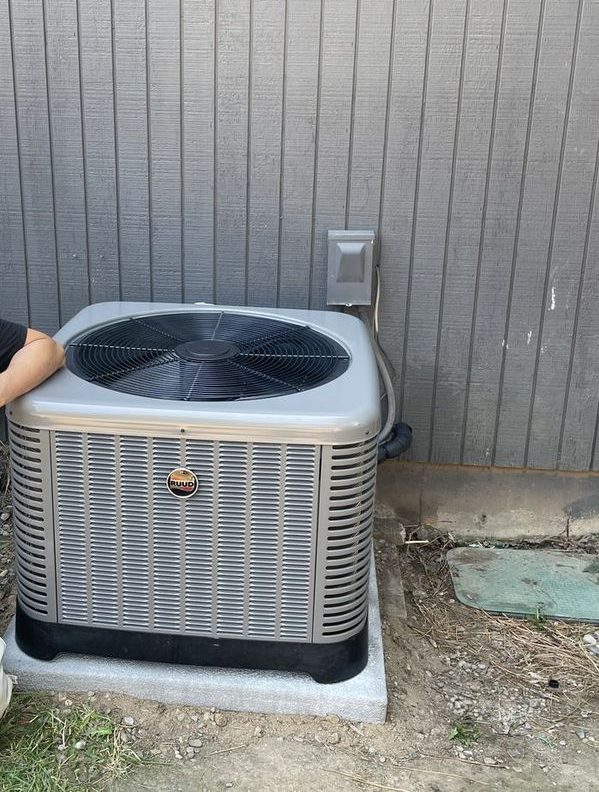
Kitsap Peninsula and Gig Harbor service area
Our map covers Bremerton, Silverdale and Poulsbo on the Kitsap side, plus Gig Harbor and Fox Island to the south in Pierce County. Salt water splits almost every route, so the office builds each day around the Warren Avenue and Manette bridges, the Fox Island Bridge, and the highways that stitch the peninsula together.
Straight to it
Larch HVAC & Appliance serves five places: Bremerton (98310, 98311, 98312, 98314, 98337), Silverdale (98383, 98315), Poulsbo (98370), Gig Harbor (98332, 98335, 98329) and Fox Island (98333). Visits are grouped by direction along SR 3, SR 303 and SR 16 and across the bridges. Online booking takes a day, then an arrival window; phone booking reaches the office 8 AM–7 PM. Either way, a confirming call follows.
Five communities, three in Kitsap County and two in Pierce County. Each has its own housing stock and its own water, and the notes below sketch what our technicians tend to meet in each one:
By corridor, so trucks cross water as seldom as possible. SR 3 is the north-south spine on the Kitsap side, passing West Bremerton on its way to Silverdale and then Poulsbo. SR 303 crosses the Port Washington Narrows on the Warren Avenue Bridge, opened in 1958, and climbs through East Bremerton to Silverdale's commercial hub, while the Manette Bridge, replaced in 2011, gives a second way over the Narrows. SR 16 heads south from the Bremerton end of Sinclair Inlet to Gig Harbor and the Narrows bridges, and from Artondale a single span over Hale Passage carries the road onto Fox Island.
Each day is laid out by direction: a Bremerton and Silverdale loop, a run north to Poulsbo, or a southern swing down SR 16 that can finish on the island. That layout is why booking asks for an arrival window rather than a precise minute; one repair that runs long, or a slow crossing, nudges every stop after it. Your window gets locked in with a call from the office, and later the technician rings again once rolling toward you. For island and rural addresses, a note with the model number, a gate code or where the equipment hides lets the technician show up with what the job needs.
Each tab holds a photo from our service calls and a note on what we check first. Pick any tab; left alone, they turn every few seconds.
Tab 1 of 12
Through the gray months we watch the defrost cycle closely, because a coil that never clears is the classic Kitsap winter call. Capacitors and the reversing valve come next.
See the service page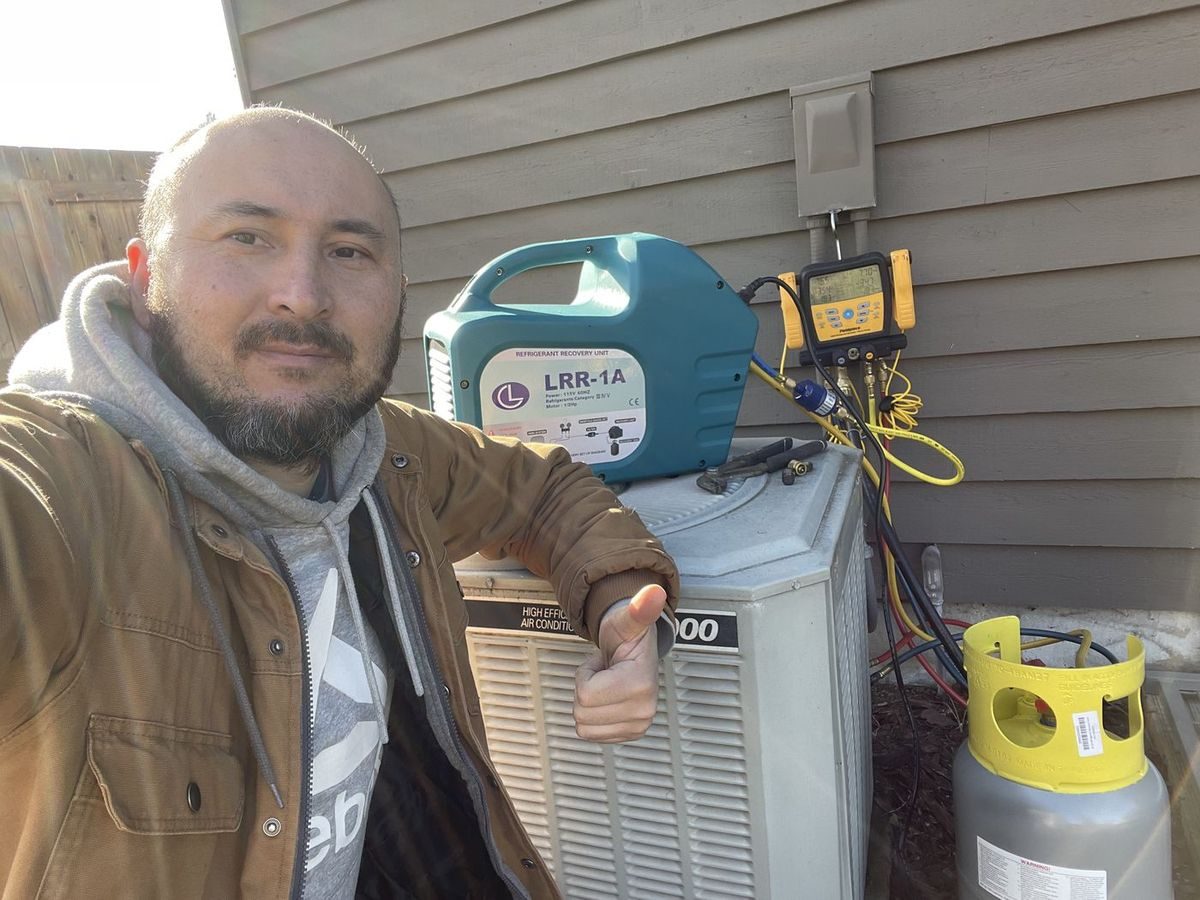
Tab 2 of 12
More Kitsap homes have cooling since the 2021 heat dome. When a system falls behind on a hot afternoon, we start with airflow, the capacitor and the refrigerant charge.
See the service page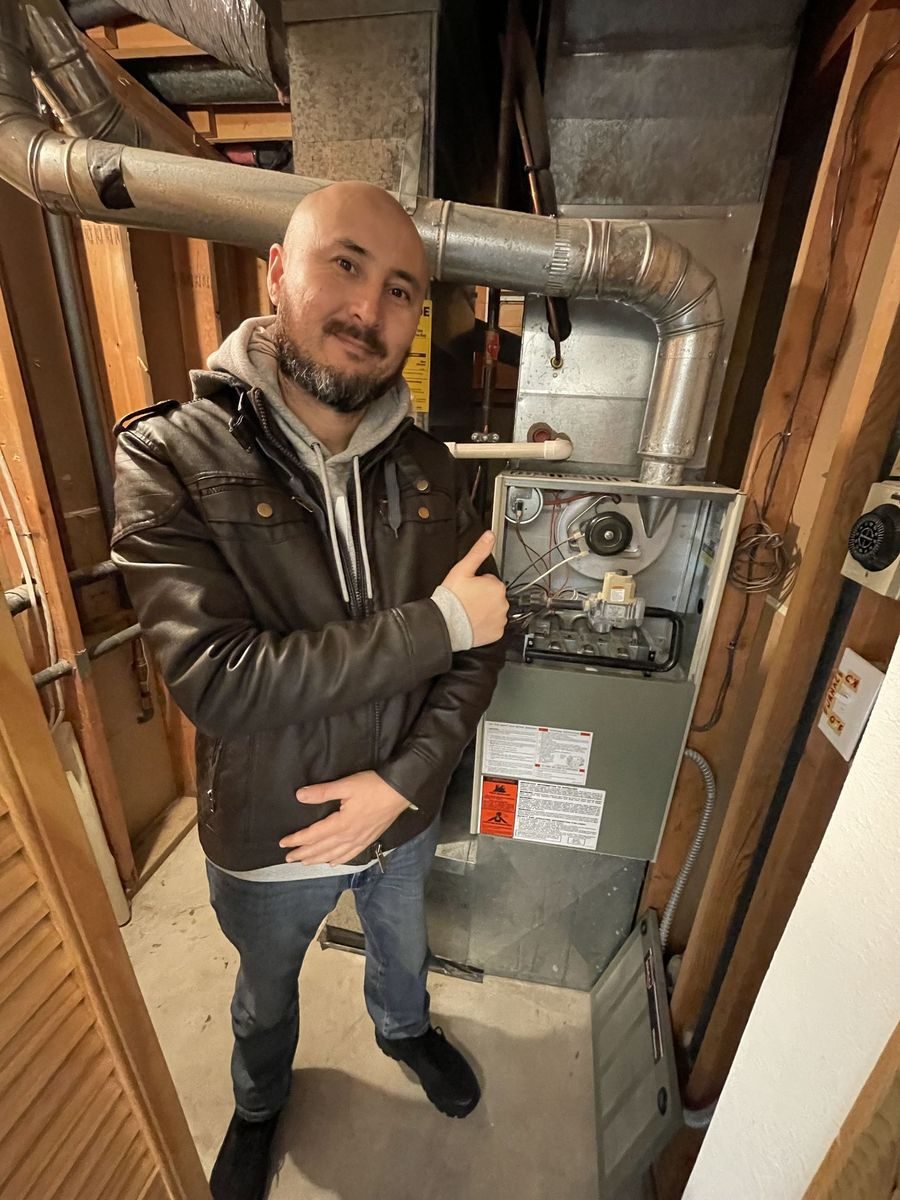
Tab 3 of 12
Many older Bremerton and Manette houses keep the furnace in a closet or under the floor. Filter, inducer, flame sensor and limit switch all get checked in that tight space.
See the service page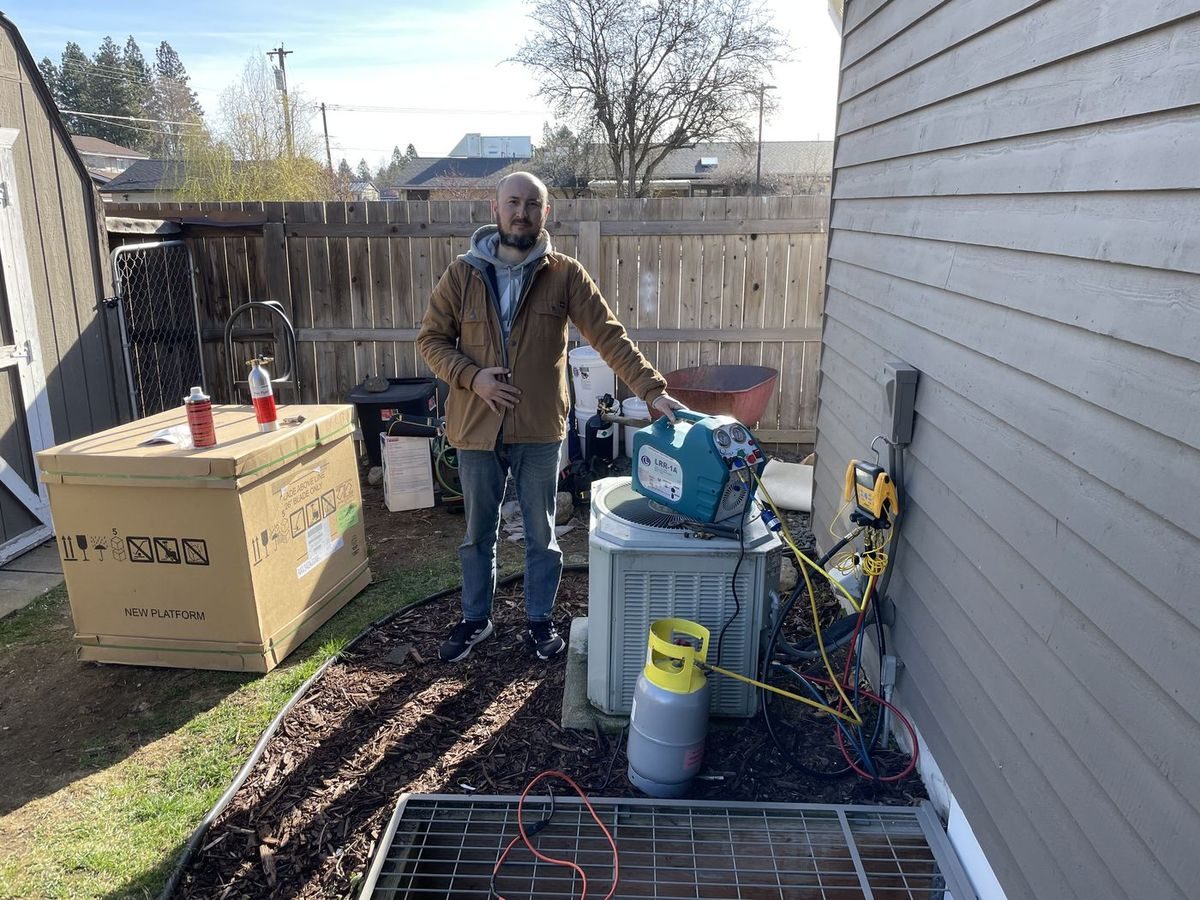
Tab 4 of 12
Placement matters on the peninsula: a raised pad clear of wet ground, back from salt spray where the lot allows, and out from under the needle drop.
See the service page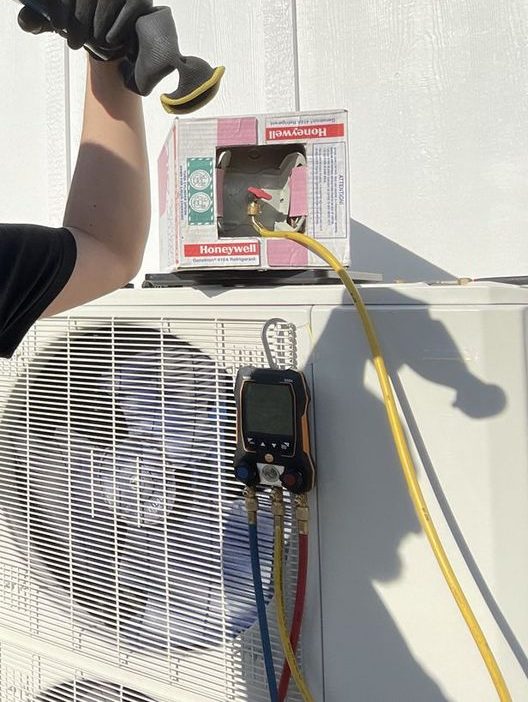
Tab 5 of 12
Mini-splits fit older homes with no room for ducts. Their line sets need sound insulation where they cross a damp crawlspace, and the outdoor unit needs a clear drain path.
See the service page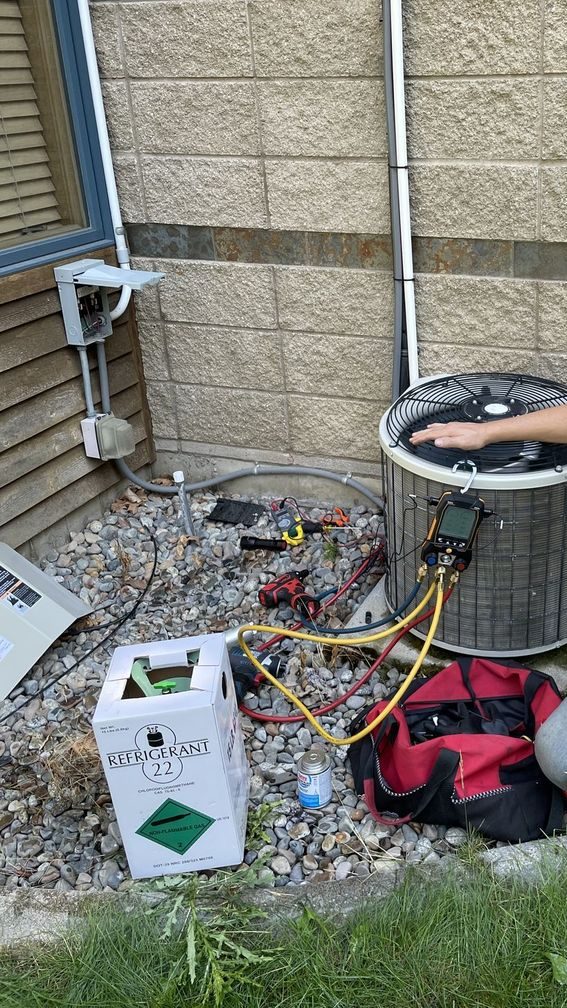
Tab 6 of 12
A seasonal visit near the water means a coil rinse, a look at the fasteners for salt rust and a base pan that drains. Those three buy waterfront equipment years.
See the service page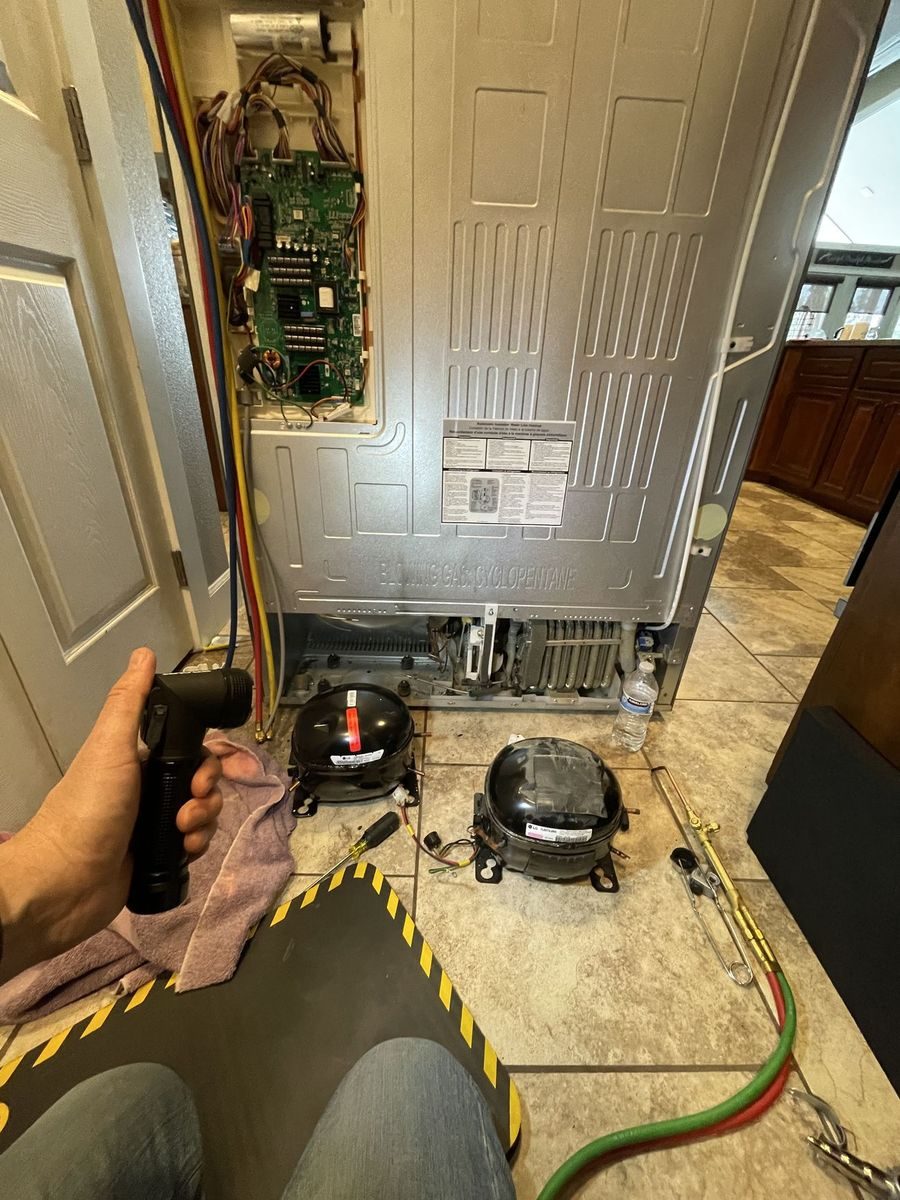
Tab 7 of 12
Sealed-system work, from leak search to recharge, happens right in the kitchen under EPA 608 Universal credentials, so the fridge stays where it stands.
See the service page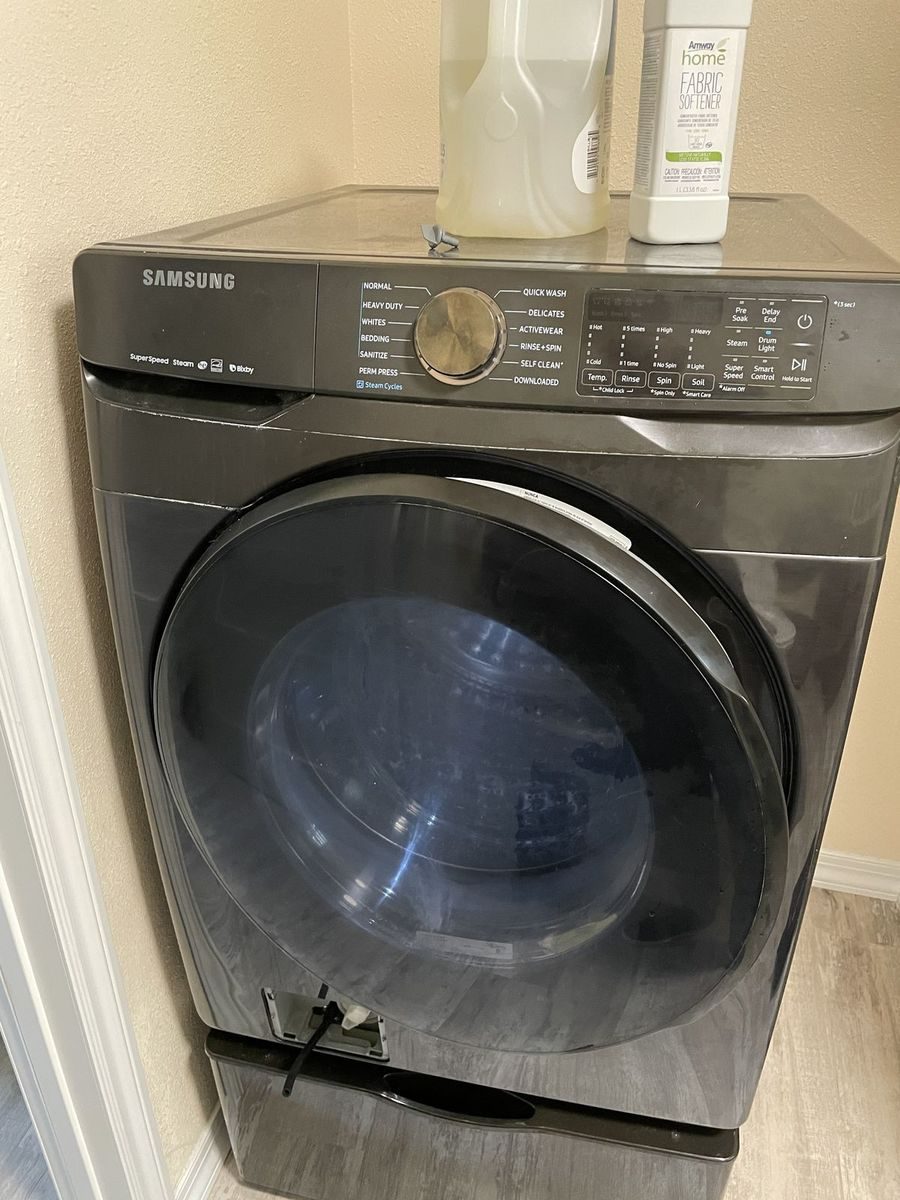
Tab 8 of 12
Damp Kitsap laundry rooms are hard on door boots, so mildew, torn folds and a clogged pump filter are the first things we look at on a front-loader.
See the service page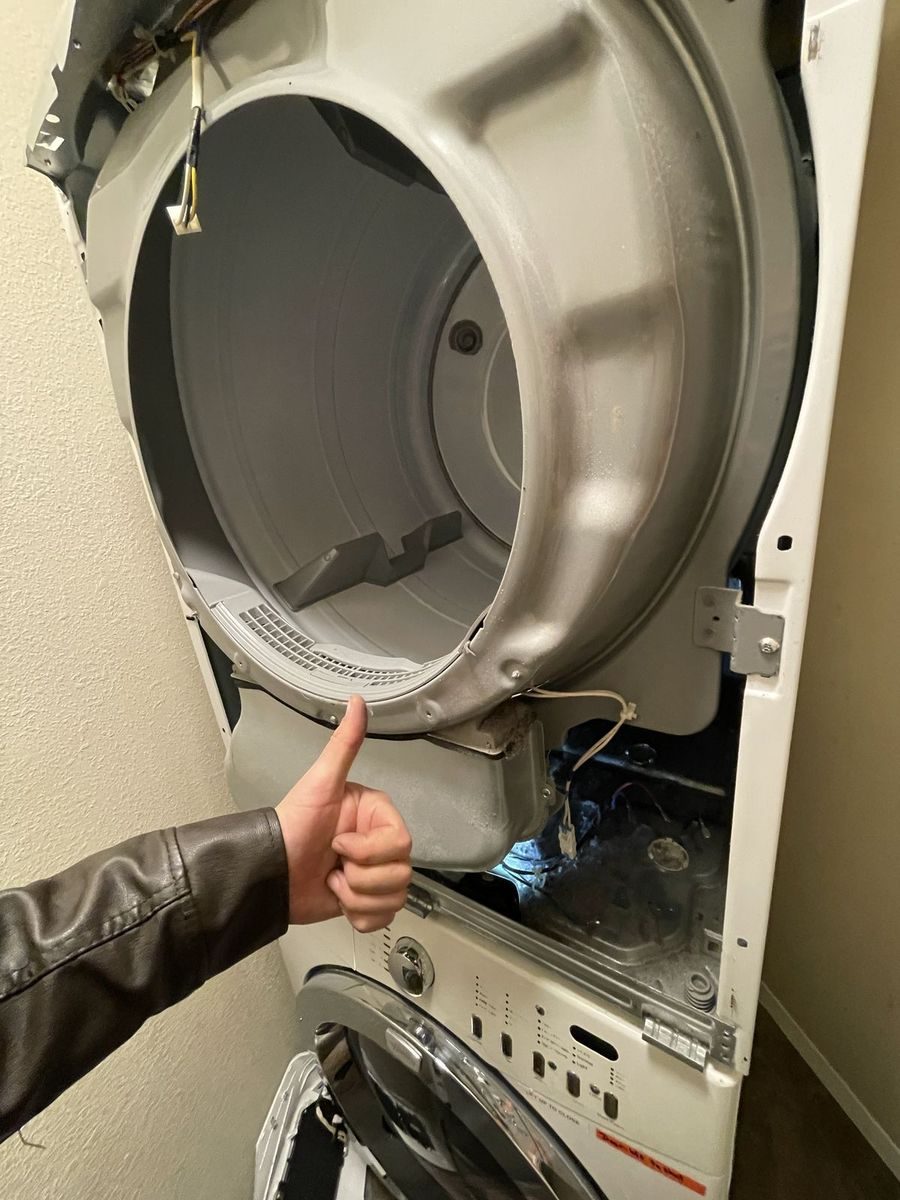
Tab 9 of 12
Long vent runs through damp walls fill with lint quickly, so the vent gets tested along with the heating side: element or burner, thermal fuse and thermostats.
See the service page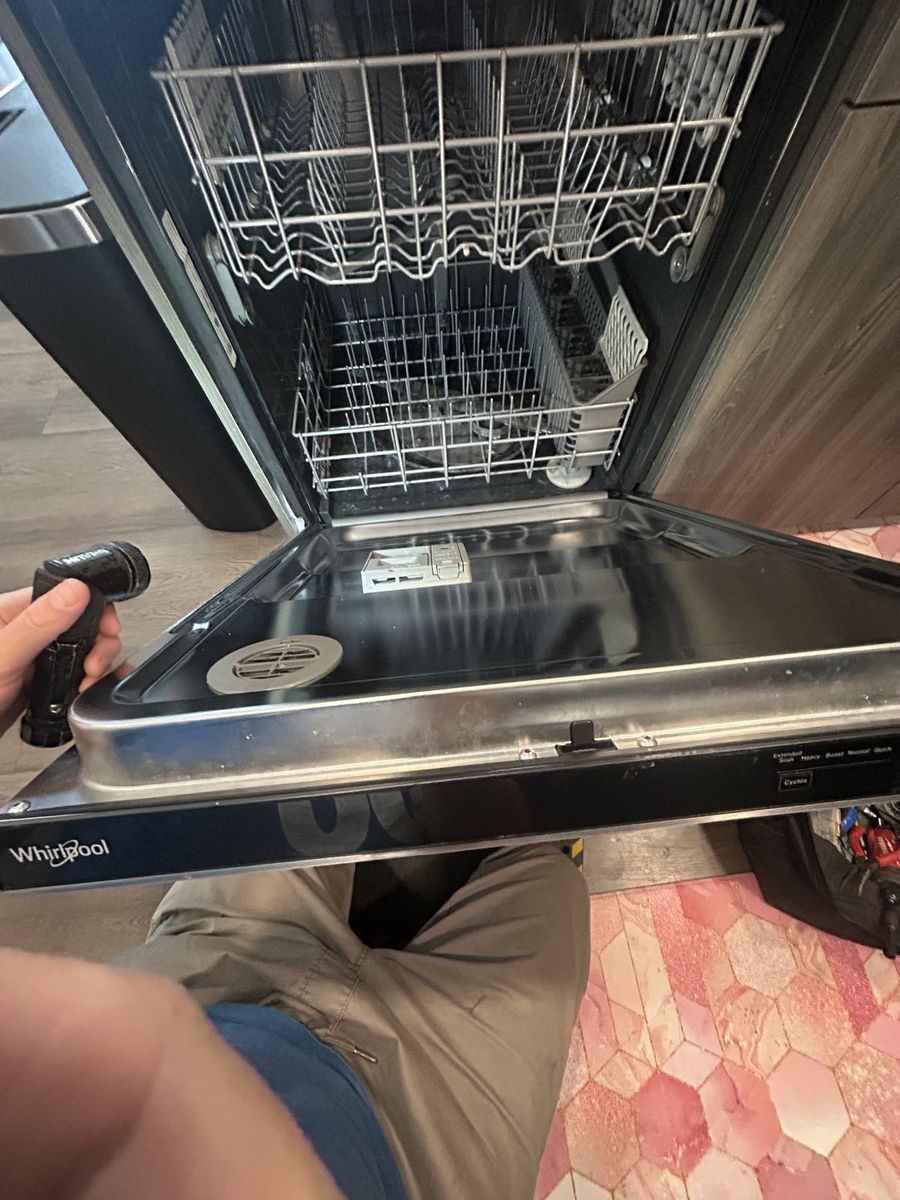
Tab 10 of 12
Well water leaves minerals on the spray arms and the inlet screen, two early stops when dishes come out dull or the tub fills slowly.
See the service page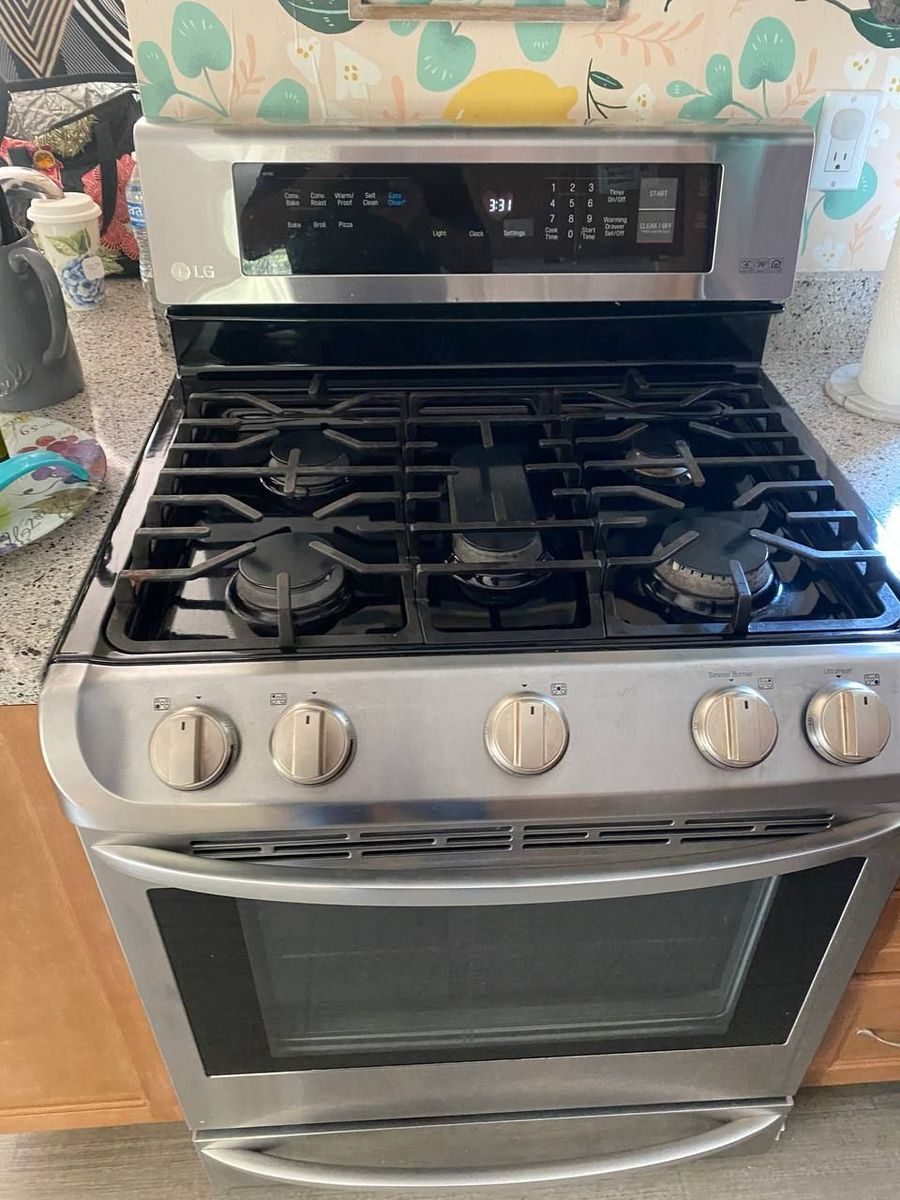
Tab 11 of 12
Natural gas and propane ranges both get igniter, valve and flame checks. The tank and its lines stay with your propane supplier.
See the service page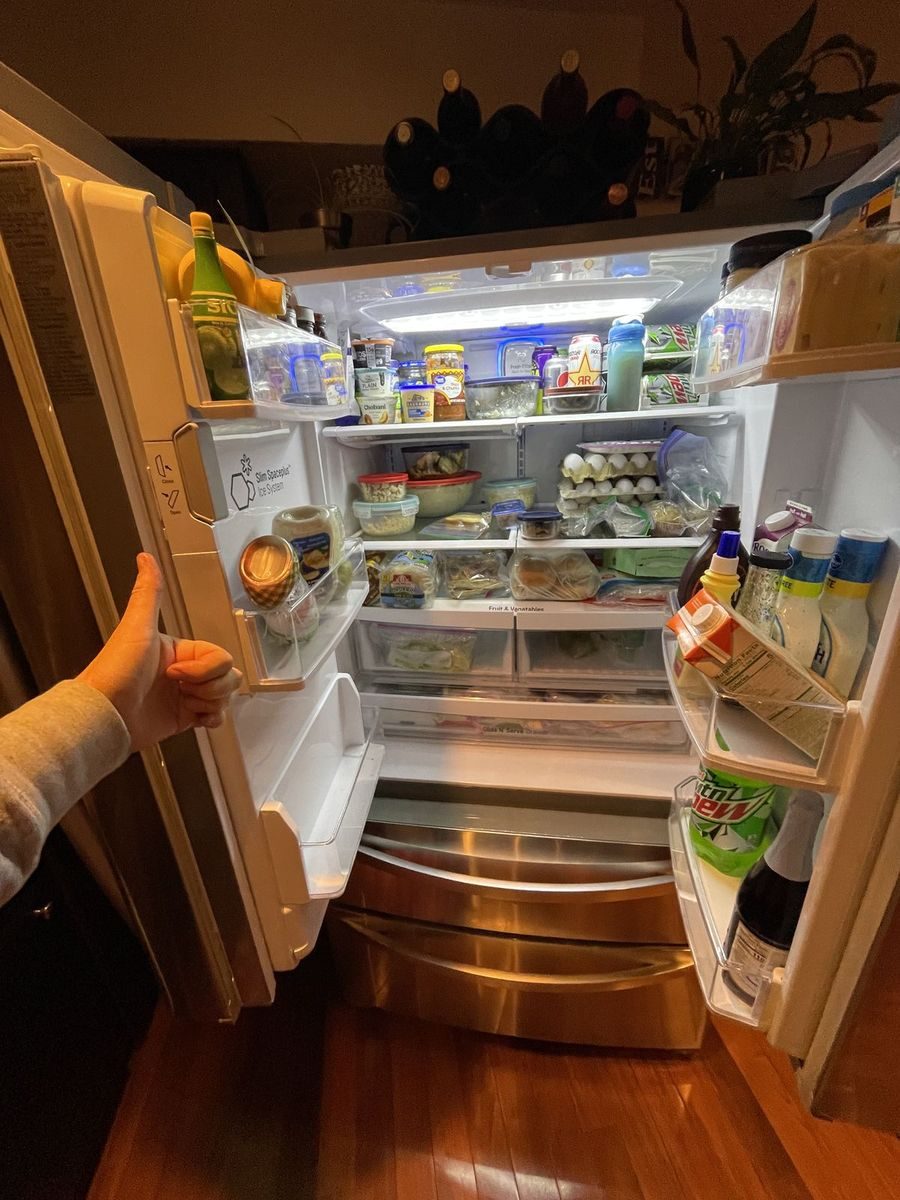
Tab 12 of 12
After a windstorm outage the fill tube often freezes solid and the ice maker goes quiet, so we follow the water up from the inlet valve.
See the service pageYes, in patterns our technicians plan for. Homes near Sinclair Inlet, Dyes Inlet, Liberty Bay, the harbor at Gig Harbor and Hale Passage live with salt air, which pits outdoor coil fins, rusts base pans and corrodes contactor and capacitor terminals. Private and small community wells on Fox Island and on rural land around Poulsbo and Gig Harbor send grit, iron and minerals into the small valves that meter water into the washer, the dishwasher and the ice maker, ahead of schedule. Bremerton's city water, drawn from wells and the Union River watershed, runs from soft to moderately hard, so scale there builds slowly.
Age and moves matter too. Early and mid-century houses on the west side and in Manette often hide ducts in damp crawlspaces and carry heat pumps or mini-splits added after the June 2021 heat dome, which set Bremerton's all-time record at 110°F. Newer subdivisions in Silverdale, on Poulsbo's hills and in Gig Harbor's uplands hold builder equipment now old enough for capacitors, igniters and drain pumps to wear out. Households that move often bring moving damage, such as washers shipped without transit bolts and refrigerators laid flat. And everywhere on the peninsula, windstorms topple firs onto lines, so surge-killed control boards follow every big outage.
Bremerton 98310, 98311, 98312, 98314 and 98337; Silverdale 98383 and 98315; Poulsbo 98370; Gig Harbor 98332, 98335 and 98329; and Fox Island 98333. If your address sits just outside those codes, phone the office before booking and ask. Whoever answers can tell you whether a visit fits that day's routes along SR 3, SR 303 or SR 16.
Because water and bridges shape every route here. A technician might wrap up in Silverdale, cross the Warren Avenue Bridge and head into East Bremerton, and one long job or a slow crossing shifts everything after it. The window soaks up that drift so you are not left wondering: a call from the office pins it down, and the technician phones again from the road.
A little more planning goes into it, since the 1954 bridge from Artondale is the only road on and off the island. The office fits island visits into southern routes along SR 16, and model numbers in your booking notes mean the right parts go on the truck before it crosses. Capacitors, igniters, valves and pumps already ride on the truck.
Talk to a person
On the booking form, a date comes first and an arrival window second; or phone the office until 7 PM any day and ask whether your road is covered. Either path ends with a confirming call.
Schedule online
Tell us what needs attention, the day that works and the window you prefer. A scheduler calls to make it firm, and the technician rings again before pulling up.
Washington Labor & Industries keeps these records public. Each number can be searched on L&I Verify; scope details sit on a separate page.
Scope of each license