Tab 1 of 12
Heat pump repair
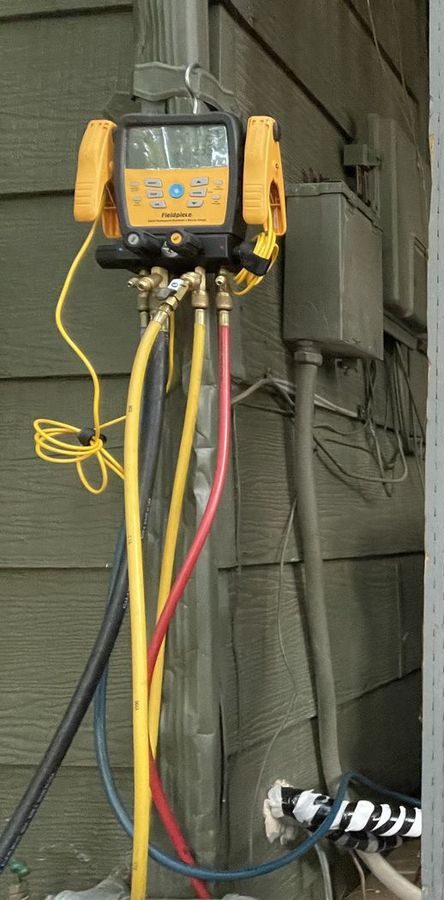
Through the gray months we watch the defrost cycle closely, because a coil that never clears is the classic Kitsap winter call. Capacitors and the reversing valve come next.
See the service page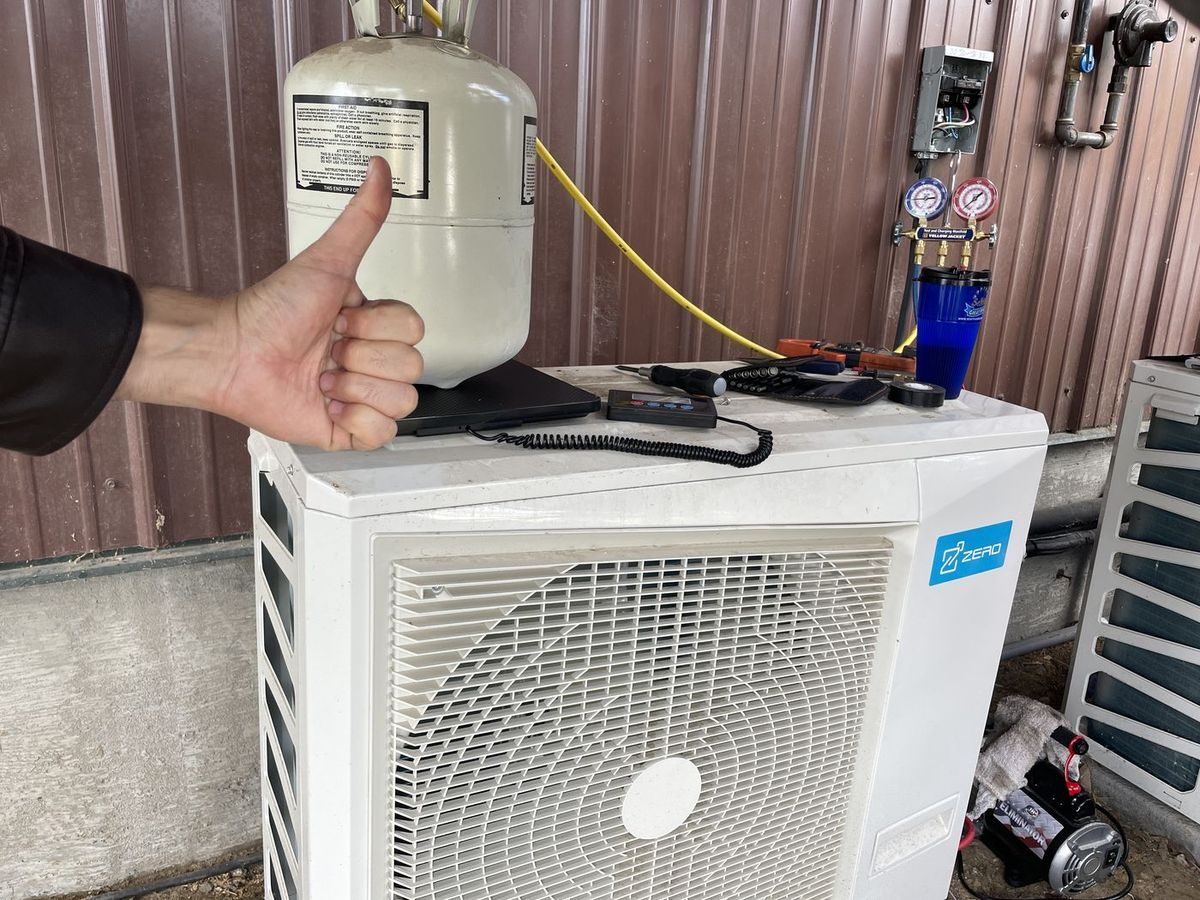
Fox Island, WA · Pierce County · 98333
Fox Island has one road in: the bridge across Hale Passage that has tied the island to Artondale since 1954. For the roughly 3,900 people who live here, that single crossing shapes errands, deliveries and repair visits alike. Salt air, private wells and tall trees shape what we find on arrival.
Straight to it
Larch HVAC & Appliance handles Fox Island, ZIP 98333: mini-splits, heat pumps, furnaces, central air and household appliances. Each island trip is planned around the bridge from Artondale, with common parts loaded before the truck crosses. Online, an island booking is a day plus an arrival window you choose; or phone the office, staffed from 8 AM to 7 PM. Approve the repair and the diagnostic fee sits inside its price.
The bridge comes first. Since 1954 the Fox Island Bridge over Hale Passage has been the island's only road link, landing at Artondale near Gig Harbor. A part left behind means a round trip back over the water and out again, which can swallow a good piece of a day. That is why model and serial numbers, plus a line or two about the symptom, are so useful in your booking notes: they let the technician load the right capacitor, igniter, valve or pump before reaching the bridge.
Homes here face the water from almost every side. About 3,900 people lived on the island in 2020, many in waterfront and view homes where salt air reaches outdoor units, cabinets and fasteners all year. Corrosion moves faster on the island than a few miles inland, and big view windows can pour afternoon heat into rooms a modest system was never sized to cool. The June 2021 heat dome, with highs of 105–110°F across the peninsula, made that plain, and plenty of island homes have since added heat pumps or ductless heads.
Water and power finish the story. Plenty of island homes pull water from a private well or a small shared system, which carries sediment, iron and minerals into appliance inlet screens and valves sooner than a city main would. Firs and cedars shade a lot of lots, and when windstorms bring them down onto lines, the jolt of restored power can damage control boards. Fallen trees can also block the road toward the bridge, and if a storm upends the plan, the office calls you to reset the window.
Salt corrosion leads the list. Condensers and heat pumps sitting near Hale Passage and the island's other shores collect a salt film that eats coil fins, rusts base pans and turns electrical terminals green. Pitted contactor points and corroded capacitor leads then cause no-start calls that mimic a dead compressor but are nothing of the kind. Our technicians check voltage at the equipment and capacitor microfarads first, then read superheat and subcooling to judge the charge, and any refrigerant work is done by hands holding the EPA 608 Universal credential. A gentle freshwater coil rinse a few times a year slows the damage between visits.
Winter adds defrost trouble. Damp air in the 35–50°F range frosts a heat pump coil over and over, so a failing defrost control, coil thermistor or reversing valve shows itself quickly as an iced coil and an AUX light that rarely goes dark. Where a home heats with propane, the furnace needs its flame sensor, igniter, inducer and pressure switch checked, and we work on the furnace only, never the tank or the gas lines. Notice a gas smell? Get everybody outdoors, then call 911 or the propane supplier from out on the lawn. Our 06A HVAC/Refrigeration specialty covers island repairs; new installs add the General contractor license.
Well water is the main threat. Sediment and iron clog the fine mesh screens that guard the washer's inlet valve, the dishwasher's fill valve and the valve feeding the refrigerator, so fills slow, ice makers short-fill and error codes start appearing. Iron can tint laundry and stain a dishwasher tub orange. Those screens come out for inspection first, then we test the valve solenoids and confirm the ice maker is getting the water it needs. When a part must come by special order, you see its price first, and the return trip over the bridge is set for a time that suits you.
Salt and humidity work on the rest. Laundry rooms near the water stay damp, a front loader's rubber gasket turns musty, and dryers vented through long or crushed runs overheat until the thermal fuse gives out. A second fridge kept in a cold garage or outbuilding faces both damp and chill, which can throw off how it cycles. Our 07D Appliance Repair specialty covers island kitchens and laundry rooms, with GE, Whirlpool, LG, Bosch, KitchenAid, Sub-Zero, Wolf and Thermador among the brands, and warranty terms in writing on each invoice.
Each tab holds a photo from our service calls and a note on what we check first. Pick any tab; left alone, they turn every few seconds.
Tab 1 of 12
Through the gray months we watch the defrost cycle closely, because a coil that never clears is the classic Kitsap winter call. Capacitors and the reversing valve come next.
See the service page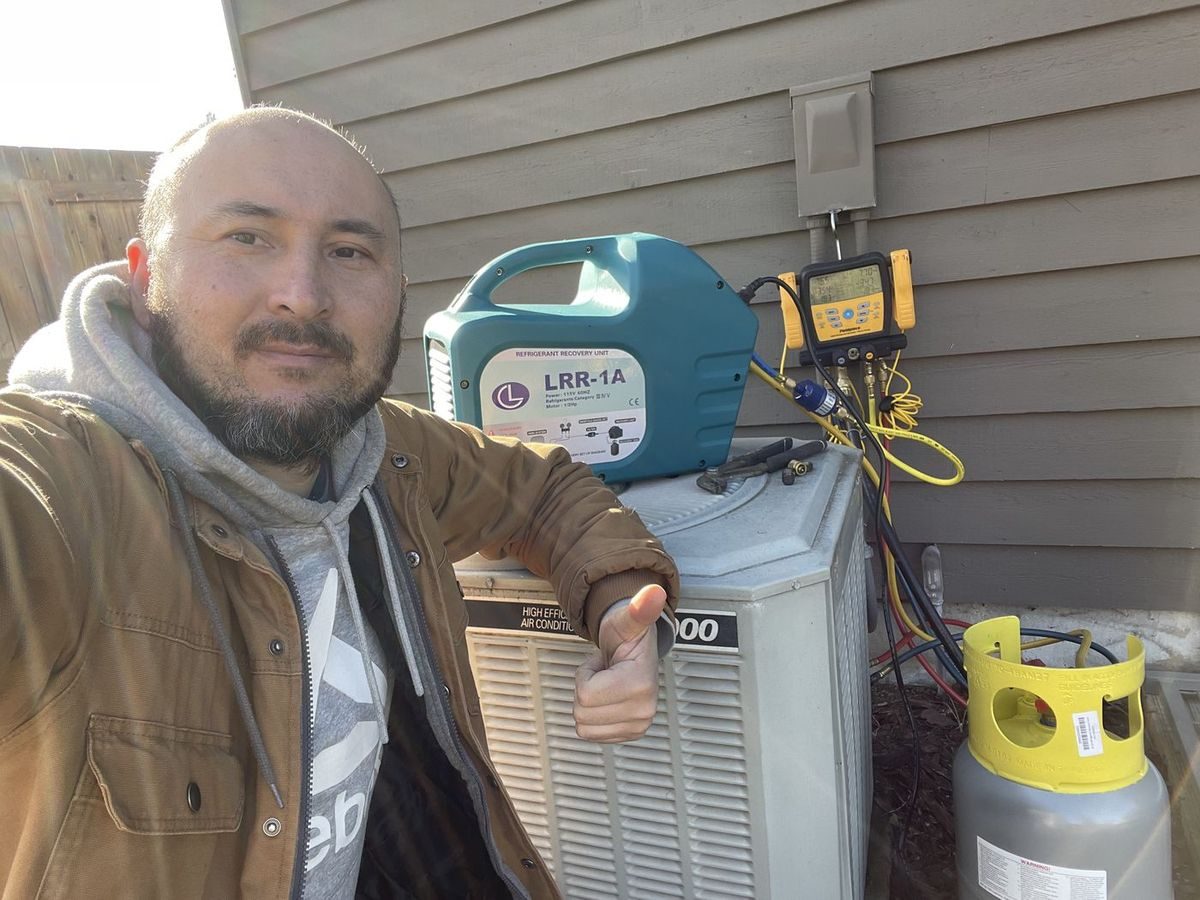
Tab 2 of 12
More Kitsap homes have cooling since the 2021 heat dome. When a system falls behind on a hot afternoon, we start with airflow, the capacitor and the refrigerant charge.
See the service page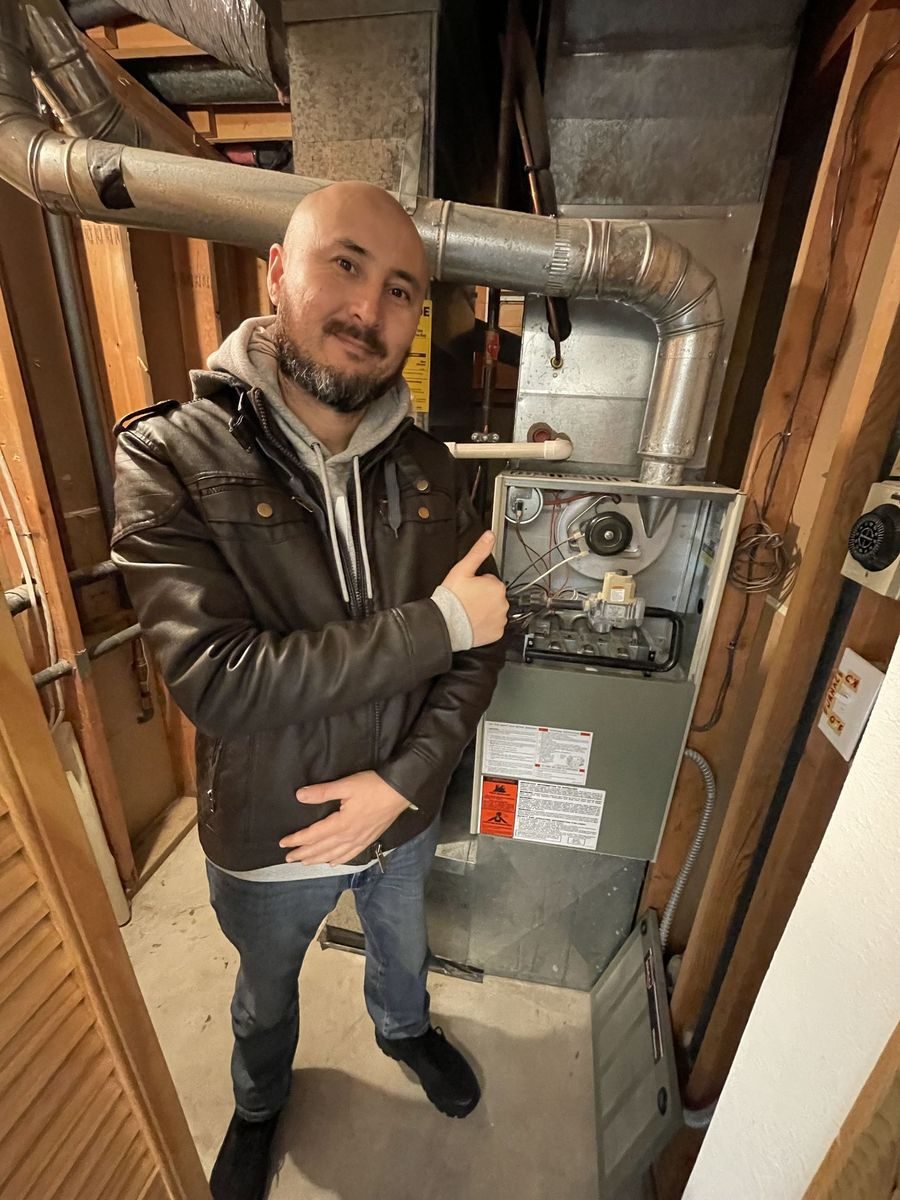
Tab 3 of 12
Many older Bremerton and Manette houses keep the furnace in a closet or under the floor. Filter, inducer, flame sensor and limit switch all get checked in that tight space.
See the service page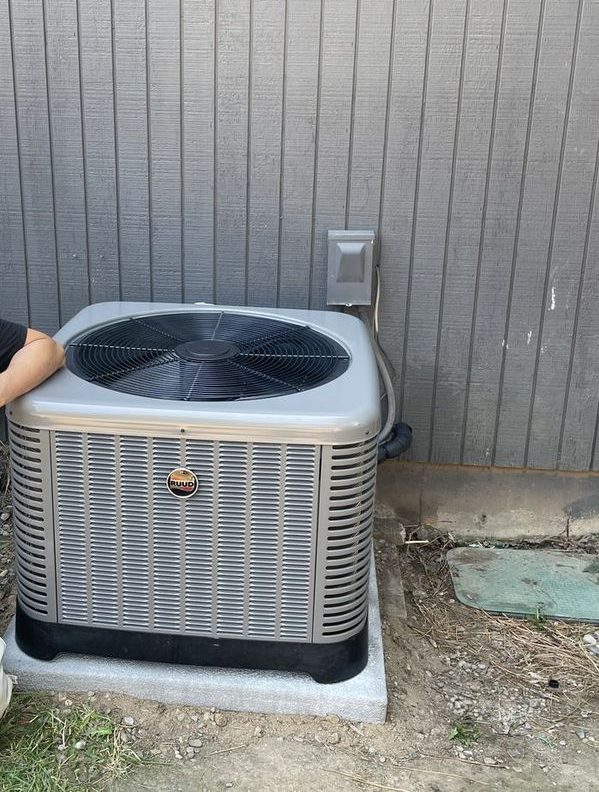
Tab 4 of 12
Placement matters on the peninsula: a raised pad clear of wet ground, back from salt spray where the lot allows, and out from under the needle drop.
See the service page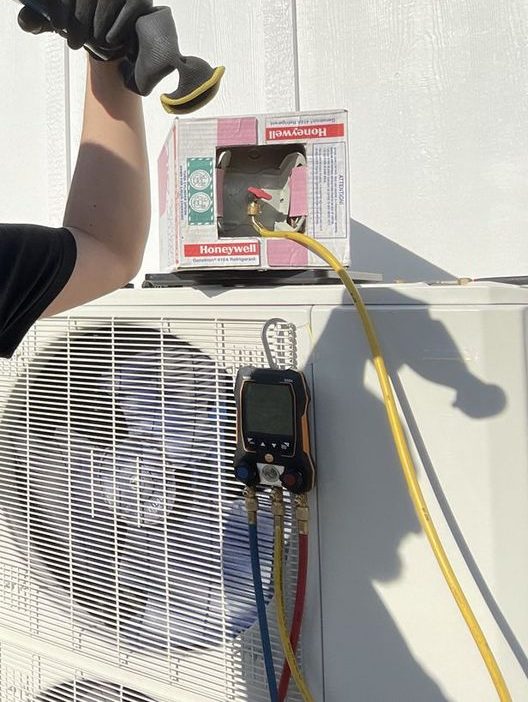
Tab 5 of 12
Mini-splits fit older homes with no room for ducts. Their line sets need sound insulation where they cross a damp crawlspace, and the outdoor unit needs a clear drain path.
See the service page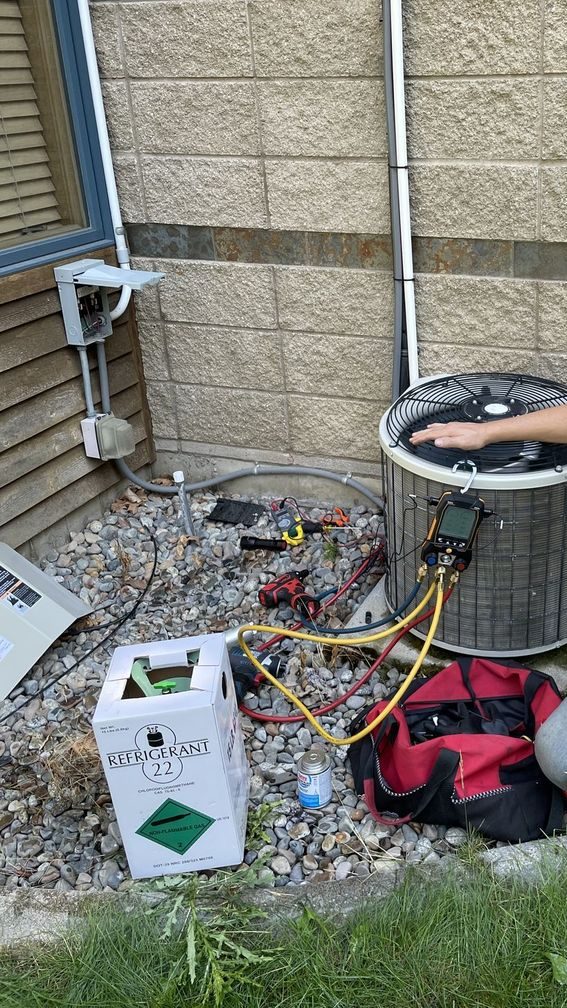
Tab 6 of 12
A seasonal visit near the water means a coil rinse, a look at the fasteners for salt rust and a base pan that drains. Those three buy waterfront equipment years.
See the service page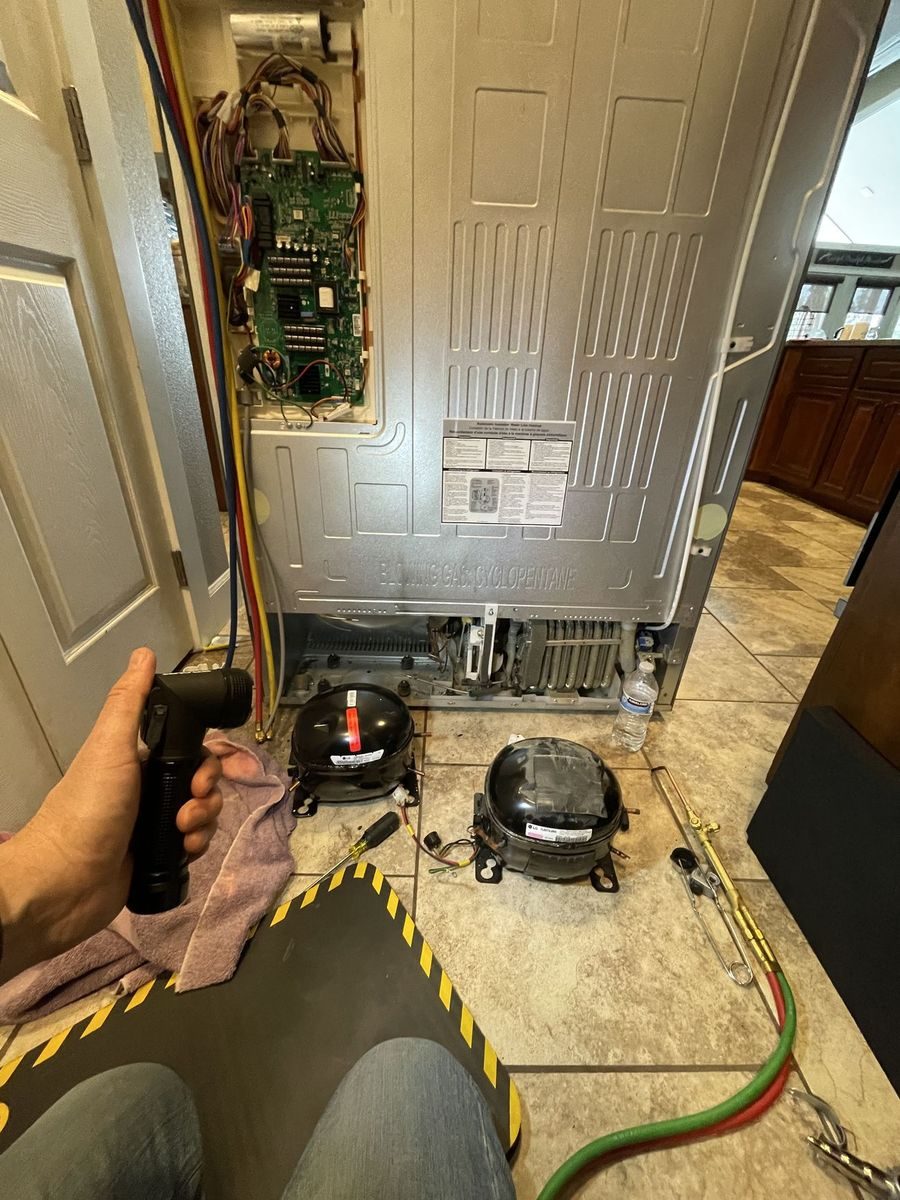
Tab 7 of 12
Sealed-system work, from leak search to recharge, happens right in the kitchen under EPA 608 Universal credentials, so the fridge stays where it stands.
See the service page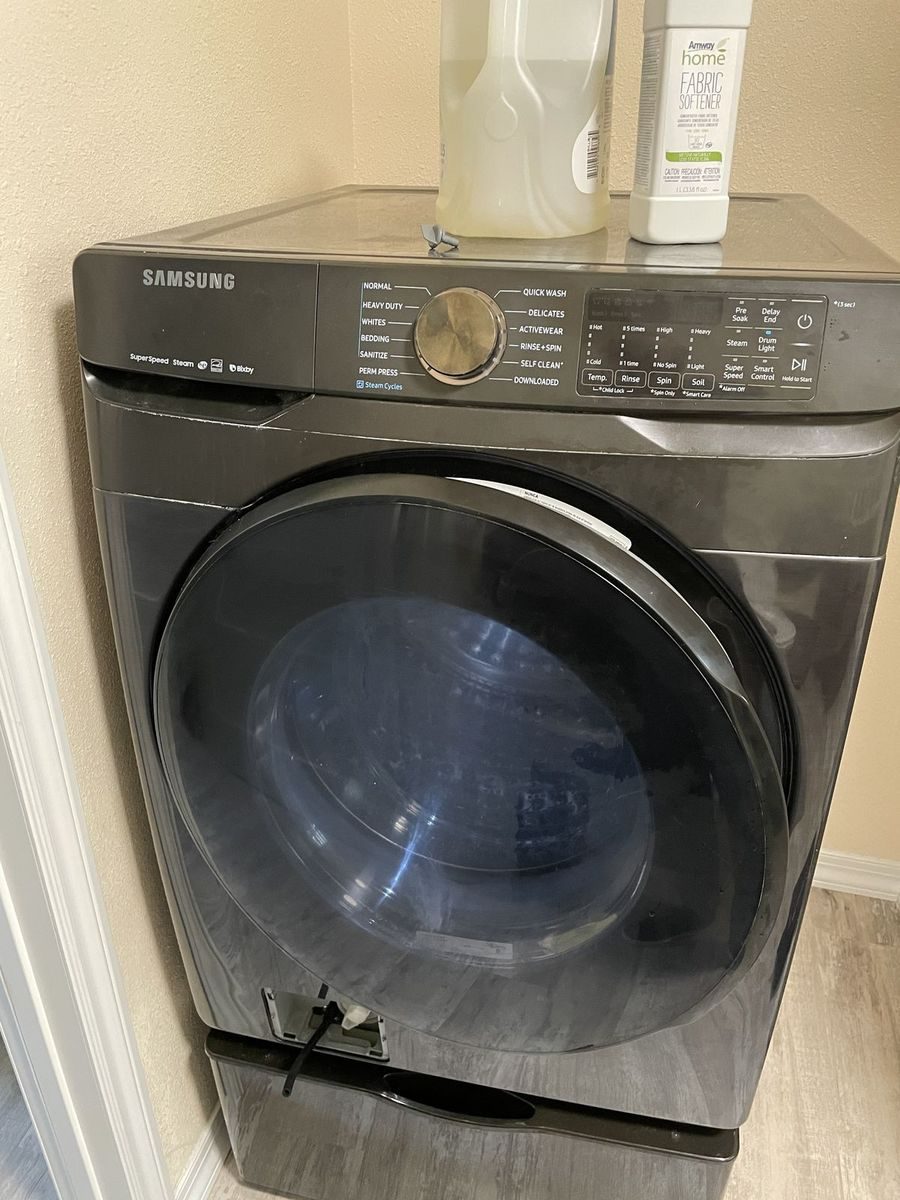
Tab 8 of 12
Damp Kitsap laundry rooms are hard on door boots, so mildew, torn folds and a clogged pump filter are the first things we look at on a front-loader.
See the service page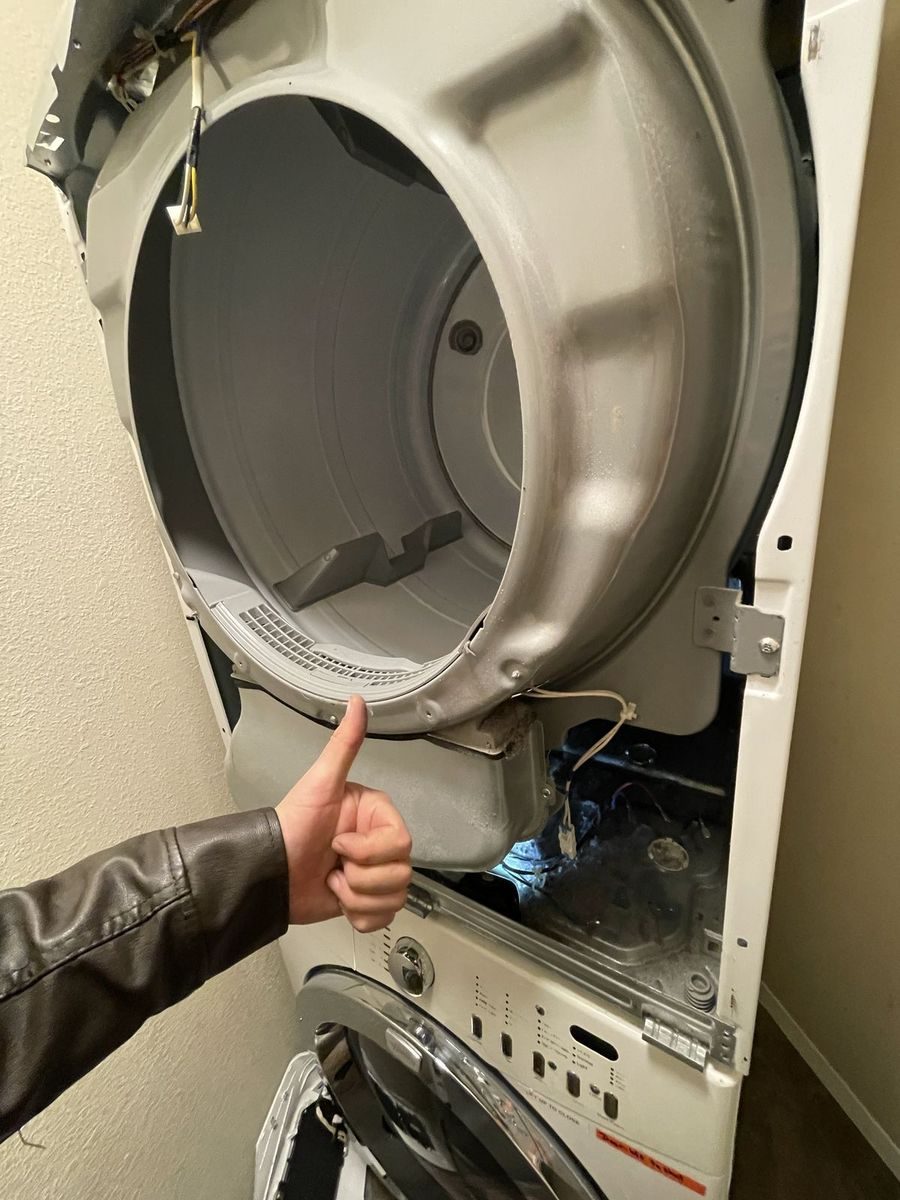
Tab 9 of 12
Long vent runs through damp walls fill with lint quickly, so the vent gets tested along with the heating side: element or burner, thermal fuse and thermostats.
See the service page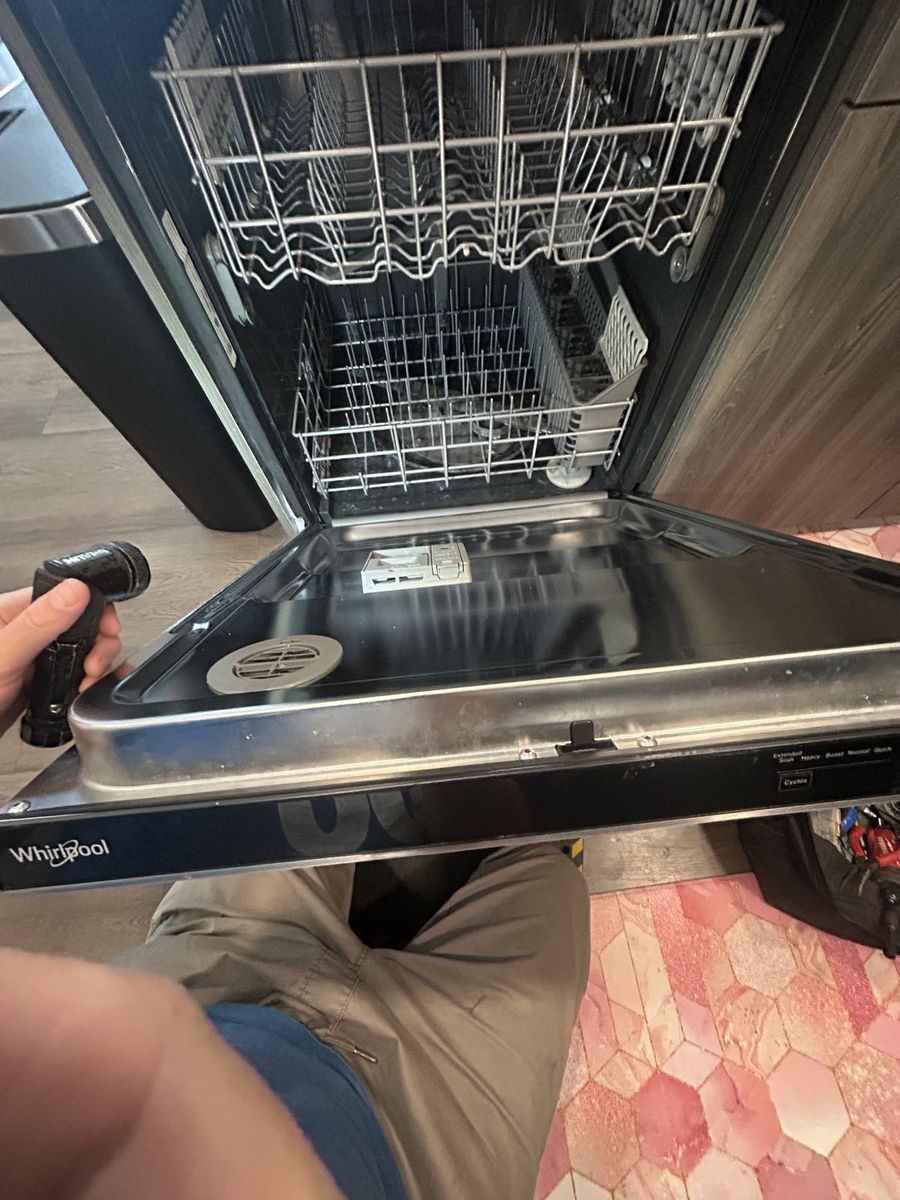
Tab 10 of 12
Well water leaves minerals on the spray arms and the inlet screen, two early stops when dishes come out dull or the tub fills slowly.
See the service page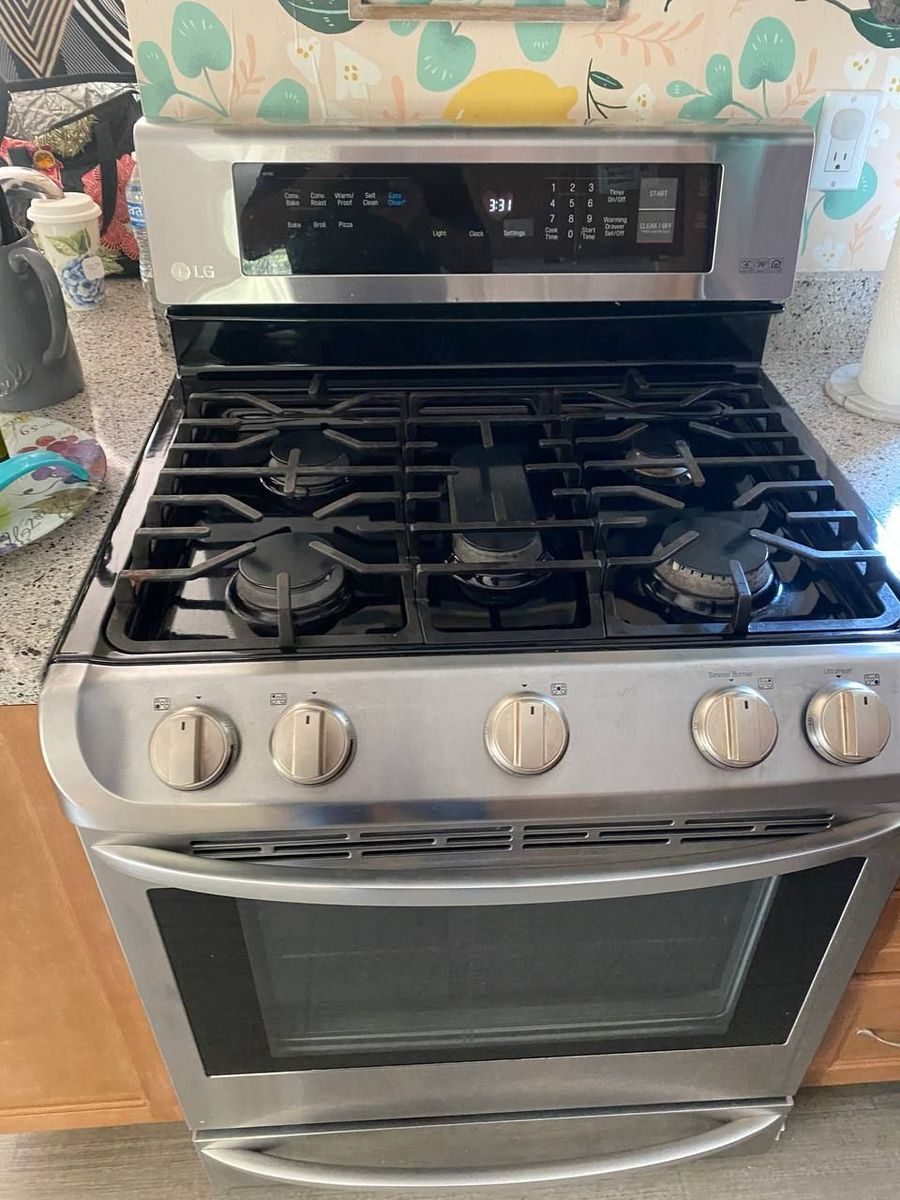
Tab 11 of 12
Natural gas and propane ranges both get igniter, valve and flame checks. The tank and its lines stay with your propane supplier.
See the service page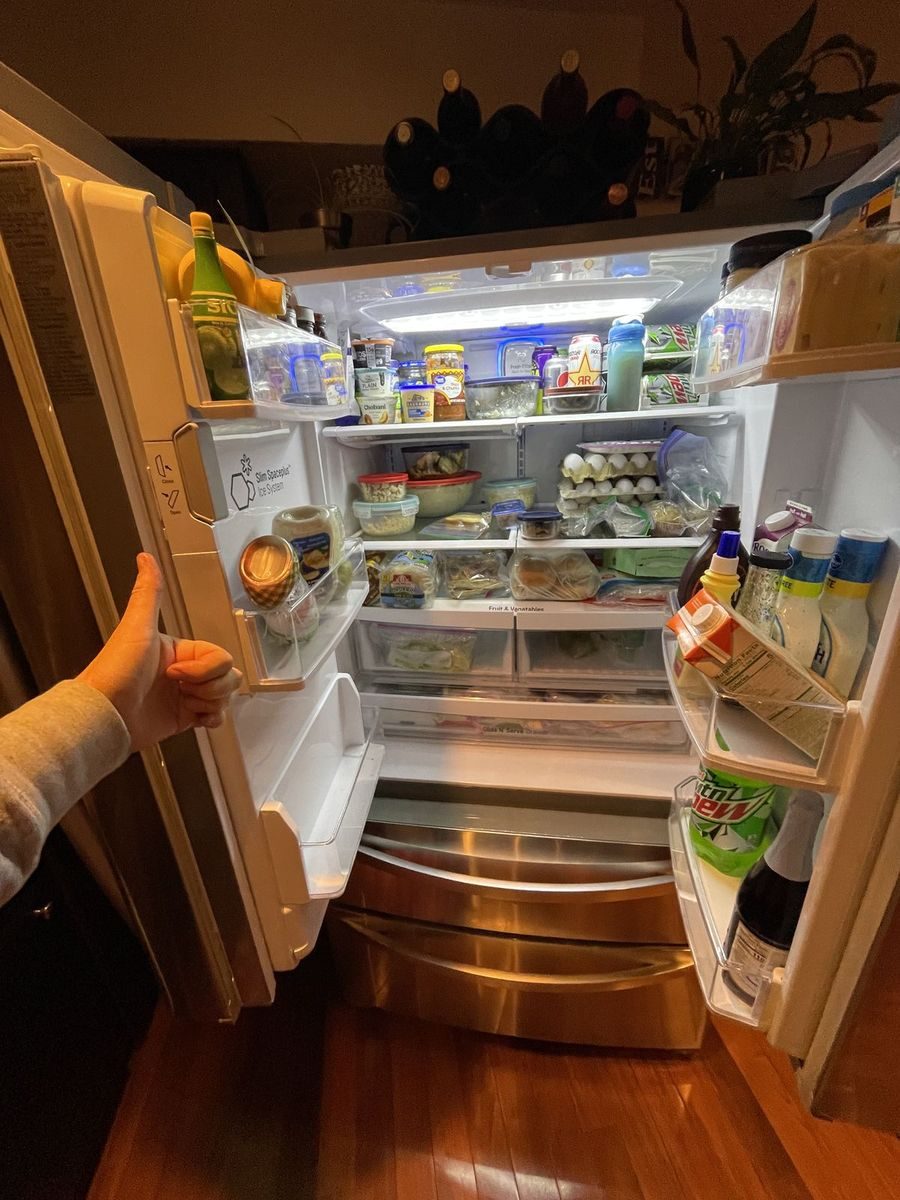
Tab 12 of 12
After a windstorm outage the fill tube often freezes solid and the ice maker goes quiet, so we follow the water up from the inlet valve.
See the service pageHomes close to the bridge landing are usually the first stop after the crossing, and they take the same salt air as the rest of the shoreline. Outdoor units here get a close look at contactor and capacitor terminals, plus a gentle coil rinse so fresh salt from the next storm does not settle onto old residue.
Houses facing Hale Passage look straight across to the mainland and take wind and spray off the channel. Outdoor units on that side corrode first at fasteners, fan motor mounts and the base pan. When a unit there needs replacing, we talk through moving the new one to a sheltered wall and raising it off the ground.
On the shores facing away from the bridge, open water means more wind and more salt. Fan blades, motor bearings and coil fins wear sooner, and storm-driven rain can push water into electrical compartments. We check fan motor amperage, tighten and clean connections, and look for moisture inside the control panel.
Away from the shoreline, wooded lots trade salt for debris. Fir needles, cedar fronds and alder catkins pack into outdoor coils and plug drain holes, while shade lets moss creep over cabinets. These homes also tend to sit on wells, so appliance inlet screens and refrigerator water valves get checked during kitchen and laundry calls.
Homes built for the view often have tall windows that soak up afternoon heat. A heat pump or mini-split that keeps up in May can fall behind in a July heat wave. We measure the temperature split, check the charge and airflow, and explain plainly whether the system is undersized or simply needs repair.
We do. Fox Island, ZIP 98333, is one of the five places this site serves, reached over the Fox Island Bridge from Artondale. The office fits island visits into a route so the truck crosses once with common parts already on board. Pick your day and window on the booking page; the office then phones to confirm before the visit.
Probably. Orange staining usually means iron, and iron plus sediment can clog the screen inside the refrigerator's water valve, starving the ice maker. A kinked supply line or a frozen fill tube can cause the same symptom. We test the valve, inspect the screen and check water flow to the ice maker, then show you a written price before replacing anything.
Three things help most. Put the equipment's model and serial number in your booking notes, along with what it is doing and when it started. Clear a path to the outdoor unit, furnace or appliance. And reset the breaker one time only; a second trip means leave it alone. Those steps let the technician bring the right parts in a single trip.
Not necessarily, but it needs attention. Salt holds moisture against the coil and terminals, and over time that corrodes fins, base pans and electrical connections. Rinsing with low-pressure hose water, not a power washer, helps between visits. During a tune-up we clean terminals, test the capacitor and contactor, and look closely at the coil so you know where it stands.
Just the diagnostic fee, quoted to you while the island visit is being scheduled. Had you approved the repair, that same fee would have been absorbed into the repair total, not charged twice. Either way, the repair figure is written down for you before anyone starts, and nothing begins on your equipment until you say yes.
Talk to a person
Reserve an island visit online, a day first and then an arrival window, with model numbers in the notes, or call the office between morning and 7 PM. You get a confirming call, and the technician phones again before reaching the bridge.
Schedule online
Tell us what needs attention, the day that works and the window you prefer. A scheduler calls to make it firm, and the technician rings again before pulling up.
Washington Labor & Industries keeps these records public. Each number can be searched on L&I Verify; scope details sit on a separate page.
Scope of each license