Tab 1 of 12
Ductless mini-splits
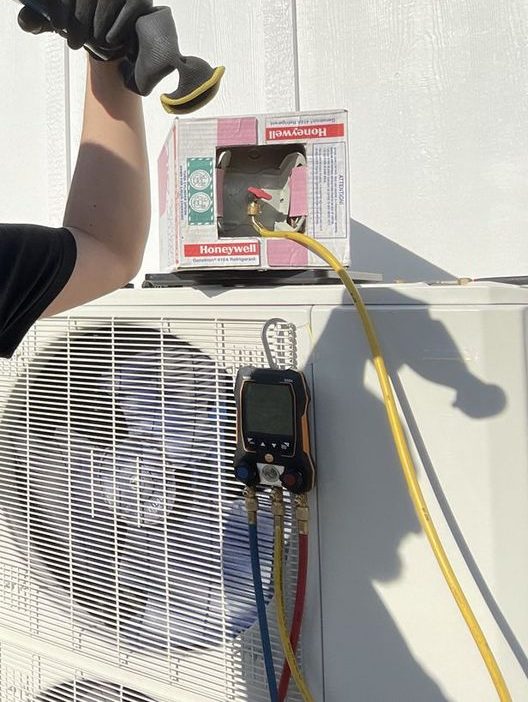
Mini-splits fit older homes with no room for ducts. Their line sets need sound insulation where they cross a damp crawlspace, and the outdoor unit needs a clear drain path.
See the service page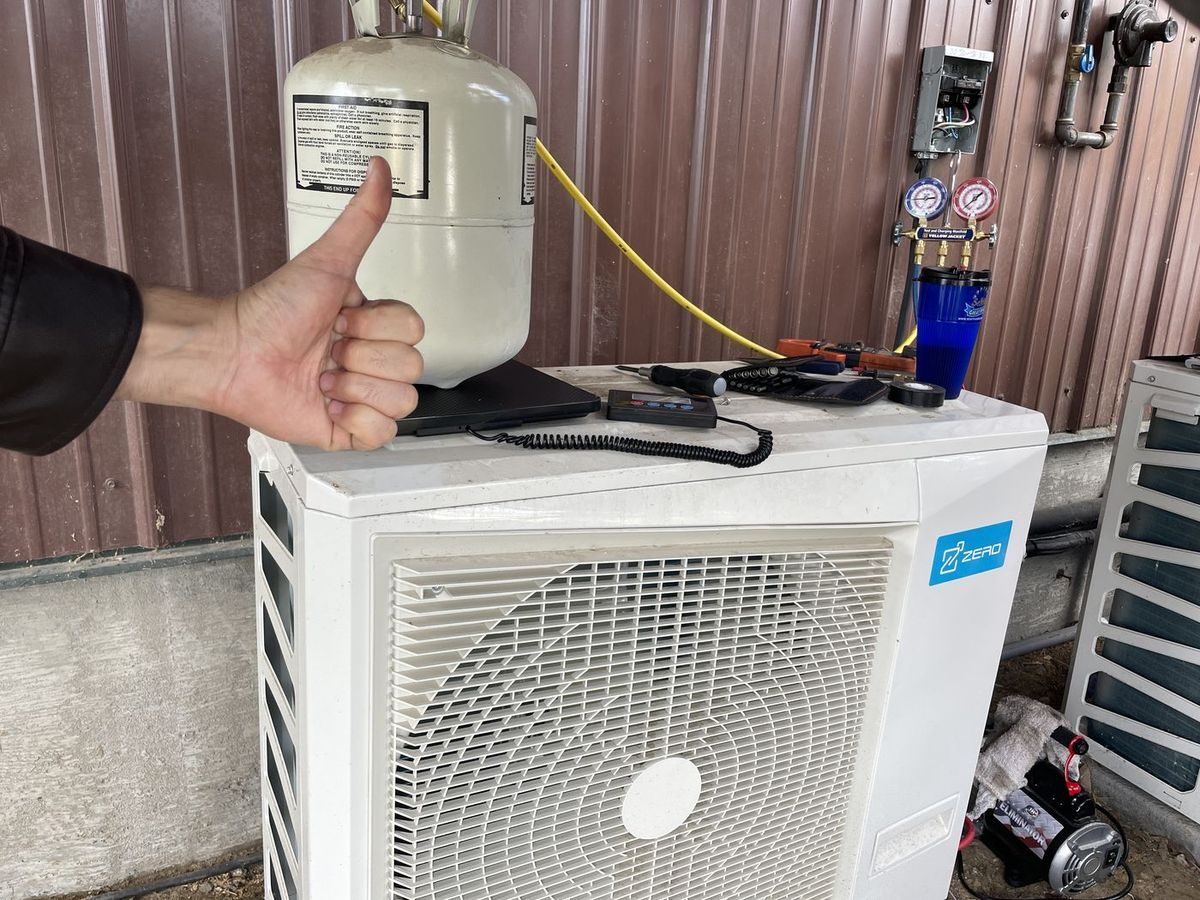
Ductless heat pumps and mini-splits
Ductless heat pumps suit Kitsap buildings that never had ducts: older baseboard houses in Bremerton and Manette, view rooms that bake on summer evenings, ADUs and shops on acreage near Poulsbo, and island homes on Fox Island. We repair them, deep clean them and install new ones, pricing each job on paper first.
Straight to it
We fix ductless mini-splits that leak water, smell sour, move weak air or blink fault codes, and we install new single-zone and multi-zone systems. Most repairs trace to a plugged condensate path or a failed pump, a grimy blower wheel and coil, a dead fan motor or board, or refrigerant escaping at a flare nut. Every repair and install gets a written price before we pick up a tool.
Because so many houses here were built around electric baseboard, with no ducts anywhere. Older homes in Bremerton, especially on the west side and across the Manette Bridge in Manette, often date from the early and middle 20th century, with plaster walls, shallow crawlspaces and no practical route for duct runs. A ductless system needs only a small hole through the wall for its line set, so it brings efficient heating and cooling without tearing into the house. Plenty of owners added one after the June 2021 heat wave.
They also reach spaces the main system cannot. Bonus rooms above garages and view rooms with big expanses of glass overheat on summer afternoons. ADUs, detached shops and studios on acreage outside Poulsbo, and island homes on Fox Island, often need heat and cooling of their own. One outdoor unit can feed a single head or several, and each head keeps its own remote and setpoint.
Mitsubishi, Fujitsu, Daikin and LG make up most of the ductless equipment we see, and we service other brands as well. This work rides on the 06A HVAC/Refrigeration specialty within Larch's Washington electrical contractor license. Refrigerant circuits are opened only by people holding the EPA 608 Universal credential. Got a head that drips, smells or blinks? Schedule a visit.
The technician begins with the remote and the error history, then opens the indoor head. Filters come out, the coil and blower wheel get inspected, and the drain is tested by pouring water through it. Outside, power is confirmed at the unit, the coil and base pan are checked for needles and ice, and pressures and temperatures are read if output is low. A musty head gets a full cleaning: the wheel removed or the head bagged, coil and wheel washed, and the pan and line flushed until the water runs clear.
No repair starts without a written price you have accepted. The diagnostic visit has a fee, disclosed by the office while you book. It vanishes into the repair total after a yes and becomes the whole invoice after a no. Fan motors, capacitors, condensate pumps and many sensors ride along with us, while brand-specific boards are priced before we order them. The invoice we hand you shows our warranty terms in writing.
Each tab holds a photo from our service calls and a note on what we check first. Pick any tab; left alone, they turn every few seconds.
Tab 1 of 12
Mini-splits fit older homes with no room for ducts. Their line sets need sound insulation where they cross a damp crawlspace, and the outdoor unit needs a clear drain path.
See the service page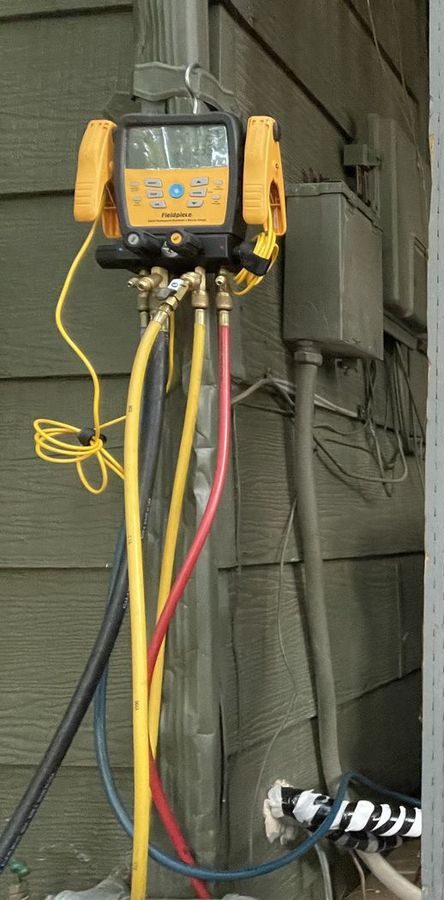
Tab 2 of 12
Through the gray months we watch the defrost cycle closely, because a coil that never clears is the classic Kitsap winter call. Capacitors and the reversing valve come next.
See the service page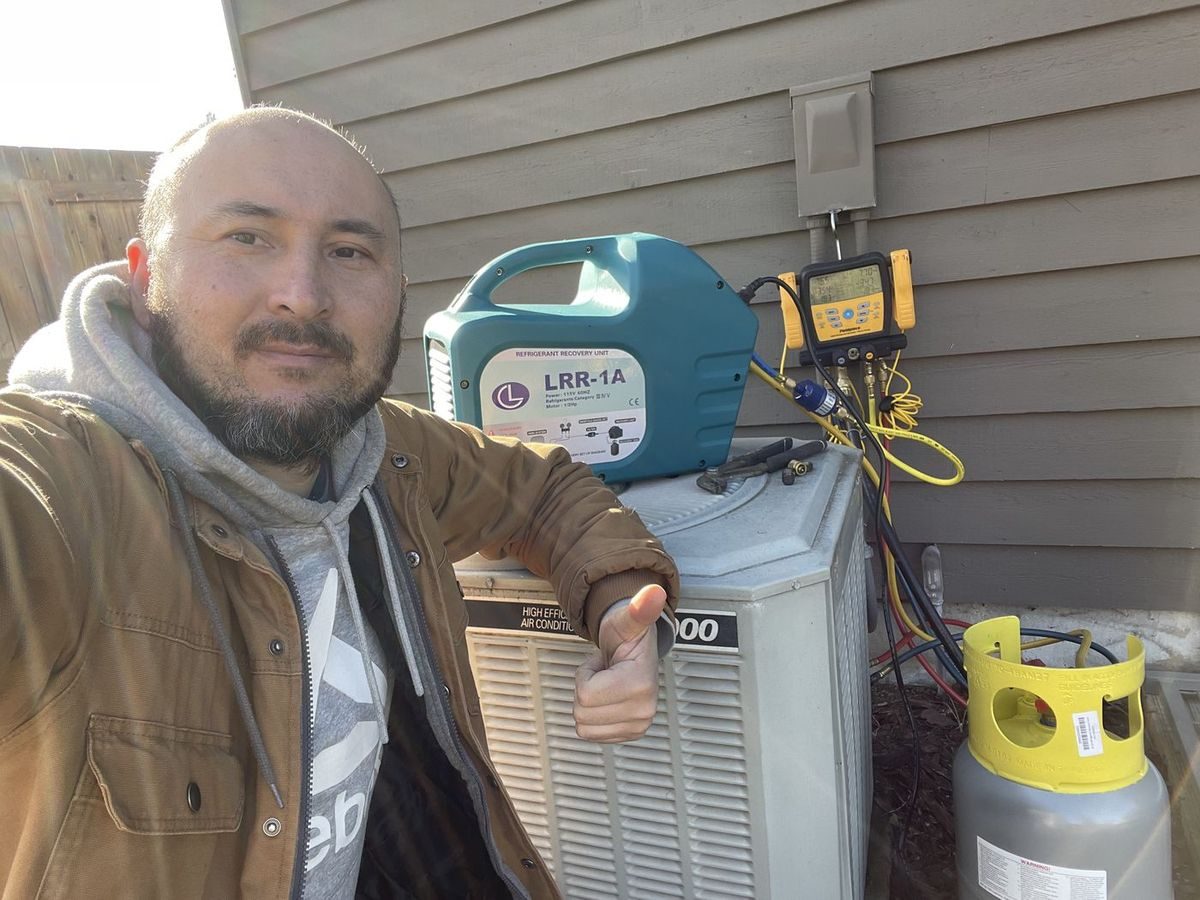
Tab 3 of 12
More Kitsap homes have cooling since the 2021 heat dome. When a system falls behind on a hot afternoon, we start with airflow, the capacitor and the refrigerant charge.
See the service page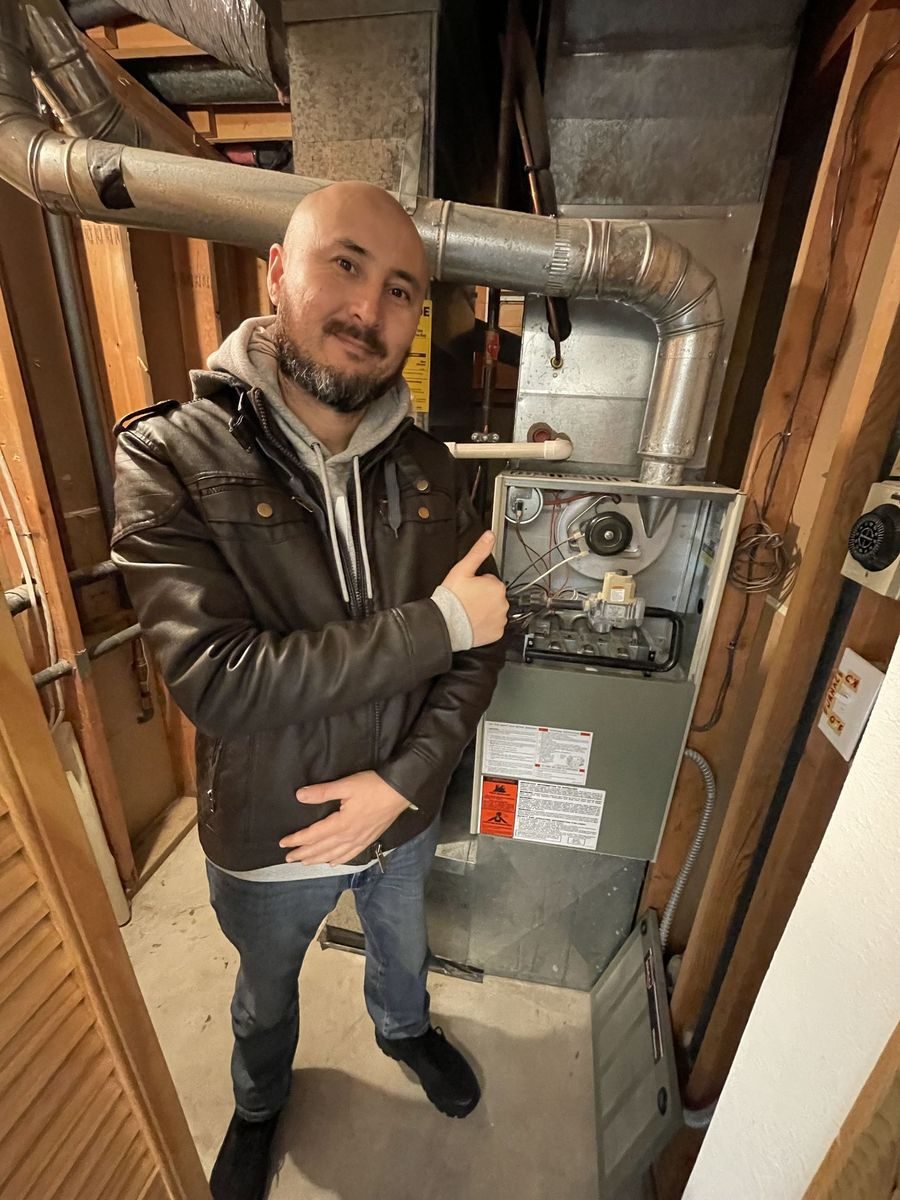
Tab 4 of 12
Many older Bremerton and Manette houses keep the furnace in a closet or under the floor. Filter, inducer, flame sensor and limit switch all get checked in that tight space.
See the service page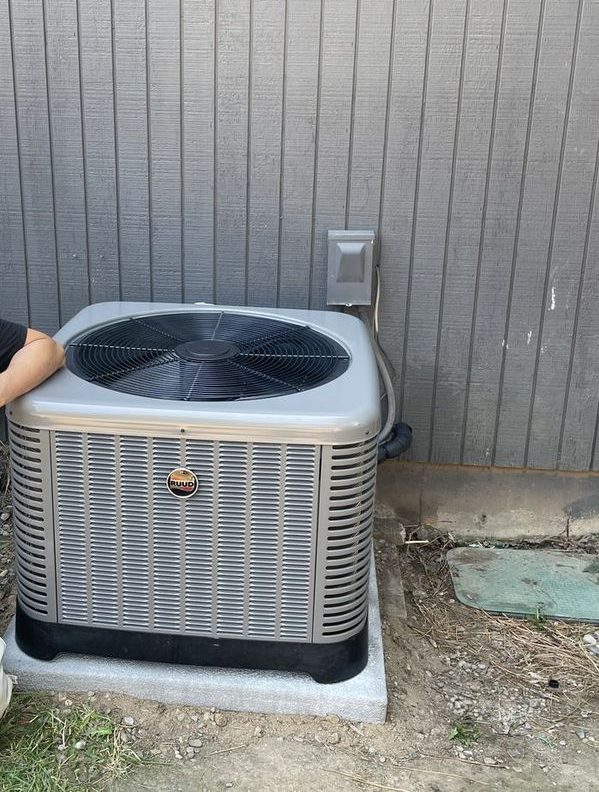
Tab 5 of 12
Placement matters on the peninsula: a raised pad clear of wet ground, back from salt spray where the lot allows, and out from under the needle drop.
See the service page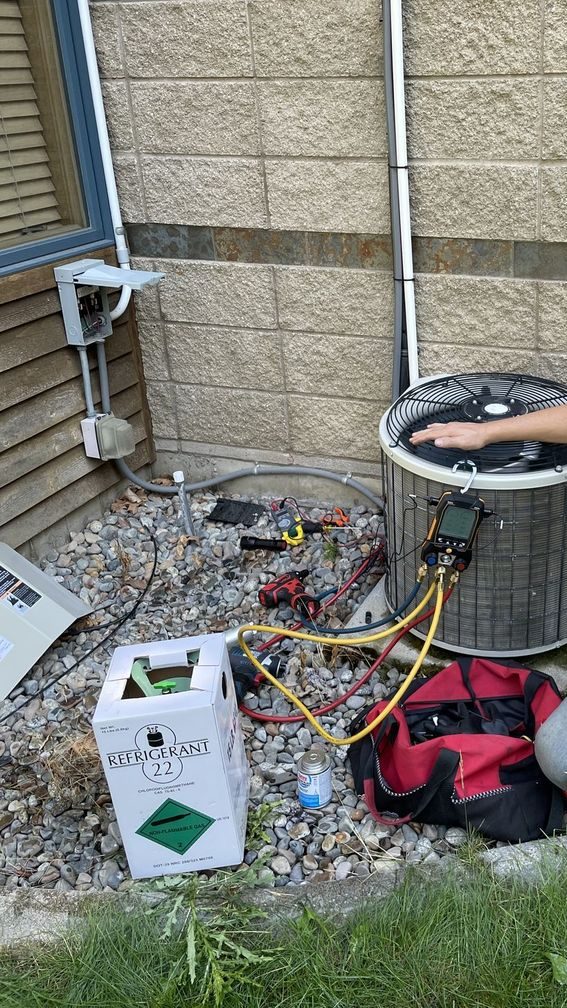
Tab 6 of 12
A seasonal visit near the water means a coil rinse, a look at the fasteners for salt rust and a base pan that drains. Those three buy waterfront equipment years.
See the service page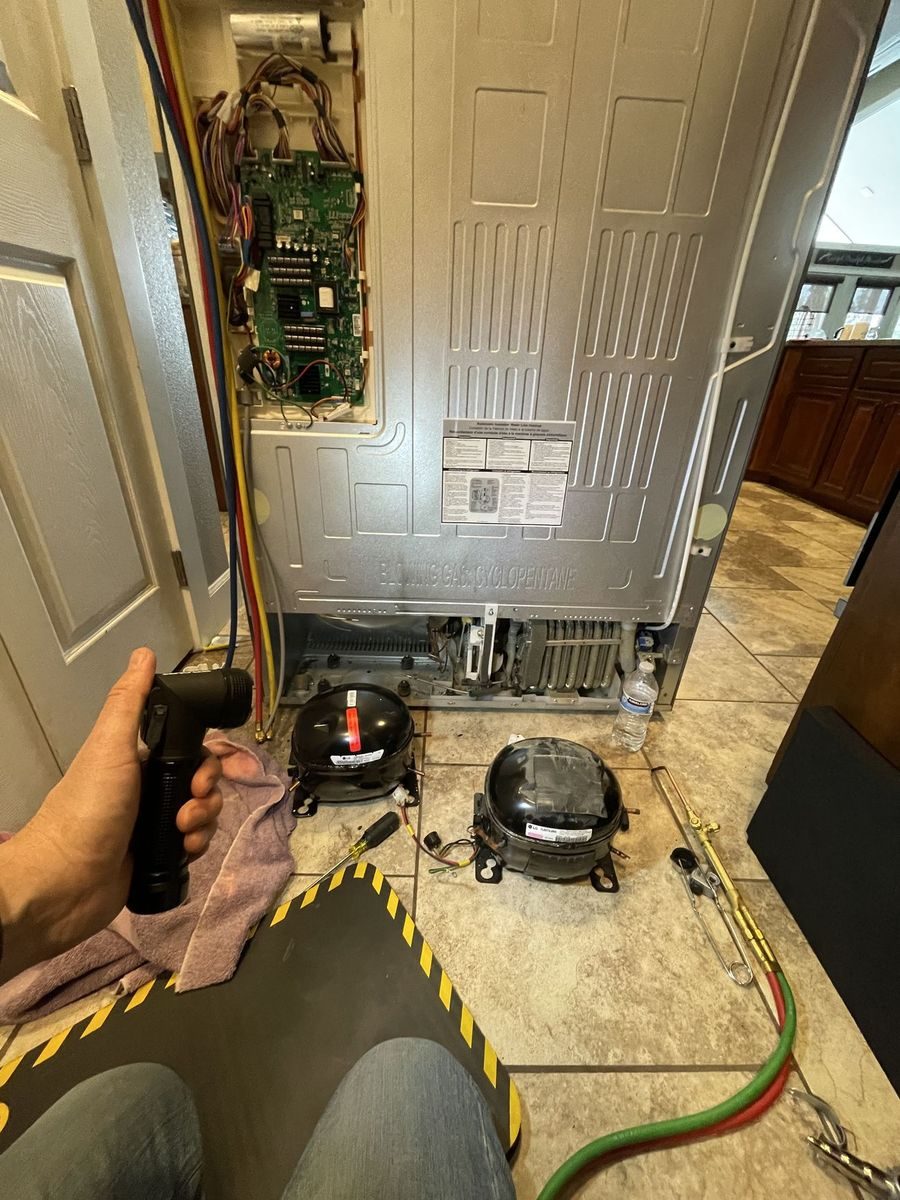
Tab 7 of 12
Sealed-system work, from leak search to recharge, happens right in the kitchen under EPA 608 Universal credentials, so the fridge stays where it stands.
See the service page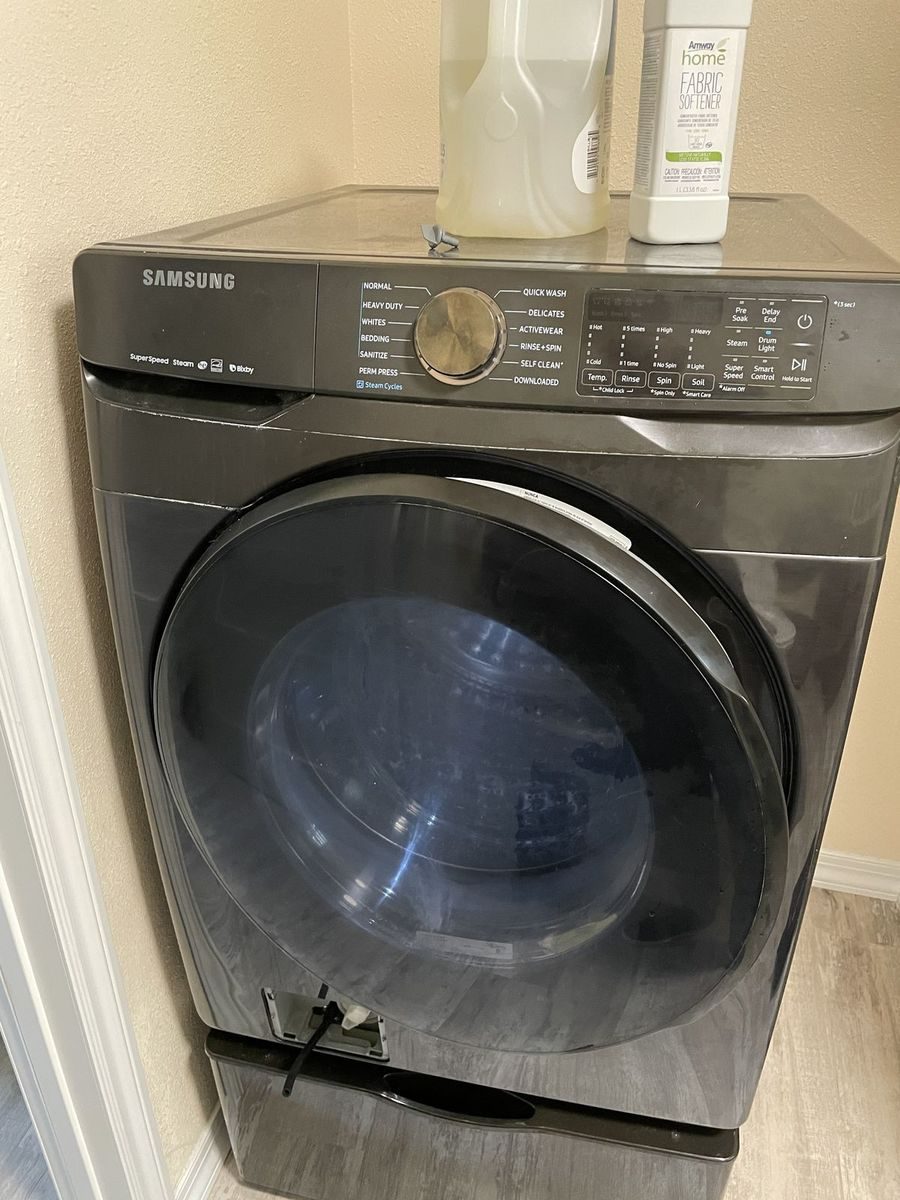
Tab 8 of 12
Damp Kitsap laundry rooms are hard on door boots, so mildew, torn folds and a clogged pump filter are the first things we look at on a front-loader.
See the service page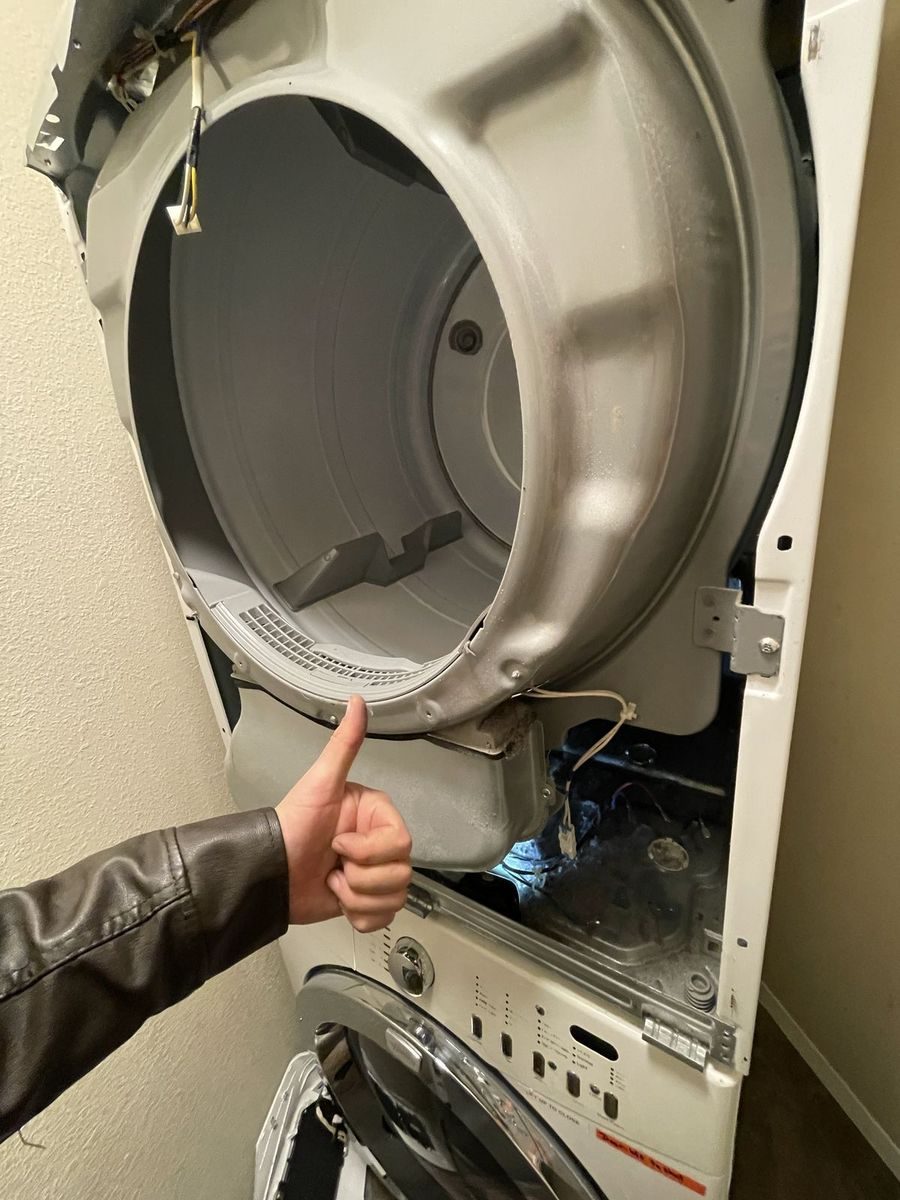
Tab 9 of 12
Long vent runs through damp walls fill with lint quickly, so the vent gets tested along with the heating side: element or burner, thermal fuse and thermostats.
See the service page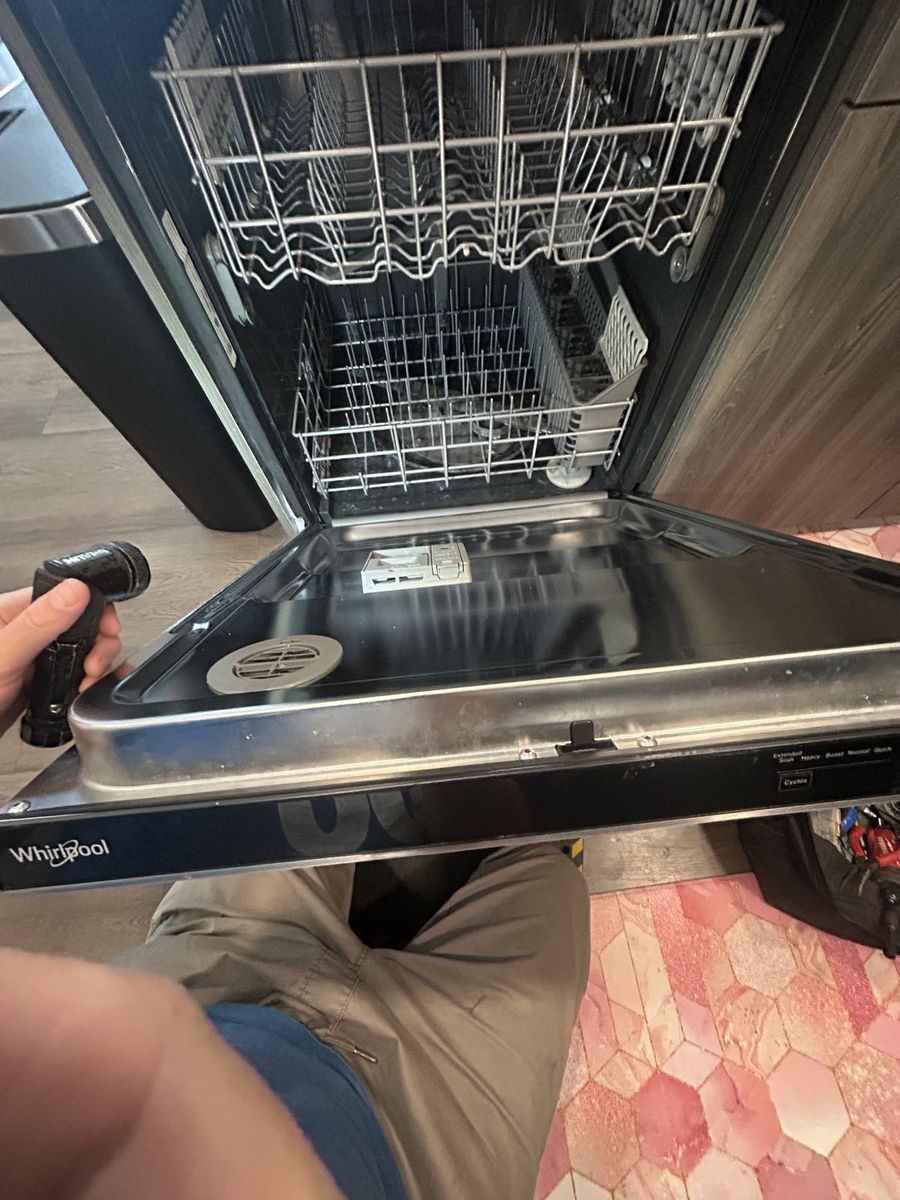
Tab 10 of 12
Well water leaves minerals on the spray arms and the inlet screen, two early stops when dishes come out dull or the tub fills slowly.
See the service page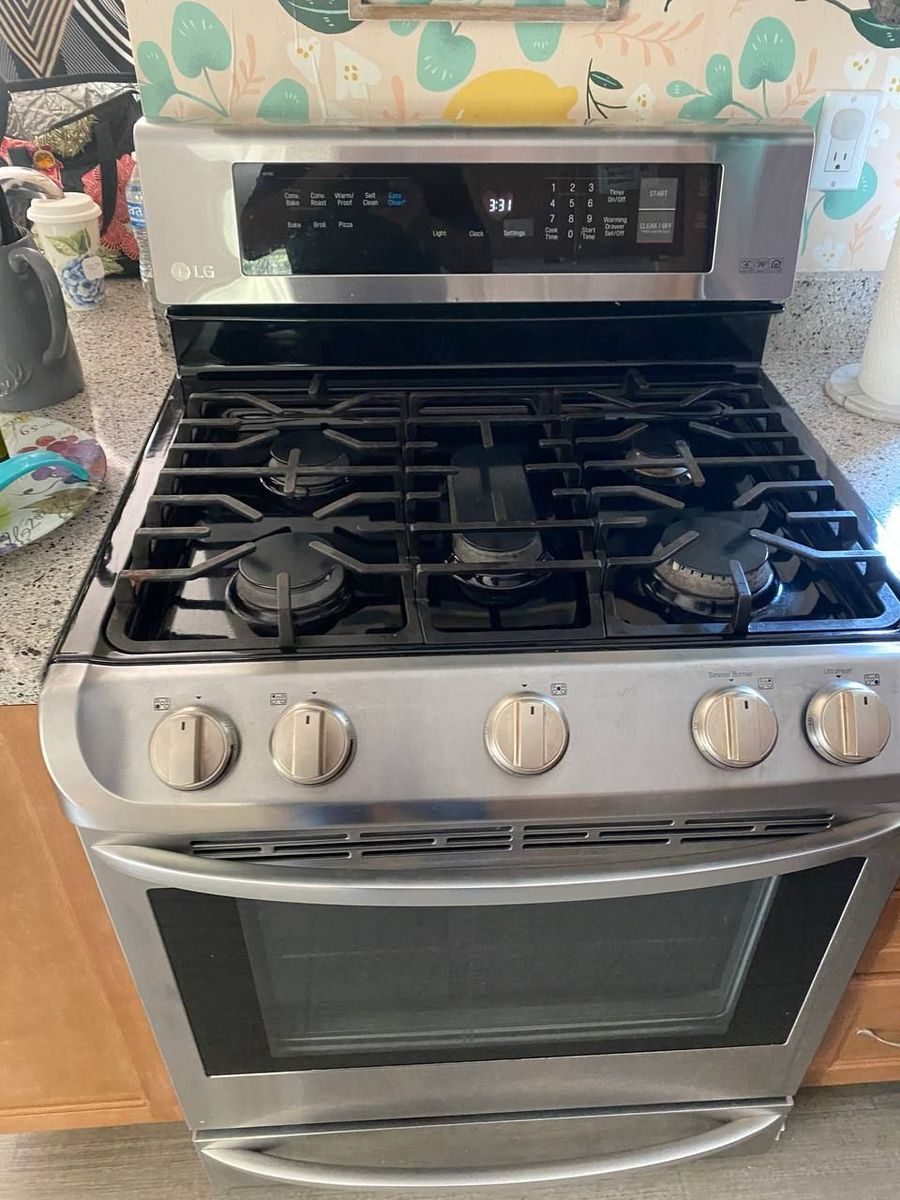
Tab 11 of 12
Natural gas and propane ranges both get igniter, valve and flame checks. The tank and its lines stay with your propane supplier.
See the service page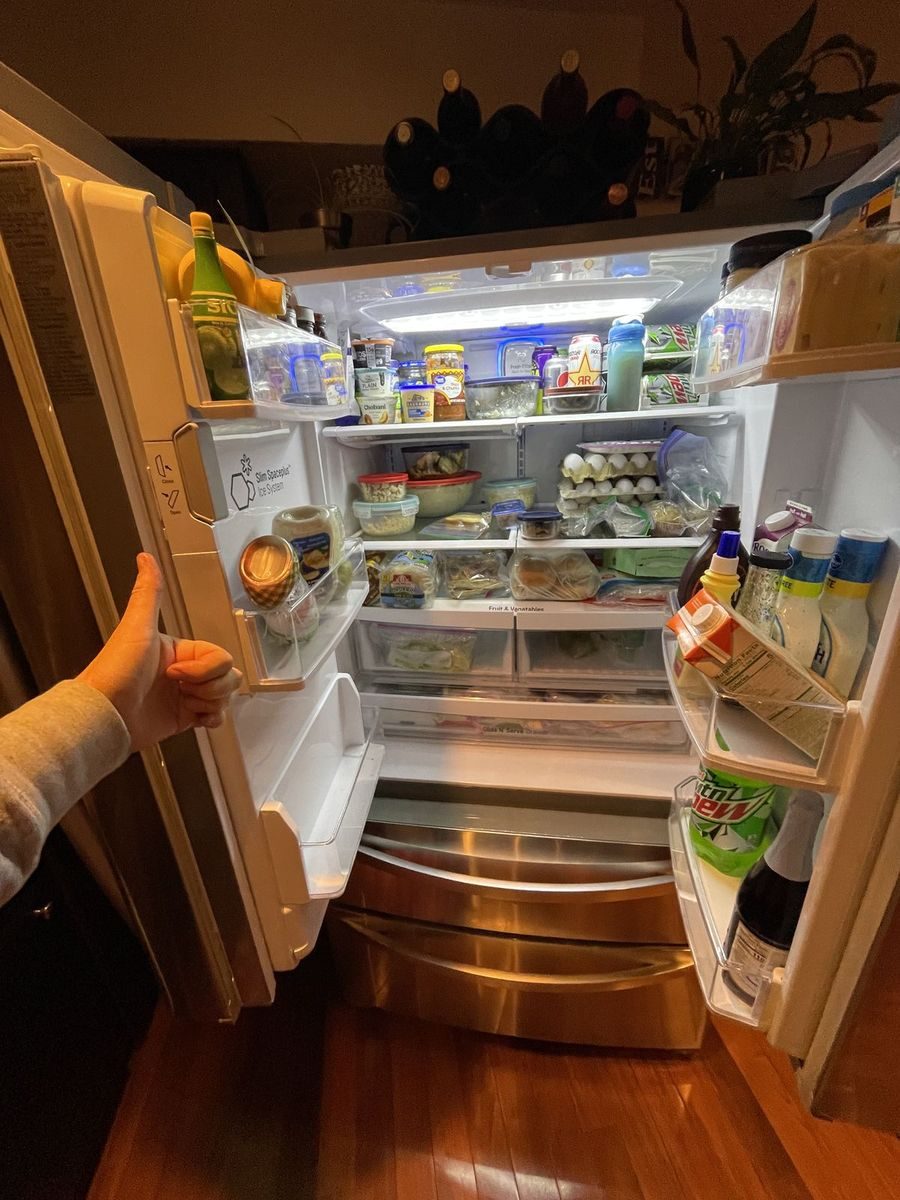
Tab 12 of 12
After a windstorm outage the fill tube often freezes solid and the ice maker goes quiet, so we follow the water up from the inlet valve.
See the service pageDamp air keeps indoor heads wet. During cooling and through long, mild heating seasons, heads in Kitsap homes cycle in humid air, and the blower wheel and coil rarely dry out all the way. That is how slime builds up, how the musty smell starts, and how drains clog. Heads mounted on interior walls often rely on small condensate pumps, which get noisy or fail with age. Monthly filter rinsing and a yearly deep cleaning keep most heads fresh.
Outdoor units face rain, needles and salt. Many outdoor units on Fox Island and along the Gig Harbor waterfront sit within reach of spray off Hale Passage or the harbor, where salt corrodes fins, screws and electrical terminals. Under firs and cedars, needles and moss fill the base pan and block defrost drainage. Wall brackets or stands that lift the unit above wet ground help, and for shops and ADUs on rural acreage near Poulsbo, a clear path to the outdoor unit makes service far easier. Fox Island calls are routed around the single bridge from Artondale.
Most ductless repairs are worth doing. Drains, pumps, fan motors, sensors, boards and flare leaks are all fixable on a system whose compressor is healthy. Replacement makes sense when the outdoor compressor fails on an older system, when replacement boards for that model are no longer made, or when salt has eaten through the outdoor coil. It is also worth talking through if you want more zones; some outdoor units can take another head and others cannot. For a new system, we size each head to its room, plan line set routes and condensate paths, and raise any electrical needs outside our scope before quoting. The written quote puts equipment and installation together under one number.
Almost always because mold and slime have taken hold on the wheel and coil hidden inside the head. In damp Kitsap air the head seldom dries out, and dust gives that growth something to hold onto. Rinsing filters helps, but once the wheel is coated it needs a real cleaning with the head opened up, and we flush the drain during the same visit.
It is the system reporting a fault. Each brand uses its own codes, which can point to a sensor, a fan motor, lost communication from indoor to outdoor unit, or a refrigerant or pressure problem. Note the blink pattern or photograph the display, and mention it when booking. Our technician checks it against the service manual and tests the part involved.
Yes, that is one of the most common uses for one. A single-zone ductless setup can keep an ADU, a detached shop or a studio comfortable year-round with no ducts at all. We size the unit to the space, pick spots for the outdoor cabinet and the line set route, and raise any electrical work outside our scope before quoting the job as one figure.
Yes, and many owners do. The heads take on the bulk of the heating plus every bit of cooling, while the baseboards stay as backup in rooms the heads do not reach or on the coldest nights. Setting the baseboard thermostats a few degrees below the head's setpoint keeps the two from competing and lets the more efficient heat pump do the work.
Rinse the filters about once a month when the system is working hard, and plan a professional cleaning about once a year, sooner if the head smells or you have pets. In the damp Kitsap climate, heads that run most of the year collect grime faster than ones used only in summer. Our tune-up covers the coil, wheel and drain check.
Yes. Fox Island has many waterfront and view homes running ductless systems, and we plan those visits around the one bridge across Hale Passage from Artondale. Outdoor units near the water take salt spray, so we pay close attention to coil condition, screws and terminals, and we suggest a gentle hose rinse of the outdoor coil a few times a year.
Talk to a person
Use the website to pick a date and whichever arrival window you like, or call any day once the phones open at 8 AM, until they close at 7 PM. The office confirms every booking by phone, and the technician rings on the way.
Schedule online
Tell us what needs attention, the day that works and the window you prefer. A scheduler calls to make it firm, and the technician rings again before pulling up.
Washington Labor & Industries keeps these records public. Each number can be searched on L&I Verify; scope details sit on a separate page.
Scope of each license