Tab 1 of 12
Heat pump repair
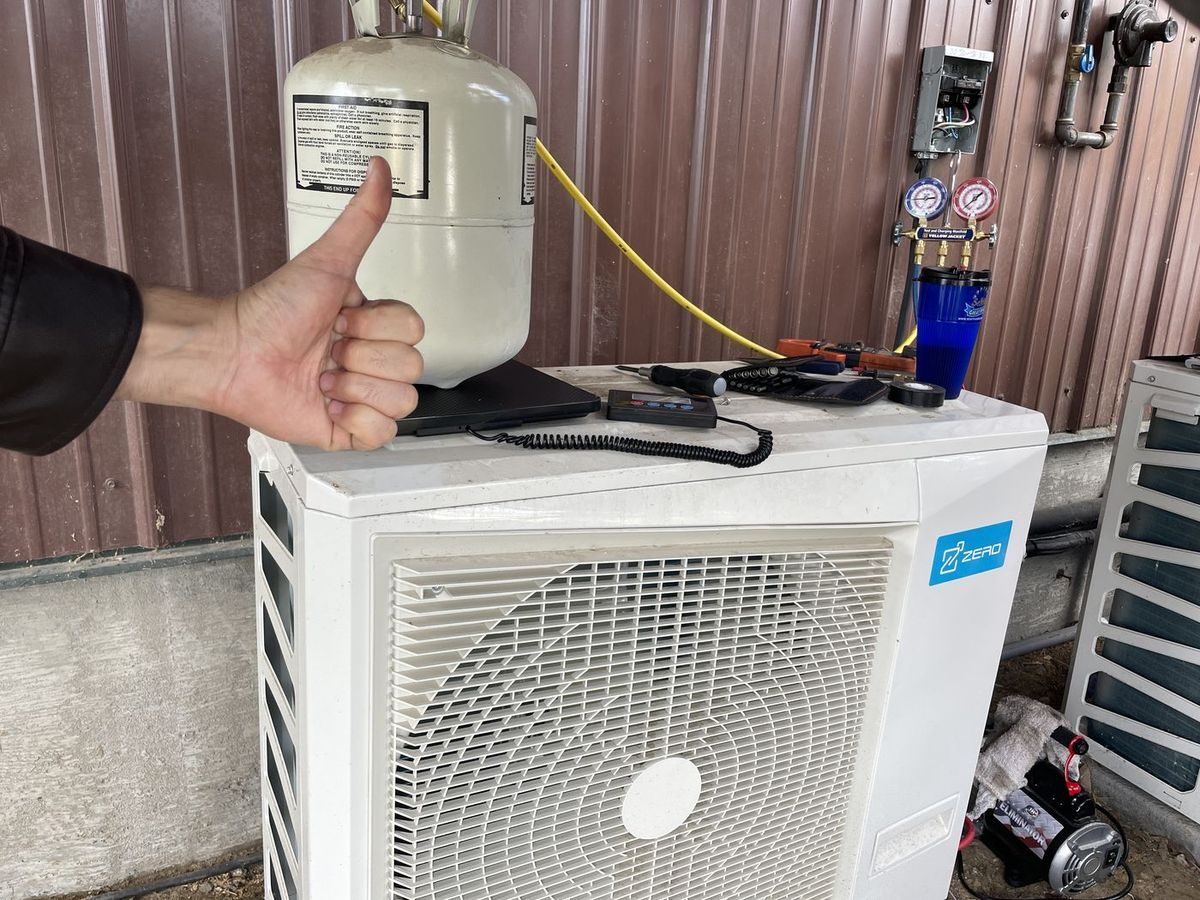
Through the gray months we watch the defrost cycle closely, because a coil that never clears is the classic Kitsap winter call. Capacitors and the reversing valve come next.
See the service page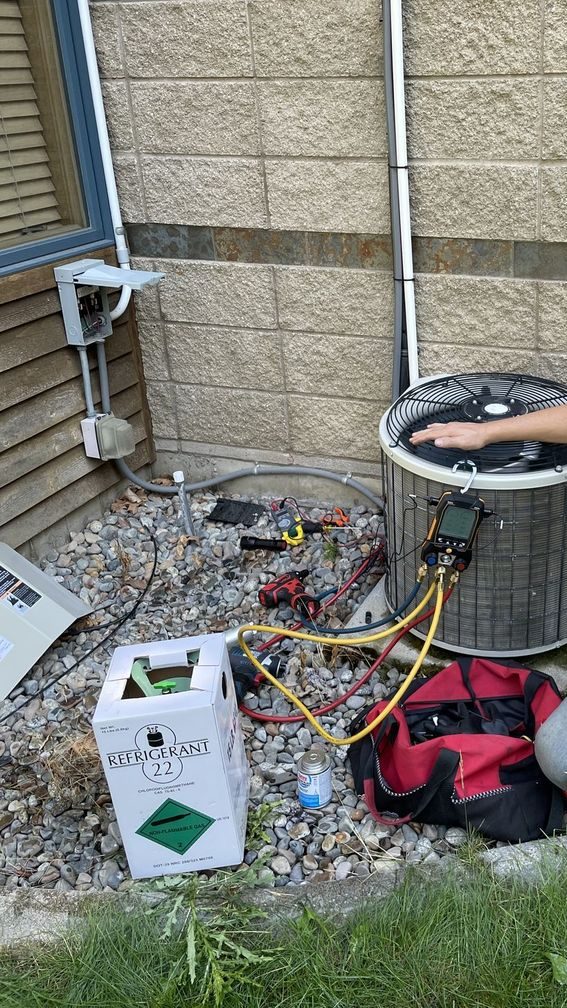
Bremerton, WA · Kitsap County · 98310 · 98311 · 98312 · 98314 · 98337
Bremerton is split by the Port Washington Narrows, and our trucks cross it most days. Downtown, Charleston and the waterfront blocks lie on the west side; Manette and the rest of East Bremerton wait across two bridges. Older houses, frequent moves and long wet winters shape nearly every call here.
Straight to it
Larch HVAC & Appliance handles mini-splits, heat pumps, furnaces both gas and electric, central air and household appliances all over Bremerton, ZIP codes 98310, 98311, 98312, 98314 and 98337, west and east of the Narrows. Reserve a slot on the online calendar, day first and then arrival window, or ring the office, open for calls 8 AM–7 PM daily. The diagnostic fee is stated ahead of time and folds into any repair you approve.
Because so much of the housing went up in a hurry during the city's busiest decades. The blocks along Sinclair Inlet and over in Manette hold many homes from the early and middle 20th century, framed long before heat pumps and seldom built with central air. That gap showed on June 28, 2021, when the heat dome drove Bremerton to an all-time record of 110°F. Plenty of owners answered by adding a ducted heat pump or a ductless mini-split, so new equipment now often lives beside old framing, cramped crawlspaces and duct runs first laid out for a furnace.
The second reason is movement. Bremerton has about 43,500 residents (2020 census), and with several large employers running shifts around the clock, many households arrive, leave and change addresses often. Rentals change hands, appliances ride in moving vans, and a new tenant inherits a thermostat nobody explained. Lots of residents also commute across the water by boat. A fixed appointment minute rarely suits that life, so you pick an arrival window and the technician phones before pulling up.
Geography sets the routes. The Port Washington Narrows cuts the city in two, with Manette and East Bremerton on the northeast side, reached by the Manette Bridge, replaced in 2011, and the Warren Avenue Bridge, which has carried SR 303 since 1958. Sinclair Inlet forms the southeast edge. The office strings together calls on one side before sending a truck over to the other, which keeps arrival windows realistic. Both bodies of water also deliver salt air, and outdoor units within sight of them corrode sooner than ones a few blocks inland.
Defrost faults lead the winter list. Bremerton averages lows near 35°F from December through February and about 57 inches of precipitation a year, so a heat pump spends months in the cold, saturated air that frosts an outdoor coil fastest. When the defrost board stops starting cycles, a coil sensor misreads, or the reversing valve sticks partway, the coil packs with ice and the AUX light stays on while backup heat strips carry the house. Our technicians check those parts, then read superheat and subcooling to judge the charge and the TXV before proposing refrigerant work, which they handle under the EPA 608 Universal credential. Near Sinclair Inlet and the Narrows we also look hard at pitted contactor points, crusted capacitor terminals and salt-flaked coil fins.
Gas furnaces in older homes tend to fail in a familiar sequence. A burner that lights and then quits points to a flame sensor coated with residue, its microamp signal too weak to prove flame; no flame at all sends us to the hot-surface igniter, the inducer motor and the pressure switch. Crawlspace duct runs bring their own trouble, so we measure static pressure and the temperature split instead of guessing. Central air that sat idle all spring tends to give out during the year's first warm spell, usually from a capacitor that has drifted below its rated microfarads. Smell gas? Walk everyone outside first, and from the yard or sidewalk dial 911 or the gas supplier. Furnace and heat pump repair sits within our 06A HVAC/Refrigeration specialty; gas piping is not part of our work.
Both do, in different ways. The city draws from wells and from surface water in the Union River watershed, held behind Casad Dam. City figures put the well water at 56–98 mg/L of hardness, roughly 3.3–5.7 grains per gallon, and the surface supply near 32 mg/L, about 1.9 grains. That spread lands between soft and moderately hard, which means scale creeps in slowly rather than overnight, yet over the years a film still forms on dishwasher heating elements, on the fine screens inside washer inlet valves and on the refrigerator water valve that feeds the ice maker. When fills slow down or glasses come out cloudy, those parts are where we start.
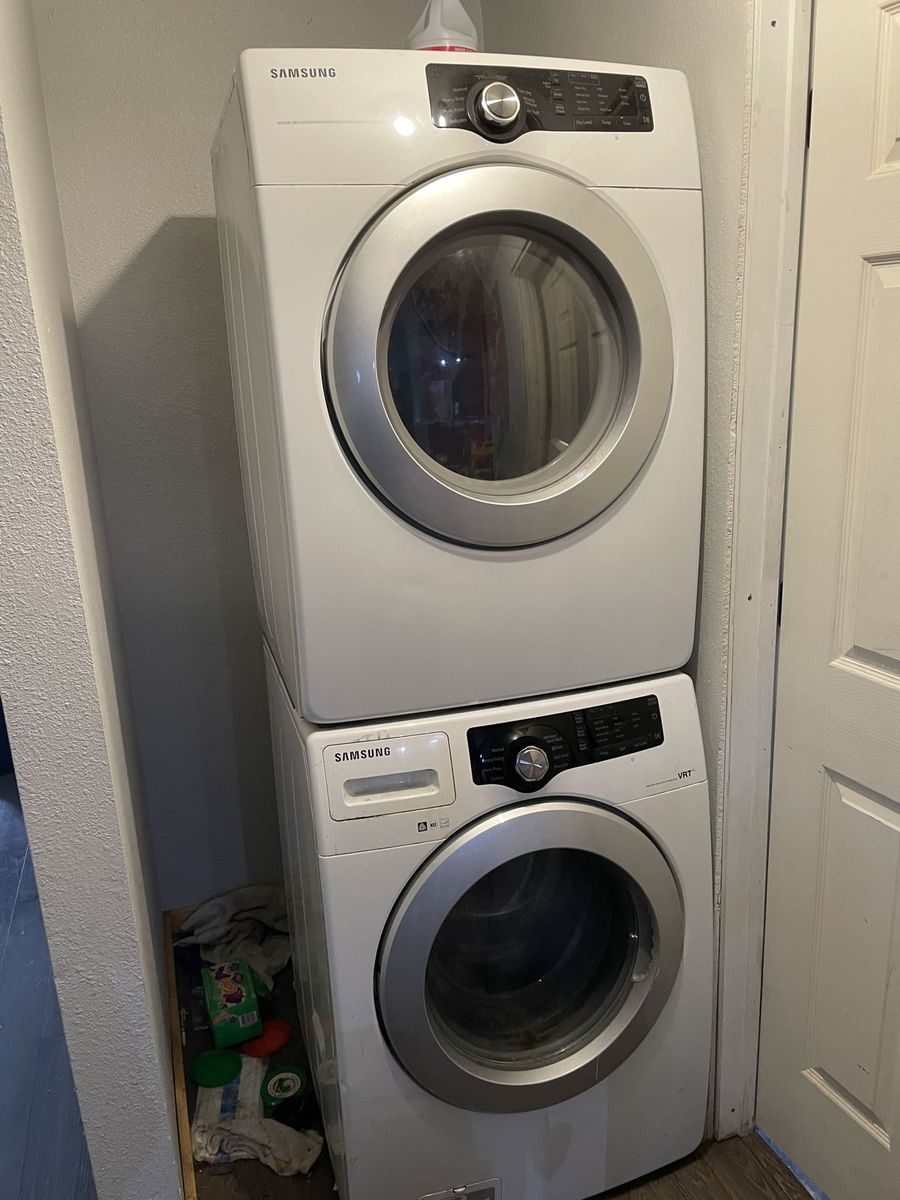
Moves cause the sudden failures. A washer hauled without its transit bolts can land with a cracked tub mount or a bent suspension, and a refrigerator laid on its side and plugged in right away may run warm until the oil drains back into the compressor. Stacked pairs in downtown apartments get separated and rejoined with crushed dryer vents, which cooks the thermal fuse in a humid laundry closet. Our 07D Appliance Repair specialty covers LG, GE, Whirlpool, Maytag, Frigidaire, Kenmore and Bosch, and Samsung laundry pairs, ranges and dishwashers. A written price reaches you before any part changes, and our written warranty terms print on the invoice.
Each tab holds a photo from our service calls and a note on what we check first. Pick any tab; left alone, they turn every few seconds.
Tab 1 of 12
Through the gray months we watch the defrost cycle closely, because a coil that never clears is the classic Kitsap winter call. Capacitors and the reversing valve come next.
See the service page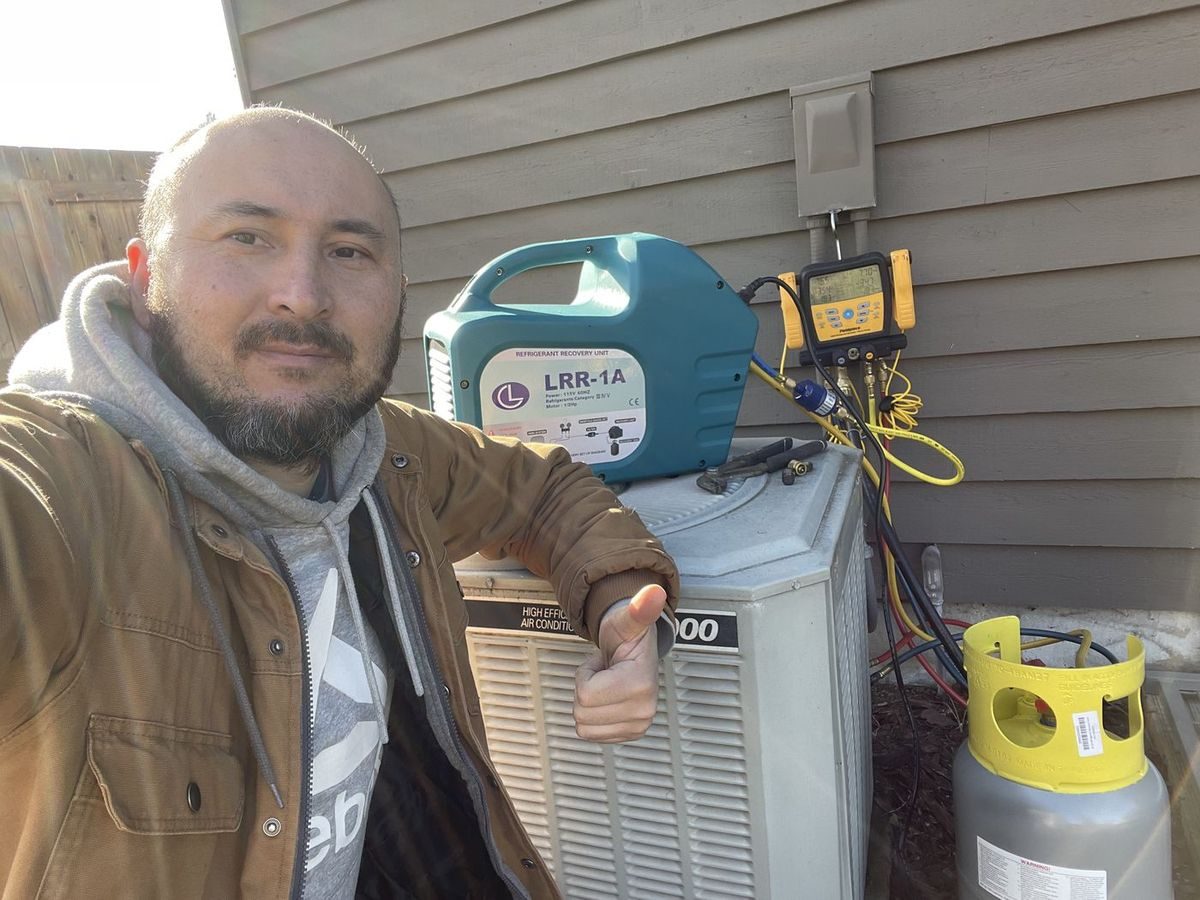
Tab 2 of 12
More Kitsap homes have cooling since the 2021 heat dome. When a system falls behind on a hot afternoon, we start with airflow, the capacitor and the refrigerant charge.
See the service page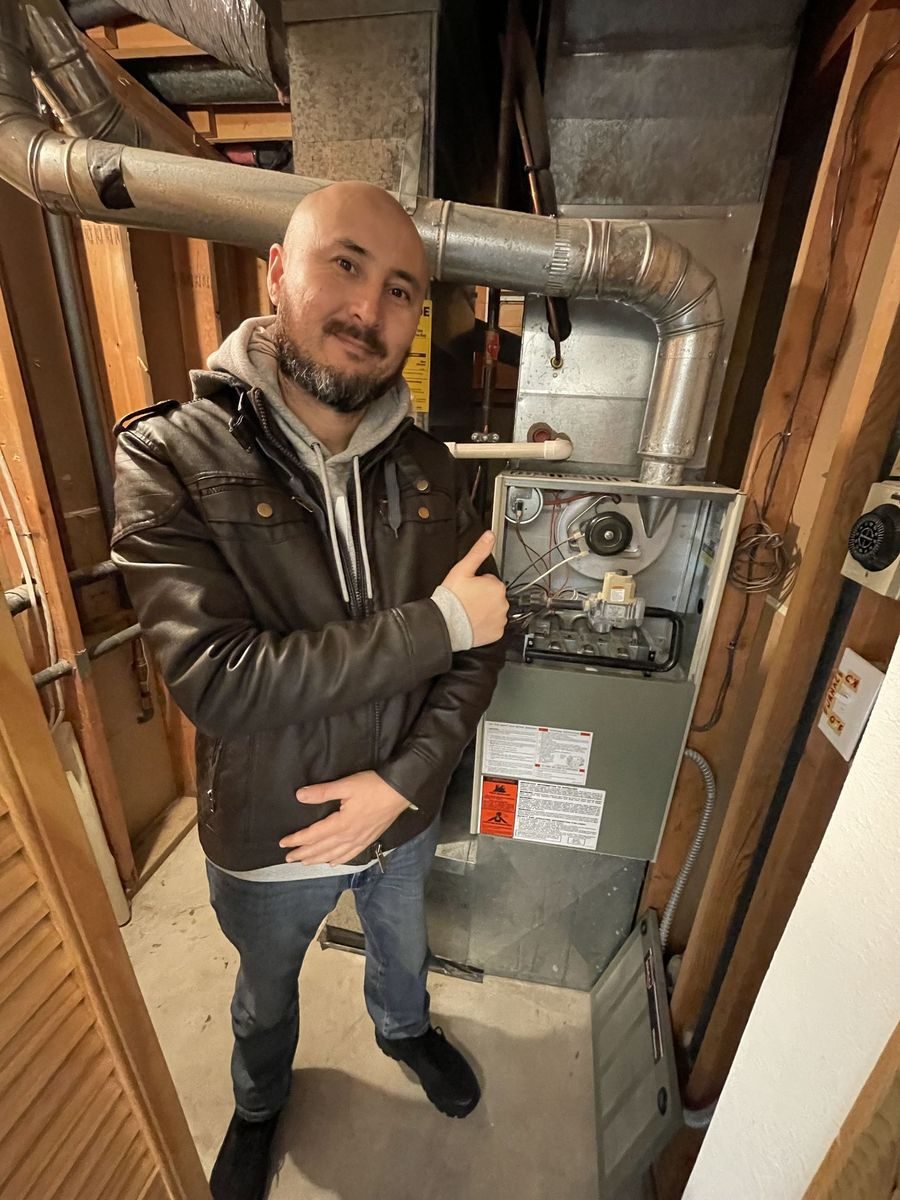
Tab 3 of 12
Many older Bremerton and Manette houses keep the furnace in a closet or under the floor. Filter, inducer, flame sensor and limit switch all get checked in that tight space.
See the service page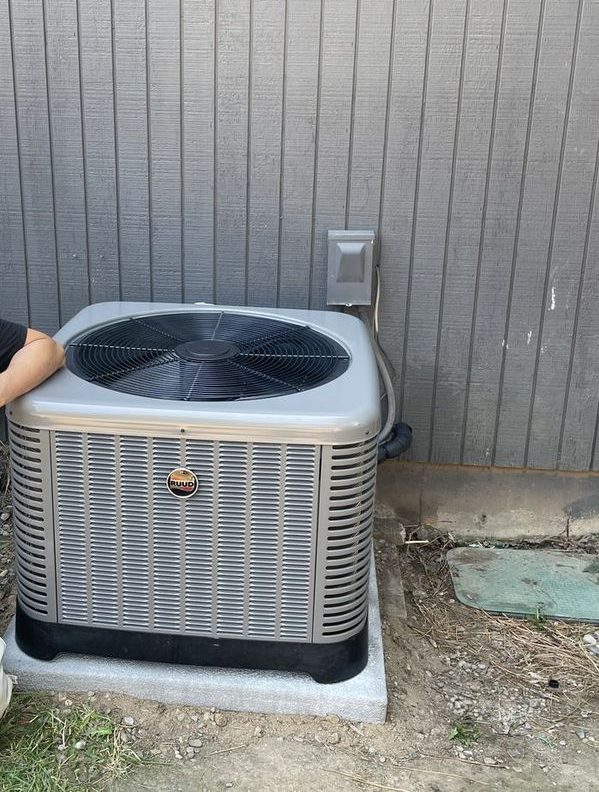
Tab 4 of 12
Placement matters on the peninsula: a raised pad clear of wet ground, back from salt spray where the lot allows, and out from under the needle drop.
See the service page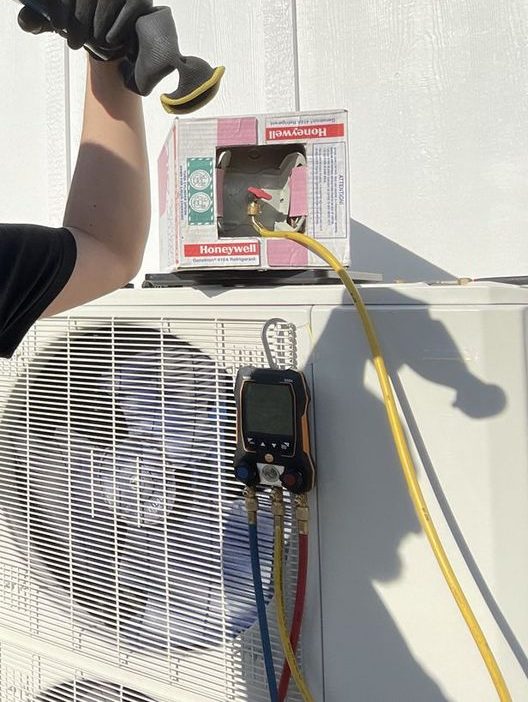
Tab 5 of 12
Mini-splits fit older homes with no room for ducts. Their line sets need sound insulation where they cross a damp crawlspace, and the outdoor unit needs a clear drain path.
See the service pageTab 6 of 12
A seasonal visit near the water means a coil rinse, a look at the fasteners for salt rust and a base pan that drains. Those three buy waterfront equipment years.
See the service page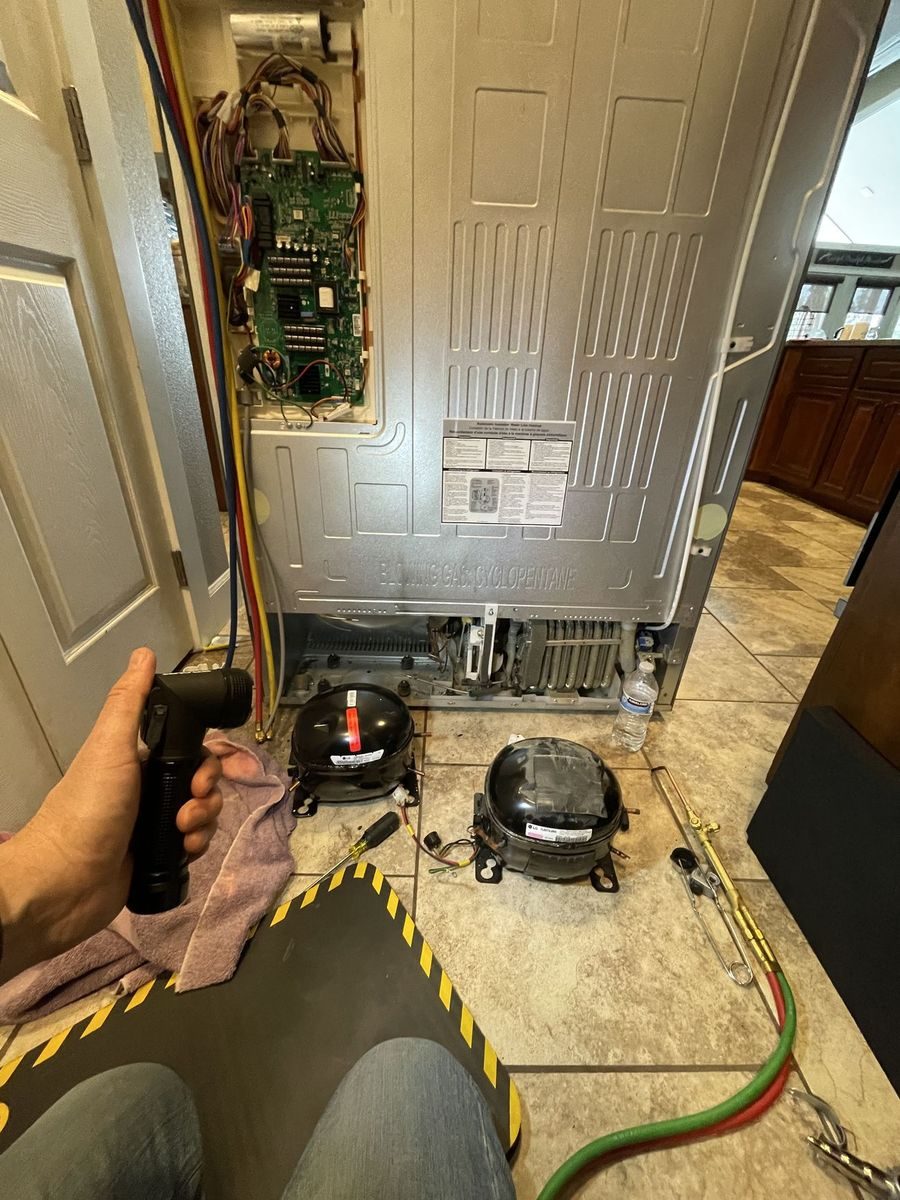
Tab 7 of 12
Sealed-system work, from leak search to recharge, happens right in the kitchen under EPA 608 Universal credentials, so the fridge stays where it stands.
See the service page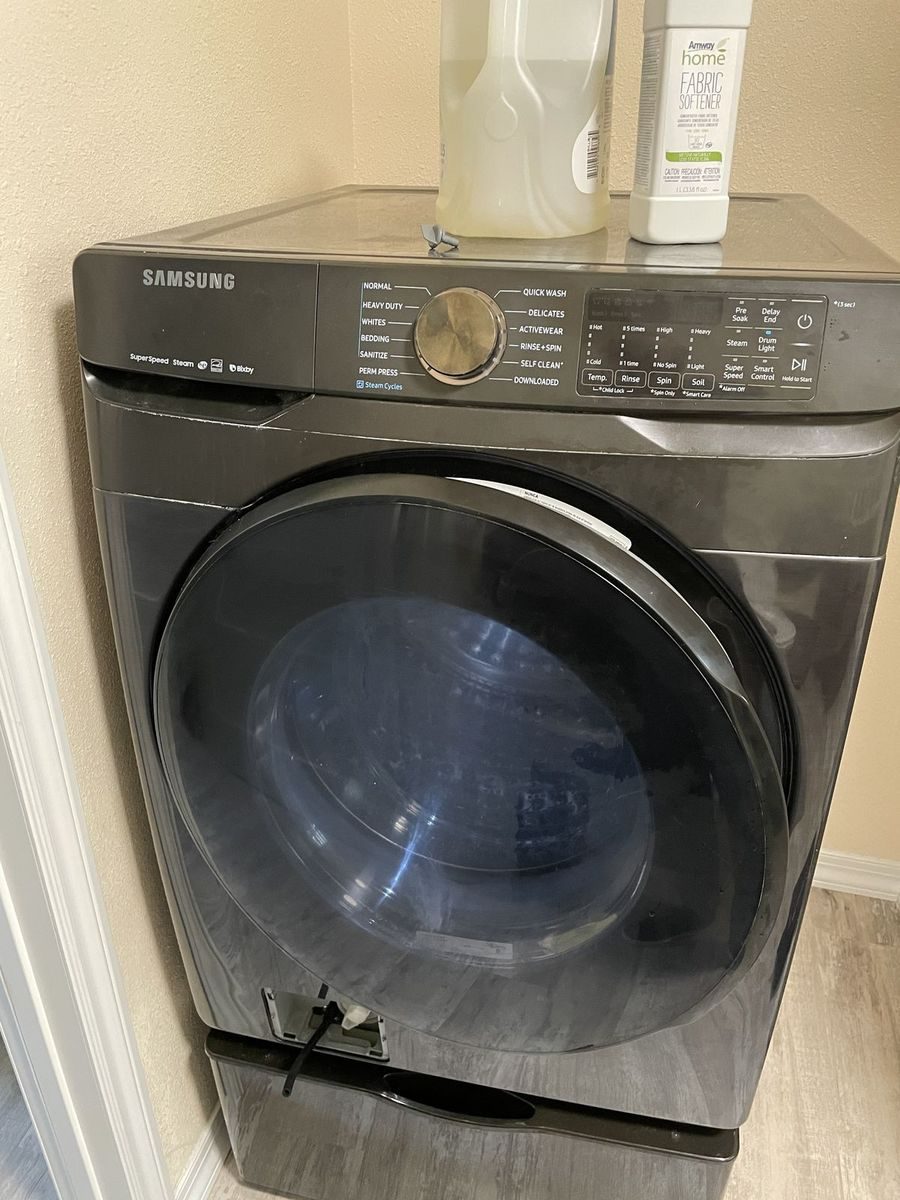
Tab 8 of 12
Damp Kitsap laundry rooms are hard on door boots, so mildew, torn folds and a clogged pump filter are the first things we look at on a front-loader.
See the service page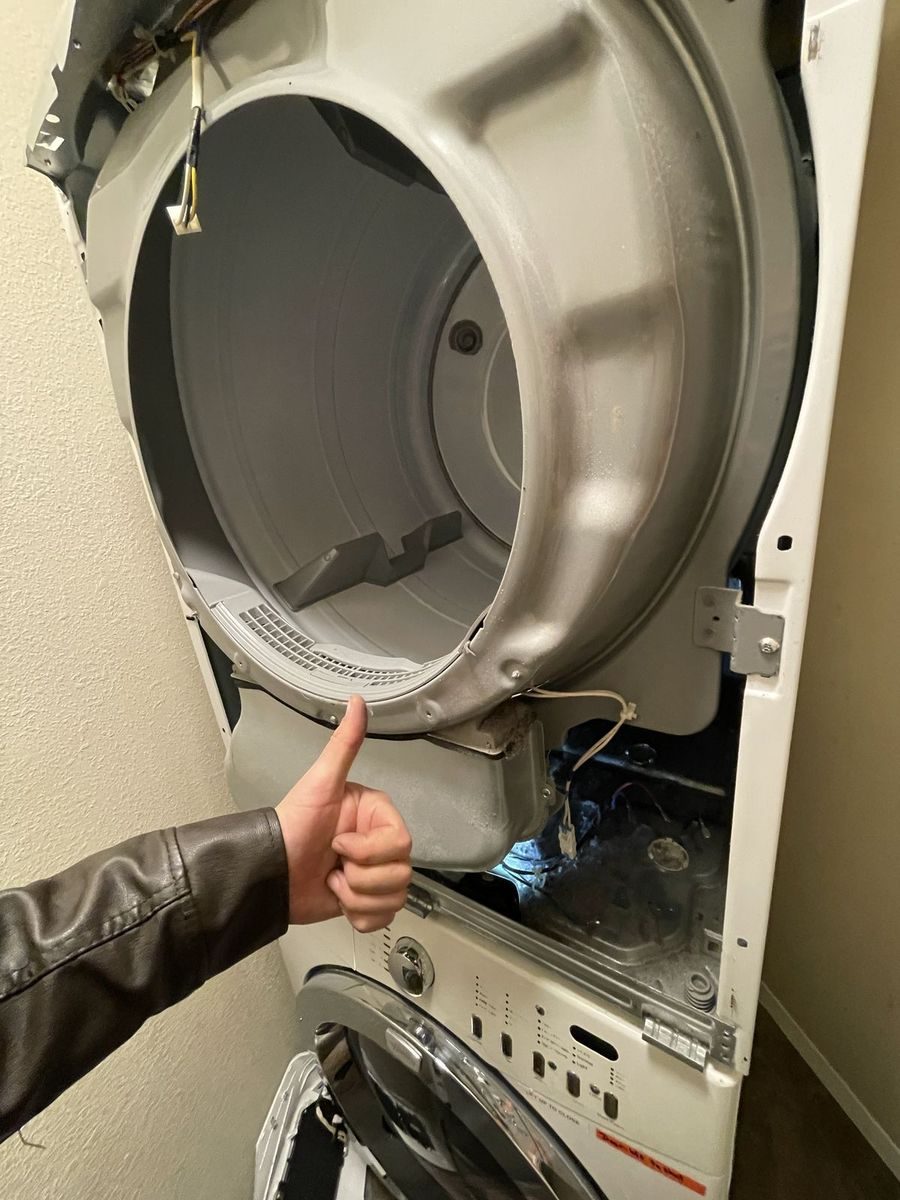
Tab 9 of 12
Long vent runs through damp walls fill with lint quickly, so the vent gets tested along with the heating side: element or burner, thermal fuse and thermostats.
See the service page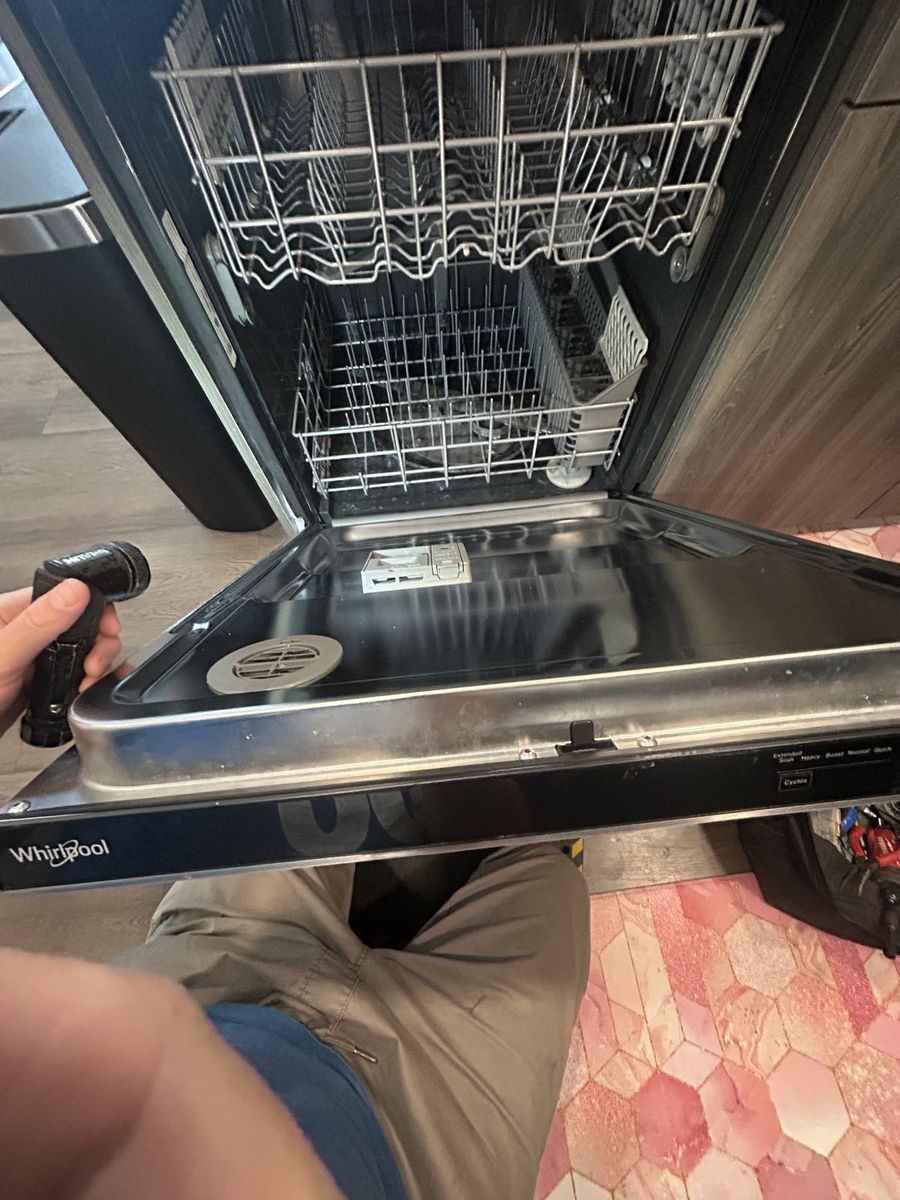
Tab 10 of 12
Well water leaves minerals on the spray arms and the inlet screen, two early stops when dishes come out dull or the tub fills slowly.
See the service page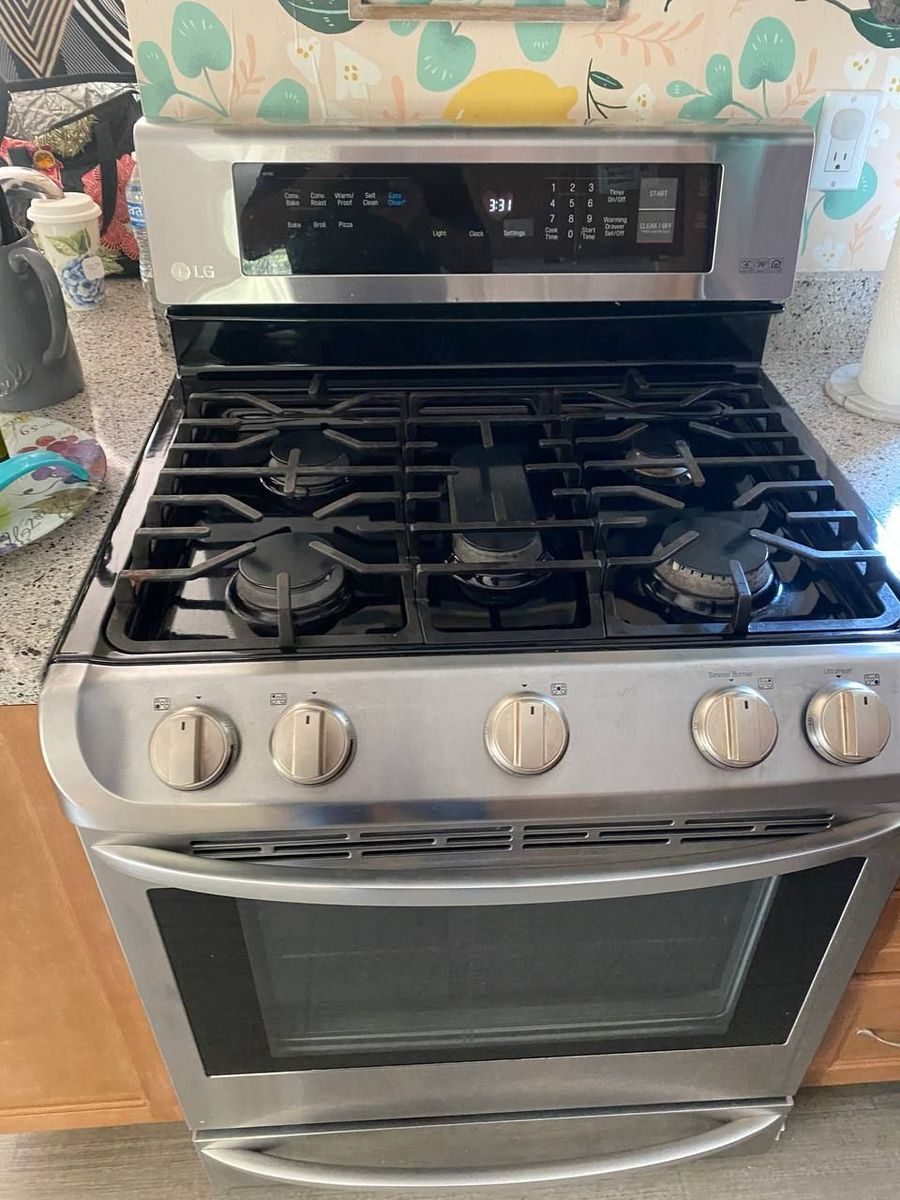
Tab 11 of 12
Natural gas and propane ranges both get igniter, valve and flame checks. The tank and its lines stay with your propane supplier.
See the service page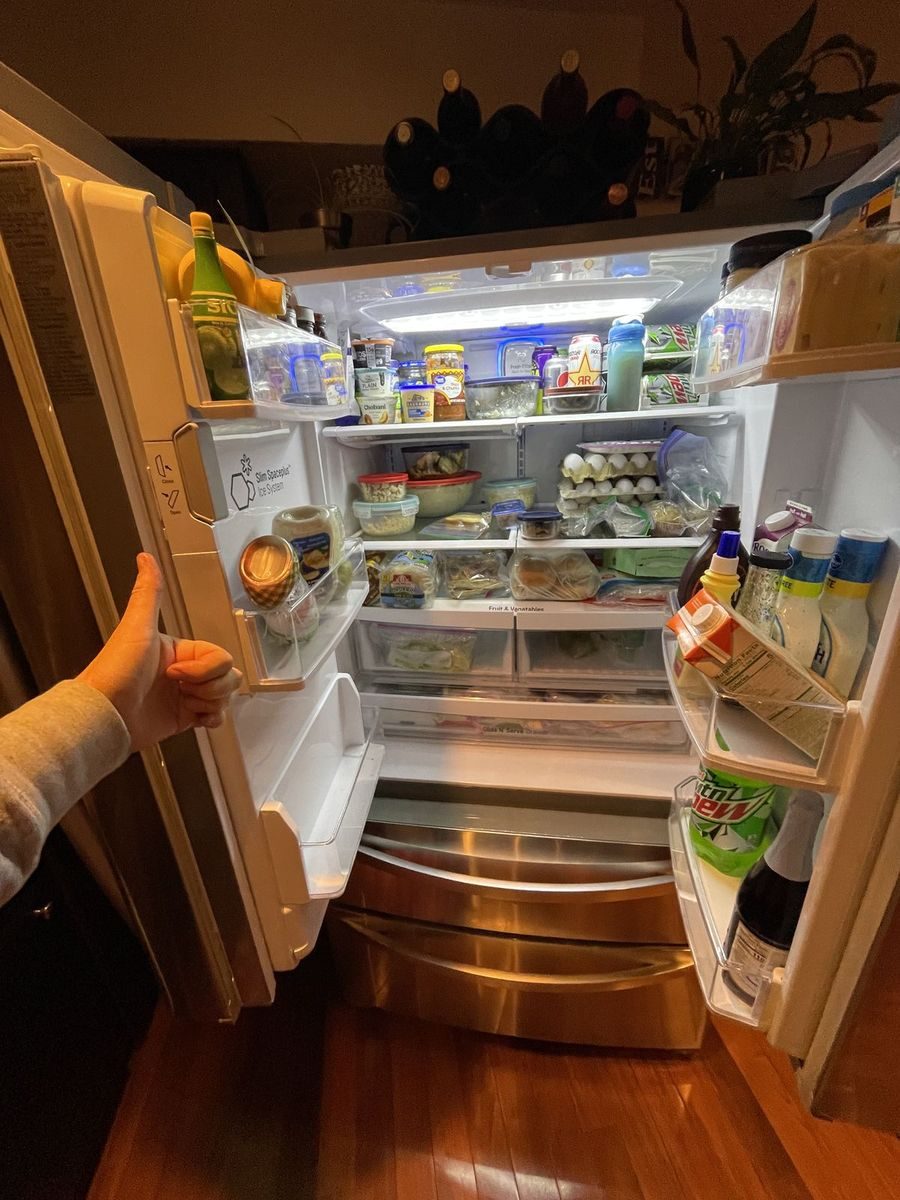
Tab 12 of 12
After a windstorm outage the fill tube often freezes solid and the ice maker goes quiet, so we follow the water up from the inlet valve.
See the service pageDowntown sits on the waterfront by the boat terminal, with apartments, condos and older houses packed close together. Stacked laundry in narrow closets, wall-mounted ductless heads and electric baseboard are everyday sights. We measure dryer exhaust airflow, test heating elements and thermal fuses, and flush mini-split drain lines before they back up and drip down an interior wall.
Across the Manette Bridge, Manette has many early and mid-century houses, some within view of the Narrows. Retrofit heat pumps here often share a crawlspace with aging duct runs, and salt air off the water pits outdoor coils. We take static pressure readings, inspect duct joints at the equipment, and clean contactor and capacitor terminals before they quit on a cold night.
Charleston lies near the water on the west side, where older homes often change hands. A furnace that sat unused through a vacancy may wake up with a fouled flame sensor or a sticky inducer. Between tenants, a tune-up catches a swollen capacitor or a clogged filter before the next family unpacks.
Union Hill calls cover nearly every kind of equipment found in the city: electric furnaces with heat strips, gas furnaces, central air and ductless heads added after 2021. Whatever the system, we confirm supply voltage at the unit, read capacitor microfarads and look at contactor contacts first, and only then move on to airflow and refrigerant charge.
Where tall firs or maples shade a yard in Evergreen, needles and leaves drop into outdoor units through the wet months, and moss creeps over cabinet bases. A matted coil raises head pressure in summer and slows defrost in winter. We clear the coil and drain openings, test the outdoor fan motor, and make sure the unit still sits level on its pad.
In Haddon, kitchen and laundry calls run alongside heating work. A refrigerator that stays cold in the freezer but warm below usually points to the evaporator fan, a defrost heater or the bimetal defrost thermostat, and a front-load washer that smells or leaks often needs a new door boot. Common parts travel on the truck, and ordered ones are quoted up front.
Yes. Manette and the rest of East Bremerton sit squarely on our routes, whether the truck comes over the Manette Bridge or the Warren Avenue Bridge on SR 303. The office tries to bunch east-side visits together so nobody crosses the Narrows over and over in one day. Once you've booked a day and window, expect a phone call from the office confirming it.
Not quickly. City water comes from wells measured at 56–98 mg/L and from Union River surface water near 32 mg/L, which places it between soft and moderately hard. Scale still builds over years on heating elements, inlet screens and the ice maker's water valve. If washing slows, glasses cloud or the machine stops mid-cycle with a heating error, our technicians check those parts first.
Often the move itself. If the transit bolts are still installed in the back panel, that alone explains the banging. Without them in transit, a washer can arrive with stretched suspension springs, worn dampers or a shifted tub, and floors in older rentals may not be level. We check the leveling feet, suspension and drum bearing, and you'll have the repair price on paper before anything comes apart.
Light frost is normal here, and the unit should clear it with a defrost cycle that often sends up a puff of steam. A thick sheet of ice lingering for hours is different. That usually points to a defrost board, a coil sensor, a low charge or a fan problem. Rake leaves and needles away from the cabinet, never chip at the coil, and book a visit if the AUX light stays on all day.
Just the diagnostic fee, which you hear about before the visit lands on the calendar. Agree to the fix, and the fee vanishes into the repair figure instead of piling on top. In both cases the repair figure comes on paper before work, and no part gets swapped without your yes. Written warranty terms ride along on the Bremerton invoice.
Talk to a person
Bremerton bookings take two choices online, a date and then an arrival window, or one phone call to the office, staffed 8 AM–7 PM daily. Expect a confirming call, and another from your technician once the van is rolling your way.
Schedule online
Tell us what needs attention, the day that works and the window you prefer. A scheduler calls to make it firm, and the technician rings again before pulling up.
Washington Labor & Industries keeps these records public. Each number can be searched on L&I Verify; scope details sit on a separate page.
Scope of each license