Tab 1 of 12
Dishwasher repair
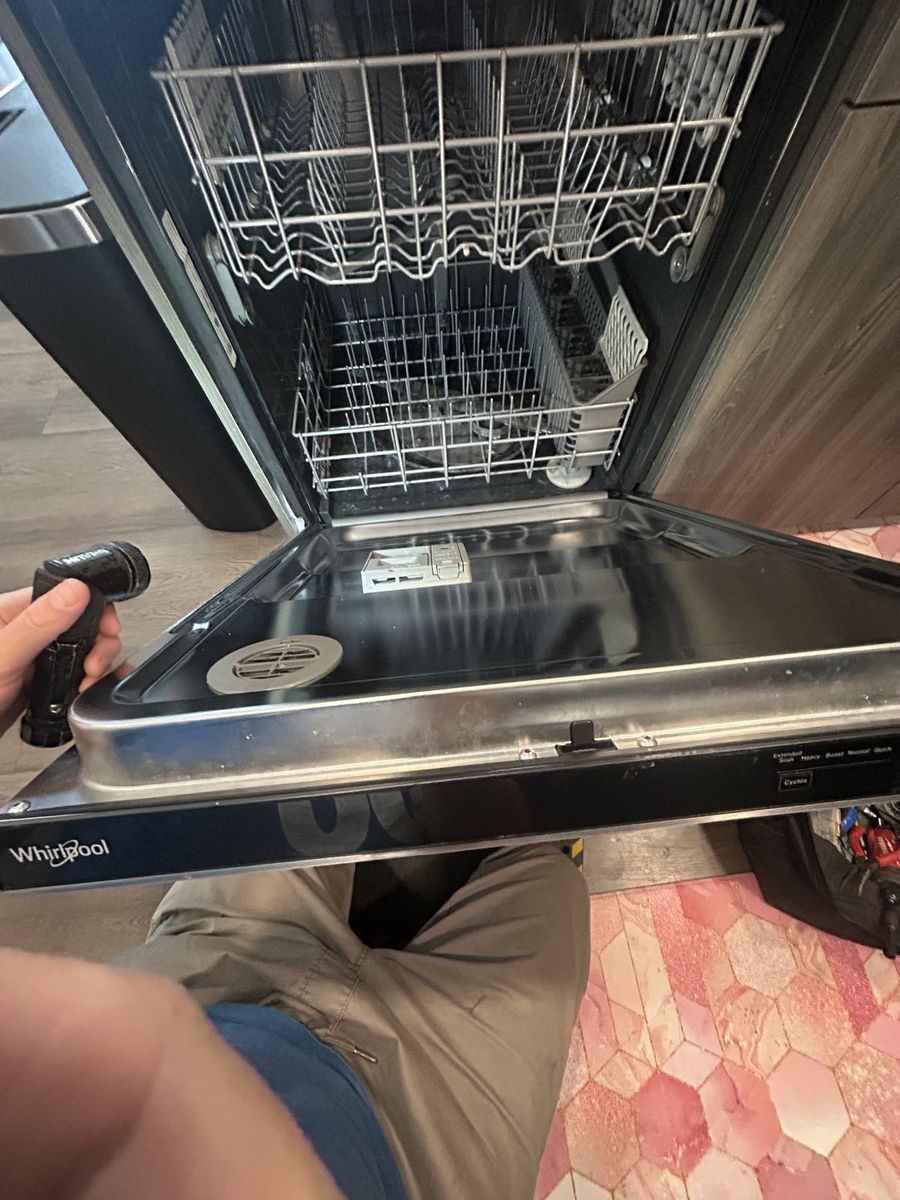
Well water leaves minerals on the spray arms and the inlet screen, two early stops when dishes come out dull or the tub fills slowly.
See the service pageDishwasher repair · Kitsap and Gig Harbor
Every dishwasher cycle is a relay race: latch, fill, wash, drain, heat, dry. When one runner drops the baton, the symptom tells our technicians which leg to examine. They meter the pump, inlet valve, float switch, heater and board, then hand over a written price and wait for your answer.
Straight to it
A puddle left in the tub usually traces to a gunked-up filter, a kinked drain hose or clogged air gap, or a pump that gave up draining. Silence where the fill should be points to the inlet valve, its pinhead-sized screen, or a float switch stuck high. Cool, wet dishes implicate the heater, its high-limit or the board, and a latch that won't catch halts everything. We meter first and quote before any repair.
Because every stage waits for a green light from the one before. Filling won't begin until the door switch tells the control the latch has closed. The inlet valve then opens for a timed interval or until a float switch or pressure sensor reports the right level. A circulation pump drives that water up through the spray arms, a separate drain pump clears the sump between washes and rinses, and on the final rinse a heating element or an inline heater lifts the temperature for sanitizing and drying. Should any signal fail to show up, the machine stalls, beeps, or posts a code.
Water quality sits behind a surprising number of symptoms. The inlet valve hides a mesh screen not much bigger than a fingernail, and when sediment clogs it the tub underfills and wash results slide. Minerals crust onto the heater and narrow the spray arm jets. And the cylindrical filter in the tub floor, which plenty of owners never realized twists out, gathers food and grit until the drain pump strains or the wash water recirculates dirty.
Dishwashers belong to 07D, the appliance repair specialty Washington attaches to our license. Our job covers the machine itself, from its inlet valve to its drain pump and hose connection. Shutoff valves, supply lines inside the cabinet, the sink drain and the disposer belong to a plumber, and we'll say so when a problem starts there.
Our technician begins by letting the dishwasher talk. Many models carry a test routine that steps through fill, wash, drain and heat one at a time, plus a stored code list that narrows the field. Off comes the toe kick to expose valve, pump and wiring, the base pan gets checked for water, and each part tied to the failed stage gets metered. The filter assembly comes out on every visit, since a packed filter mimics a failed pump surprisingly often.
With the fault confirmed, the repair price is written out, and nothing moves forward until you approve. The office quotes our diagnostic fee during booking. Proceed and that sum is credited against the repair; stop there and it covers the diagnosis by itself. Door switches, inlet valves and drain pumps often travel with the technician, while boards and model-specific heaters may be ordered and are priced before that order goes in. The invoice states our warranty in writing.
Each tab holds a photo from our service calls and a note on what we check first. Pick any tab; left alone, they turn every few seconds.
Tab 1 of 12
Well water leaves minerals on the spray arms and the inlet screen, two early stops when dishes come out dull or the tub fills slowly.
See the service page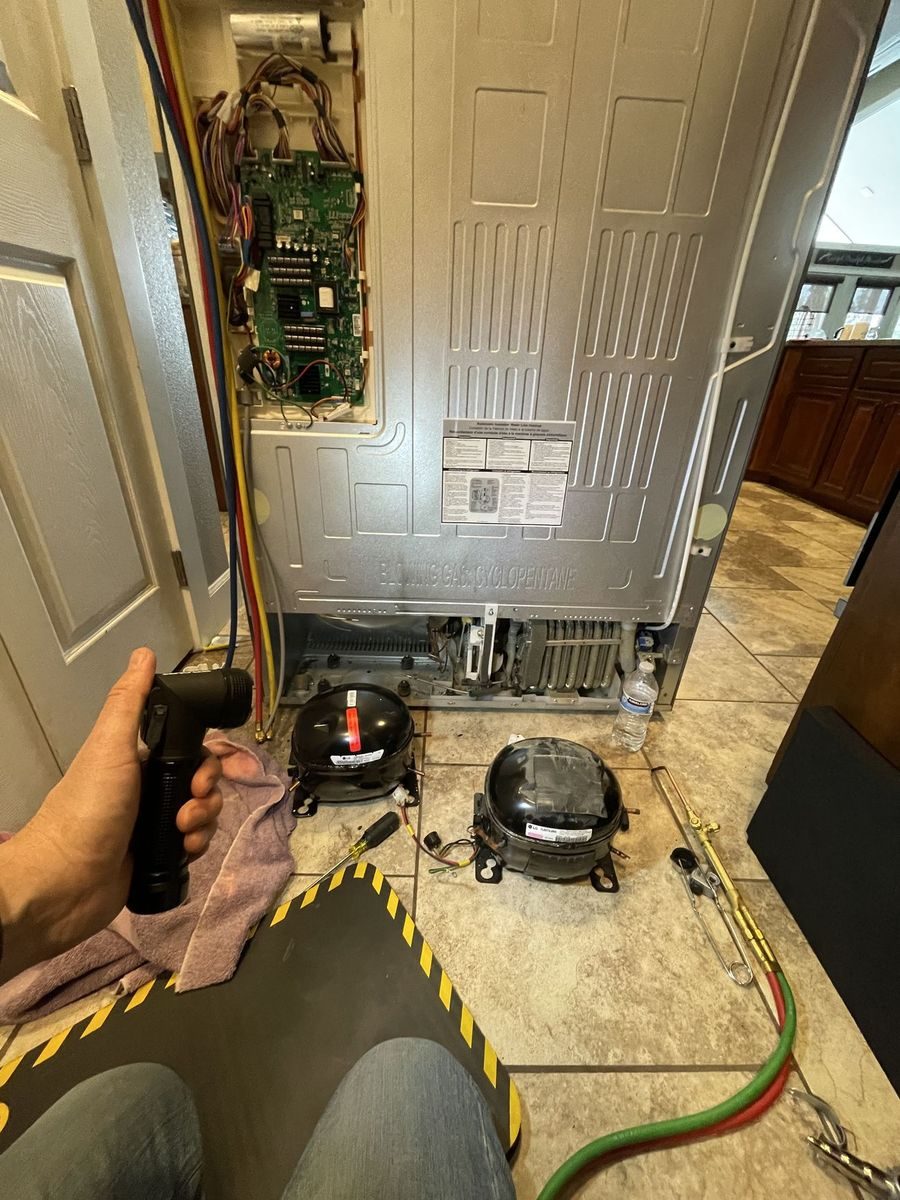
Tab 2 of 12
Sealed-system work, from leak search to recharge, happens right in the kitchen under EPA 608 Universal credentials, so the fridge stays where it stands.
See the service page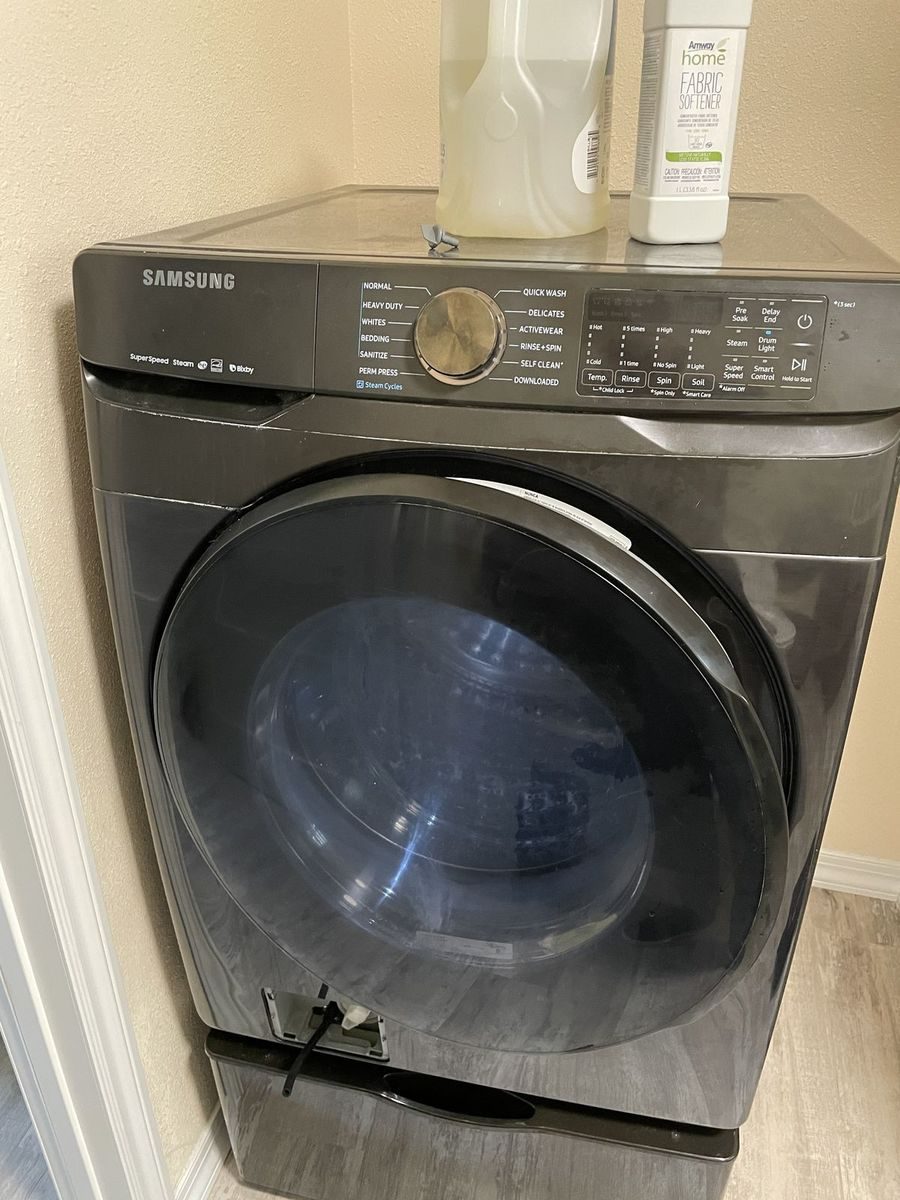
Tab 3 of 12
Damp Kitsap laundry rooms are hard on door boots, so mildew, torn folds and a clogged pump filter are the first things we look at on a front-loader.
See the service page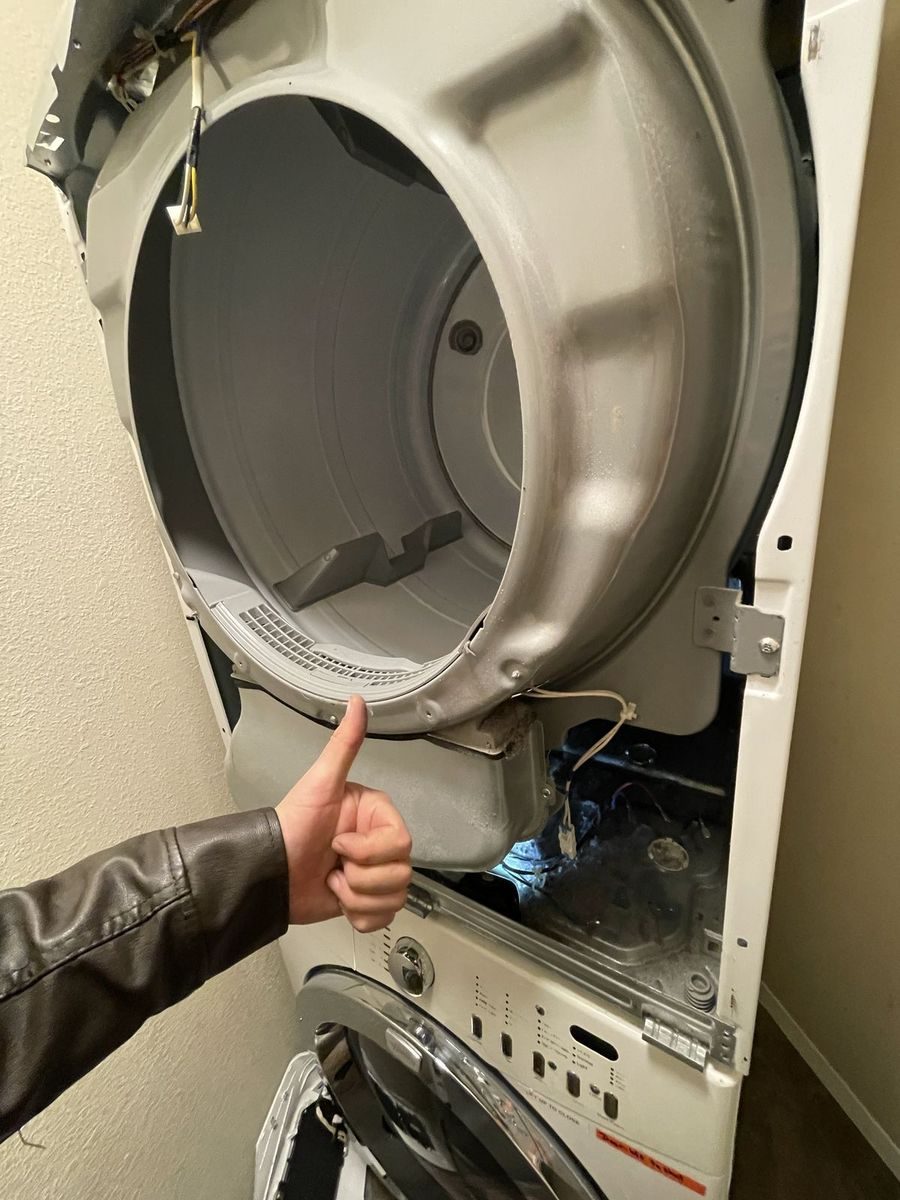
Tab 4 of 12
Long vent runs through damp walls fill with lint quickly, so the vent gets tested along with the heating side: element or burner, thermal fuse and thermostats.
See the service page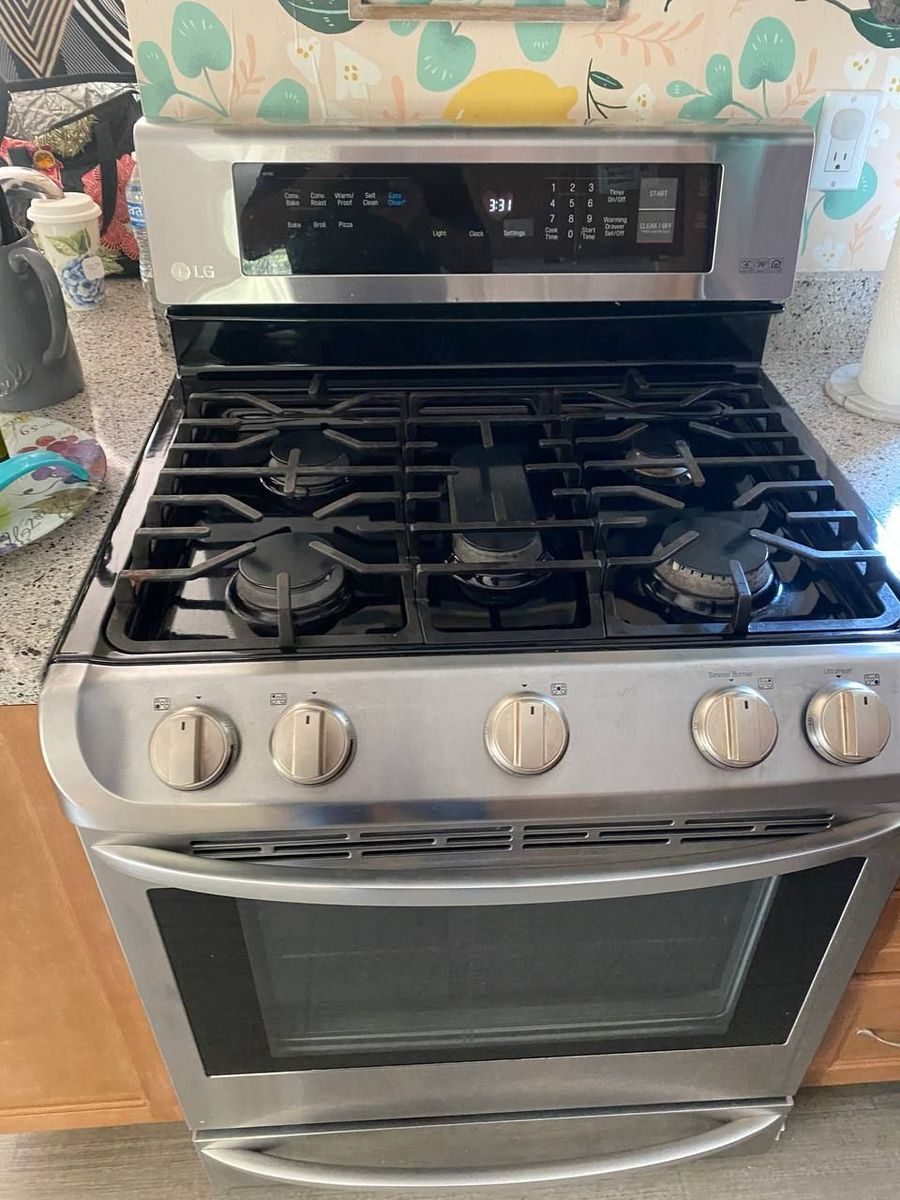
Tab 5 of 12
Natural gas and propane ranges both get igniter, valve and flame checks. The tank and its lines stay with your propane supplier.
See the service page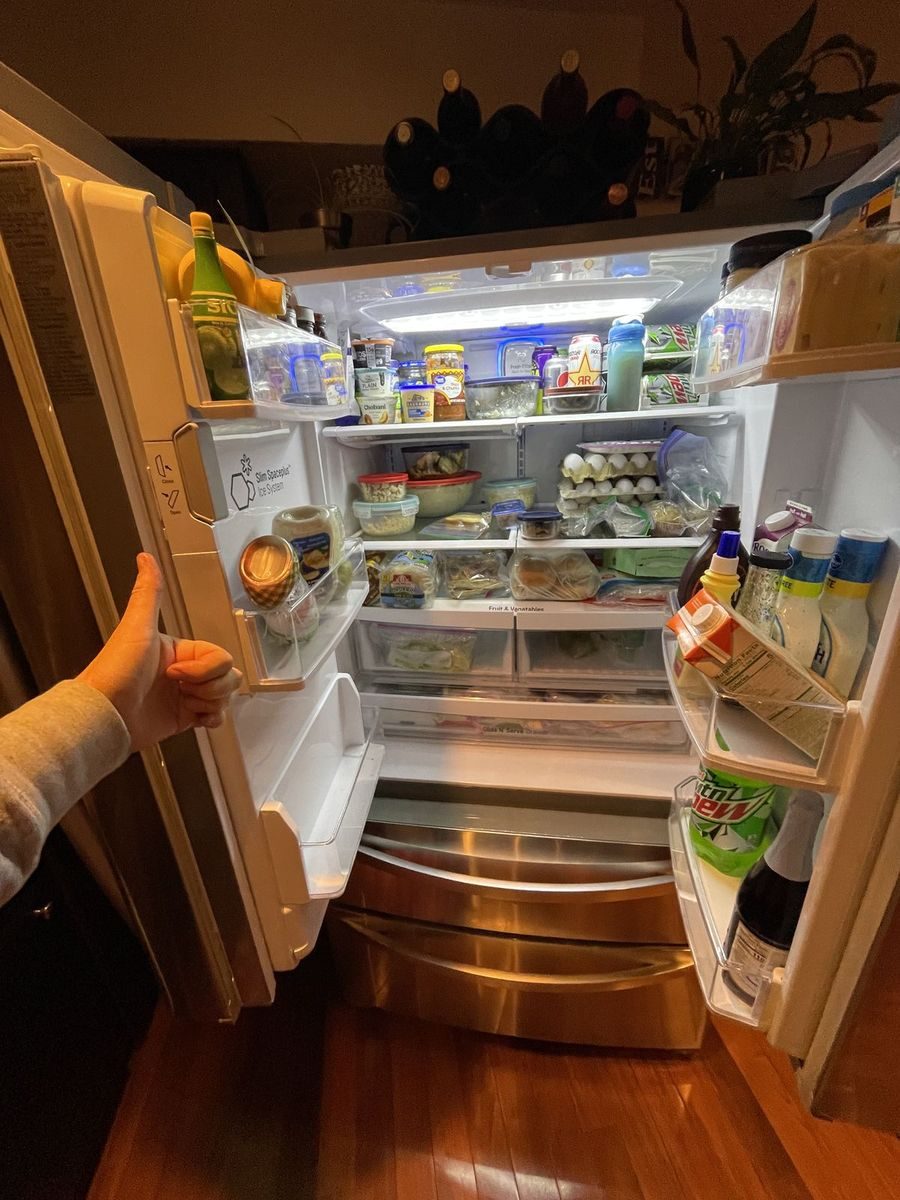
Tab 6 of 12
After a windstorm outage the fill tube often freezes solid and the ice maker goes quiet, so we follow the water up from the inlet valve.
See the service page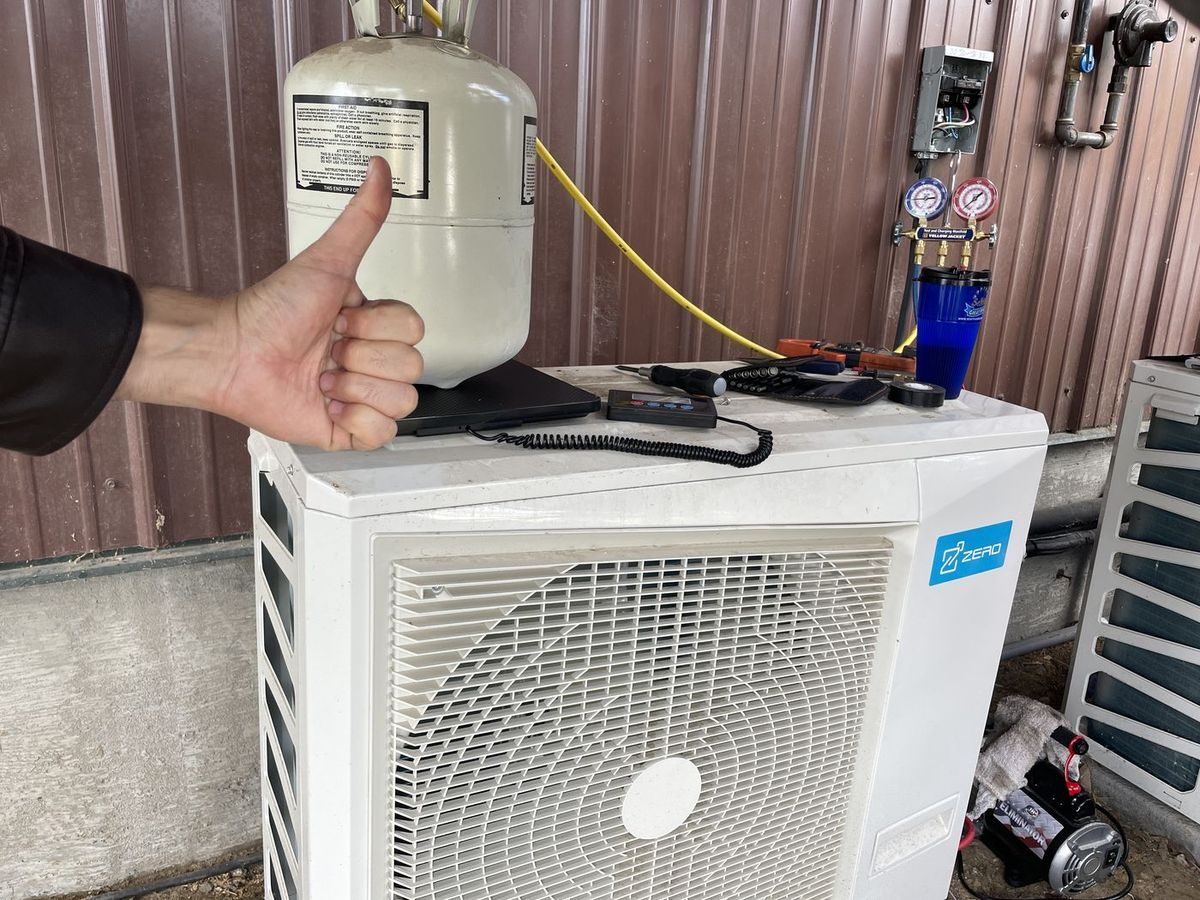
Tab 7 of 12
Through the gray months we watch the defrost cycle closely, because a coil that never clears is the classic Kitsap winter call. Capacitors and the reversing valve come next.
See the service page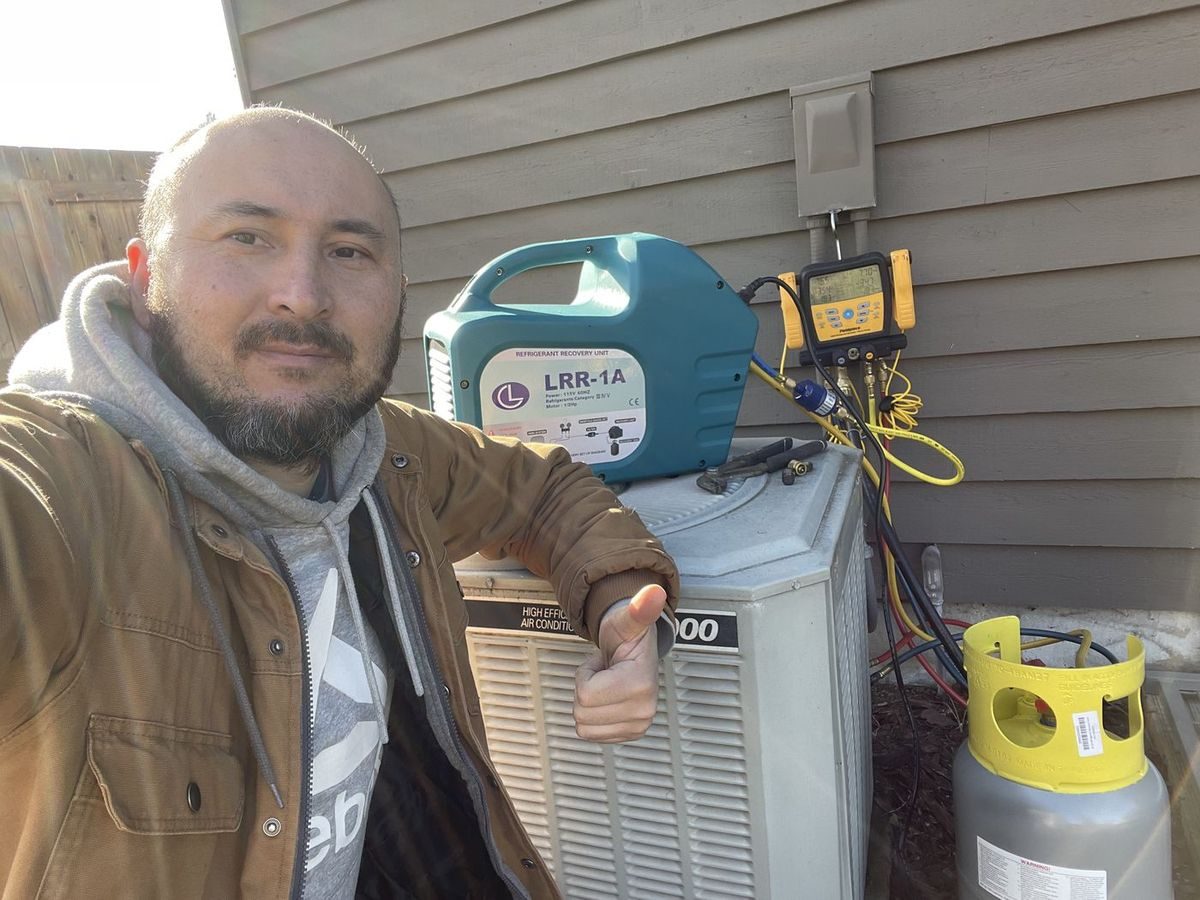
Tab 8 of 12
More Kitsap homes have cooling since the 2021 heat dome. When a system falls behind on a hot afternoon, we start with airflow, the capacitor and the refrigerant charge.
See the service page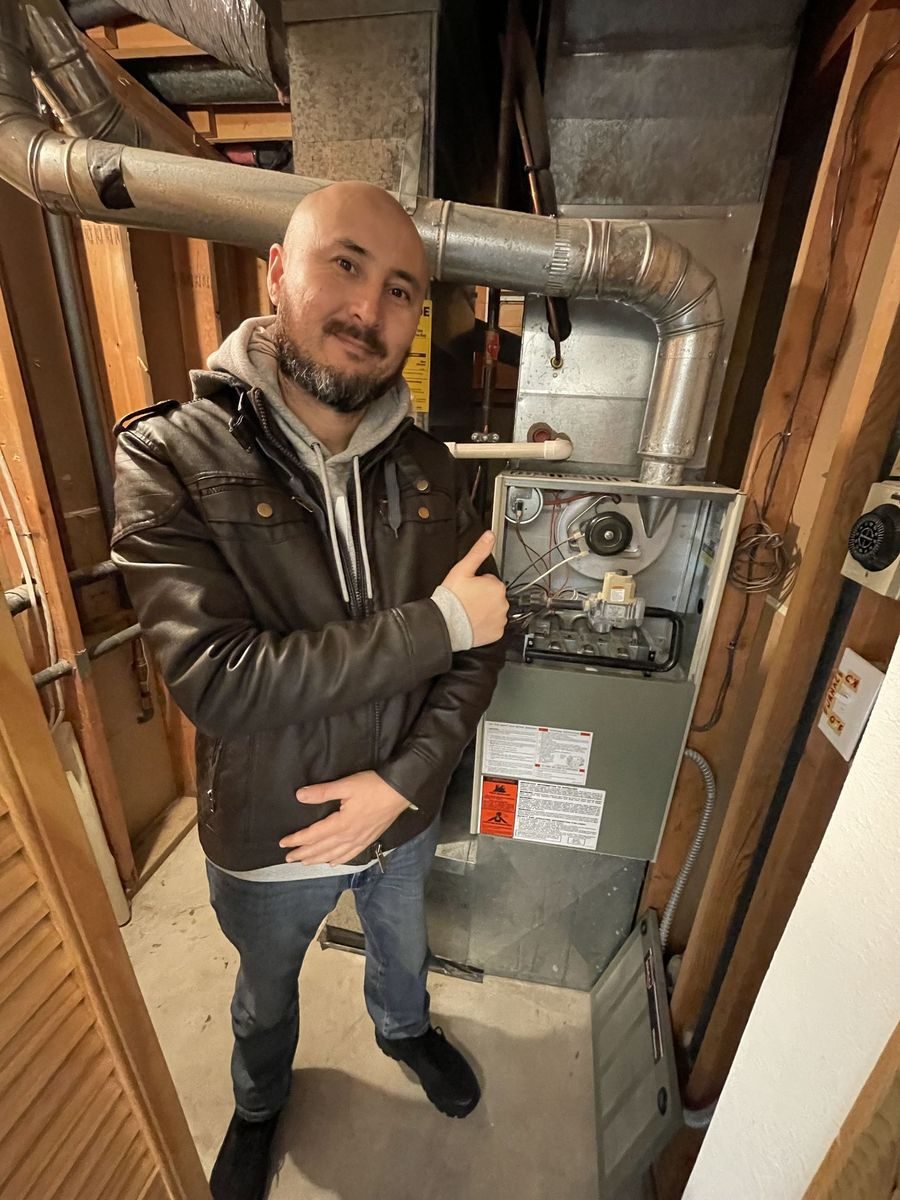
Tab 9 of 12
Many older Bremerton and Manette houses keep the furnace in a closet or under the floor. Filter, inducer, flame sensor and limit switch all get checked in that tight space.
See the service page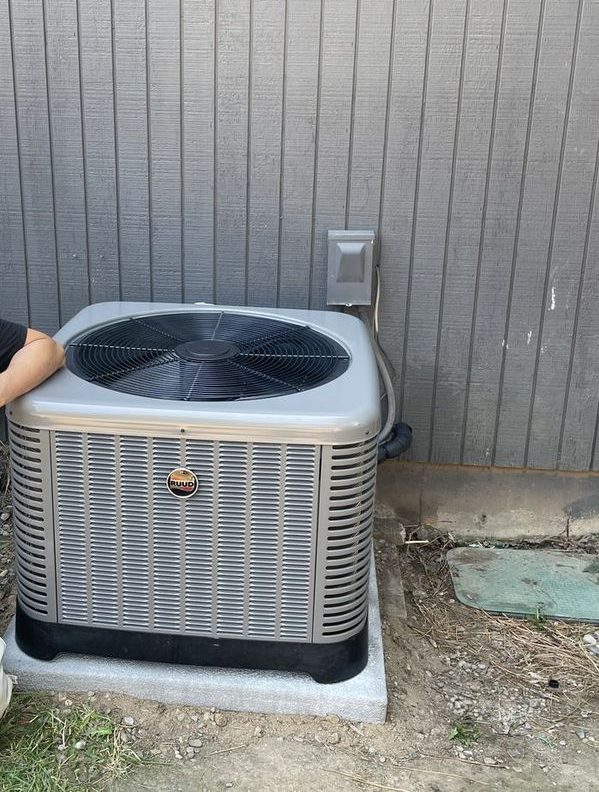
Tab 10 of 12
Placement matters on the peninsula: a raised pad clear of wet ground, back from salt spray where the lot allows, and out from under the needle drop.
See the service page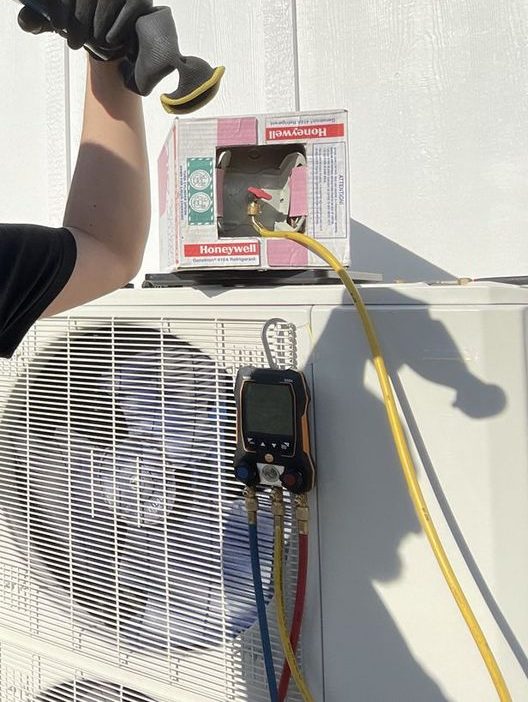
Tab 11 of 12
Mini-splits fit older homes with no room for ducts. Their line sets need sound insulation where they cross a damp crawlspace, and the outdoor unit needs a clear drain path.
See the service page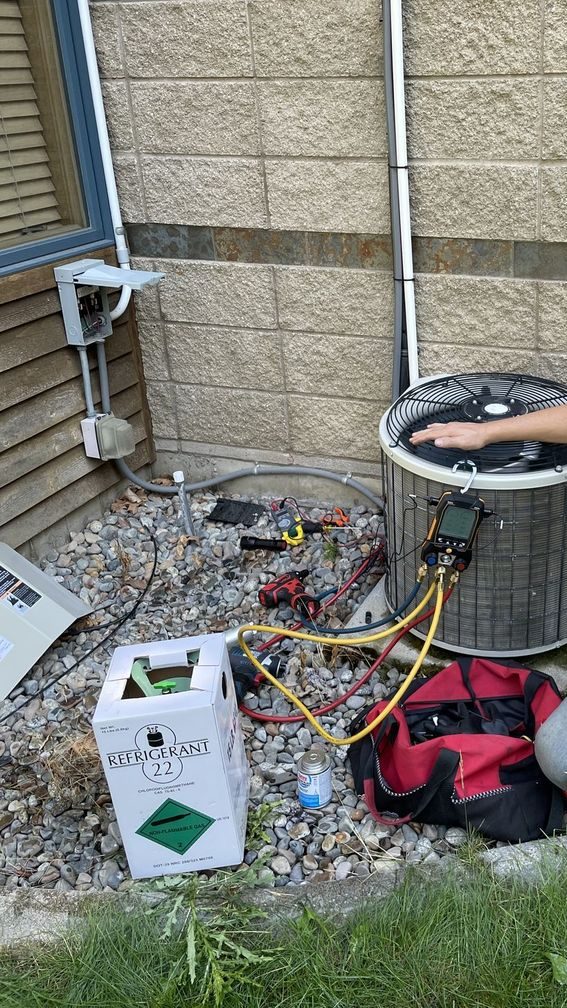
Tab 12 of 12
A seasonal visit near the water means a coil rinse, a look at the fasteners for salt rust and a base pan that drains. Those three buy waterfront equipment years.
See the service pageStart with the tap. Bremerton feeds the city from two kinds of sources: surface water out of the Union River watershed, stored behind Casad Dam, at roughly 32 mg/L hardness, and wells that run from 56 to 98 mg/L. That is soft to moderately hard, so thick scale is uncommon, but softer water stretches detergent and rinse aid further than the label assumes, and an overdose of either leaves film and foam. Households in Silverdale, Poulsbo and Gig Harbor mostly drink groundwater from small local water systems or the city, and hardness varies with the district and the well, so a cheap test strip says more about your spotting than any general rule.
Private wells shift the picture most. On Fox Island many homes pump their own water or share a small community system, and so do plenty of rural lots around Poulsbo and Gig Harbor. Sediment and iron reach the dishwasher's inlet screen sooner there, bringing slow fills, shallow wash levels and orange or tan staining inside the tub. A dishwasher that behaved for months can start underfilling right after well work stirs up the bottom. For island calls we load inlet valves and screens before crossing Hale Passage, since the Fox Island Bridge is the only road on or off and a second trip costs you another wait.
Usually yes, provided the tub is sound. Pumps, inlet valves, latches, float switches, heaters and gaskets are contained repairs, and a stainless tub in good shape will outlast several rounds of them. The balance tips toward replacement once the tub itself splits or rusts through, once a discontinued board leaves no part to buy, or when water has sat in the base pan long enough to soften the cabinet floor. Bosch, KitchenAid and Thermador units in finished kitchens often wear custom front panels, which pushes the choice back toward repair. Our technician writes the price, adds notes on the tub, racks and door springs, and leaves the call to you.
Start with the mesh cylinder in the tub floor; packed with food and grit, it slows drainage to a crawl, and a rinse often solves it. If it's clean, look for a kinked drain hose, a blocked air gap, or a pump that quit. Our technician works through that list, metering the pump along the way. If the clog sits in the sink drain or disposer, a plumber is the right call.
Sediment and iron settle on the inlet valve screen, so fills slow and wash levels drop, and iron can tint the tub and racks orange or tan. Cleaning or replacing the screen restores the fill, and a valve whose seat grit has scored may need replacing. Mention the well when booking, so the technician brings a matching valve across the bridge on the first trip.
Not especially. City numbers put hardness near 32 mg/L for the surface supply and 56 to 98 mg/L for the wells, soft to moderately hard, so scale builds slowly. The more frequent trouble is too much detergent or rinse aid in soft water, which leaves film and foam. Cloudy glasses? Cut the dose before assuming something broke.
Usually the final rinse never gets hot enough. A failed heating element, thermistor or thermal fuse leaves the water lukewarm, and plastics dry poorly even when everything works. Running out of rinse aid compounds it. Our technician ohms the element and sensor and confirms the board is powering the heater. Running the kitchen faucet hot before a cycle helps too.
No. We repair the dishwasher you already own and replace parts inside it, and that work ends at the machine's own inlet valve and drain hose. Running new supply lines, moving shutoffs or reworking the sink drain are jobs for a plumber, and electrical changes at the wall fall outside our appliance scope too. When the dishwasher itself is at fault, we can usually fix it in place.
The diagnostic fee alone. Its amount comes from the office during booking, and it buys the troubleshooting plus a written repair figure. Proceed, and the fee is credited against the repair, so you never pay it twice. Stop there, and it is the whole charge, with the diagnosis yours to keep: the part that failed and the price of fixing it.
Talk to a person
Set the date and arrival window yourself through online booking, or phone us; lines are staffed 8 AM–7 PM daily. Our office then calls to confirm, and the technician rings ahead from the van.
Schedule online
Tell us what needs attention, the day that works and the window you prefer. A scheduler calls to make it firm, and the technician rings again before pulling up.
Washington Labor & Industries keeps these records public. Each number can be searched on L&I Verify; scope details sit on a separate page.
Scope of each license