Tab 1 of 12
Furnace repair
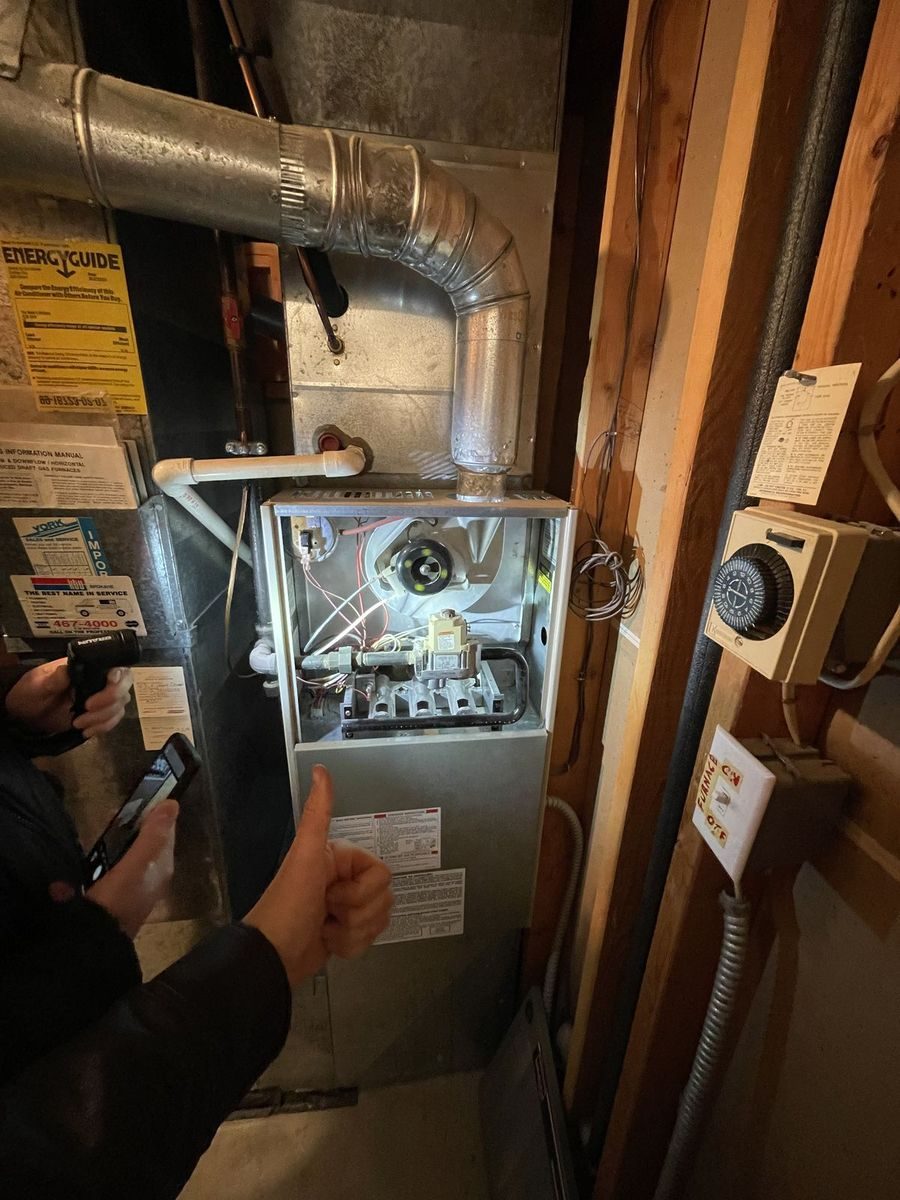
Many older Bremerton and Manette houses keep the furnace in a closet or under the floor. Filter, inducer, flame sensor and limit switch all get checked in that tight space.
See the service page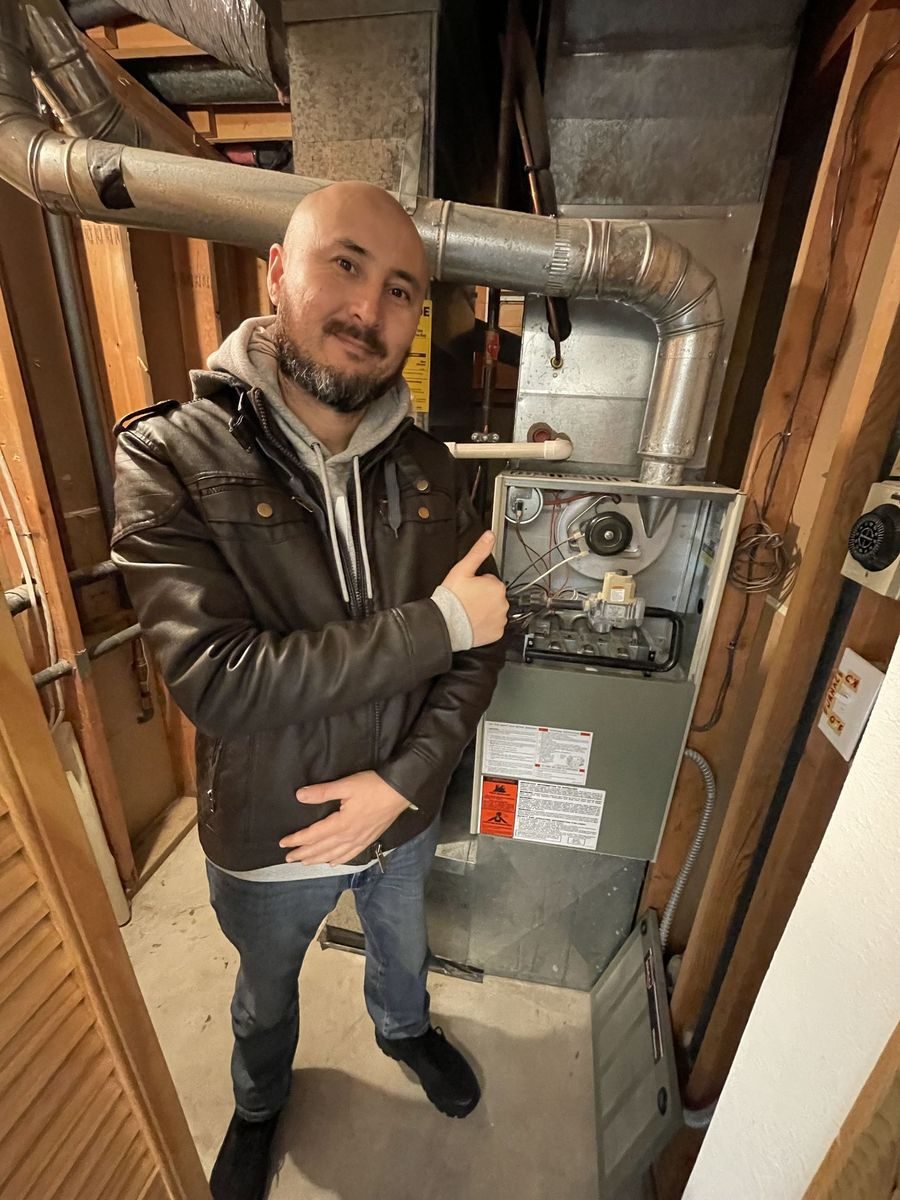
Furnace repair for gas, electric and propane homes
Kitsap houses run on a real mix of fuels: electric furnaces and heat-strip air handlers in many homes, gas furnaces wherever gas mains reach, and propane furnaces out on rural acreage. Our technicians repair all three, from a cracked igniter to a burned-open element, pricing each fix on paper first.
Straight to it
Most furnace breakdowns on the peninsula come down to a handful of parts. Gas and propane units usually stall on a fouled flame sensor, a cracked hot surface igniter, a tired inducer or stuck pressure switch, or an open limit. Electric furnaces and heat-strip air handlers lose elements, sequencers, relays and blower motors. We test, write down the price, and hold off until you agree.
Every common type except oil. Electric furnaces and air handlers fitted with heat strips are everywhere on the peninsula, often teamed with a heat pump outdoors. Natural gas furnaces warm houses on streets the gas mains reach, while propane models serve some rural homes on acreage past the ends of those mains. Each type fails in its own fashion, and each calls for a different set of meters.
Where the furnace lives matters just as much. Plenty of Kitsap furnaces are tucked into a crawlspace or an attached garage. Crawlspaces stay damp for most of the year, which rusts burner assemblies, greens up wire connections and leaves blower housings filmed with grime. Garage installs gather dust, lint and road grit, and cold garage air can make venting sweat. With heating seasons that stretch from October toward May, small weaknesses tend to show up early.
Larch's state electrical contractor license carries the 06A HVAC/Refrigeration specialty, and furnace repair of every fuel type we handle falls under it. Carrier, Bryant, Lennox, York, Goodman, Trane, Rheem and Ruud furnaces are the ones we meet most. Our work is the furnace itself. The propane tank, its regulator and the piping out to the house are the propane company's territory, and we do not run new gas line. If the house is cold and the furnace is not cooperating, schedule a visit.
On gas and propane furnaces, the technician walks the sequence of operation one step at a time: the thermostat asks, the inducer spins up, the pressure switch makes, the igniter heats to orange, gas flows, the sensor proves flame, the blower follows. Each step gets a number, including flame-sensor microamps, pressure switch inches of water column, manifold gas pressure and how many degrees the air gains crossing the heat exchanger, plus a look at the flue and vent connection. Electric furnaces shift the focus to amperage per element, sequencer timing, limits and the blower. Crawlspace units also get checked for rust, sagging duct connections at the cabinet and rodent damage to wiring.
Before a single part changes, you read the price on paper and choose. About cost: diagnosing the fault carries a fee, which our office spells out ahead of the visit. Approved repairs absorb it. Declined ones leave it as the single charge. Igniters, flame sensors, capacitors, limits and blower motors usually ride on the truck, while control boards and inducers that must be ordered are quoted beforehand. The invoice you receive carries the written warranty for the repair.
Each tab holds a photo from our service calls and a note on what we check first. Pick any tab; left alone, they turn every few seconds.
Tab 1 of 12
Many older Bremerton and Manette houses keep the furnace in a closet or under the floor. Filter, inducer, flame sensor and limit switch all get checked in that tight space.
See the service page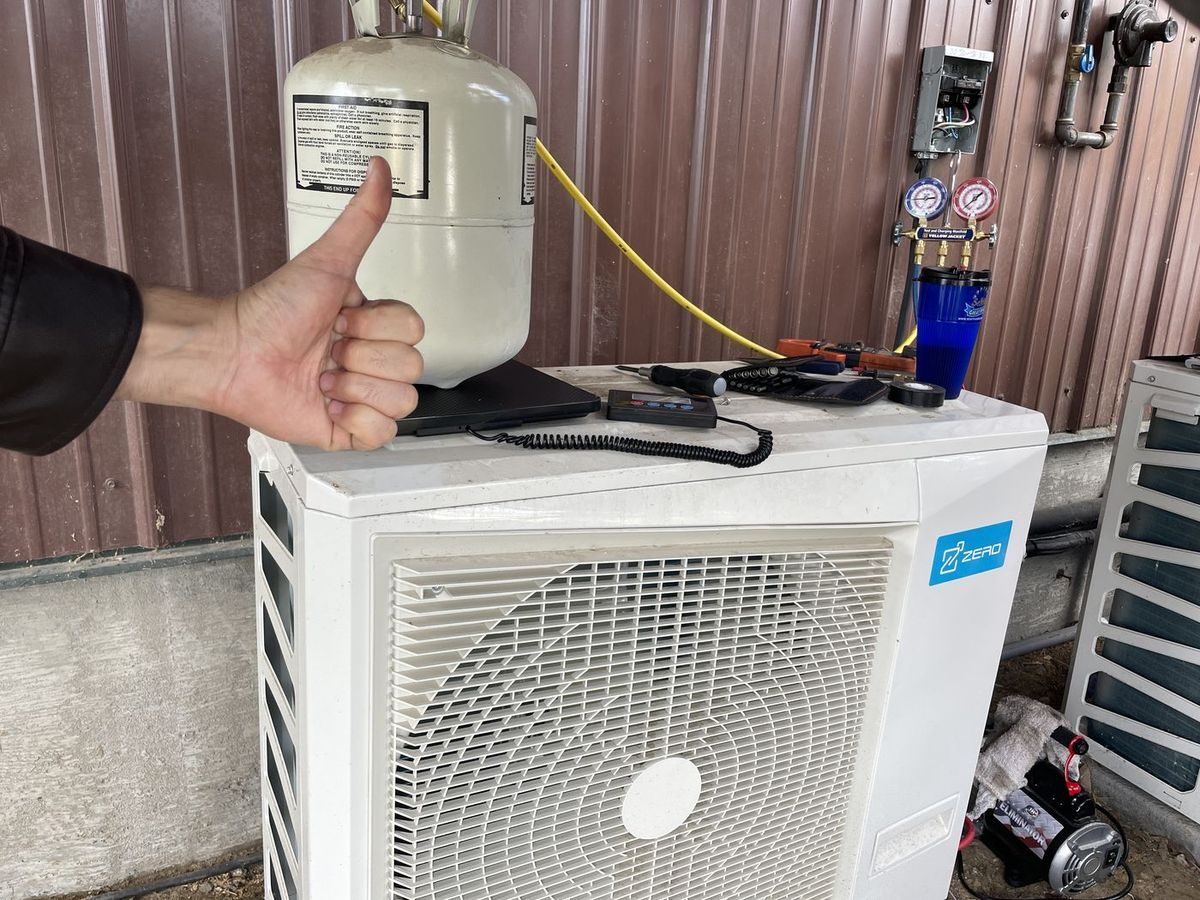
Tab 2 of 12
Through the gray months we watch the defrost cycle closely, because a coil that never clears is the classic Kitsap winter call. Capacitors and the reversing valve come next.
See the service page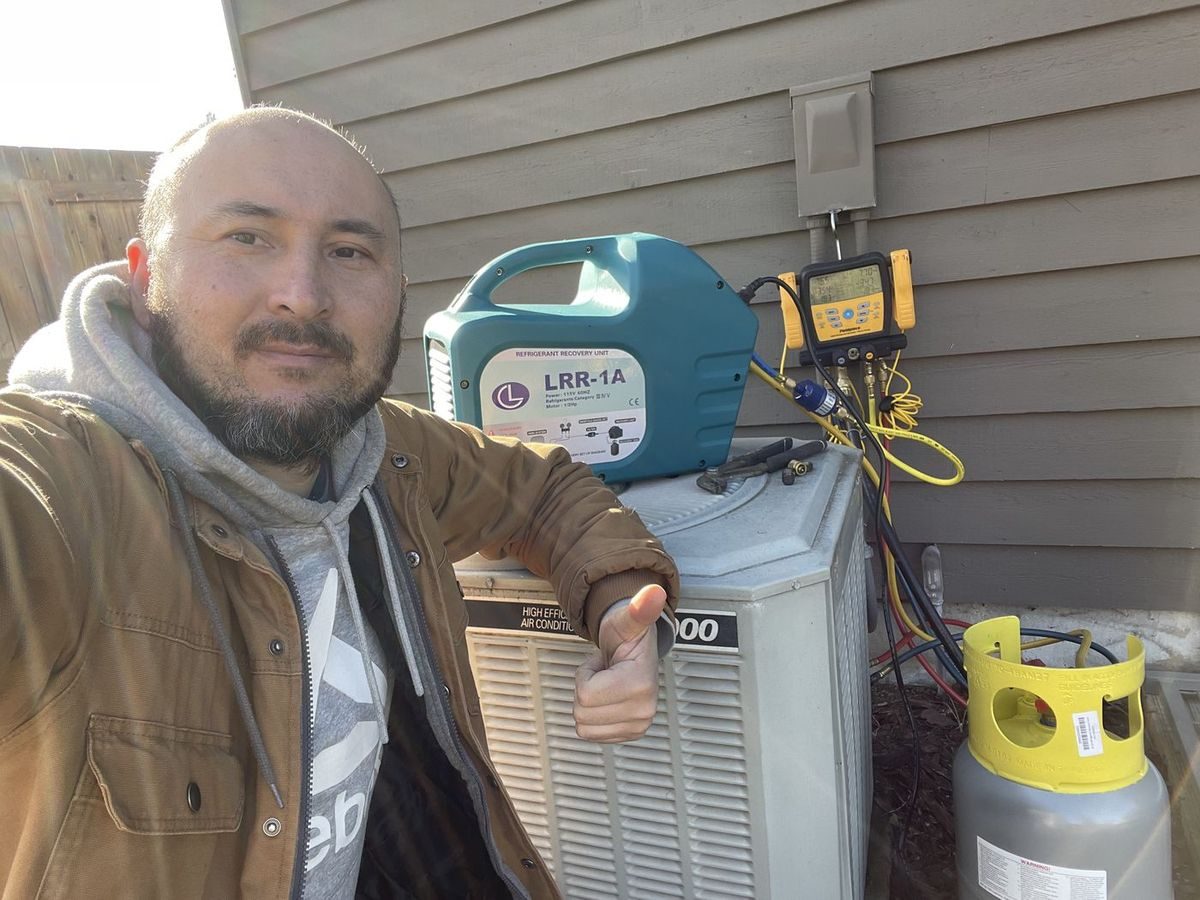
Tab 3 of 12
More Kitsap homes have cooling since the 2021 heat dome. When a system falls behind on a hot afternoon, we start with airflow, the capacitor and the refrigerant charge.
See the service page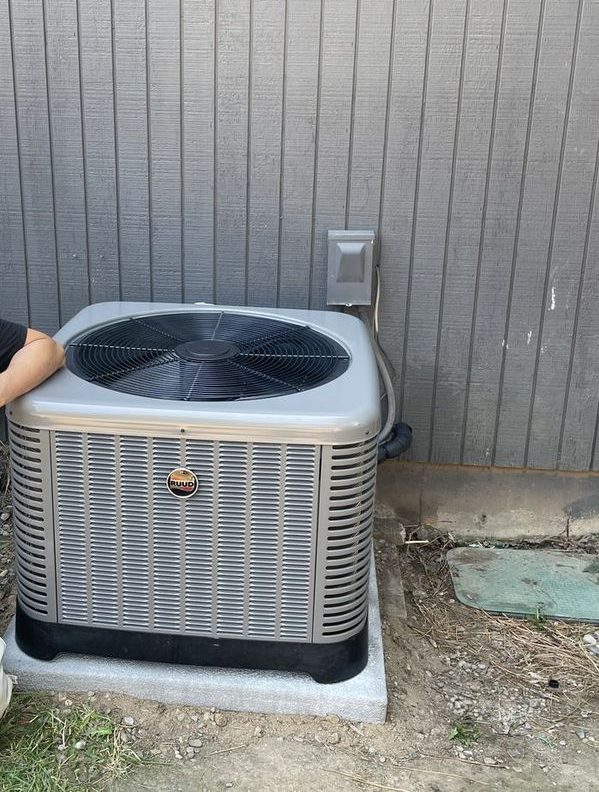
Tab 4 of 12
Placement matters on the peninsula: a raised pad clear of wet ground, back from salt spray where the lot allows, and out from under the needle drop.
See the service page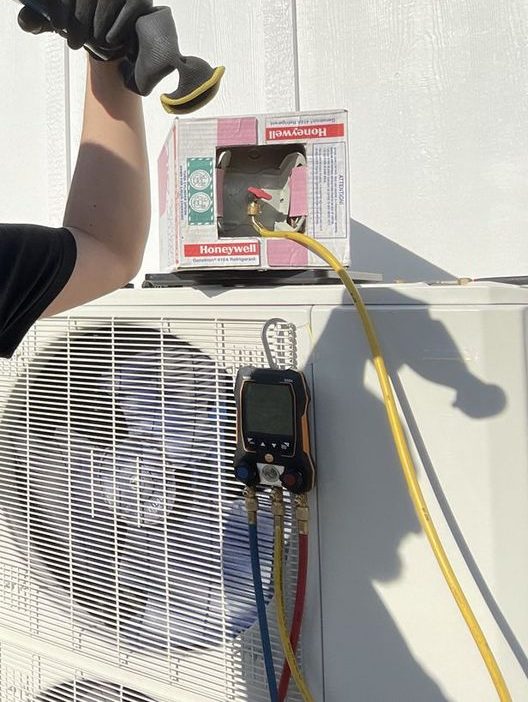
Tab 5 of 12
Mini-splits fit older homes with no room for ducts. Their line sets need sound insulation where they cross a damp crawlspace, and the outdoor unit needs a clear drain path.
See the service page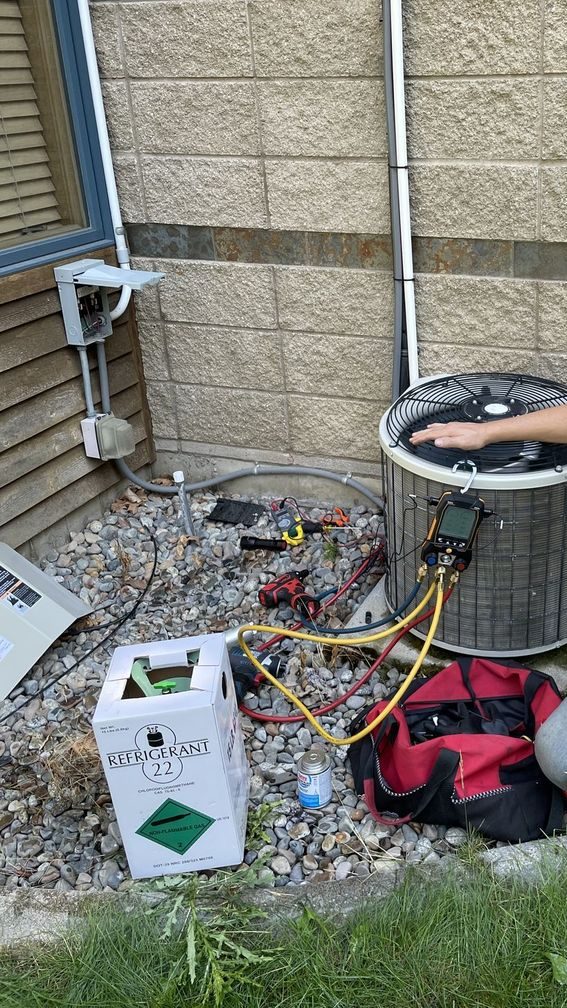
Tab 6 of 12
A seasonal visit near the water means a coil rinse, a look at the fasteners for salt rust and a base pan that drains. Those three buy waterfront equipment years.
See the service page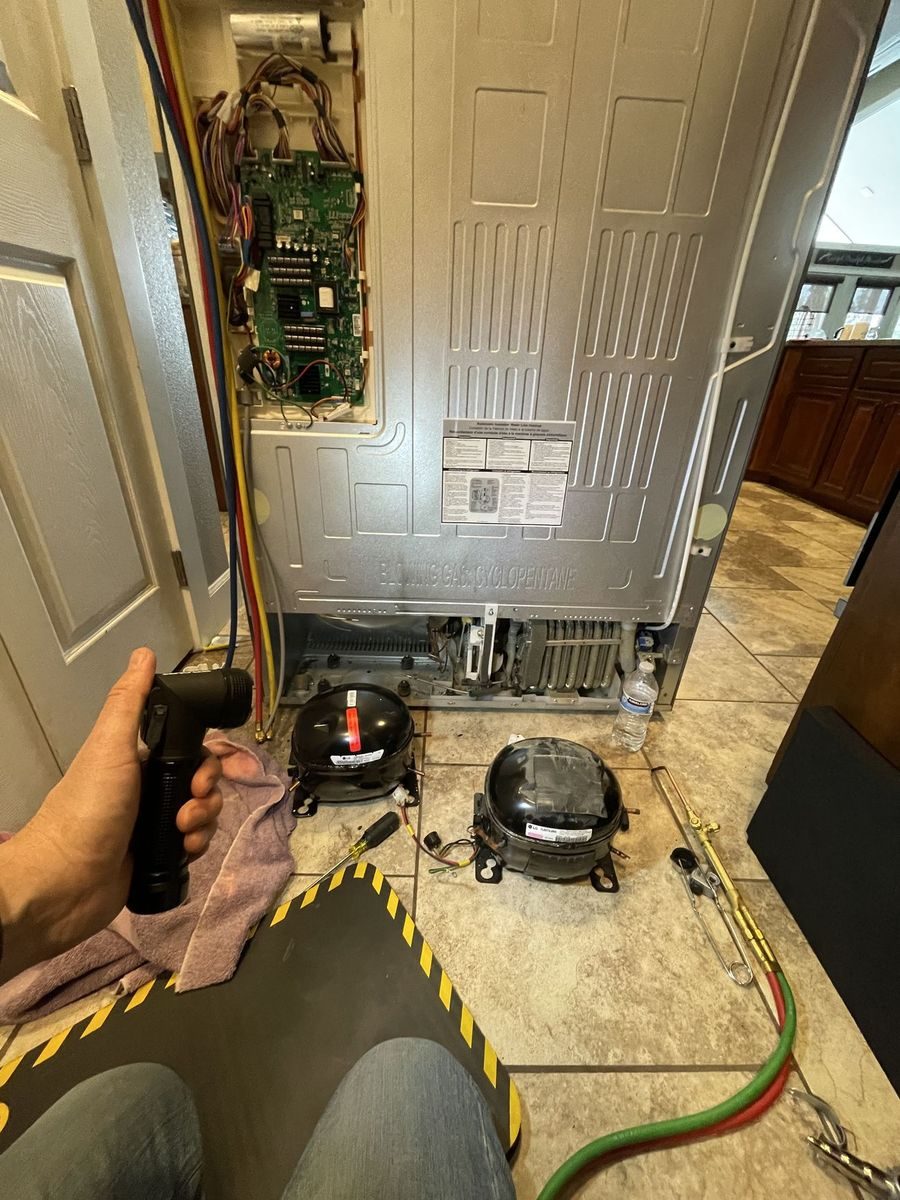
Tab 7 of 12
Sealed-system work, from leak search to recharge, happens right in the kitchen under EPA 608 Universal credentials, so the fridge stays where it stands.
See the service page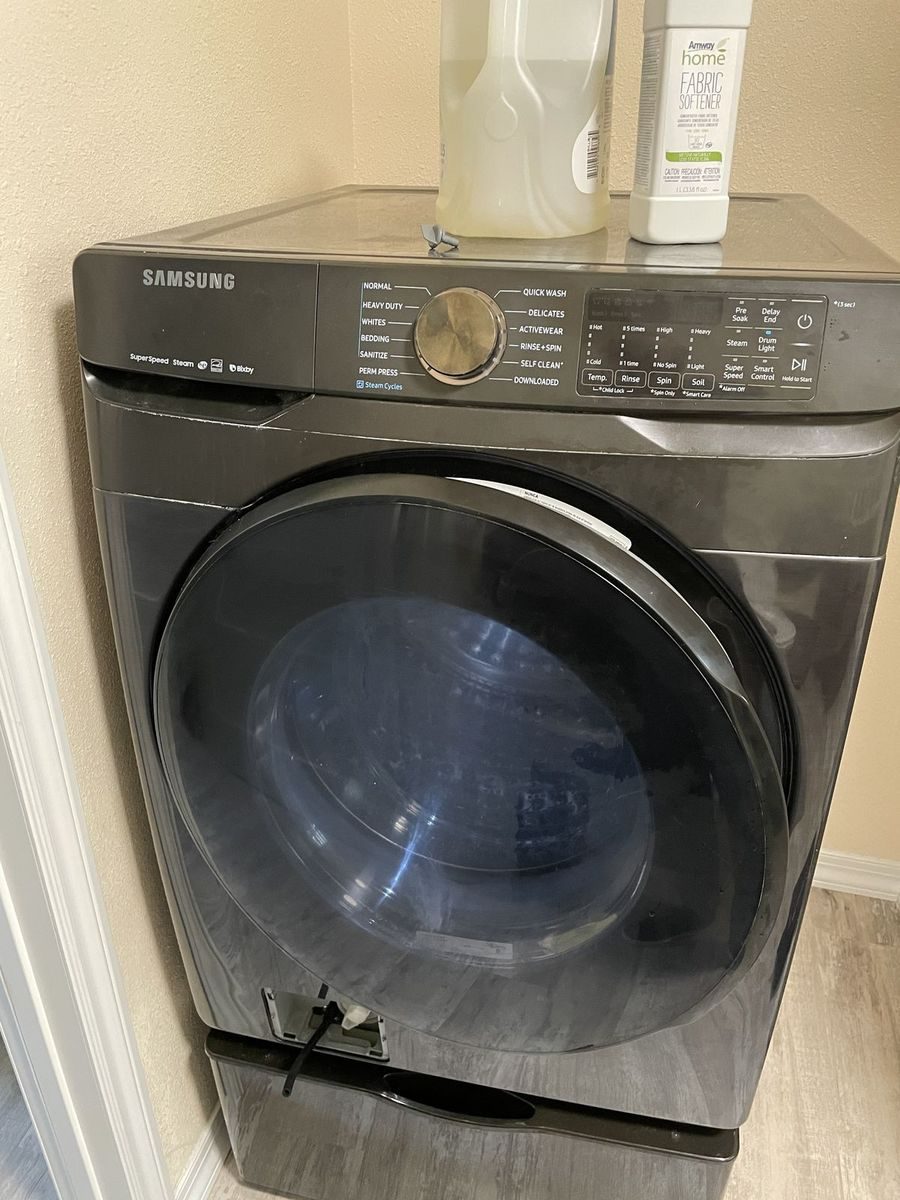
Tab 8 of 12
Damp Kitsap laundry rooms are hard on door boots, so mildew, torn folds and a clogged pump filter are the first things we look at on a front-loader.
See the service page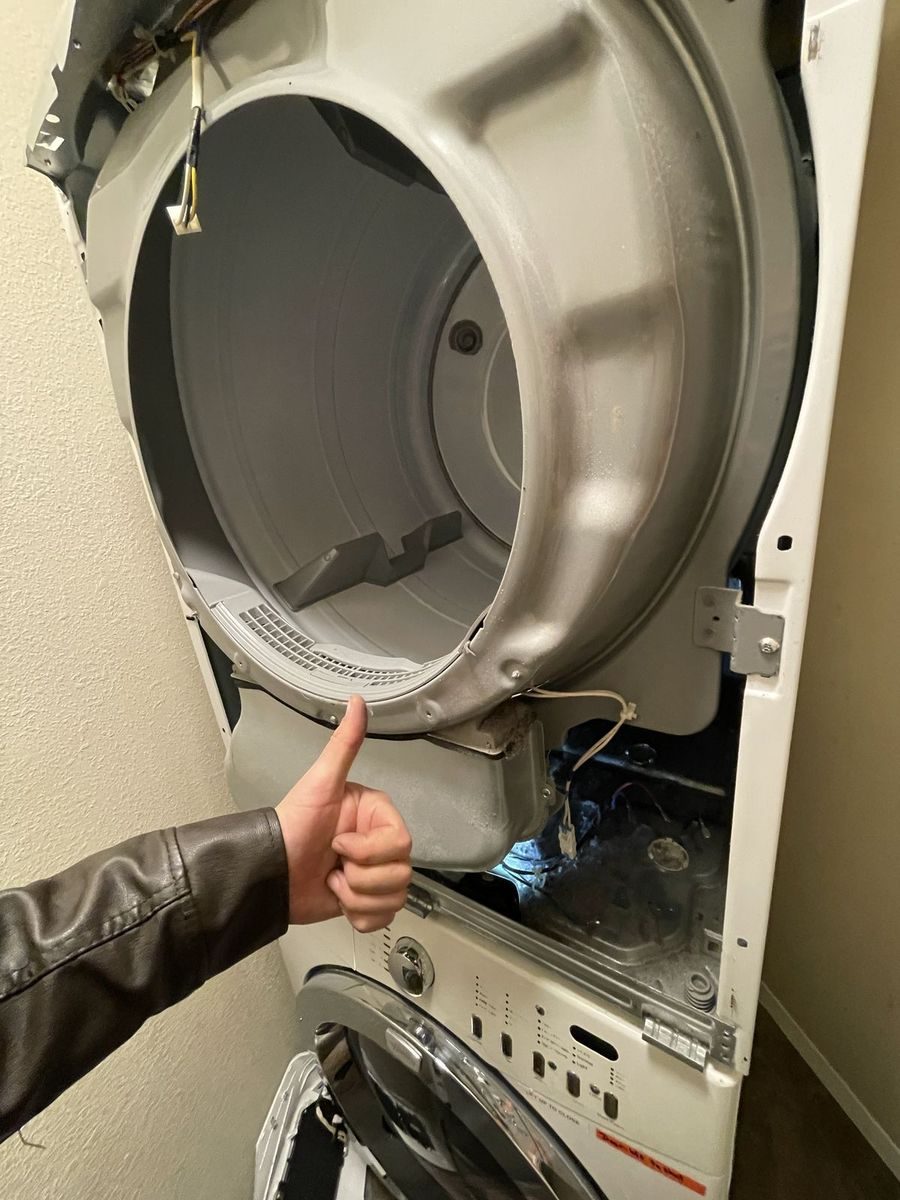
Tab 9 of 12
Long vent runs through damp walls fill with lint quickly, so the vent gets tested along with the heating side: element or burner, thermal fuse and thermostats.
See the service page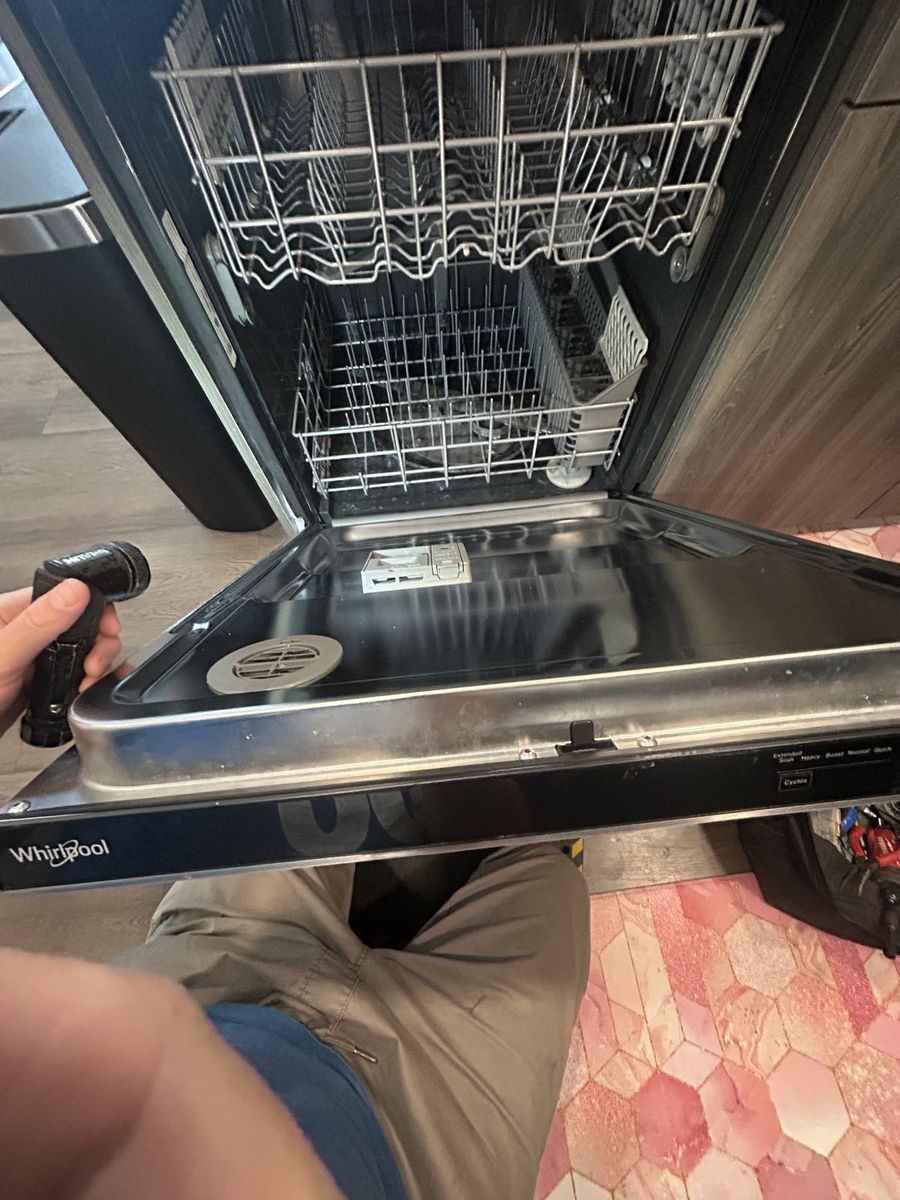
Tab 10 of 12
Well water leaves minerals on the spray arms and the inlet screen, two early stops when dishes come out dull or the tub fills slowly.
See the service page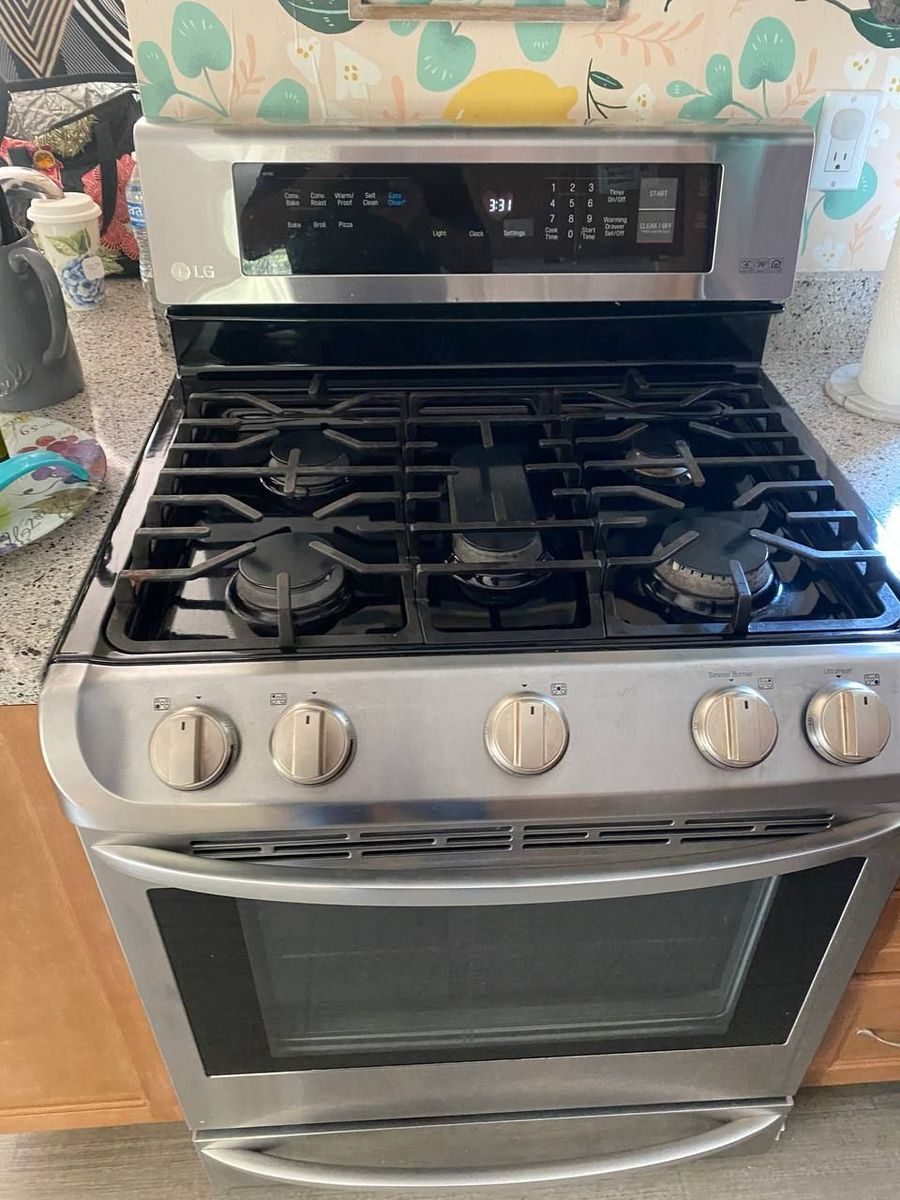
Tab 11 of 12
Natural gas and propane ranges both get igniter, valve and flame checks. The tank and its lines stay with your propane supplier.
See the service page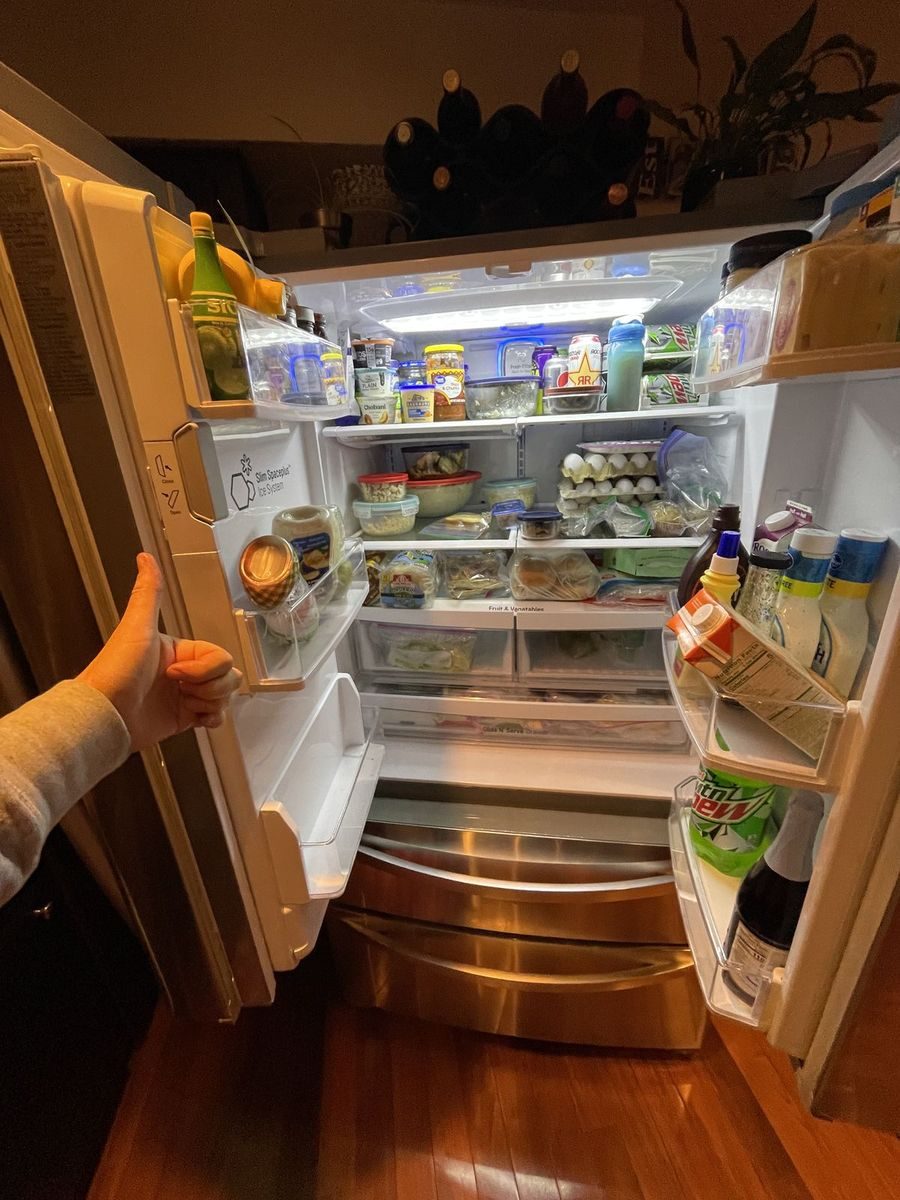
Tab 12 of 12
After a windstorm outage the fill tube often freezes solid and the ice maker goes quiet, so we follow the water up from the inlet valve.
See the service pageDamp crawlspaces top the list. Older homes in Manette, Charleston and West Bremerton, many built in the early and middle decades of the 20th century, often have a furnace or air handler wedged beneath the floor. Moisture there rusts burner trays and heat strip terminals, corrodes thermostat connections and invites rodents to chew wire and nest in return plenums. A furnace that starts happily in October can stumble in January once its connections have spent months in wet air. On crawlspace calls we also look at the support blocks, the condensate line and the duct connections at the cabinet.
Propane and power outages bring their own wrinkles. Some homes on acreage outside Poulsbo and in the hills behind Gig Harbor heat with propane; we fix the furnace, and the tank, regulator and supply line stay with the propane company. When a windstorm cuts power, as the November 2024 bomb cyclone did across the region, gas and propane furnaces stop too, because igniters, inducers and blowers all run on electricity. If anyone catches a gas smell, natural or propane, the house empties first; the 911 or gas supplier call happens from the yard or the street. Leave light switches alone and do not try to relight anything.
Repair is the sensible call for the parts that wear out by design: flame sensors, igniters, inducers, limits, pressure switches, sequencers, elements, blower motors and control boards. The scale tips toward replacement when a gas or propane furnace has a cracked heat exchanger, when an old unit needs several major parts at the same time, or when the house would run better on a heat pump with the furnace or heat strips kept as backup. Many Kitsap households have gone that way since 2021 and picked up air conditioning in the process. If it comes to that, we hand you two numbers: the written cost of the repair, and a new-system quote whose single figure covers the equipment and the installation.
Yes. We repair propane furnaces the same way we repair natural gas ones: igniters, flame sensors, gas valves, inducers, pressure switches, limits, control boards and blowers. A propane furnace needs the right orifices and valve setup for its fuel, which we confirm. The tank, the regulator and the supply piping are not ours to service; the propane supplier looks after those.
No. Our furnace work covers gas, propane and electric units, along with air handlers and heat pumps, but oil-burning furnaces and their tanks are not part of our trade. If you are ready to leave oil behind, a heat pump system can take over the heating, and we would quote it with the equipment and the installation rolled into one number.
Usually an element has shorted, a sequencer or relay has welded closed, or a wire connection has overheated and loosened. Electric furnaces pull heavy current, so any weak spot shows up as heat. Reset the breaker once; if it pops a second time, it stays off until our technician tests each element and connection at the furnace.
It is common around here and not a problem by itself, though it does mean more moisture. Damp air rusts burners and element terminals, corrodes wire connections and draws rodents. Keep the hatch and the path to the unit clear, change the filter on schedule, and have the furnace looked over each fall before the long heating season gets going.
Usually not. Once power is back and holding steady, most furnaces restart on their own when the thermostat asks for heat. If yours stays off, check the thermostat, the breaker and the service switch. A flashing code or a dark control board after an outage often means a surge damaged something, and our technician can test it right at the furnace.
Clear every person out of the house now, and phone 911 or your gas or propane supplier from outdoors. Leave switches, the thermostat and appliance controls untouched, and skip any search for where the smell starts. Once the supplier or responders clear the house, we can schedule a visit to repair the furnace itself.
Talk to a person
Settle on a date in our online scheduler, tack on the arrival window that suits the household, and expect a call from our office confirming it. Phone lines run daily from 8 AM straight through to 7 PM, and the technician checks in before pulling up.
Schedule online
Tell us what needs attention, the day that works and the window you prefer. A scheduler calls to make it firm, and the technician rings again before pulling up.
Washington Labor & Industries keeps these records public. Each number can be searched on L&I Verify; scope details sit on a separate page.
Scope of each license