Tab 1 of 12
Ice maker repair
After a windstorm outage the fill tube often freezes solid and the ice maker goes quiet, so we follow the water up from the inlet valve.
See the service page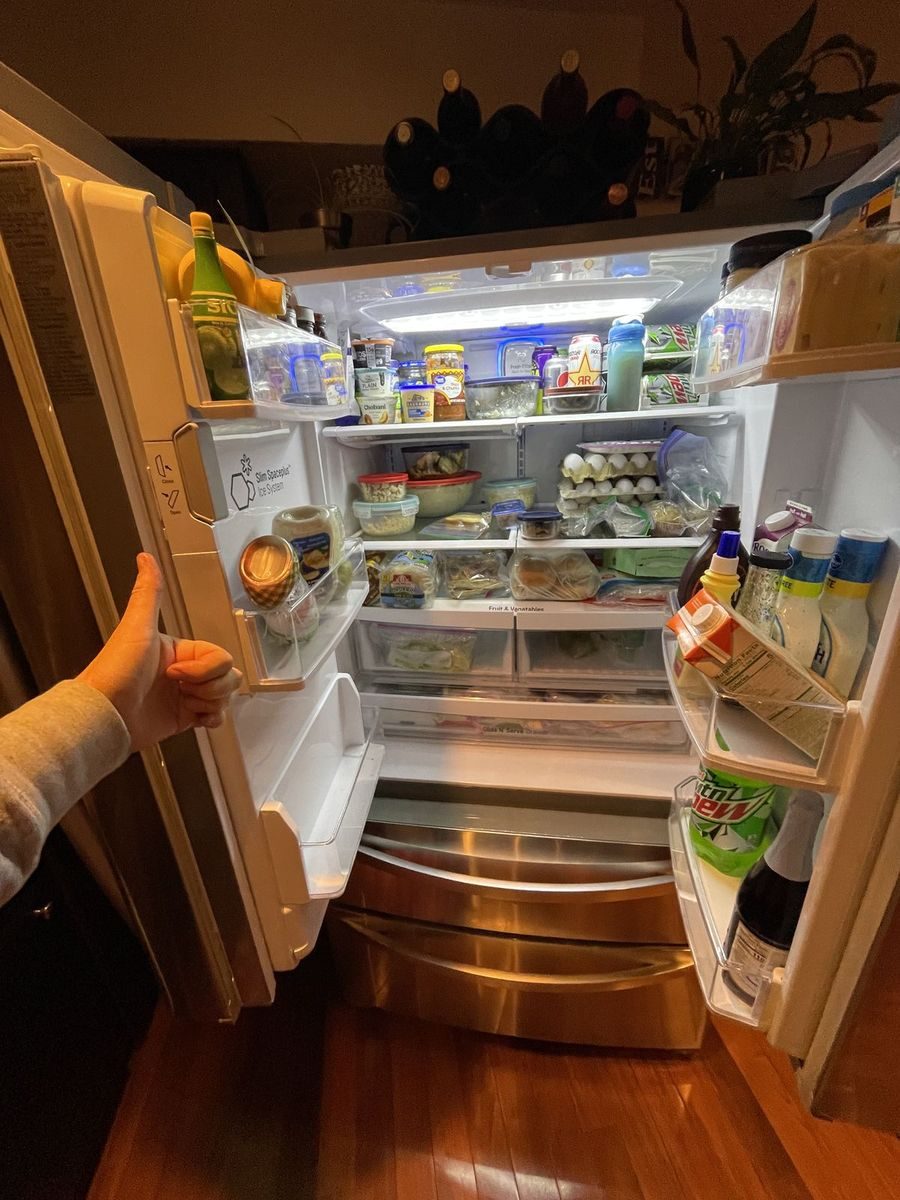
Ice maker repair · Kitsap and Gig Harbor
An ice maker is a little assembly line: water must arrive with enough push, travel a fill tube that never freezes, land in a mold cold enough to set, and get harvested on cue. Our technicians walk that line in order, find the break, then put a figure on paper ahead of the fix.
Straight to it
Empty bins usually trace to one of four spots: a choked water filter or inlet valve screen, a fill tube frozen shut, a freezer running too warm, or a failed ice maker module or shutoff arm. Shrunken or hollow cubes signal weak water pressure, often from sediment or a tired valve. We check the valve, fill path and module in sequence, then quote the repair before doing it.
Because a cycle depends on several handoffs. The module requests water; the refrigerator's inlet valve, usually low on the back, opens for a few seconds and sends water through the filter, along a plastic line, and down a fill tube into the mold. The mold must chill to roughly 15°F or colder before the module's thermostat or thermistor calls for harvest. Then a small heater loosens the cubes, an ejector arm or twisting tray tips them into the bin, and a feeler arm or optical sensor decides whether the bin is full. Any broken handoff halts the line.
Water supply drives many of these calls. A refrigerator's inlet valve opens properly only with roughly 20 psi or more behind it, and a clogged refrigerator filter or a sediment-packed valve screen can pull pressure under that. What follows is a trickle that freezes in the fill tube before reaching the mold, small or hollow cubes, or no fill whatsoever. Freezer temperature matters equally: when a failed defrost part or a stalled fan allows the freezer to warm toward 10°F, the module may never sense a mold cold enough to harvest.
Ice makers, built into a refrigerator or standing alone under a counter, fall within the 07D appliance specialty Washington lists on our license. If ice trouble turns out to be a refrigerator cooling fault, the same technician can chase that as well, including sealed-system work under the EPA 608 Universal credential.
Freezer temperature gets measured first, since plenty of ice complaints are cooling complaints in disguise. Next comes the water path: pressure and flow at the refrigerator, resistance at the inlet valve solenoids, the filter, the line through the door on dispenser models, and the fill tube's entry into the freezer. Most modules offer a service routine that triggers an immediate harvest and refill, which shows within minutes whether module, motor, heater and valve all respond.
When the faulty part is clear, the repair price goes to you in writing, and we proceed only on your yes. Our office mentions the diagnostic fee as the appointment is set. If you approve, the fee becomes part of what the repair costs; if not, it stands alone as the visit's charge. Inlet valves usually ride on the truck, while ice maker modules, filters and built-in parts may need ordering and are quoted ahead. The invoice lists warranty terms.
Each tab holds a photo from our service calls and a note on what we check first. Pick any tab; left alone, they turn every few seconds.
Tab 1 of 12
After a windstorm outage the fill tube often freezes solid and the ice maker goes quiet, so we follow the water up from the inlet valve.
See the service page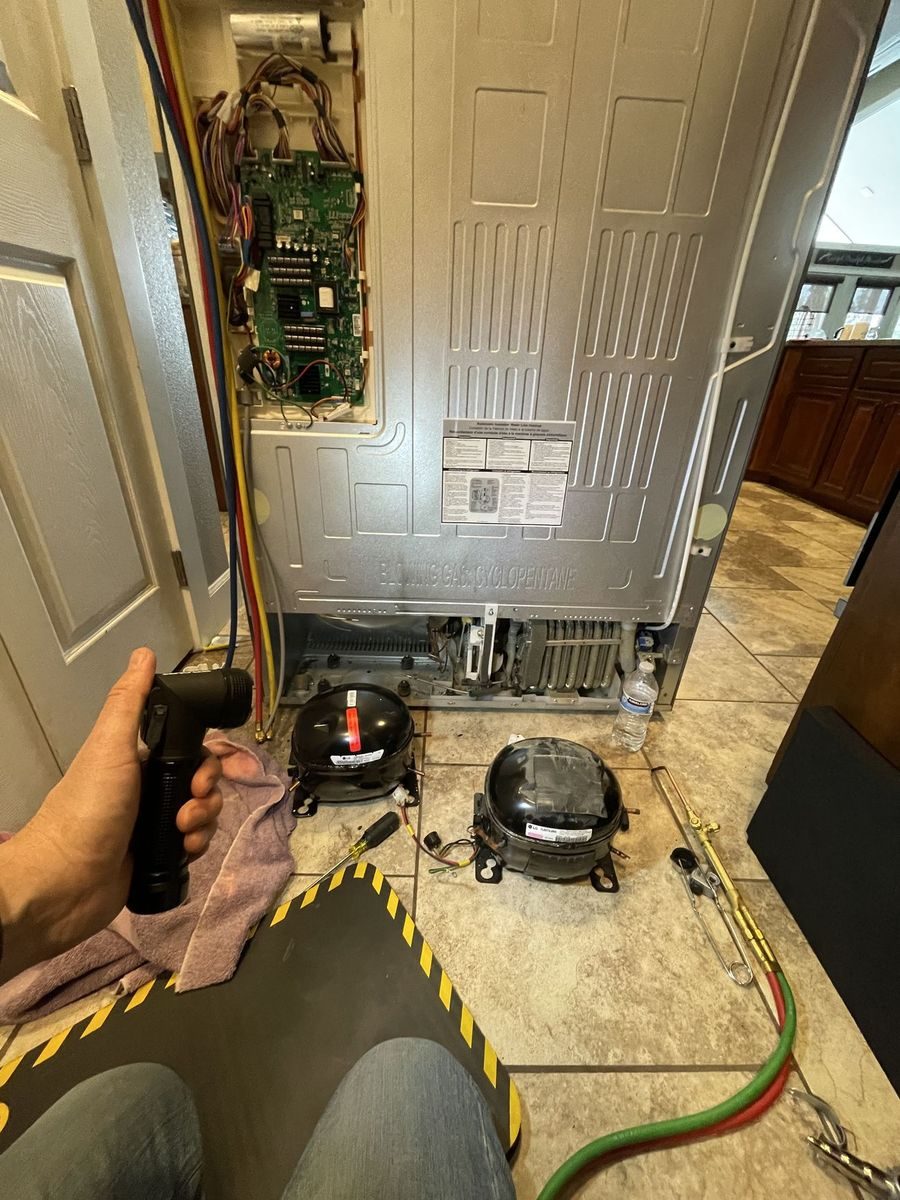
Tab 2 of 12
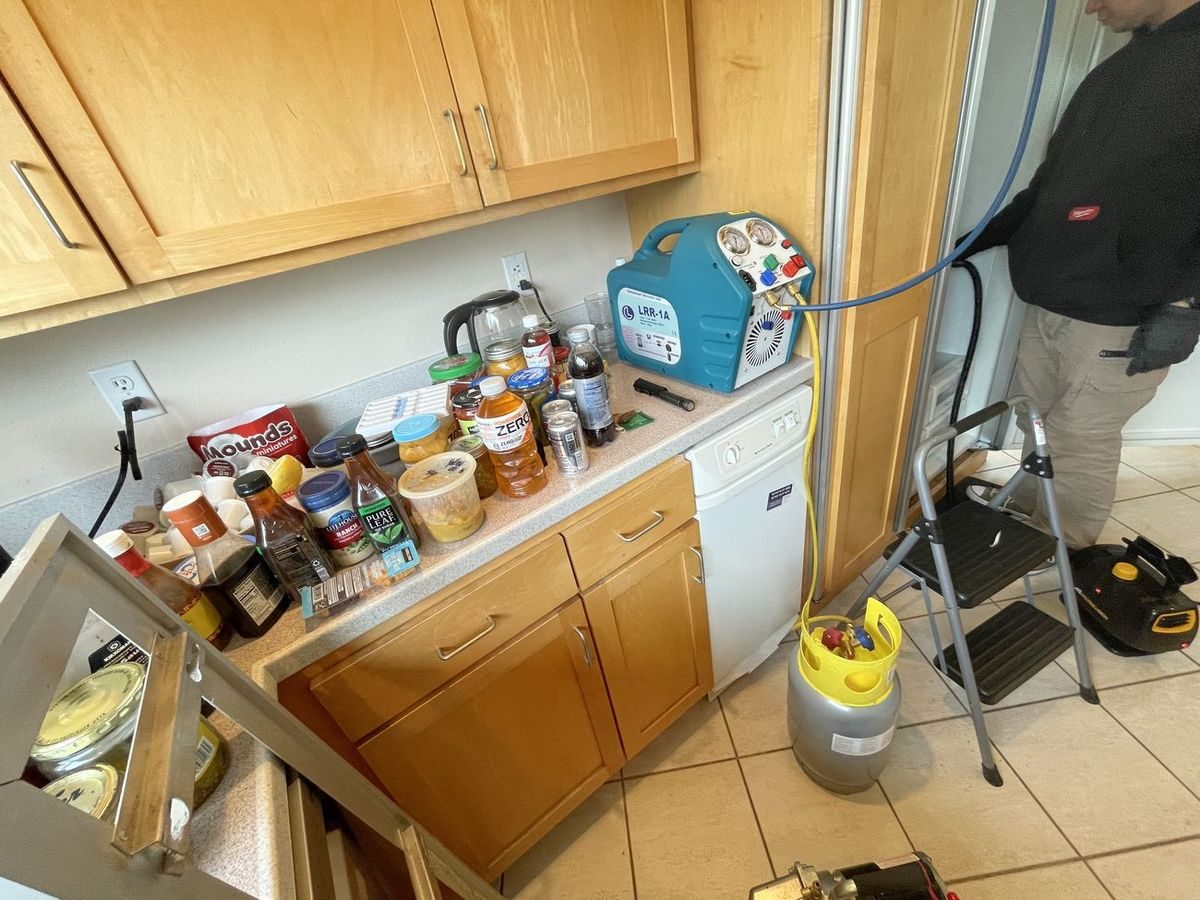
Sealed-system work, from leak search to recharge, happens right in the kitchen under EPA 608 Universal credentials, so the fridge stays where it stands.
See the service page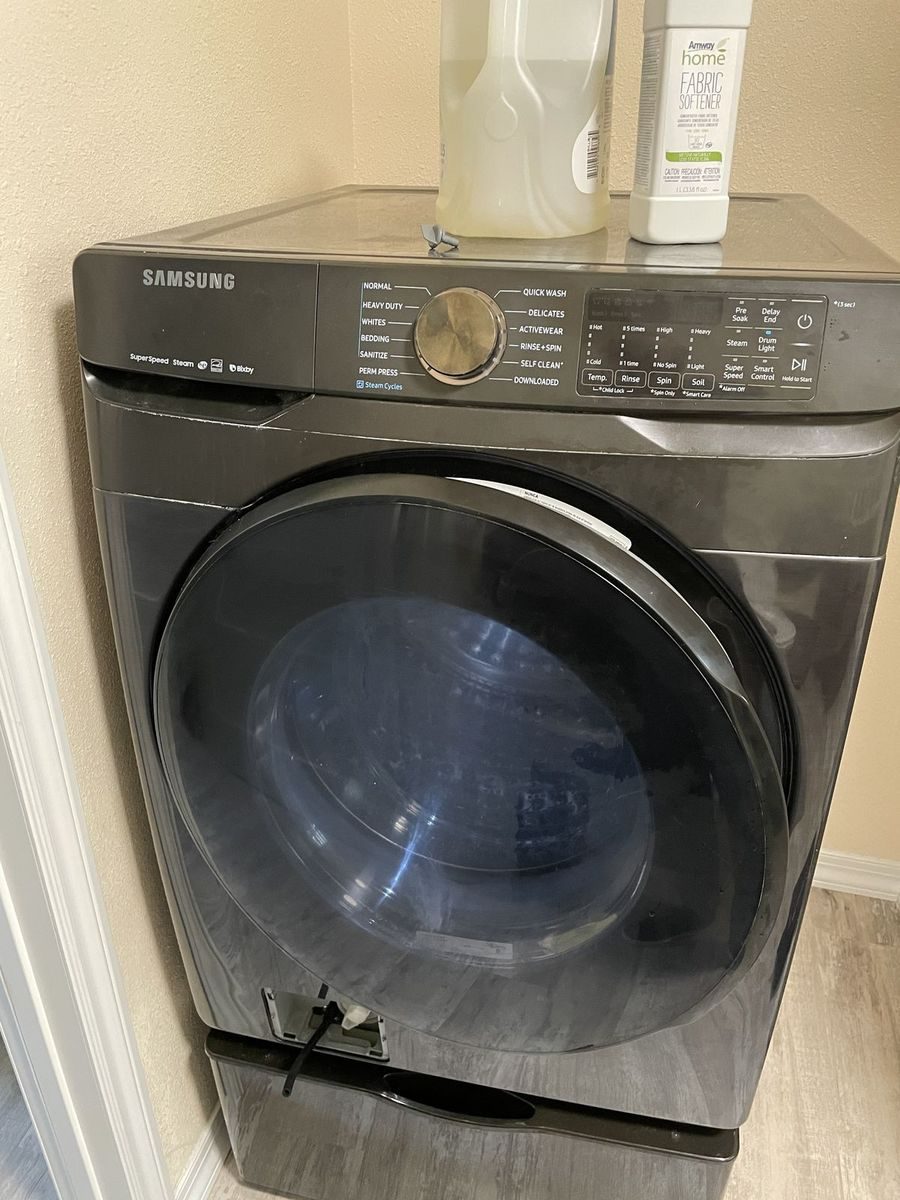
Tab 3 of 12
Damp Kitsap laundry rooms are hard on door boots, so mildew, torn folds and a clogged pump filter are the first things we look at on a front-loader.
See the service page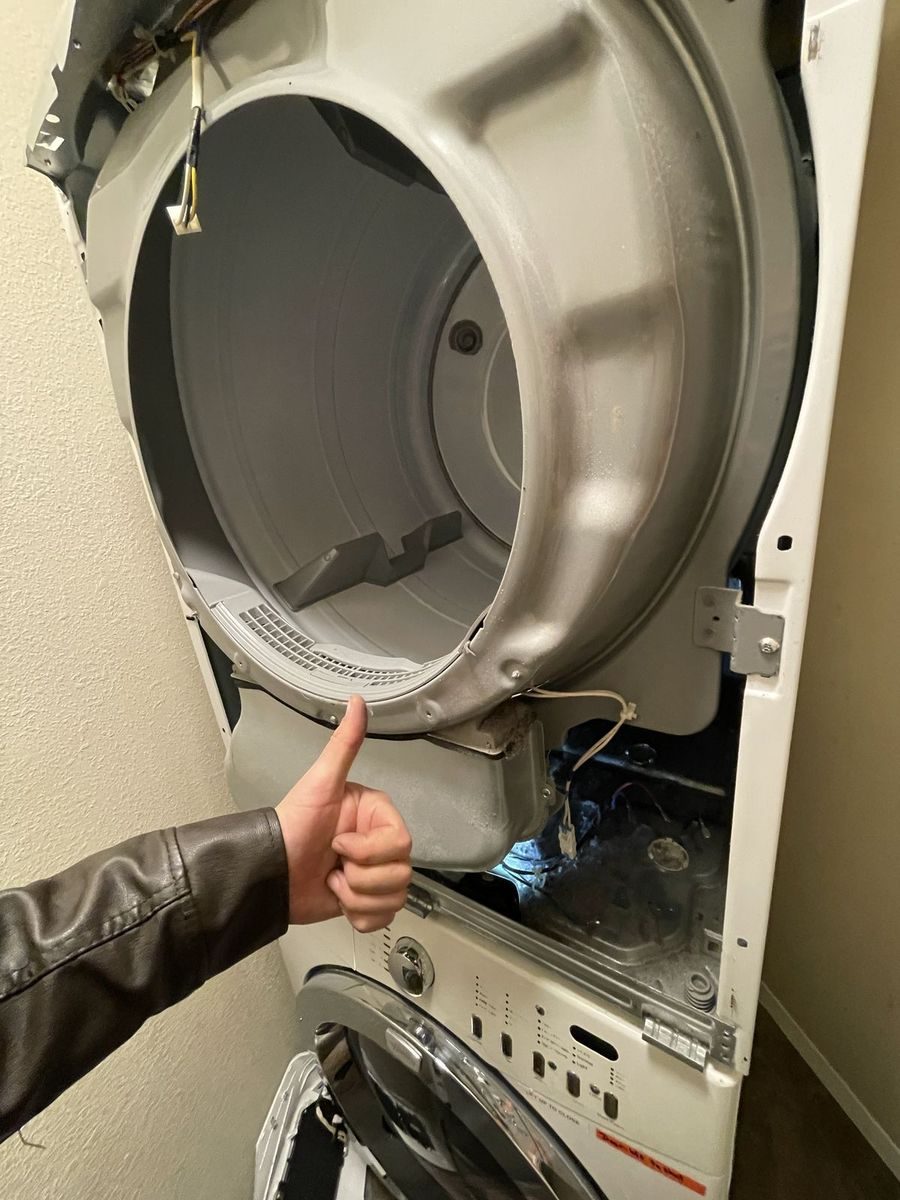
Tab 4 of 12
Long vent runs through damp walls fill with lint quickly, so the vent gets tested along with the heating side: element or burner, thermal fuse and thermostats.
See the service page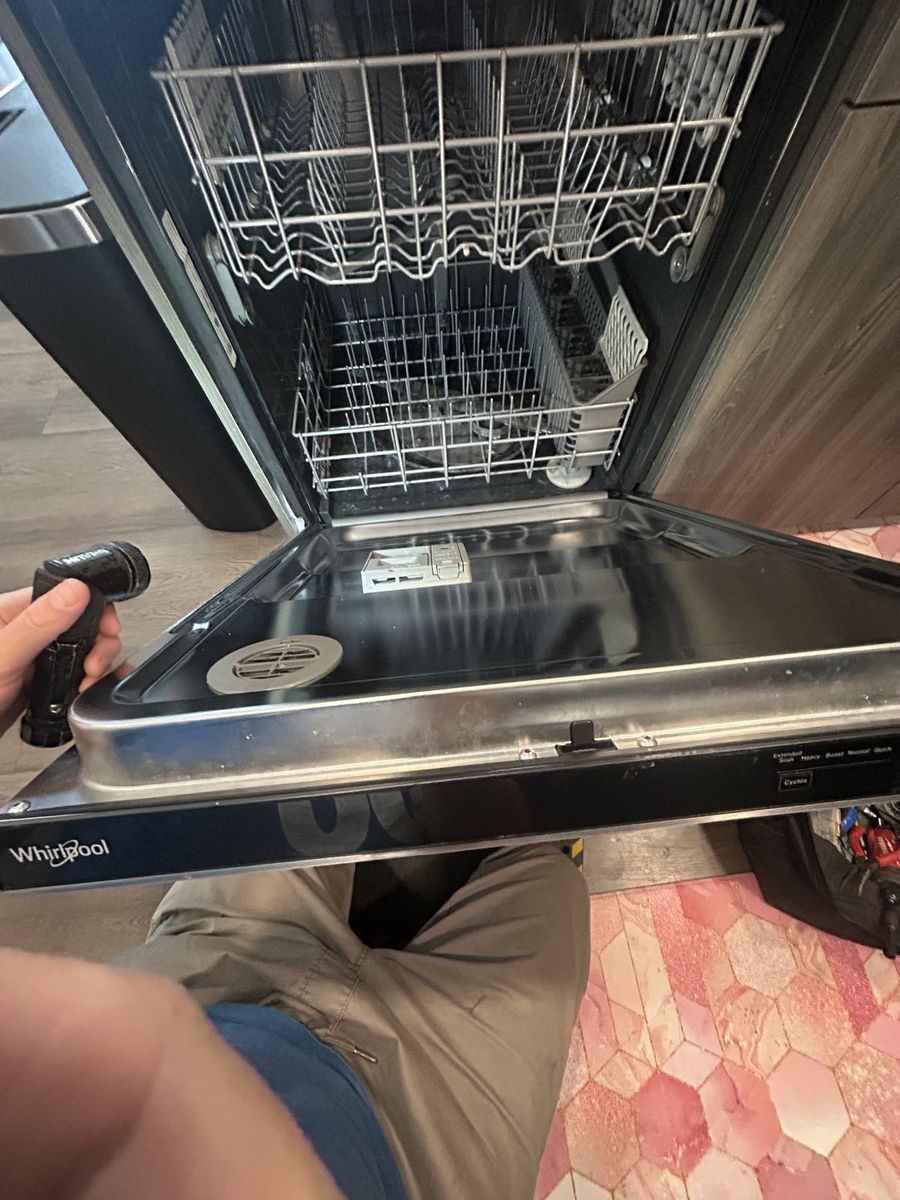
Tab 5 of 12
Well water leaves minerals on the spray arms and the inlet screen, two early stops when dishes come out dull or the tub fills slowly.
See the service page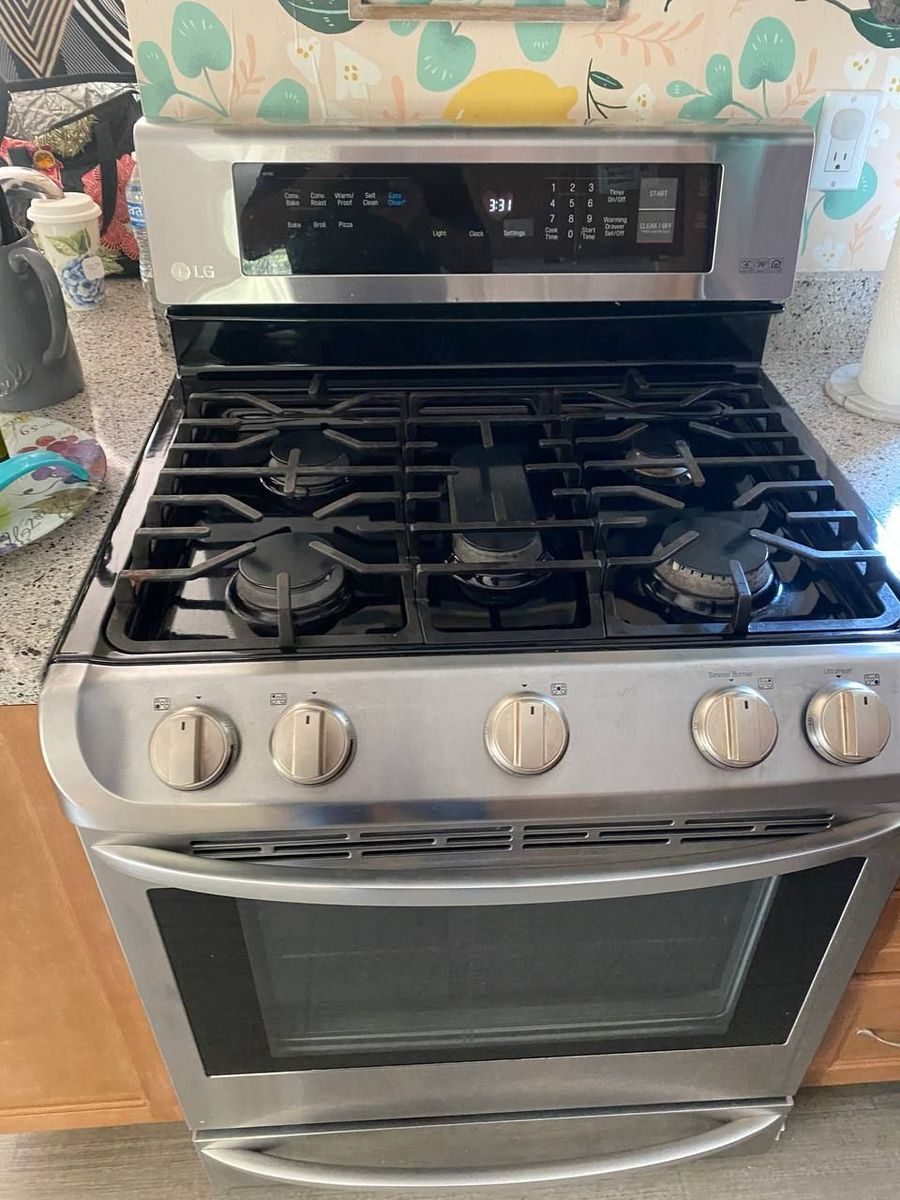
Tab 6 of 12
Natural gas and propane ranges both get igniter, valve and flame checks. The tank and its lines stay with your propane supplier.
See the service page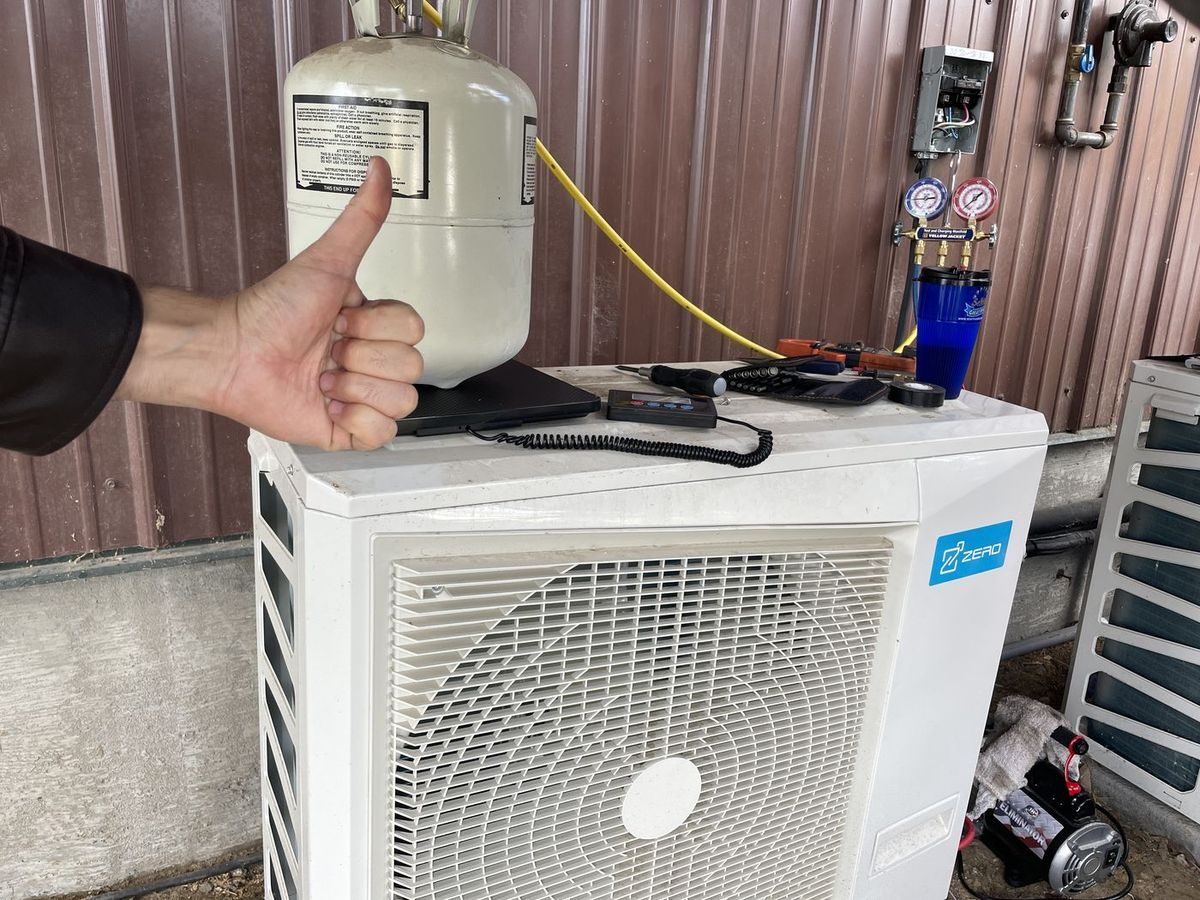
Tab 7 of 12
Through the gray months we watch the defrost cycle closely, because a coil that never clears is the classic Kitsap winter call. Capacitors and the reversing valve come next.
See the service page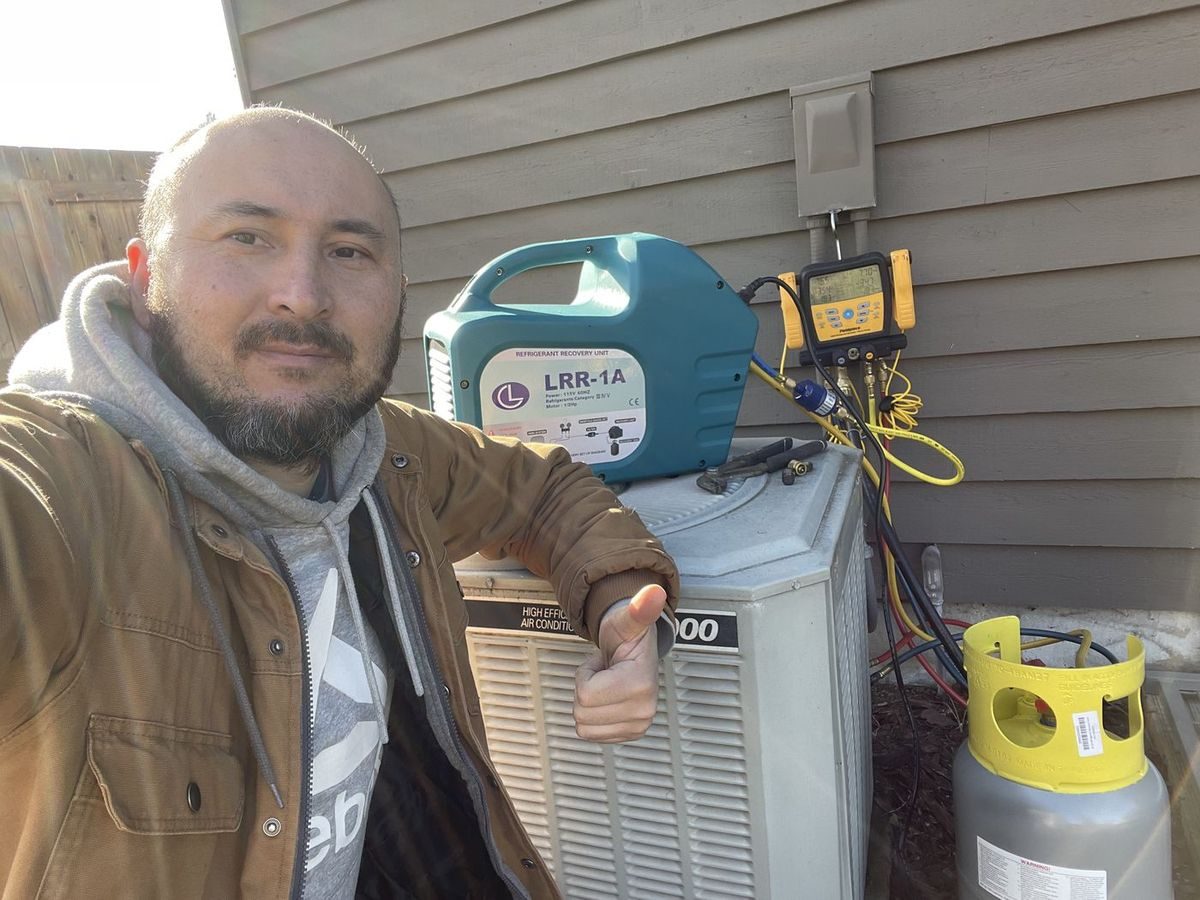
Tab 8 of 12
More Kitsap homes have cooling since the 2021 heat dome. When a system falls behind on a hot afternoon, we start with airflow, the capacitor and the refrigerant charge.
See the service page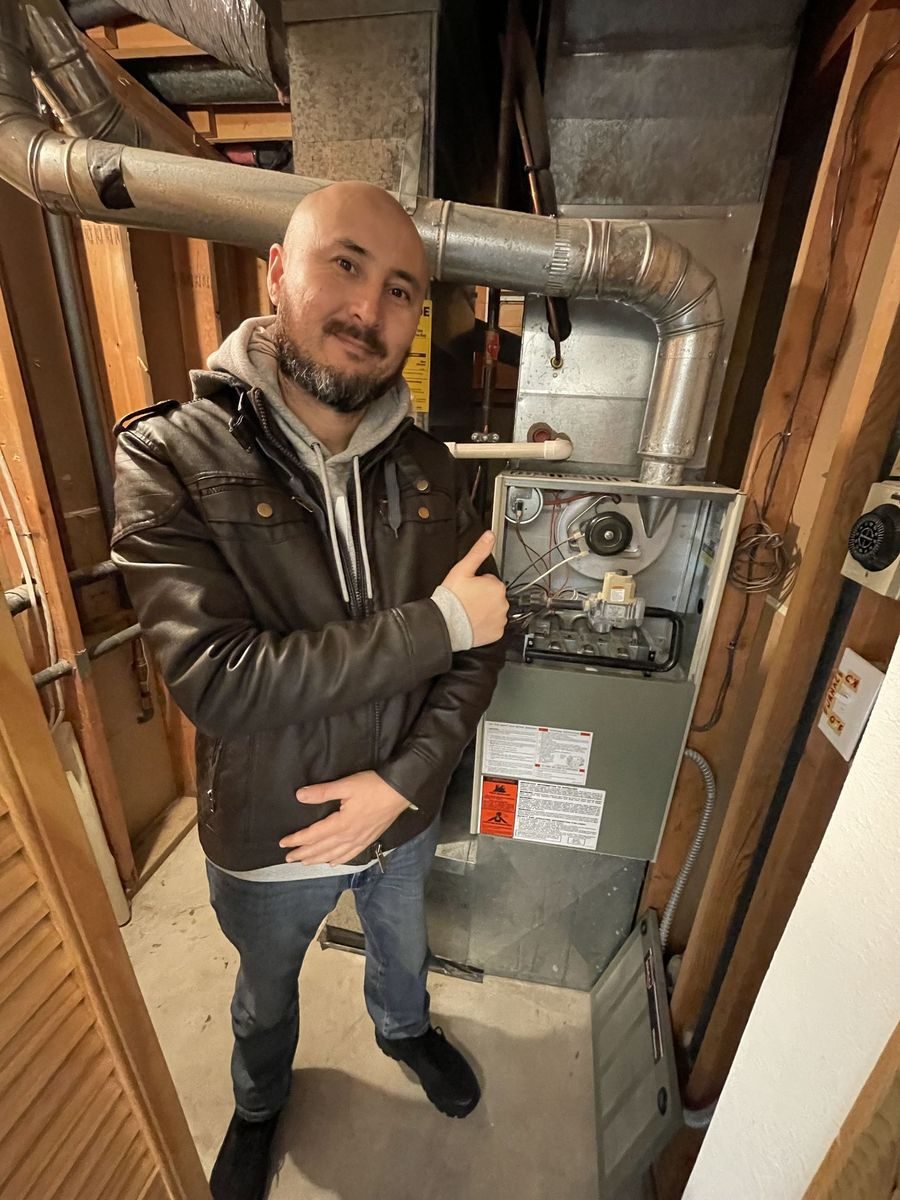
Tab 9 of 12
Many older Bremerton and Manette houses keep the furnace in a closet or under the floor. Filter, inducer, flame sensor and limit switch all get checked in that tight space.
See the service page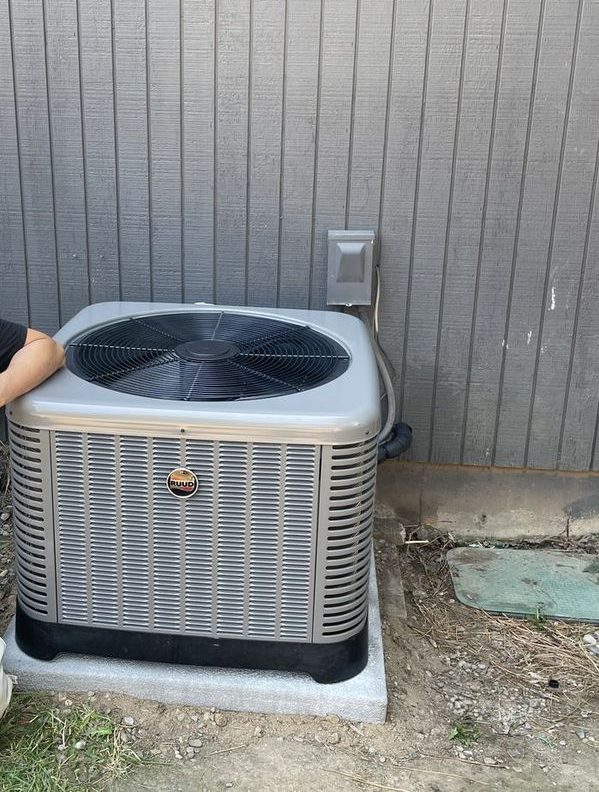
Tab 10 of 12
Placement matters on the peninsula: a raised pad clear of wet ground, back from salt spray where the lot allows, and out from under the needle drop.
See the service page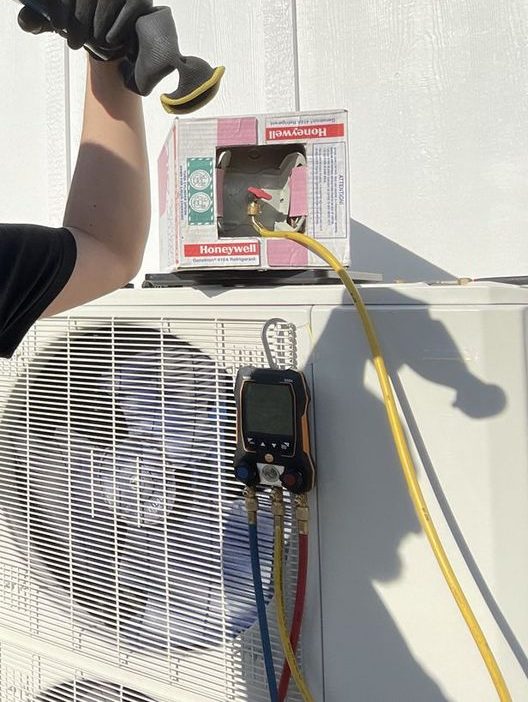
Tab 11 of 12
Mini-splits fit older homes with no room for ducts. Their line sets need sound insulation where they cross a damp crawlspace, and the outdoor unit needs a clear drain path.
See the service page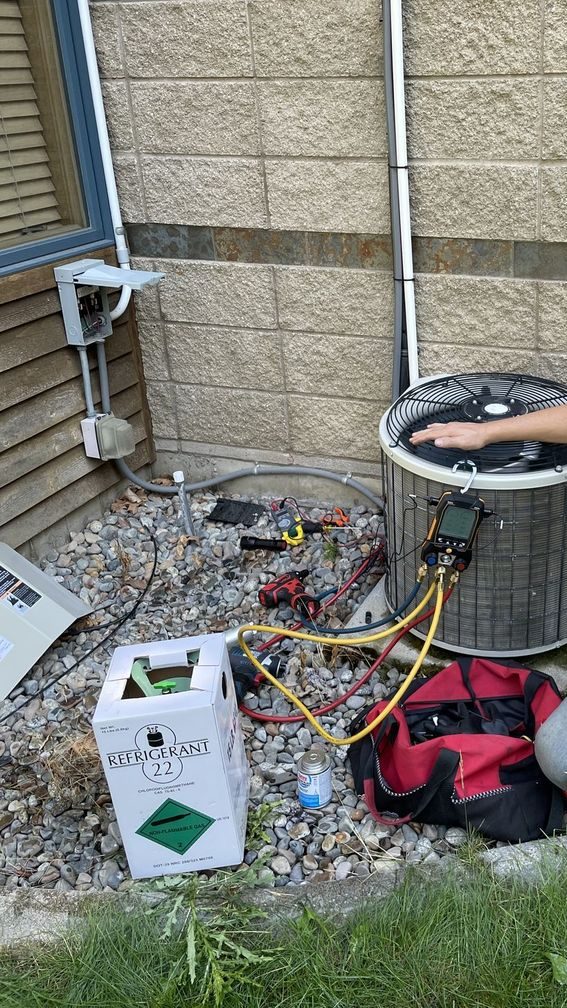
Tab 12 of 12
A seasonal visit near the water means a coil rinse, a look at the fasteners for salt rust and a base pan that drains. Those three buy waterfront equipment years.
See the service pageYour water source sets how fast inlet screens clog. Bremerton's blend of surface water and wells, between about 32 and 98 mg/L hardness, is soft to moderately hard and easy on valves. Silverdale, Poulsbo and Gig Harbor mostly draw groundwater through local districts or the city. On Fox Island and on acreage around Poulsbo and Gig Harbor, private and small community wells are common, and sediment, iron and minerals reach the refrigerator's filter and inlet screen sooner. Change intervals printed on filter boxes assume municipal water, so on a well, change the cartridge by flow and taste rather than the calendar.
Cold and built-ins round it out. Garage refrigerators here spend months in damp chill, with Bremerton's winter lows around 35°F, and on hard nights the supply line feeding a garage unit can freeze before it reaches the valve, or a slow fill can freeze in the tube. Keeping the freezer near 0°F and the garage from dropping below freezing both help. Indoors, view homes in Gig Harbor and on Fox Island often carry Sub-Zero built-ins or undercounter ice machines in a bar or island, where cramped airflow behind a custom panel can let the condenser run warm and slow production. Those units are serviced from the front, and their parts are usually ordered before the repair visit.
It depends on where the fault sits. An inlet valve, a filter, a frozen tube or a module is a contained repair, far smaller than the refrigerator around it, so repair is the usual choice. Door-mounted ice makers, common on side-by-side and French-door designs, carry their own fan, heater and seals, and repeated freeze-ups there can mean an airflow or sealing problem that takes more than one part. On an older refrigerator that is also struggling to cool, it makes sense to weigh the whole unit before spending on ice. Built-in Sub-Zero units and undercounter ice machines lean toward repair. The technician writes the price and notes what else looks worn, and the choice is yours.
Usually weak water pressure. A clogged filter, a sediment-packed inlet screen or a worn inlet valve lets too little water into the mold, so cubes freeze as thin shells. Start with a new filter. If cubes stay small, our technician measures fill volume and supply pressure, then cleans or replaces the screen or valve. On a well this tends to happen sooner than on city water.
Two common reasons. Cold air can freeze the water line or the fill tube, especially when pressure is low and water trickles in. And many two-door refrigerators barely run in a chilly garage, so the freezer drifts above 0°F and the mold never gets cold enough to harvest. Some models are rated for garages; others do better moved indoors for the winter months.
No, keep it, and change it more often. Without a filter, sediment and iron land directly on the inlet valve screen, which is harder to service than a cartridge. If dispensing slows soon after a filter change, the screen or valve may be clogging, and our technician can clean or replace it. Treating sediment at the well itself is a question for your well service.
Yes. Sub-Zero built-ins and undercounter ice machines are on our list, along with ice makers in Thermador, KitchenAid, GE, Whirlpool, LG, Frigidaire, Electrolux, Maytag and Kenmore refrigerators. Built-in parts are often ordered, so pass along model and serial numbers at booking. We confirm the fault on the first visit, quote the part, and return once it arrives.
Sometimes. When the freezer creeps above about 5°F, the ice maker slows or stops before you notice softer ice cream, and the true fault may be a defrost or fan problem. That's why our technicians check freezer temperature first. A freezer steady at zero means the trouble lies in the ice maker's own water path or module, a smaller repair.
Only the diagnostic fee, which you learn from the office at booking. It covers tracing the fault and a written repair price. Choose the repair and that fee counts within the repair total, not on top. Choose to wait, and that fee is the visit's entire cost. Either way, nothing is replaced without your approval.
Talk to a person
Reserve online with a date and arrival window of your choosing, or phone us; we pick up 8 AM–7 PM daily. The office rings back with a confirmation, and your technician gives a call en route before arriving.
Schedule online
Tell us what needs attention, the day that works and the window you prefer. A scheduler calls to make it firm, and the technician rings again before pulling up.
Washington Labor & Industries keeps these records public. Each number can be searched on L&I Verify; scope details sit on a separate page.
Scope of each license