Tab 1 of 12
Dryer repair
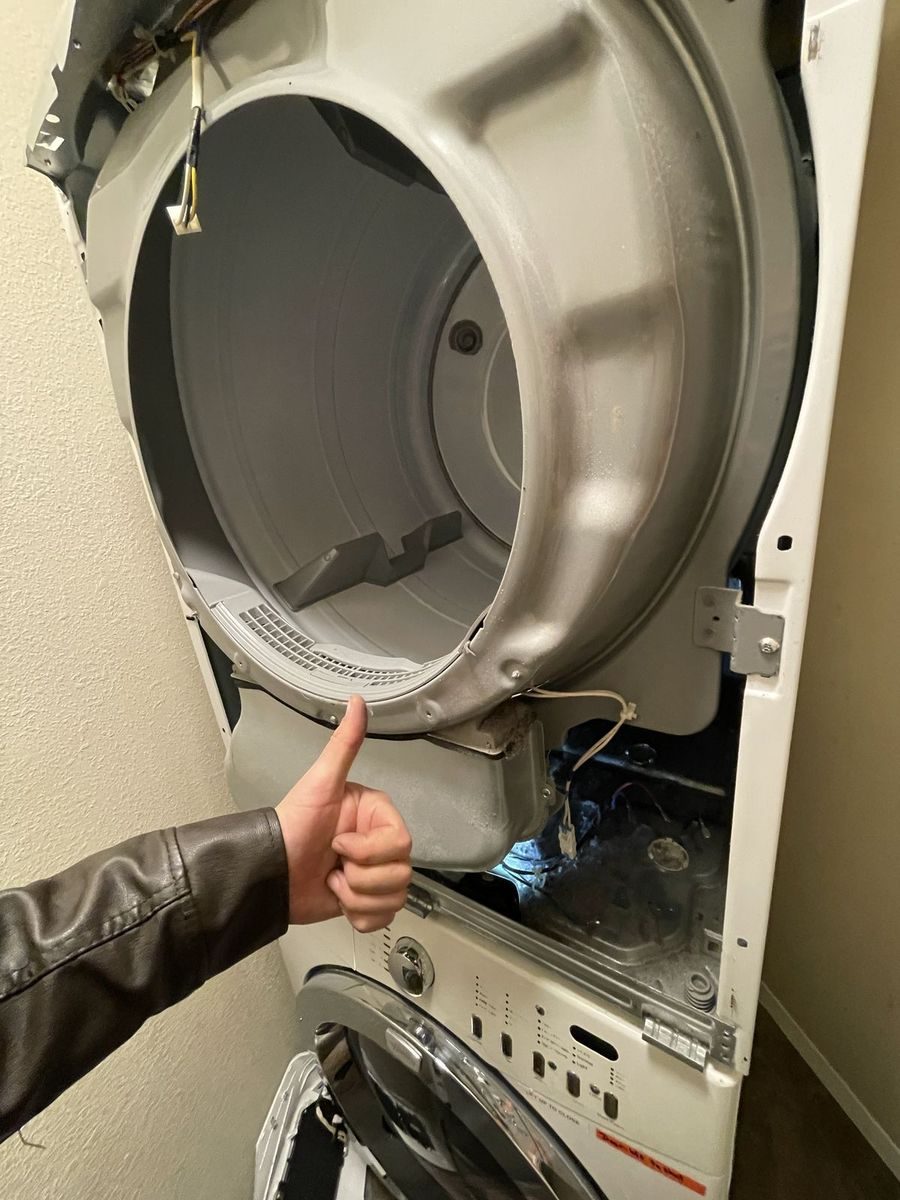
Long vent runs through damp walls fill with lint quickly, so the vent gets tested along with the heating side: element or burner, thermal fuse and thermostats.
See the service page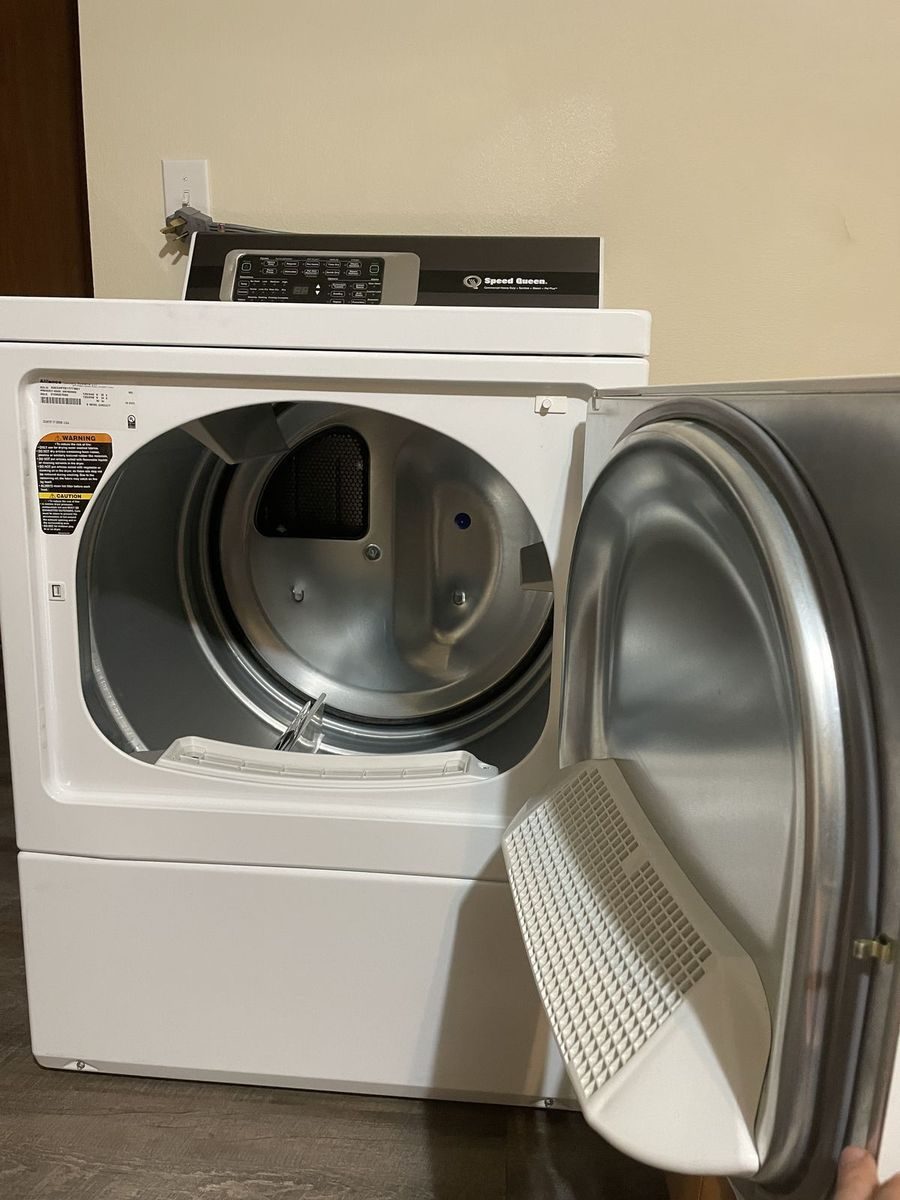
Electric, gas and propane dryer repair · Kitsap
On a peninsula this rainy, a dryer that needs two passes for one load can swallow an afternoon. Our technicians check the heat source, the safety thermostats and the air path, sort out whether the dryer or its vent is the bottleneck, and only then write up a price for you to approve.
Straight to it
Cold tumbling, drum turning with no warmth, usually comes down to a thermal fuse that blew, an electric element gone open, or on gas and propane units an igniter or valve coil that quit. Warm but slow drying points at smothered airflow: lint, a squashed duct, an overlong vent, or a cycling thermostat opening early. A still drum means belt, idler or motor. We confirm by meter and quote in writing.
Usually it still heats fine and simply can't exhale. A dryer warms air, tumbles clothes through it, and pushes the now-wet air outdoors. Lint matted inside the trap housing, a foil duct squashed against the wall, a vent snaking through several elbows, or a wall hood whose flap sticks half shut all slow that exhaust. Humid air lingers in the drum, the cycling thermostat chatters through short on-off bursts, and the load spends an extra hour steaming. Over months the trapped heat also wears on the hi-limit thermostat and the thermal fuse, the two safeties whose whole job is to cut heat when airflow fails.
No heat whatsoever means the heat source or one of its guards has quit. Electric dryers run a coiled nichrome element inside a housing behind or under the drum, wired through a hi-limit and a one-shot thermal fuse. Gas and propane dryers rely on a glowing silicon carbide or silicon nitride igniter, a radiant flame sensor clipped to the burner tube, and a valve with two or three solenoid coils that open in sequence. An igniter that glows and then goes dark without flame usually means weak valve coils; one that never glows points to the igniter itself, the flame sensor, or a safety in series.
Dryers sit inside the 07D appliance specialty our electrical contractor license carries. With gas and propane units, our work stops where the appliance meets its fuel: tanks, regulators, supply piping and new gas connections are outside what we do.
Expect a timed run, thermometer in the exhaust stream, meter clipped to the heat circuit. For electric models, our technician reads voltage at the dryer's terminal block, then resistance through element, hi-limit, cycling thermostat and thermal fuse. For gas and propane models, the igniter's glow time and resistance, each valve coil, and the flame sensor get checked while the burner cycles. The lint screen comes out, a flashlight goes into its housing, and the duct behind the cabinet gets inspected, since an element that tests perfect on the bench still overheats in a dryer that can't breathe.
You'll have the repair price on paper before we touch a part. Our office names the visit's diagnostic fee as you schedule. Agreeing to the repair puts that fee toward it; declining makes the fee your whole bill for the day. Thermal fuses, igniters, belts and valves usually ride with us. Anything ordered is priced first, and the invoice lays out warranty terms. One thing we don't offer is vent cleaning; when the vent is the culprit, we show you where and why so you can have it cleared.
Each tab holds a photo from our service calls and a note on what we check first. Pick any tab; left alone, they turn every few seconds.
Tab 1 of 12
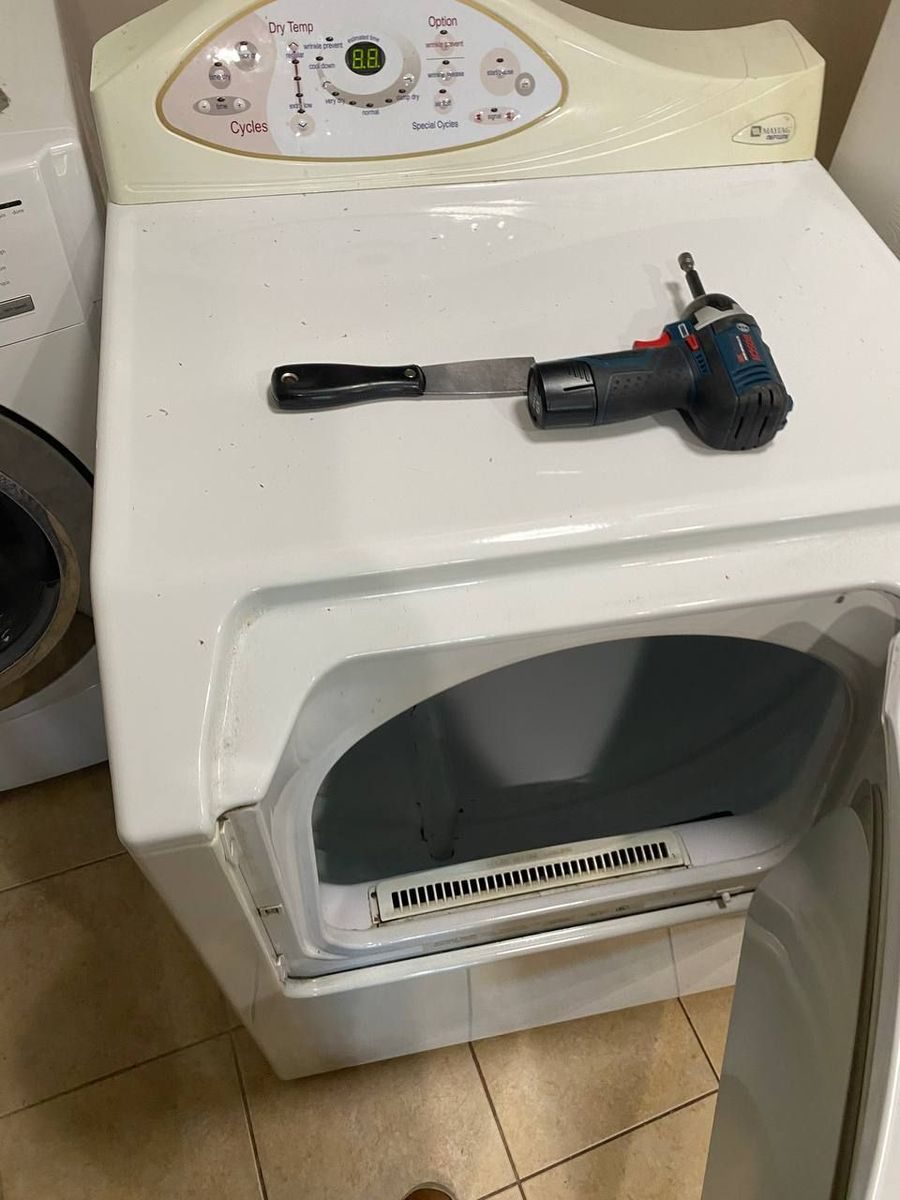
Long vent runs through damp walls fill with lint quickly, so the vent gets tested along with the heating side: element or burner, thermal fuse and thermostats.
See the service page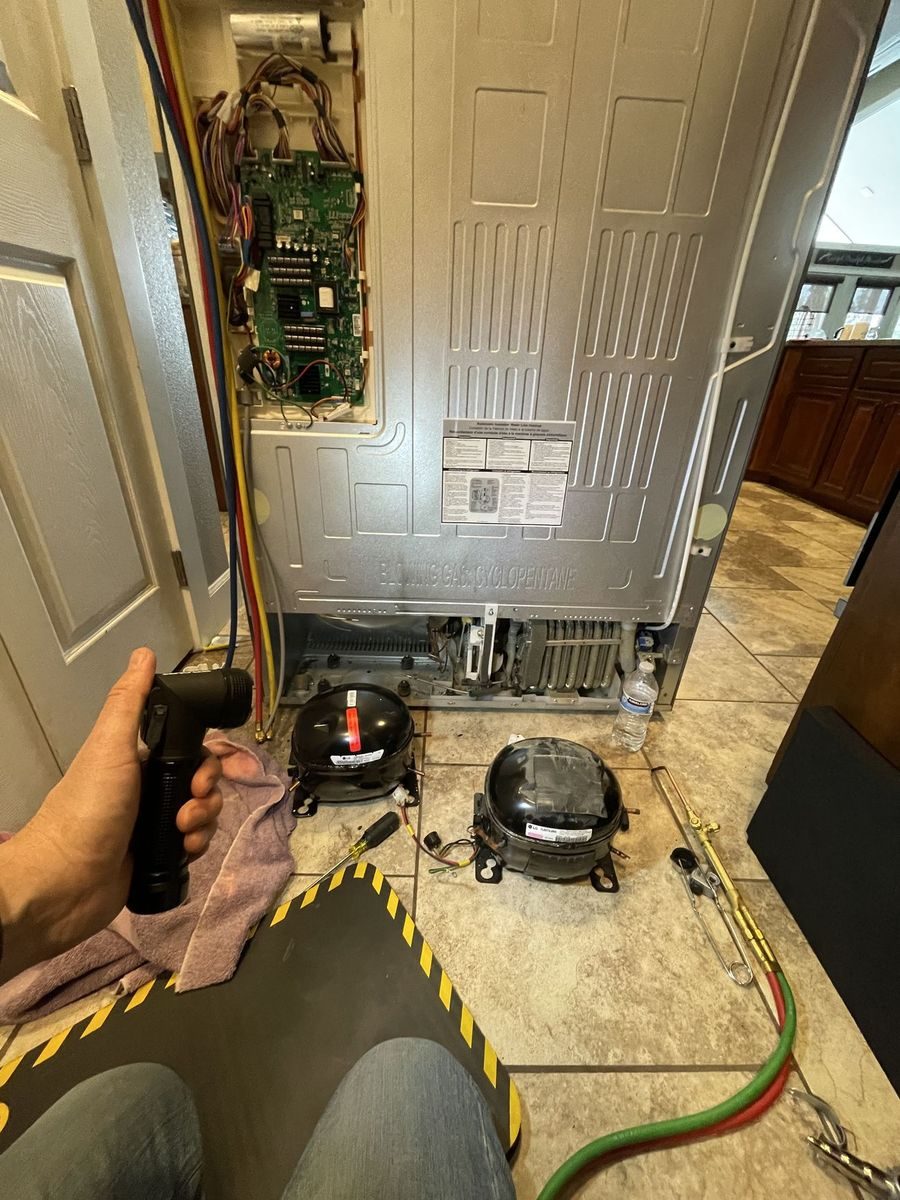
Tab 2 of 12
Sealed-system work, from leak search to recharge, happens right in the kitchen under EPA 608 Universal credentials, so the fridge stays where it stands.
See the service page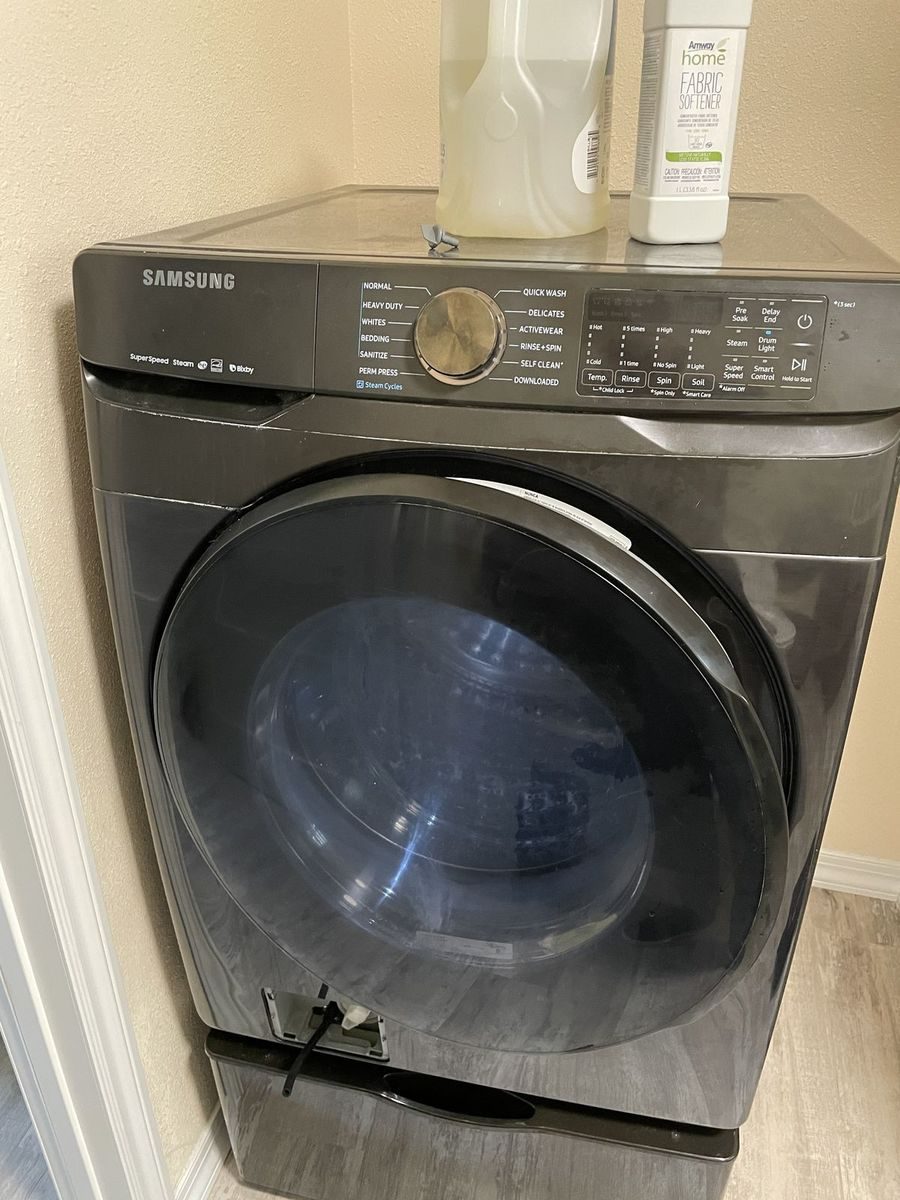
Tab 3 of 12
Damp Kitsap laundry rooms are hard on door boots, so mildew, torn folds and a clogged pump filter are the first things we look at on a front-loader.
See the service page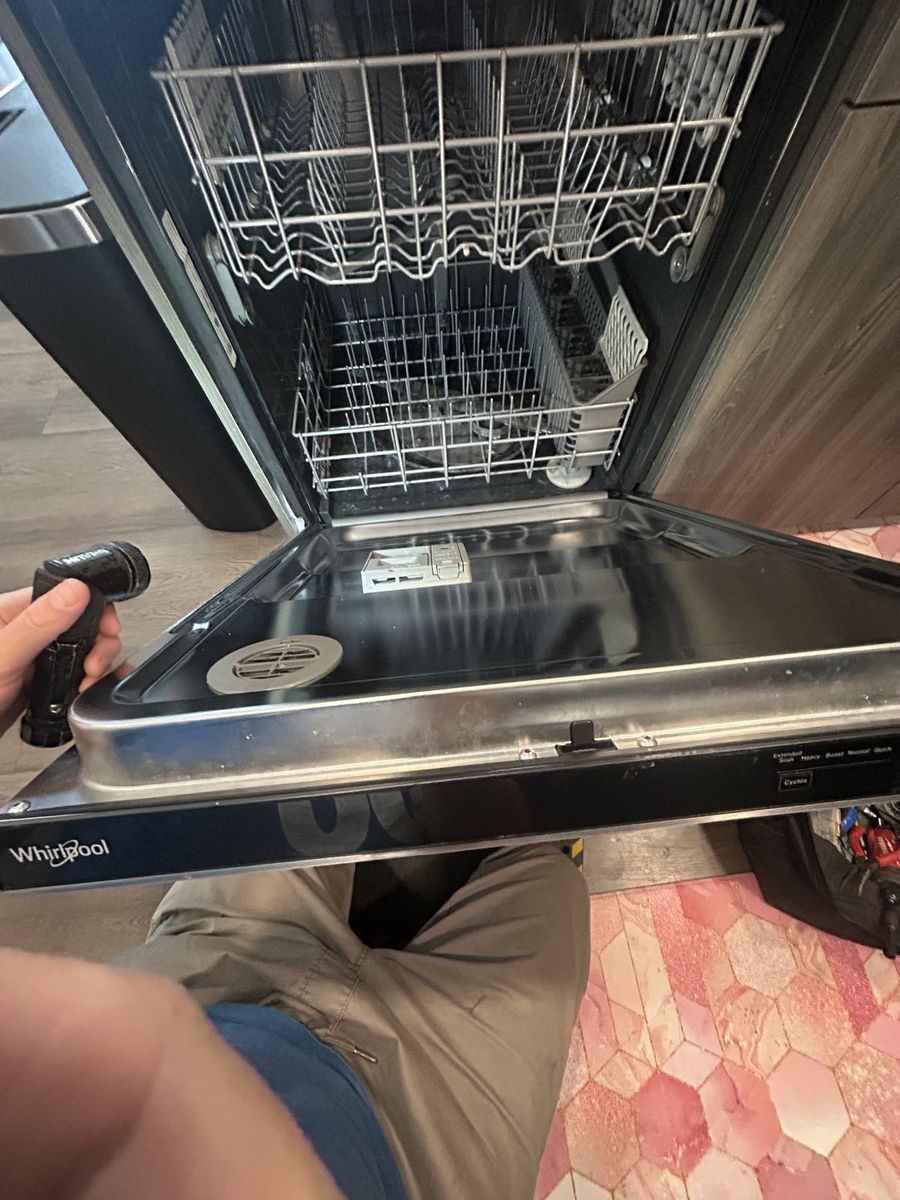
Tab 4 of 12
Well water leaves minerals on the spray arms and the inlet screen, two early stops when dishes come out dull or the tub fills slowly.
See the service page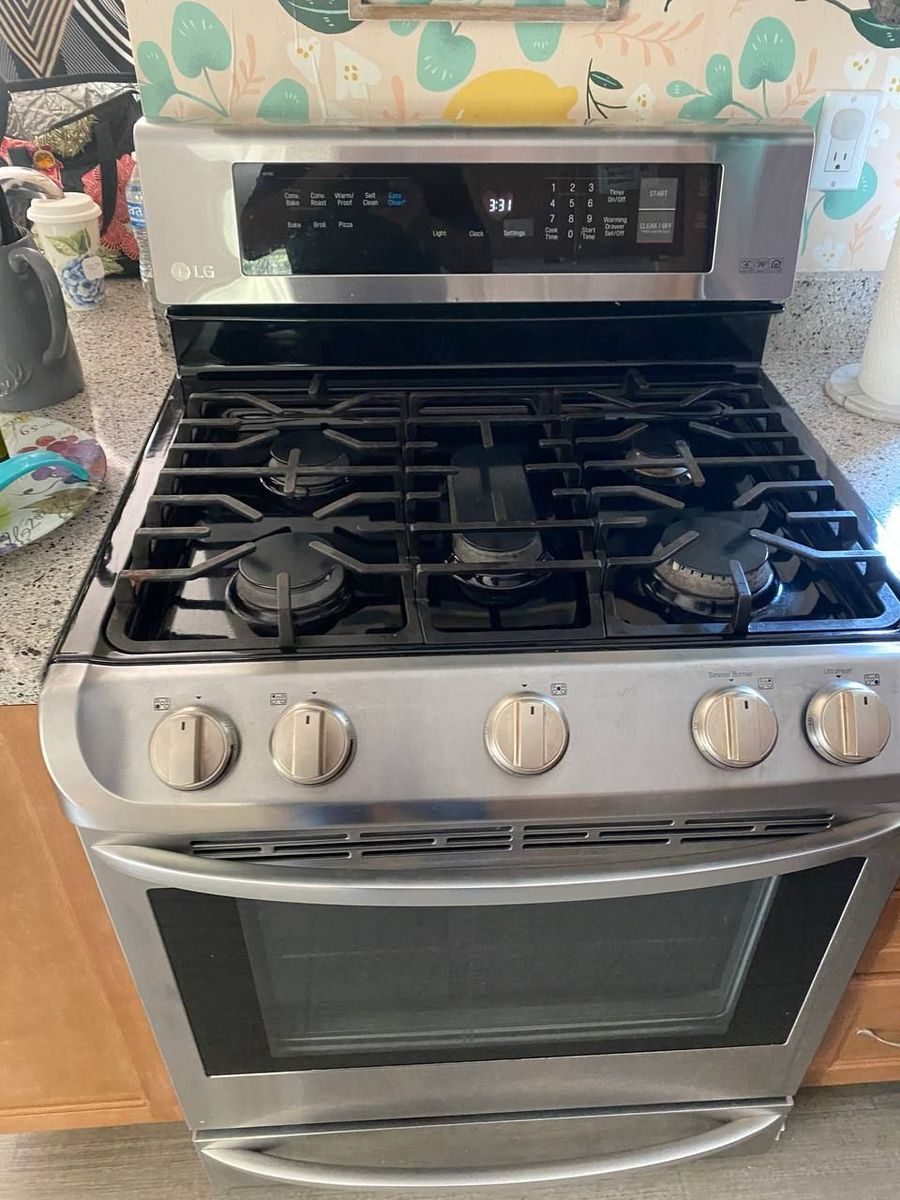
Tab 5 of 12
Natural gas and propane ranges both get igniter, valve and flame checks. The tank and its lines stay with your propane supplier.
See the service page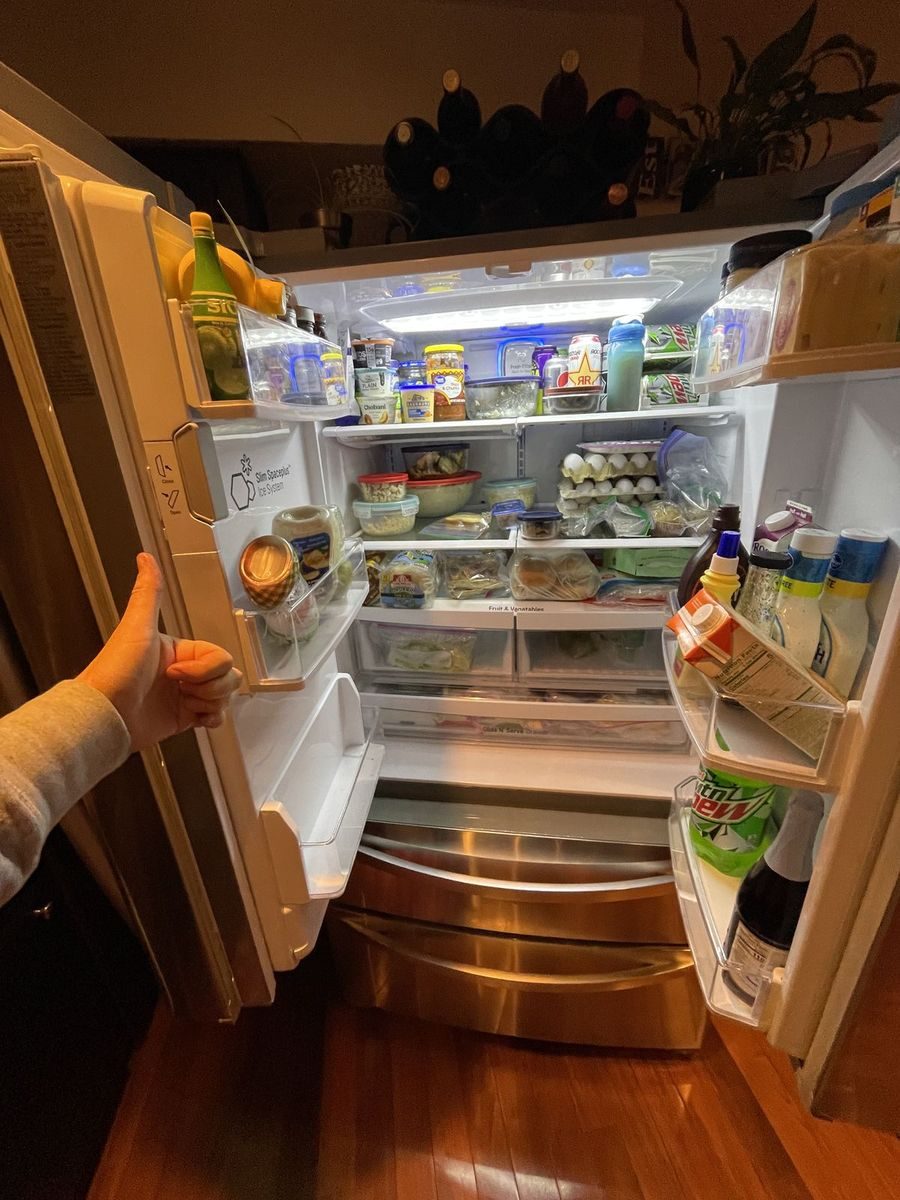
Tab 6 of 12
After a windstorm outage the fill tube often freezes solid and the ice maker goes quiet, so we follow the water up from the inlet valve.
See the service page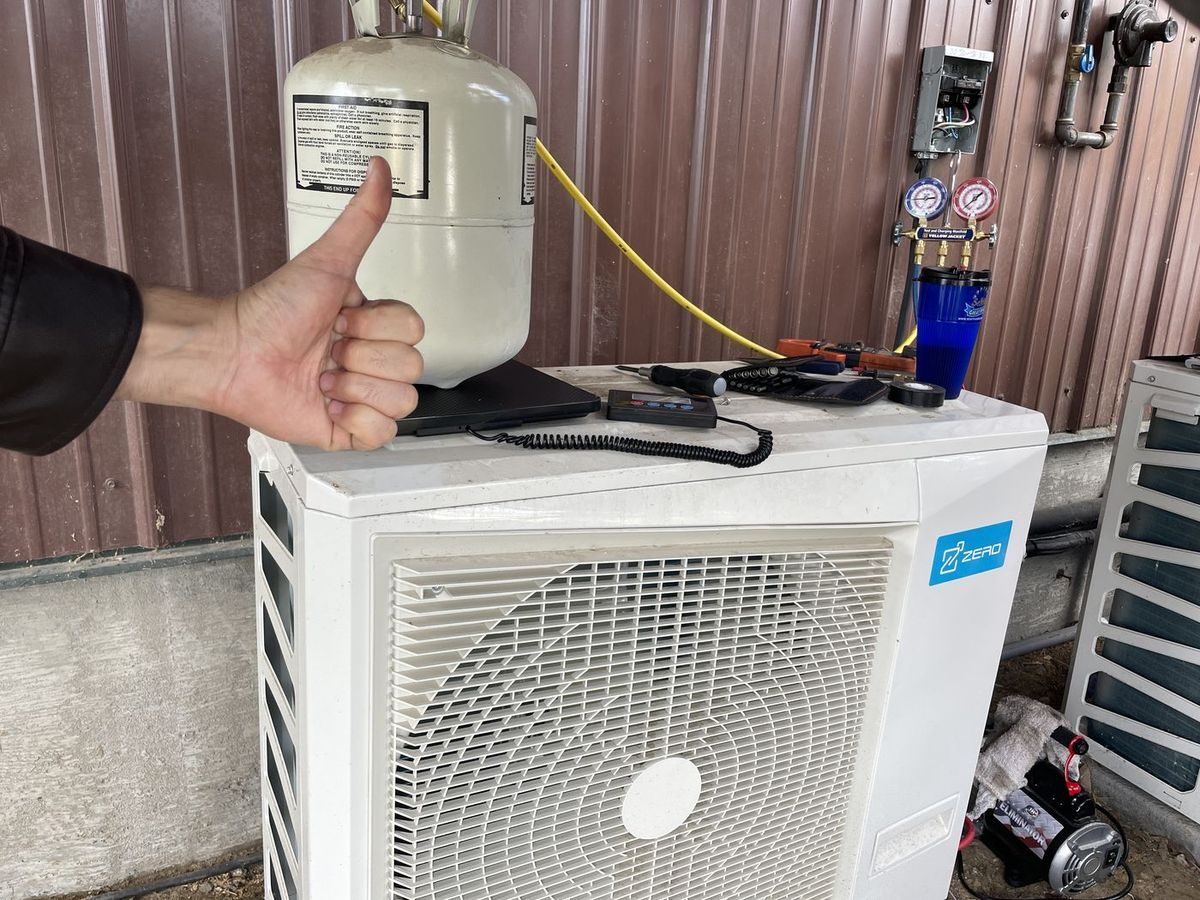
Tab 7 of 12
Through the gray months we watch the defrost cycle closely, because a coil that never clears is the classic Kitsap winter call. Capacitors and the reversing valve come next.
See the service page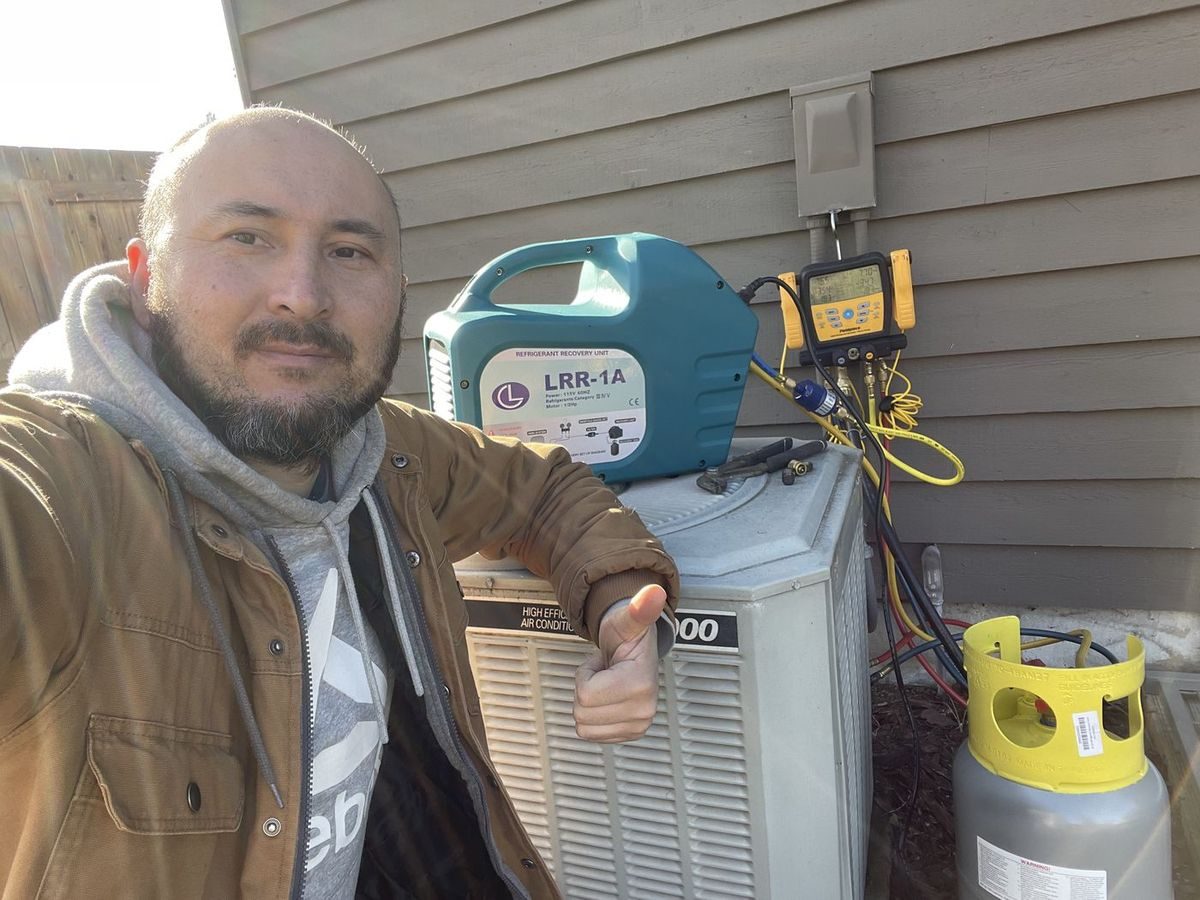
Tab 8 of 12
More Kitsap homes have cooling since the 2021 heat dome. When a system falls behind on a hot afternoon, we start with airflow, the capacitor and the refrigerant charge.
See the service page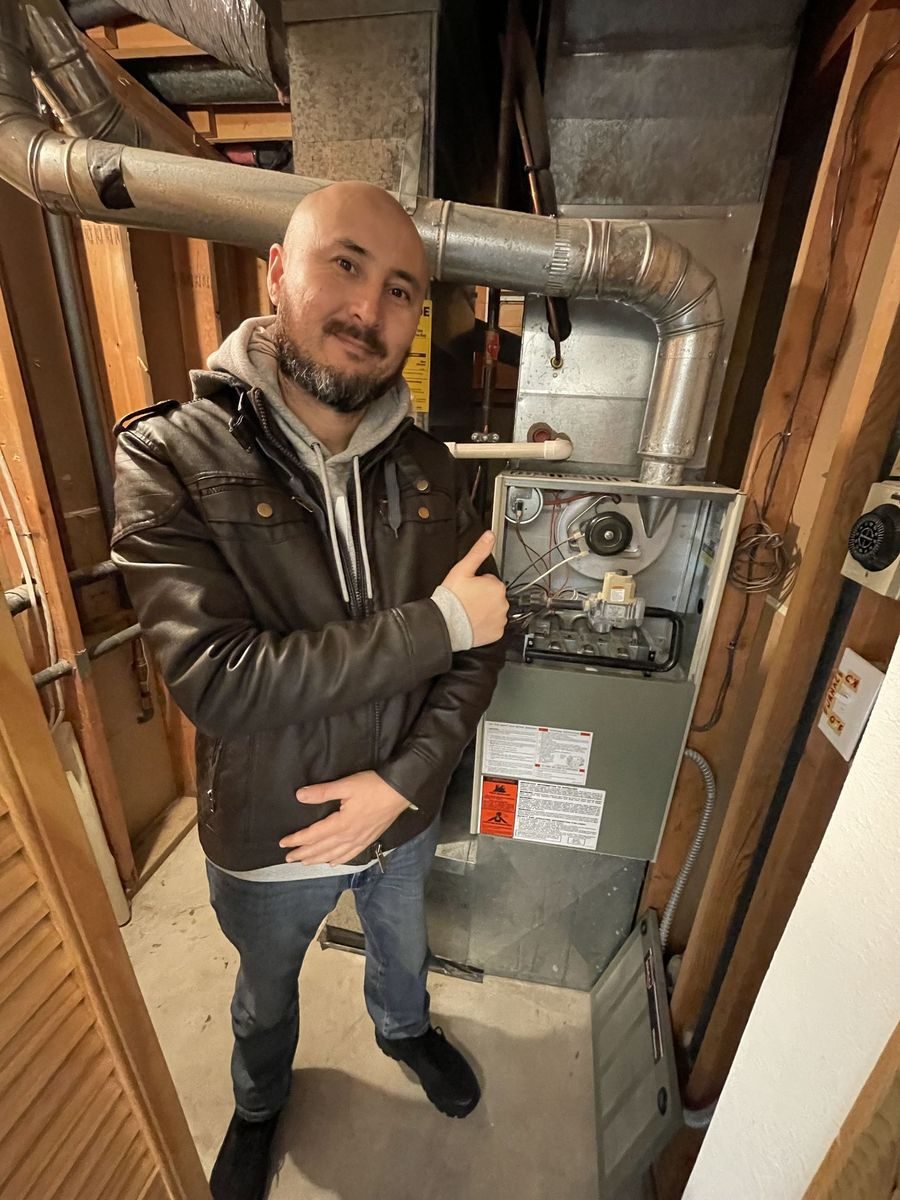
Tab 9 of 12
Many older Bremerton and Manette houses keep the furnace in a closet or under the floor. Filter, inducer, flame sensor and limit switch all get checked in that tight space.
See the service page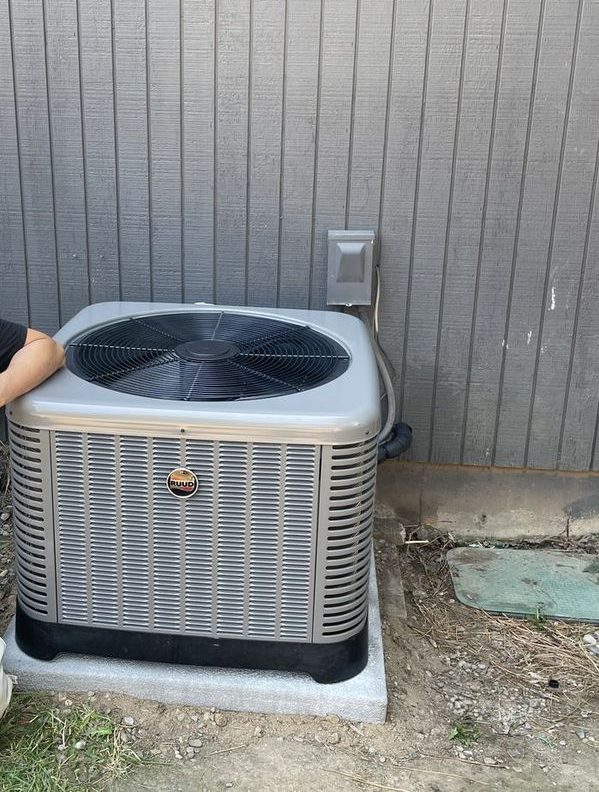
Tab 10 of 12
Placement matters on the peninsula: a raised pad clear of wet ground, back from salt spray where the lot allows, and out from under the needle drop.
See the service page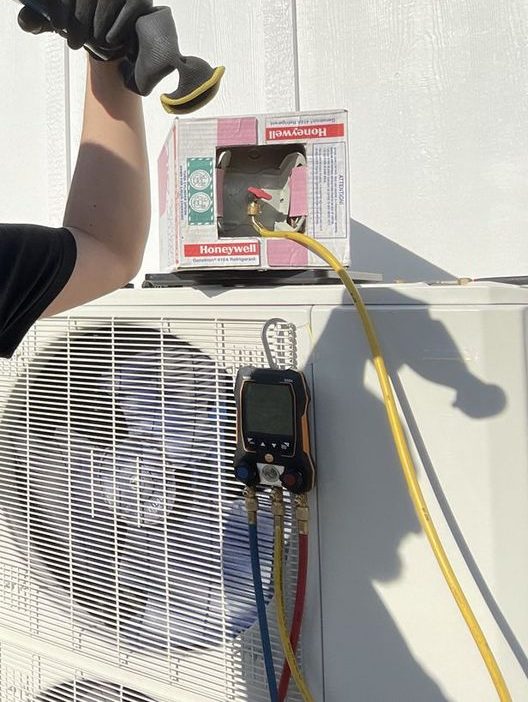
Tab 11 of 12
Mini-splits fit older homes with no room for ducts. Their line sets need sound insulation where they cross a damp crawlspace, and the outdoor unit needs a clear drain path.
See the service page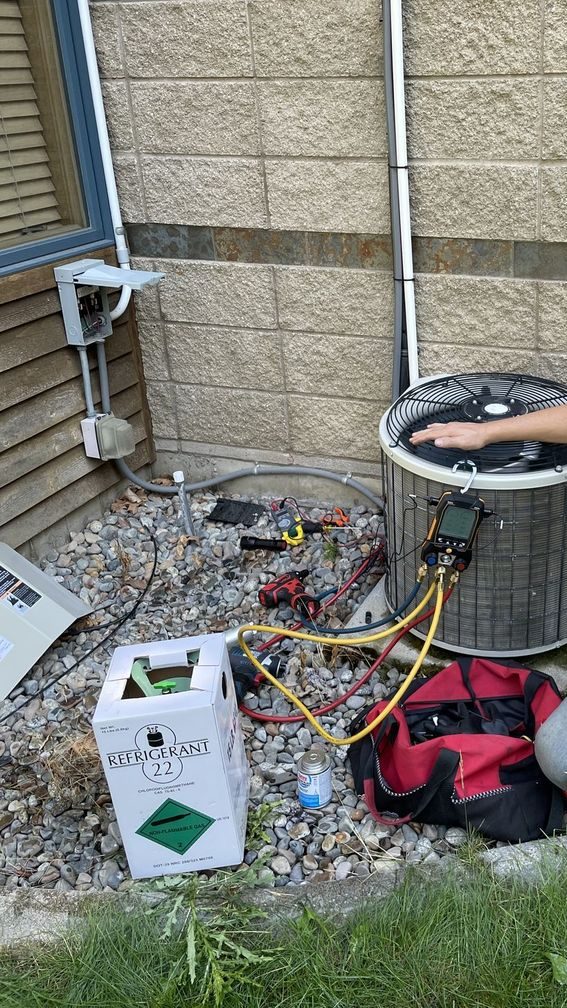
Tab 12 of 12
A seasonal visit near the water means a coil rinse, a look at the fasteners for salt rust and a base pan that drains. Those three buy waterfront equipment years.
See the service pageMore loads, wetter loads, slower exhaust. Bremerton averages about 57 inches of precipitation a year, wetter than the cities across the water, and the long gray stretch from fall to spring means rain gear, towels and bedding that rarely dry on a line. Humid laundry rooms make lint cling to vent walls instead of blowing clear. At the wall hood, fir needles, moss and storm debris can wedge the flap open or shut, and in homes along Sinclair Inlet, Dyes Inlet and Liberty Bay, salt air corrodes hood hinges until they stick partly shut. Every one of those stretches run time, raises cabinet heat, and wears belts, rollers and the safety thermostats sooner.
Housing adds its own pattern. Apartments in downtown Bremerton and in Silverdale's newer complexes often tuck stacked washer-dryer pairs into tight closets with long vent runs through interior walls. Because a stacked dryer is awkward to reach, a squeal or a fuse that keeps blowing tends to get ignored until the drum stops. We service stacked units in place when the closet allows and separate them when the repair demands it. Rural homes around Poulsbo, Gig Harbor and Fox Island more often run propane dryers; we repair the dryer, while the tank and its supply belong to your propane company.
Most dryers are. They are simple machines, and the usual failures, a belt, a coil set, a fuse, rollers, an element or an igniter, are modest jobs next to buying a new one. Replacement starts to make sense with a cracked drum or a rusted drum seam, a seized drive motor paired with worn bearings on an older unit, or a control board the maker no longer supplies. One more point matters here: a brand-new machine connected to that same choked vent will run long and hot just like the old one, so a vent problem deserves attention either way. Our technician writes the repair price, notes anything else showing wear, and leaves the call with you.
Maybe, though airflow is the likelier suspect. A failed element usually means no heat, not slow heat. Two-cycle drying more often traces to packed lint below the screen, a flattened hose, a long vent with several elbows or a sticky exterior flap. Our technician measures exhaust temperature and tests the cycling thermostat to tell the difference, and if the vent is the limit, we point to where.
No, vent cleaning isn't something we offer. During a repair we test the dryer and judge how well it exhausts, then tell you where a restriction probably sits: the transition hose, a long run, an elbow or the outside hood. You can have a vent service clear it or handle a short, reachable run yourself. Restricted airflow is a leading reason thermal fuses keep blowing.
Yes. Whether the fuel is propane or natural gas, the dryer lights with a similar igniter, flame sensor and set of valve coils, and those parts are what we test and replace. Our work covers the dryer itself; tanks, regulators and supply lines belong to your propane supplier. Catch a whiff of gas at any point? Get outside first, then call 911 or the supplier.
A thermal fuse is the messenger. It opens when cabinet temperature climbs too high, and the usual reason is exhaust that can't escape or a cycling thermostat that sticks closed. Swapping only the fuse sets up the next failure. Our technician checks exhaust flow, the cycling thermostat and the hi-limit, then fixes the cause along with the fuse.
Usually. Many stacked pairs can be repaired in place by removing the dryer's front or top panel, while others need to come out and be separated. Mention the stacked setup and the model number at booking; the technician then arrives with a plan. Some complexes require management approval for access, so check that ahead of the visit.
No, it folds into the repair total. The office quotes the fee when you book; the repair figure comes on paper once testing is done. Approve it and you pay that total; turn it down and the fee alone covers the trip. Nothing is replaced until you've seen the number and agreed.
Talk to a person
Pick a date and arrival window in our online scheduler, or phone; lines open at 8 AM and close at 7 PM, every day. After the office confirms with a call, the technician's own call comes as the van gets close.
Schedule online
Tell us what needs attention, the day that works and the window you prefer. A scheduler calls to make it firm, and the technician rings again before pulling up.
Washington Labor & Industries keeps these records public. Each number can be searched on L&I Verify; scope details sit on a separate page.
Scope of each license