Tab 1 of 12
Heat pump repair
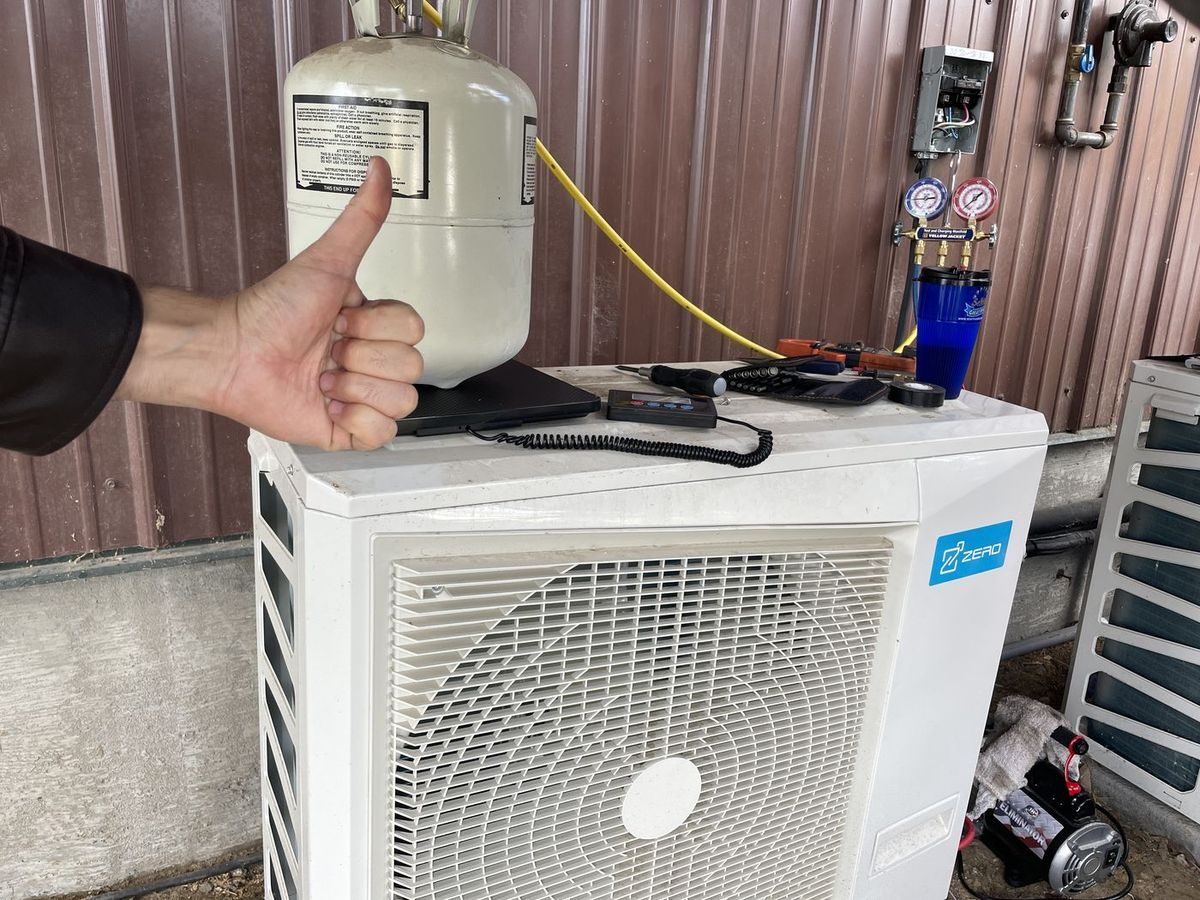
Through the gray months we watch the defrost cycle closely, because a coil that never clears is the classic Kitsap winter call. Capacitors and the reversing valve come next.
See the service page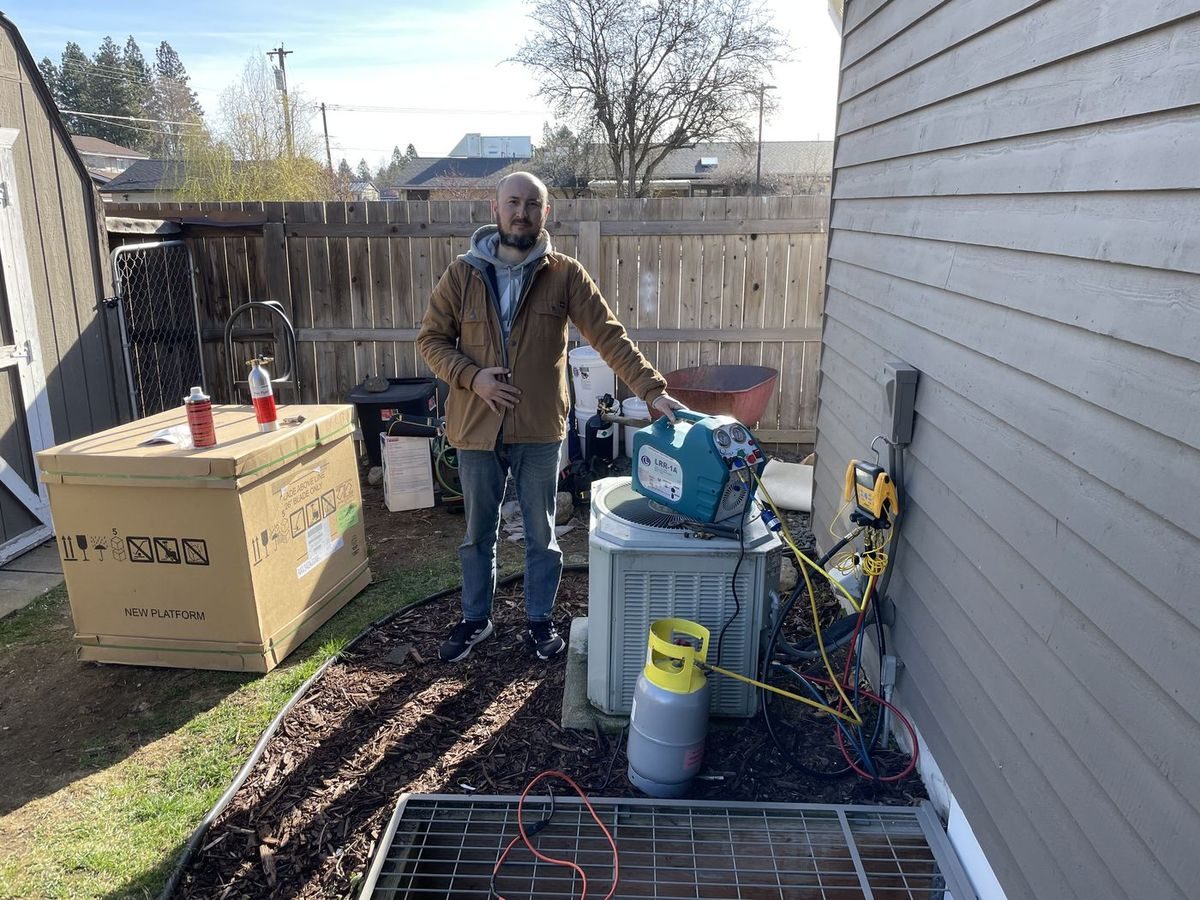
Pricing · The money side, in order
You won't find amounts on these pages, and that is deliberate: a fair figure depends on the exact heat pump, furnace or dryer our technician is looking at. What follows is the order in which costs come up, from the first phone call to the invoice in your drawer, so the bill never surprises you.
Straight to it
Every repair visit starts with a diagnostic charge; the office states it when you schedule. Testing follows, then the repair cost goes on paper, and nothing moves until you approve. Approve, and the charge counts toward the repair total; decline, and it is the only thing billed. New heating and cooling systems get one written figure for equipment plus installation, and every invoice carries its warranty terms in writing.
Travel to the house and the testing that converts a vague complaint into a named fault. The office quotes the amount when you phone or soon after an online request, before a technician is assigned, so the doorstep holds no surprises. Once there, our technician measures rather than guesses: microfarads on a heat pump's run capacitor and wear on its contactor points, microamps through a gas furnace's flame sensor and the inducer's draw, static pressure across the ductwork, resistance through an oven's bake element or a dryer's thermal fuse, and the drain pump and inlet valve on a washer.
What happens to that fee depends on one decision. Should you approve the repair, the fee is credited within the repair figure, never billed beside it. Should you pass, the fee pays for our time, nothing more is owed, and the written findings remain yours to use later or show anyone you like.
Before any part is swapped, adjusted or recharged. As soon as the cause is confirmed, we write the figure down; the decision can wait until you have mulled it over. When a real fork exists, say replacing only a swollen run capacitor versus that capacitor plus a contactor with burned points, both choices can sit side by side on the estimate.
Everyday wear items live on the truck: belts, igniters, run capacitors, door switches, contactors, pumps, flame sensors, valves, thermal fuses and fan motors. Model-specific pieces, like the control board in one particular furnace, a brand's defrost board or a front-loader's door boot, get ordered only after you approve the cost shown on the estimate. For homes on Fox Island or out on Poulsbo acreage, an ordered part means a second drive, so the office books that return trip the moment the part lands. And if a fresh problem shows up mid-repair, the work pauses and a new written price comes to you before anything more happens.
With a single written number covering both equipment and installation, plus a plain account of the job: where the outdoor unit will sit, how the ductwork joins the new equipment, the refrigerant line set to be run and charged, and the thermostat hookup. A technician looks at the house first, since the work varies widely between a Manette home with an aging gas furnace, a hillside place above Poulsbo adding its first ductless heads, and a waterfront lot on Hale Passage where a coil with a protective coating earns a place in the conversation.
Lots of peninsula homes were built with no central air and picked up a heat pump or mini-split after the June 2021 heat dome, and some of those owners now ask about retiring baseboard or an electric furnace as well. Whatever the project, the quote calls out anything beyond our licenses, such as new electrical service, so you can line up an electrician well before installation day.
Look on the invoice: the warranty terms are spelled out there and attach to whichever parts were replaced, or to the system installed. File it with the house papers. If the trouble returns while those terms run, call us, point to that earlier visit, and the follow-up proceeds on the invoice's terms.
That invoice reflects only work you agreed to, and the diagnostic fee shows up inside any repair you approved rather than on its own line. Households who rent should pass a copy along to whoever owns or manages the rental, so whoever handles the next repair can see what was done and on what terms. To begin, use the booking page to name your date and preferred arrival window, or call the office between its 8 AM opening and 7 PM close, and ask for the fee before committing.
Each tab holds a photo from our service calls and a note on what we check first. Pick any tab; left alone, they turn every few seconds.
Tab 1 of 12
Through the gray months we watch the defrost cycle closely, because a coil that never clears is the classic Kitsap winter call. Capacitors and the reversing valve come next.
See the service page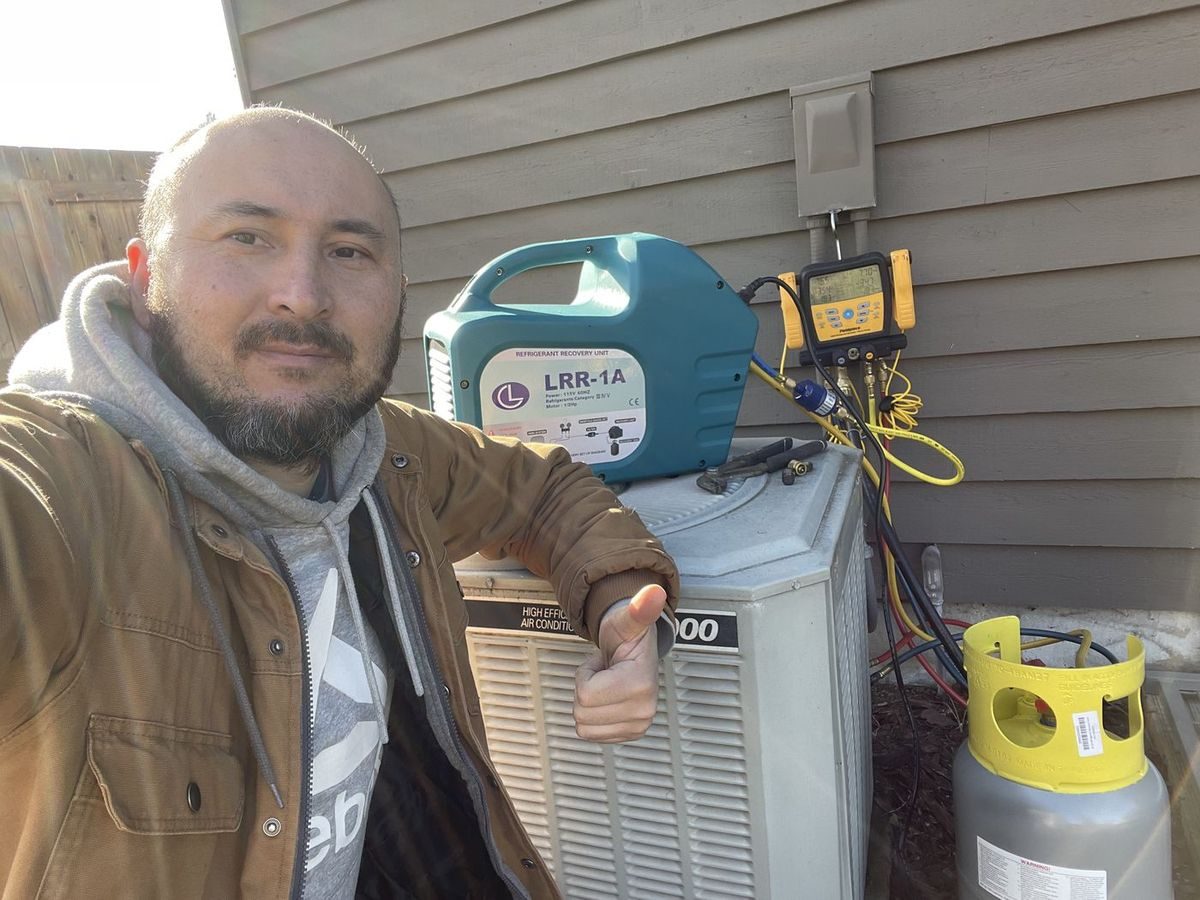
Tab 2 of 12
More Kitsap homes have cooling since the 2021 heat dome. When a system falls behind on a hot afternoon, we start with airflow, the capacitor and the refrigerant charge.
See the service page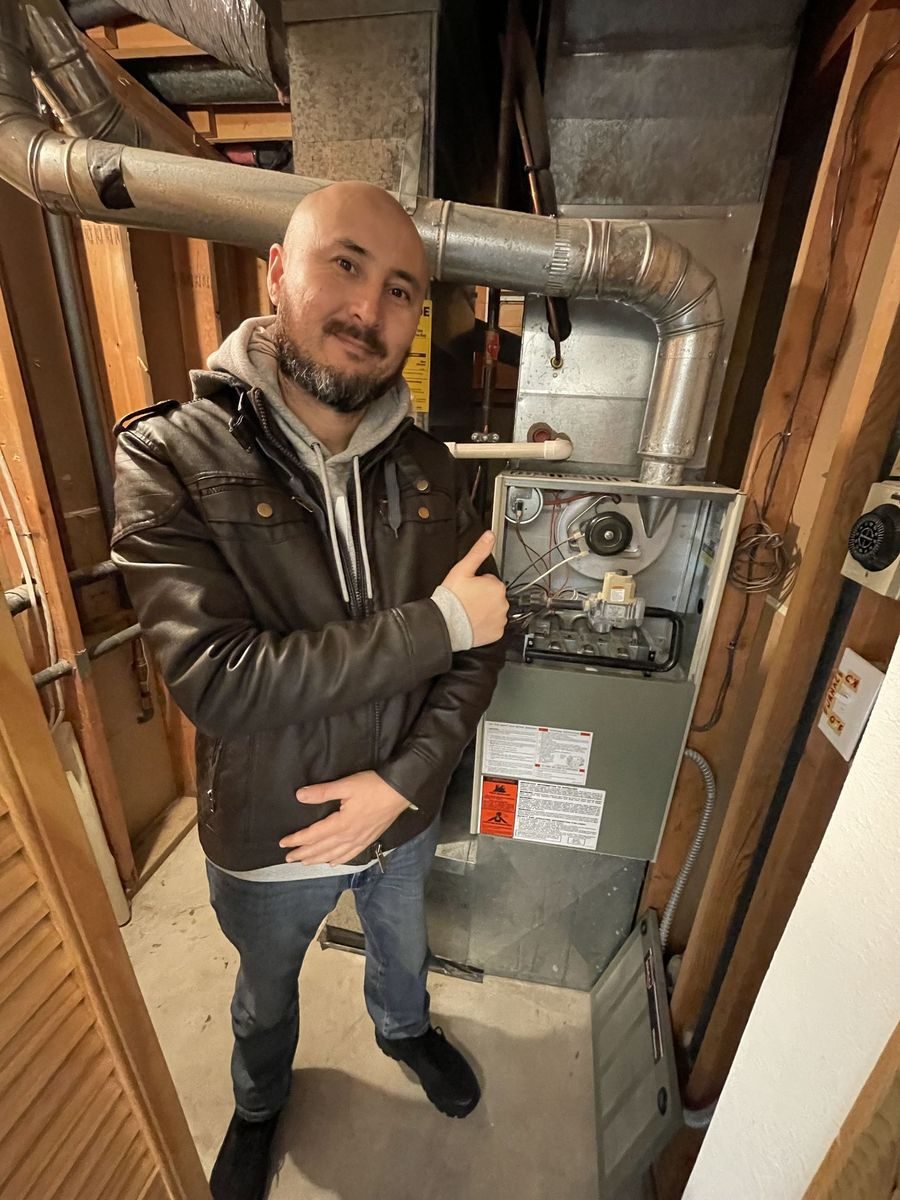
Tab 3 of 12
Many older Bremerton and Manette houses keep the furnace in a closet or under the floor. Filter, inducer, flame sensor and limit switch all get checked in that tight space.
See the service page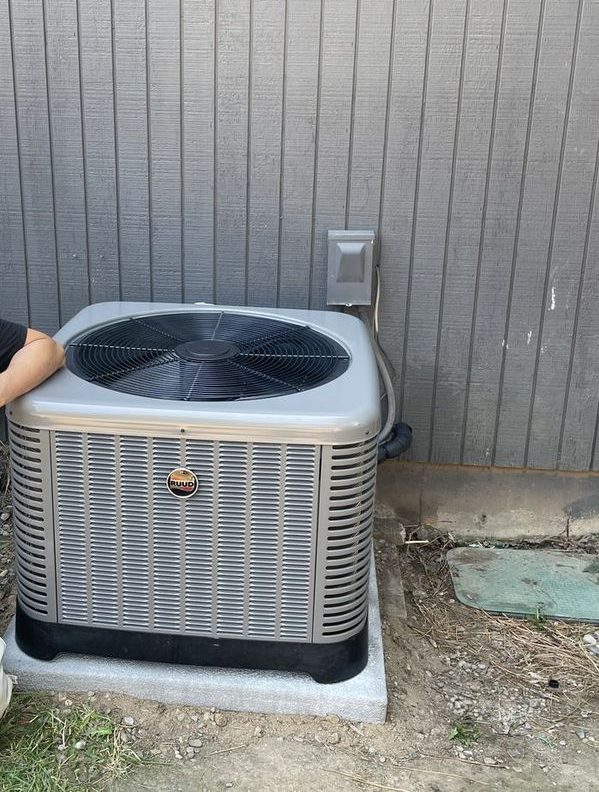
Tab 4 of 12
Placement matters on the peninsula: a raised pad clear of wet ground, back from salt spray where the lot allows, and out from under the needle drop.
See the service page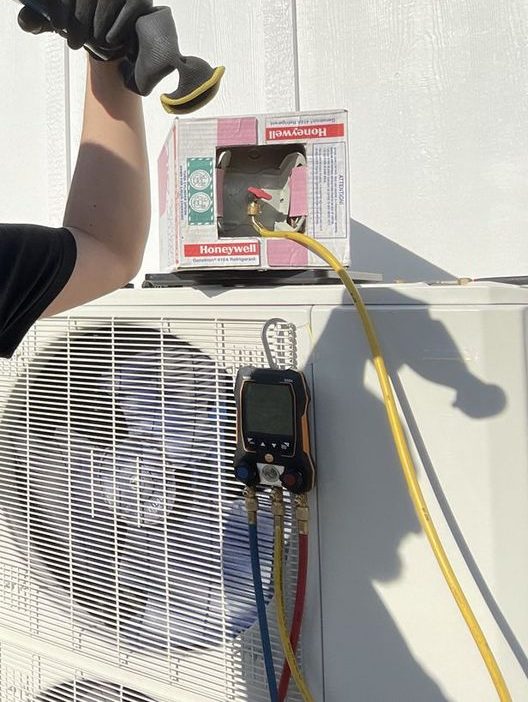
Tab 5 of 12
Mini-splits fit older homes with no room for ducts. Their line sets need sound insulation where they cross a damp crawlspace, and the outdoor unit needs a clear drain path.
See the service page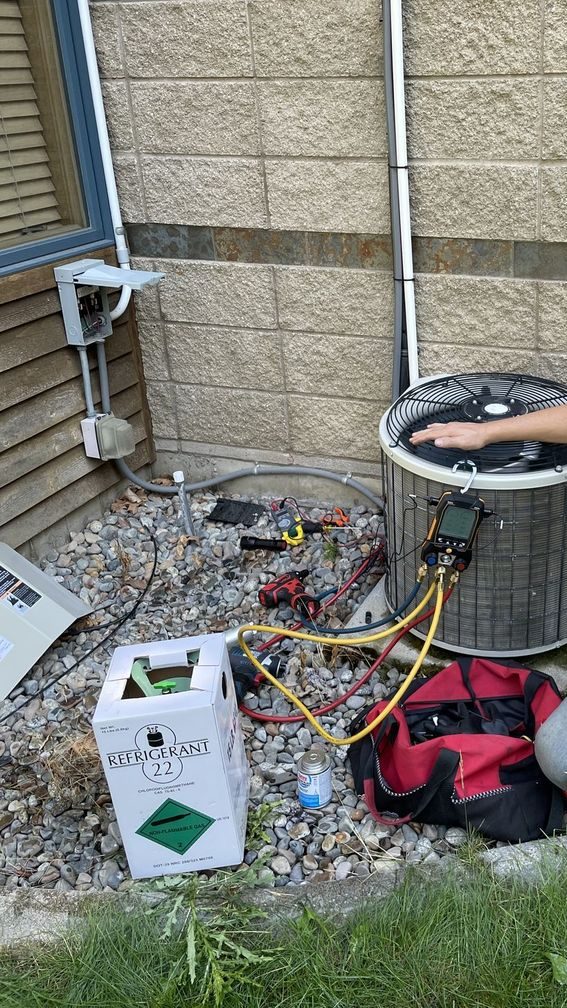
Tab 6 of 12
A seasonal visit near the water means a coil rinse, a look at the fasteners for salt rust and a base pan that drains. Those three buy waterfront equipment years.
See the service page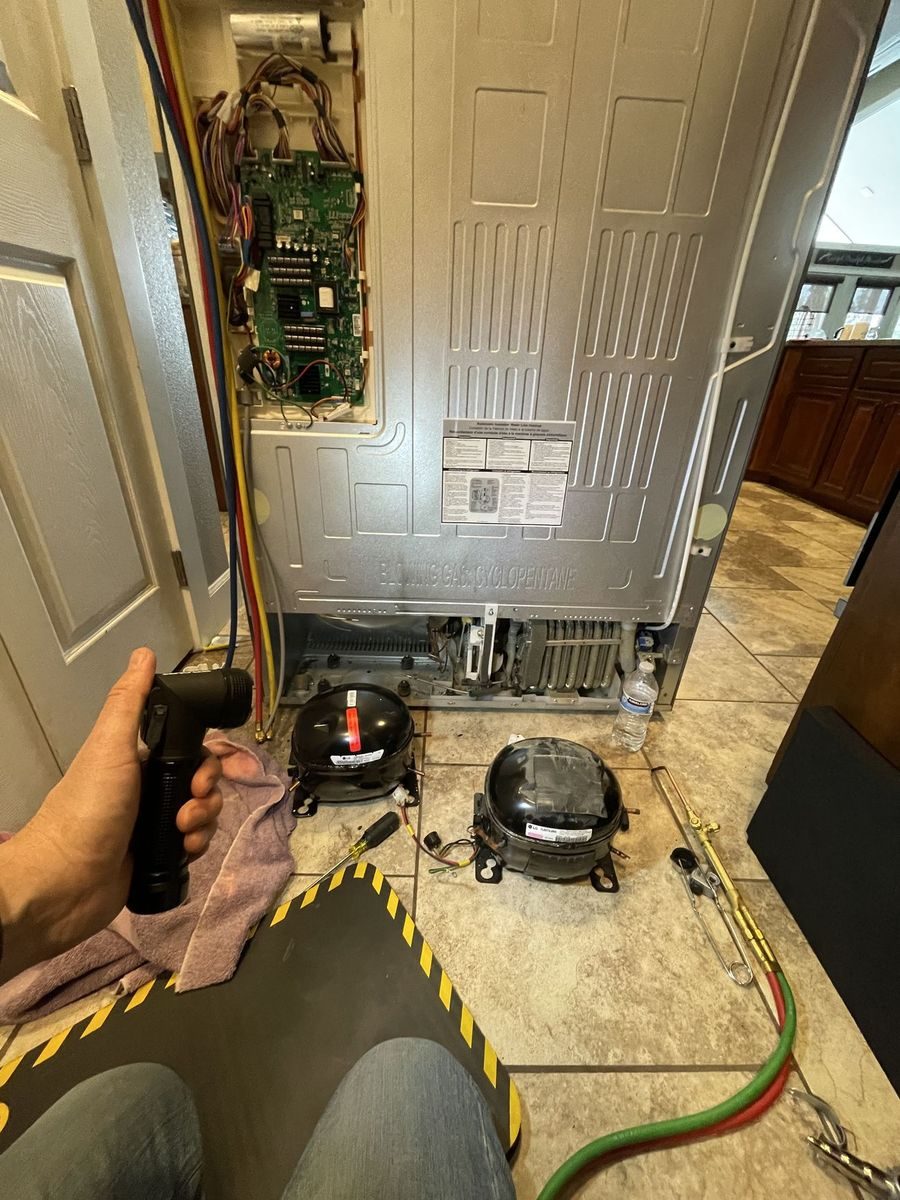
Tab 7 of 12
Sealed-system work, from leak search to recharge, happens right in the kitchen under EPA 608 Universal credentials, so the fridge stays where it stands.
See the service page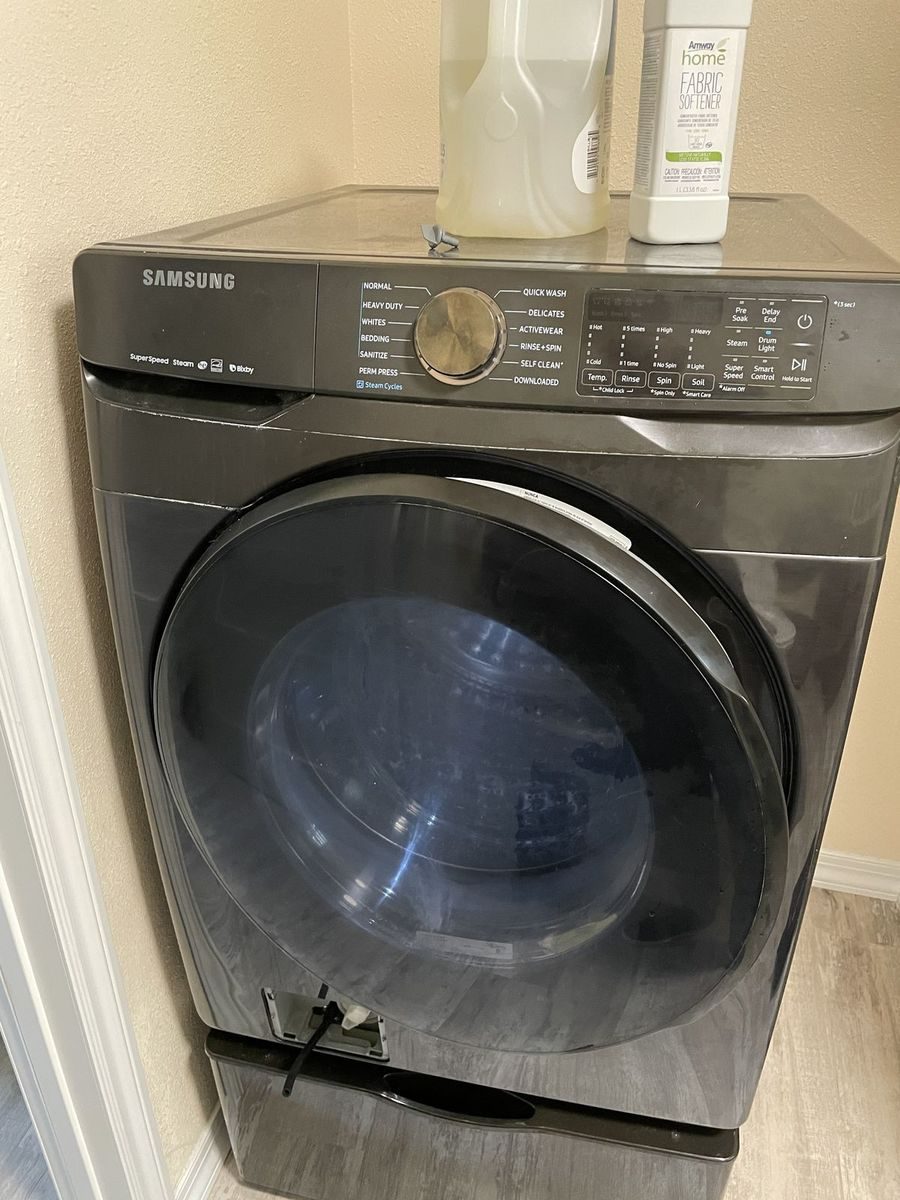
Tab 8 of 12
Damp Kitsap laundry rooms are hard on door boots, so mildew, torn folds and a clogged pump filter are the first things we look at on a front-loader.
See the service page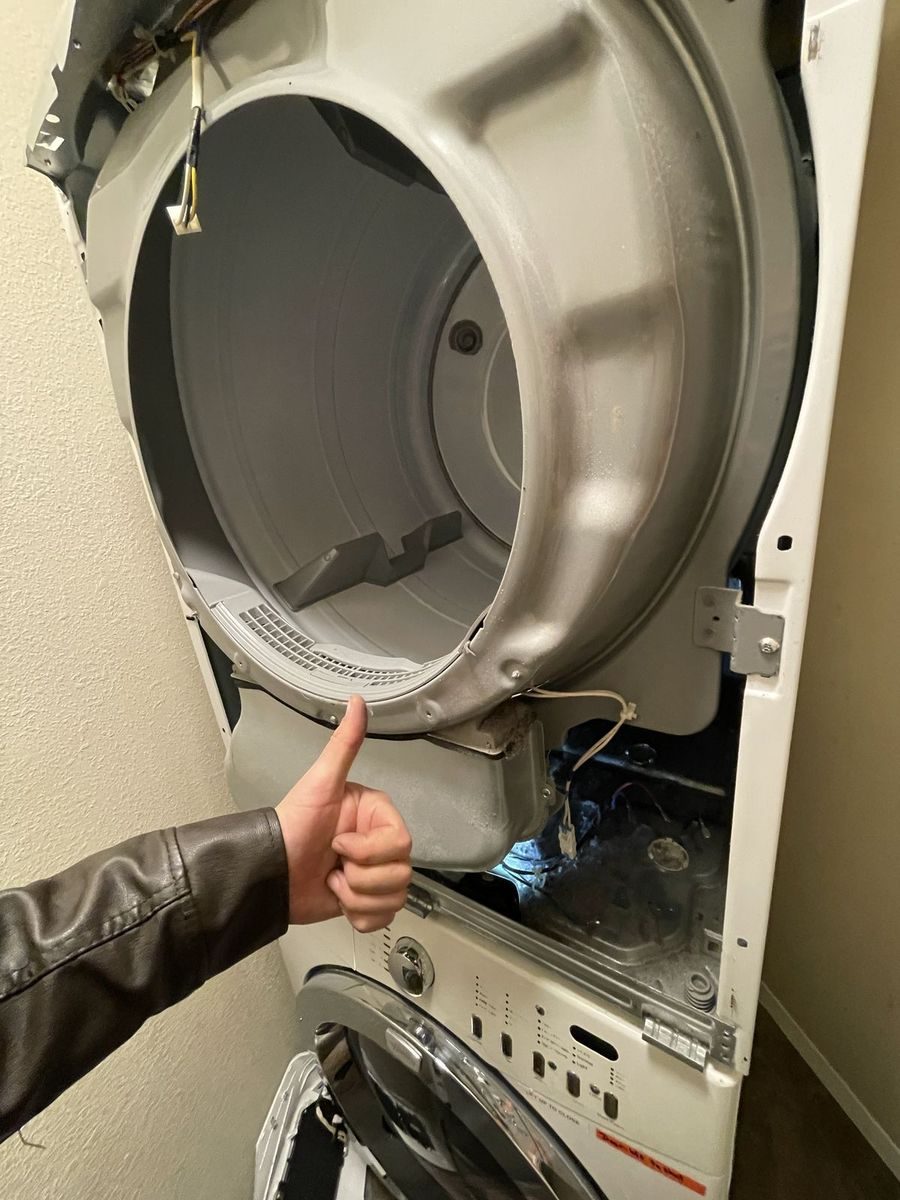
Tab 9 of 12
Long vent runs through damp walls fill with lint quickly, so the vent gets tested along with the heating side: element or burner, thermal fuse and thermostats.
See the service page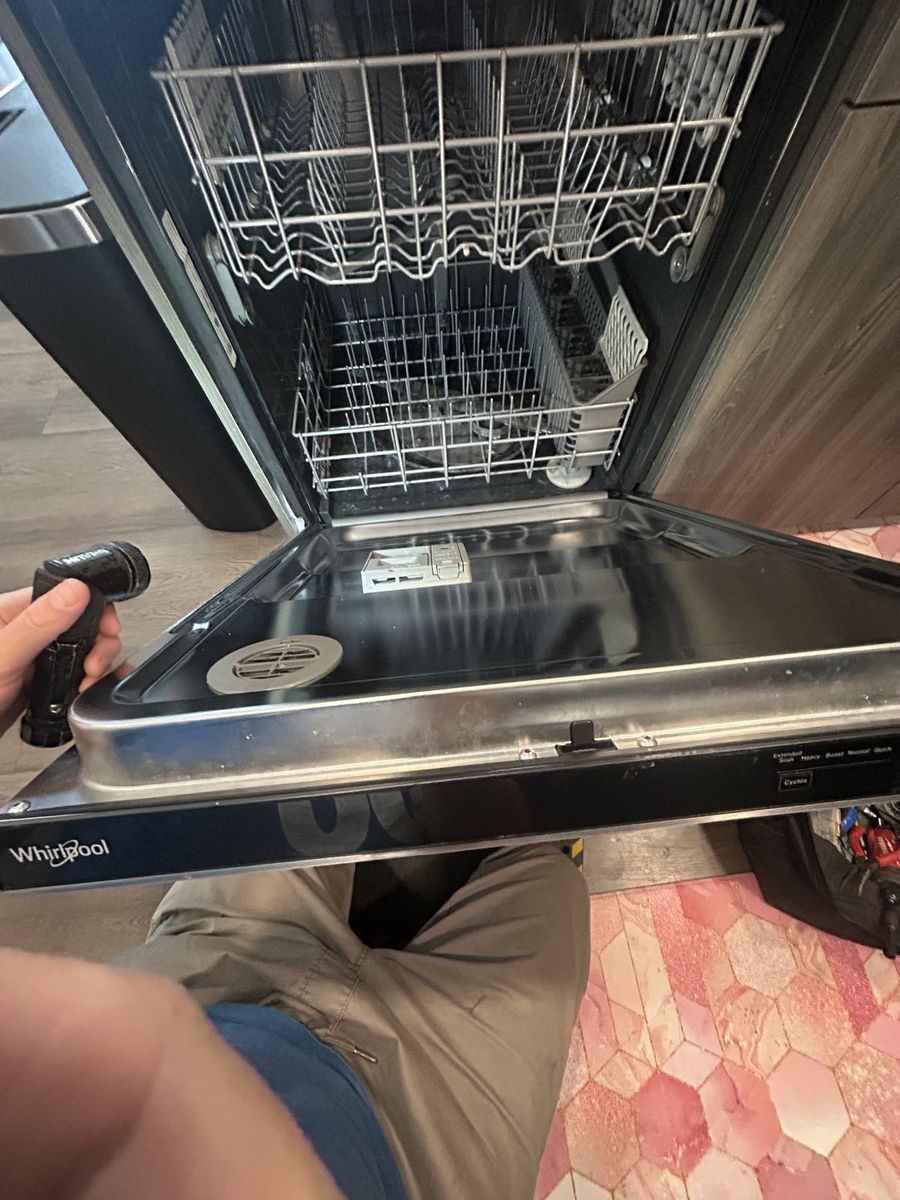
Tab 10 of 12
Well water leaves minerals on the spray arms and the inlet screen, two early stops when dishes come out dull or the tub fills slowly.
See the service page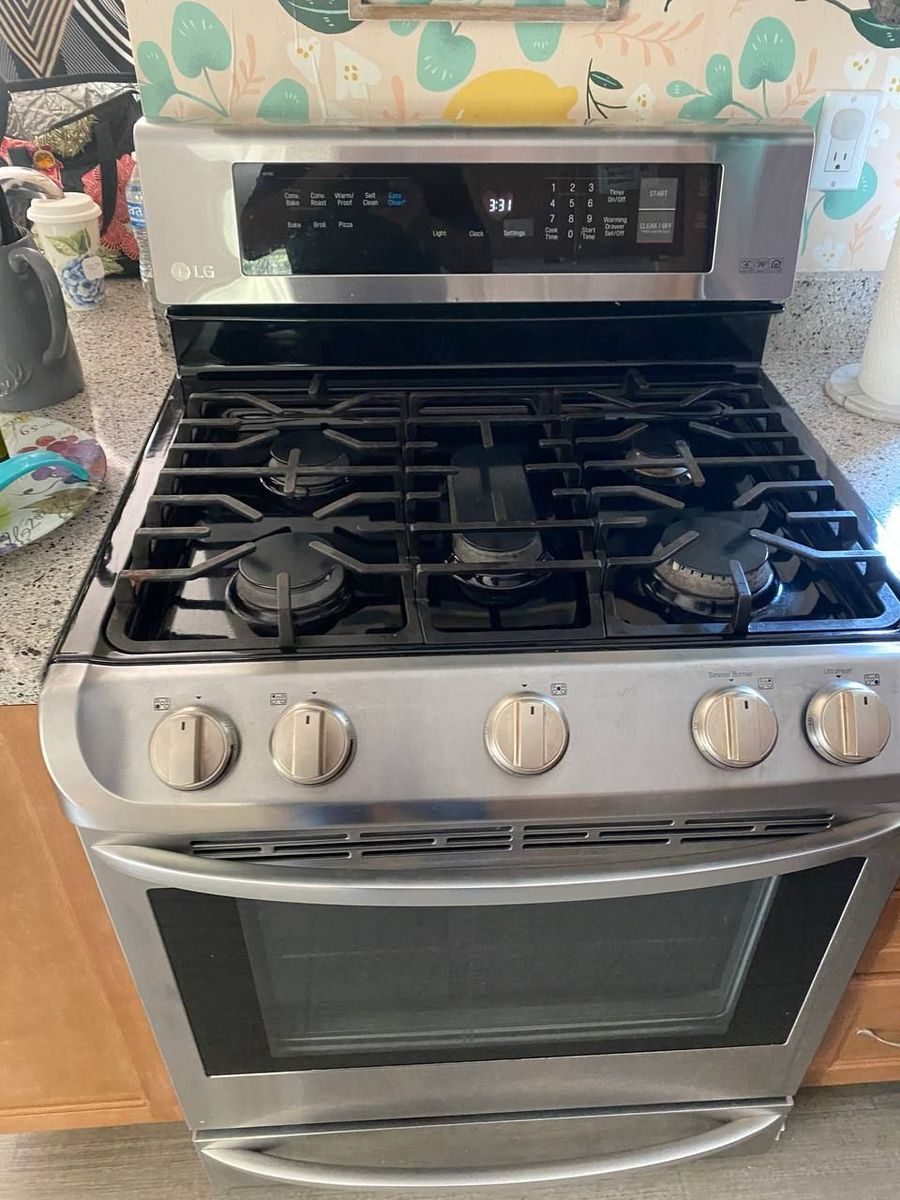
Tab 11 of 12
Natural gas and propane ranges both get igniter, valve and flame checks. The tank and its lines stay with your propane supplier.
See the service page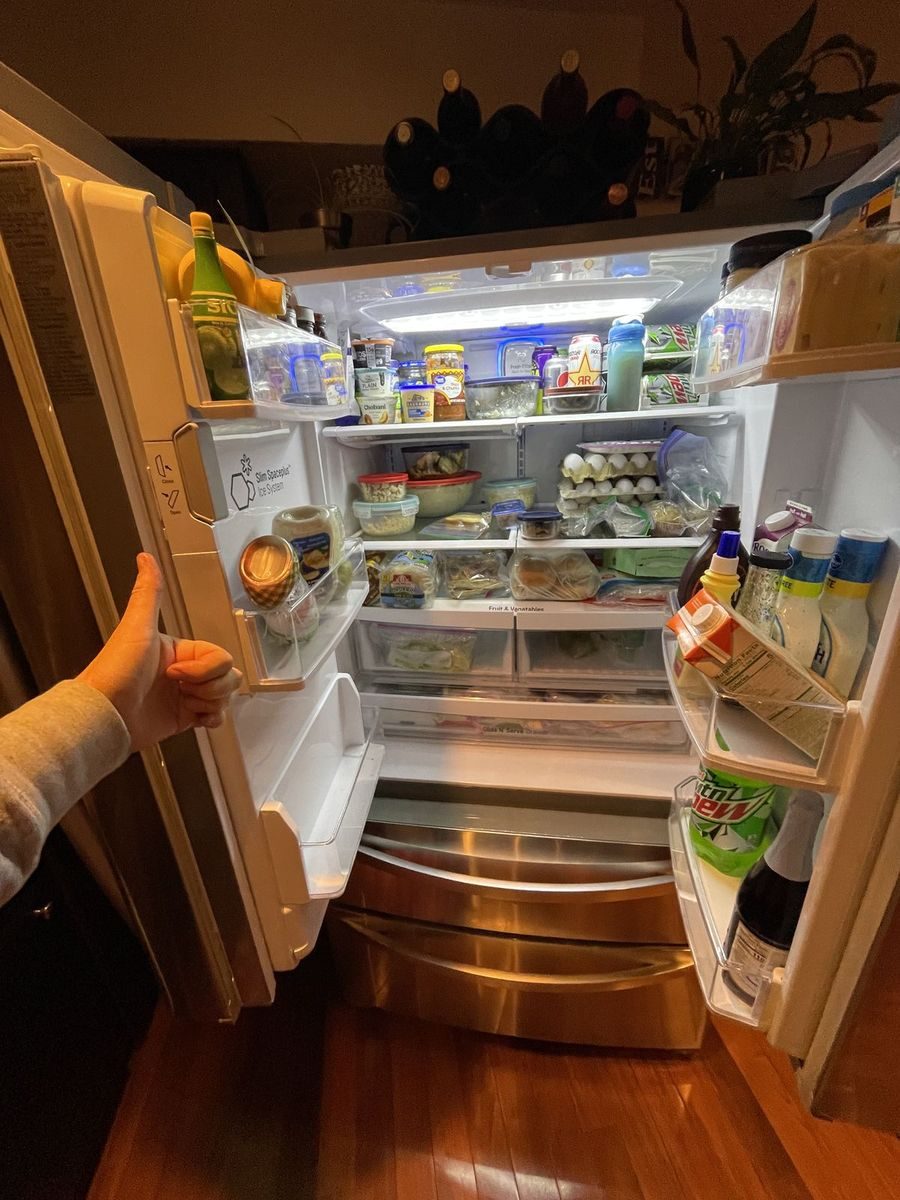
Tab 12 of 12
After a windstorm outage the fill tube often freezes solid and the ice maker goes quiet, so we follow the water up from the inlet valve.
See the service pageBecause a posted number would mislead most households. A heat pump blowing cool air in January could need a capacitor, a defrost board, a reversing valve solenoid or a refrigerant leak repair, and each of those carries a different cost. So we start with a known diagnostic fee, shared by phone before the visit, then test your system, and only then write a repair price for the equipment you actually own.
The diagnostic fee and nothing more. Our technician still completes the testing, explains what failed and leaves the written price behind. Turn it down for any reason, whether that is a second opinion, budgeting, or a plan to replace the unit outright, and the visit closes there with no add-ons. The paper stays with you if you want to revisit it.
Not when you approve the work. In that case the fee sits within the repair total on the written price instead of showing up as a second charge. It stands alone only if you turn the repair down. Either way, the office shares the amount before the appointment is even confirmed, so it never appears as a late surprise.
You see the part's cost on the written estimate before any order is placed, which happens only after you sign off. The technician reads the model and serial plate so the right piece is ordered. Once it arrives, the office phones to book the return visit; on Fox Island or any home past a bridge, mention then if gate codes or access have changed.
Only with your agreement. Your approval covers the work on the written price and nothing else. If the technician uncovers a second problem partway through, say a contactor with scorched points hiding behind a failed capacitor, the job pauses and you receive a new written price for that item. Nothing extra is done or billed until you agree to it.
Talk to a person
Reserve online with a date plus your preferred arrival window, or ring us; the line opens at 8 AM daily and the last call is taken at 7 PM. Ask about the diagnostic fee before deciding anything.
Schedule online
Tell us what needs attention, the day that works and the window you prefer. A scheduler calls to make it firm, and the technician rings again before pulling up.
Washington Labor & Industries keeps these records public. Each number can be searched on L&I Verify; scope details sit on a separate page.
Scope of each license