Tab 1 of 12
Heat pump repair
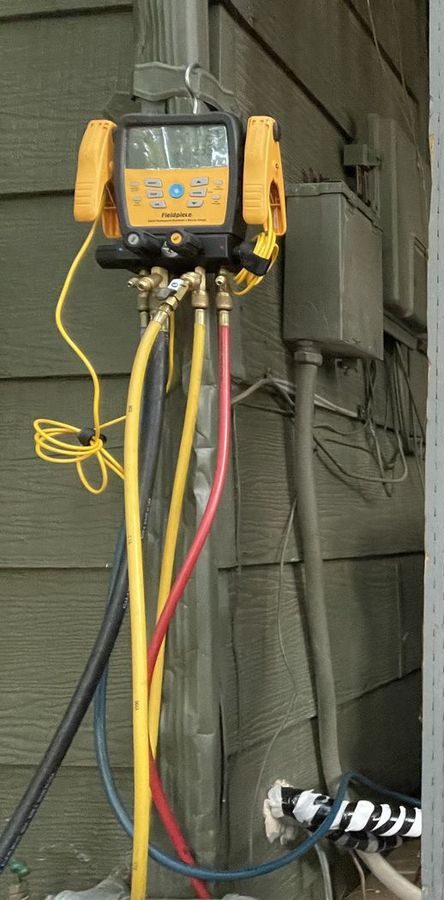
Through the gray months we watch the defrost cycle closely, because a coil that never clears is the classic Kitsap winter call. Capacitors and the reversing valve come next.
See the service page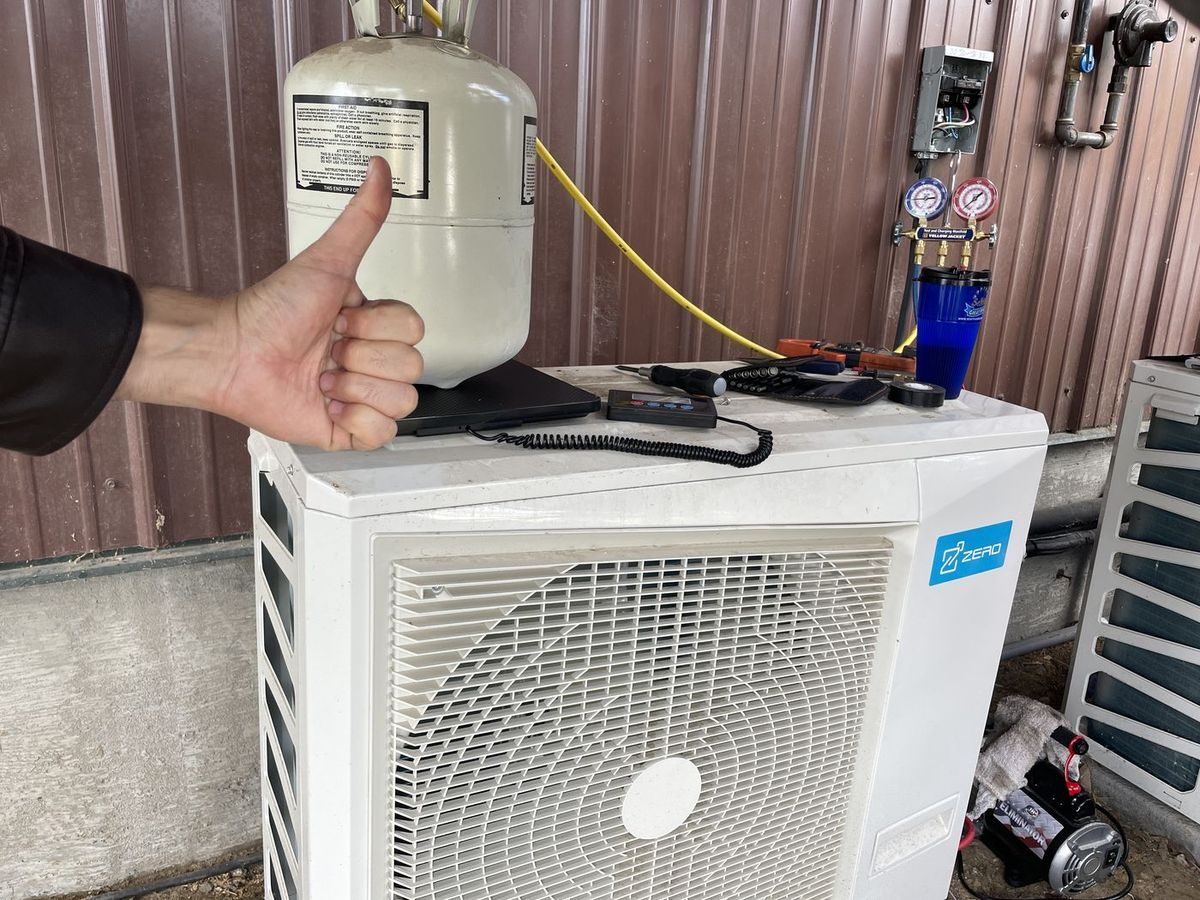
Guide · Drizzle, salt spray and one bridge to the island
Months of gray weather between 35°F and 50°F suit a heat pump well, yet they also keep its outdoor coil wet from November into spring. This guide sorts routine defrost from real faults and explains what rain, salt and needles do to the outdoor unit.
Straight to it
Through a wet Kitsap winter, expect frequent defrost: the fan outside halts, refrigerant swaps direction with a loud rush, and vapor rolls off the fins for several minutes. All of that is routine. Fins still caked in frost once the cycle ends, a fan that never spins back up, or an AUX indicator glowing hour after hour signal a fault. Keep the unit raised, picked clean of needles and rinsed of salt.
Because the air is cool and nearly always wet. Bremerton collects about 57 inches of precipitation a year, more than the cities across the water that sit in the Olympic rain shadow, and its winter lows average close to 35°F. To pull heat from 38°F drizzle, the outdoor coil has to run several degrees colder than the air, which puts its surface below freezing. Moisture condenses on the fins and turns to frost, and a frosted coil passes less air and gathers less heat.
The defrost board watches for that. Using a coil sensor, elapsed run time or both, it shifts the reversing valve so hot refrigerant flows outside and melts the frost away. Oddly, a foggy 36°F morning can call for more defrost cycles than a dry, clear 25°F night, since there is so much more water in the air to freeze onto the fins. Frequent defrost on the peninsula reflects the climate, not a weak unit.
A healthy cycle is short and noisy. Outside, the fan goes quiet, the valve flips with a hiss, the compressor's tone drops, and vapor billows up from the coil while meltwater runs out the base. Indoors, supply air may cool briefly as the AUX strips fill in. A few minutes later the valve flips back, there is a second rush of sound, and the fan resumes.
Faults look different and linger. Frost that survives a completed cycle, then thickens over the next hours, means defrost is not finishing. Our technicians trace that to a coil sensor reading wrong, a defrost control stuck in heating mode, a reversing valve hung up partway or its solenoid coil burned open, an undercharge that shows up in superheat and subcooling readings, or an outdoor fan motor or capacitor that has quit. Only technicians with the EPA 608 Universal credential open the refrigerant circuit.
Storm winds drive rain sideways into places it never reaches on a calm day. Water slips past the louvers into the electrical compartment, where it speeds pitting on the contactor and corrosion on capacitor terminals and wire lugs. Kitsap is thick with Douglas fir, cedar, alder and maple, and windstorms like the November 2024 bomb cyclone bring trees down across lines; the flickers and surges around those outages can damage a defrost board or other control electronics. Once power returns, an outdoor unit that stays dark while the strips carry the house may have a blown fuse or a damaged board.
Near the water, salt is the slower problem. Homes along Sinclair and Dyes Inlets, Liberty Bay, the harbor at Gig Harbor and Hale Passage catch spray on every onshore breeze. It settles in the aluminum fins, holds moisture there, and eats them into a white, flaky crust that crumbles at a touch. Left alone, that corrosion reaches the copper tubing and opens pinhole leaks, while cabinet screws and the base pan rust from below. A gentle freshwater rinse a few times a year slows it. When a waterfront unit needs replacing, ask about a coil with a protective coating, priced in writing with the rest of the system.
Raised, so defrost meltwater falls clear instead of freezing around the feet. A pad sunk into soggy lawn leaves the unit standing in its own puddle, and on a cold night that water turns into a ridge of ice creeping up into the coil. A stand or riser on firm, level ground solves it. Units under a roof edge without a gutter take a steady stream, sometimes icicles, straight onto the top grille, so a spot outside the drip line matters.
Needles are the other enemy. Fir needles, alder catkins and maple leaves pile into the top grille and the base pan, plug the pan's weep holes and hold water against the coil, and moss soon follows on the cabinet top. Lifting a unit onto a stand or shifting it away from a drip line is equipment work we price for you in writing before anything moves.
A short list, provided the breaker for the outdoor unit is switched off before hands go near the cabinet. Anything behind the electrical cover, any refrigerant work and any ice removal stays with a technician.
Each tab holds a photo from our service calls and a note on what we check first. Pick any tab; left alone, they turn every few seconds.
Tab 1 of 12
Through the gray months we watch the defrost cycle closely, because a coil that never clears is the classic Kitsap winter call. Capacitors and the reversing valve come next.
See the service page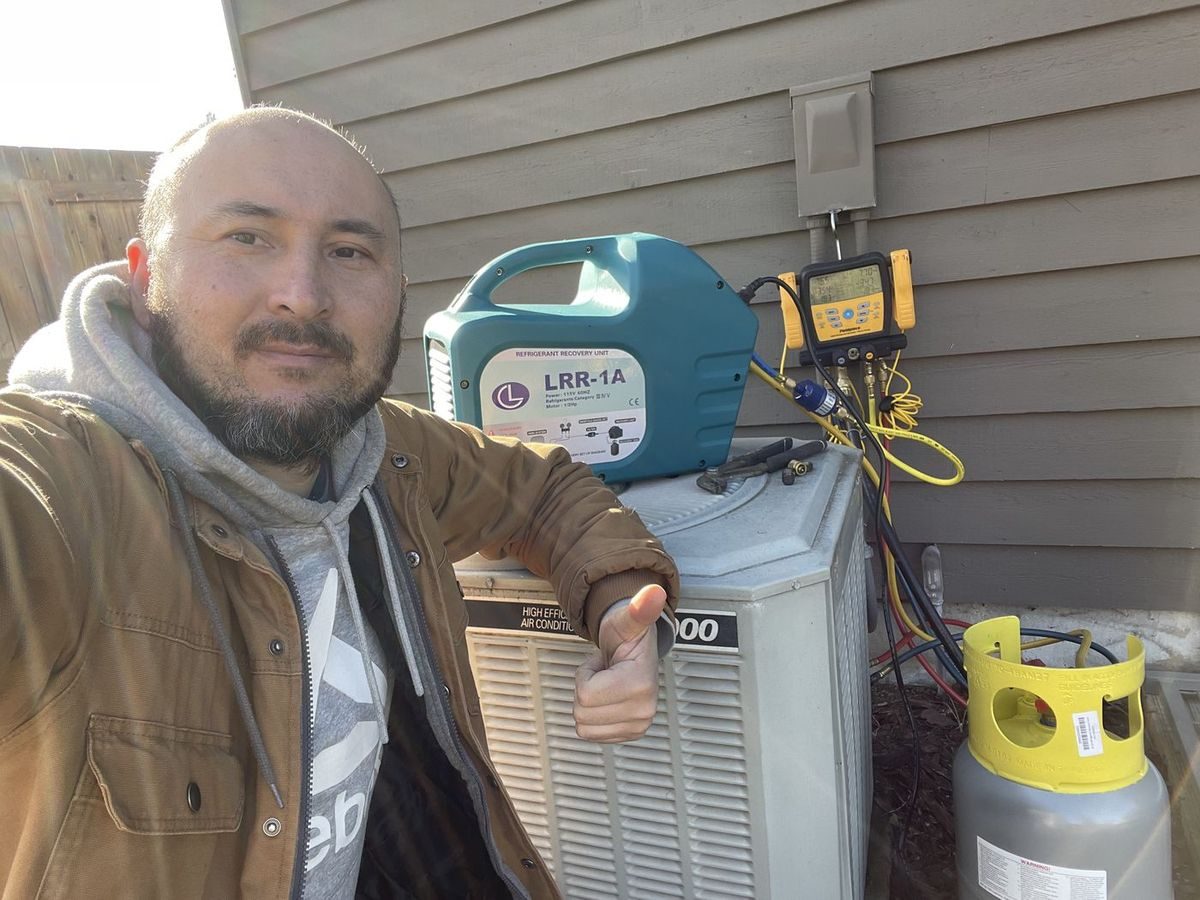
Tab 2 of 12
More Kitsap homes have cooling since the 2021 heat dome. When a system falls behind on a hot afternoon, we start with airflow, the capacitor and the refrigerant charge.
See the service page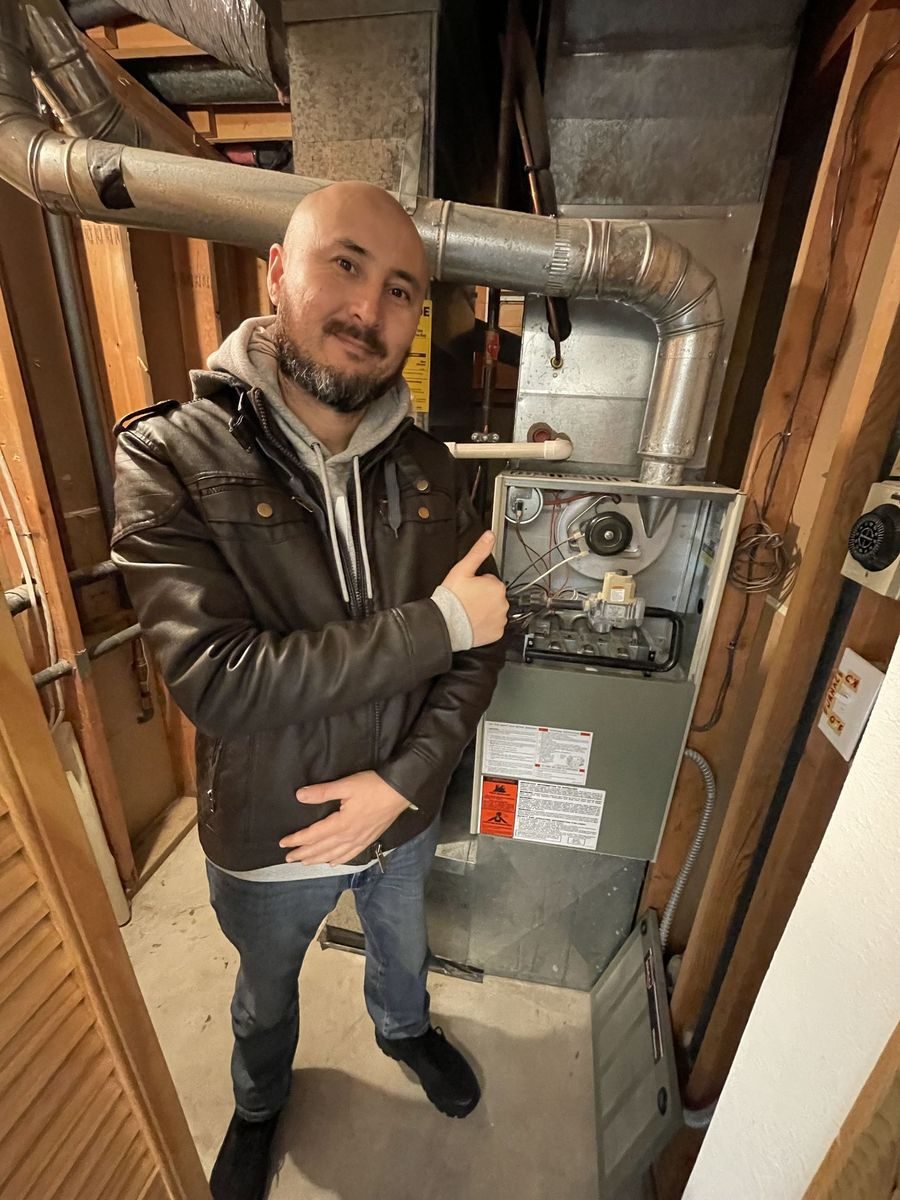
Tab 3 of 12
Many older Bremerton and Manette houses keep the furnace in a closet or under the floor. Filter, inducer, flame sensor and limit switch all get checked in that tight space.
See the service page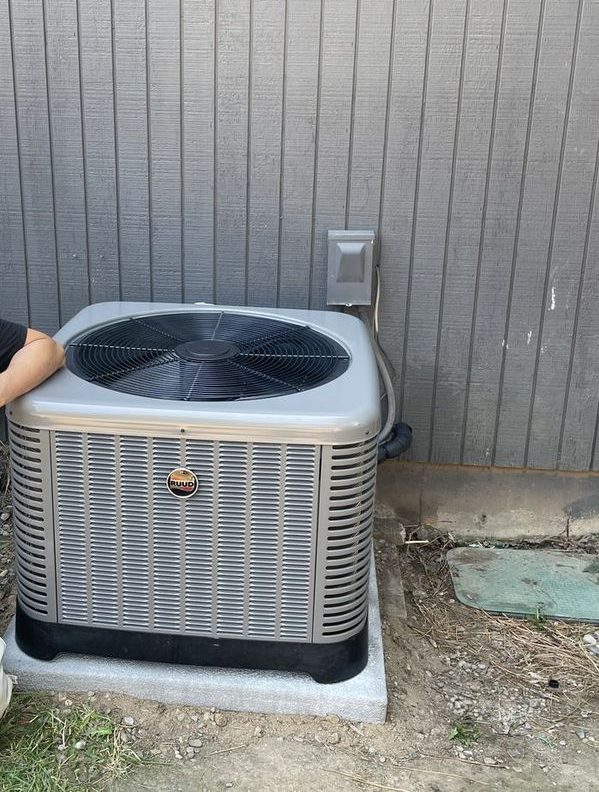
Tab 4 of 12
Placement matters on the peninsula: a raised pad clear of wet ground, back from salt spray where the lot allows, and out from under the needle drop.
See the service page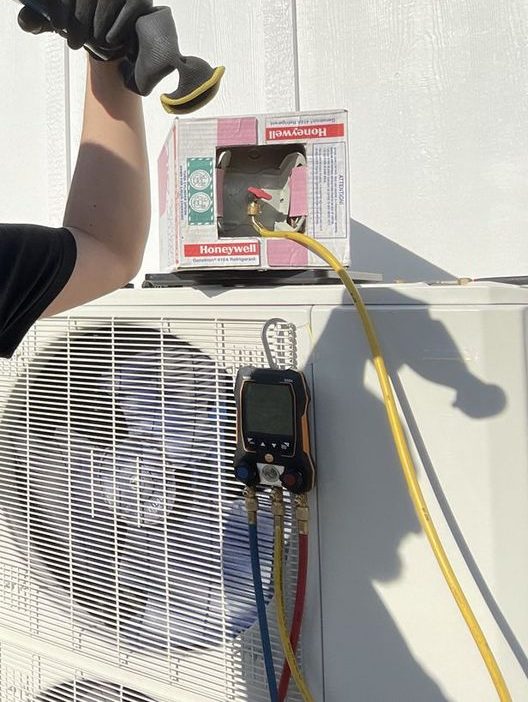
Tab 5 of 12
Mini-splits fit older homes with no room for ducts. Their line sets need sound insulation where they cross a damp crawlspace, and the outdoor unit needs a clear drain path.
See the service page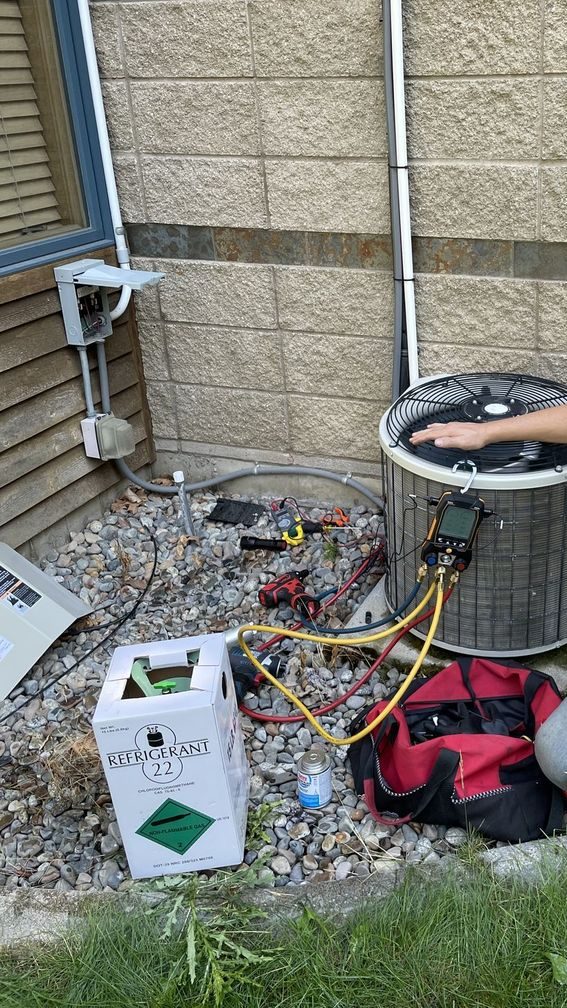
Tab 6 of 12
A seasonal visit near the water means a coil rinse, a look at the fasteners for salt rust and a base pan that drains. Those three buy waterfront equipment years.
See the service page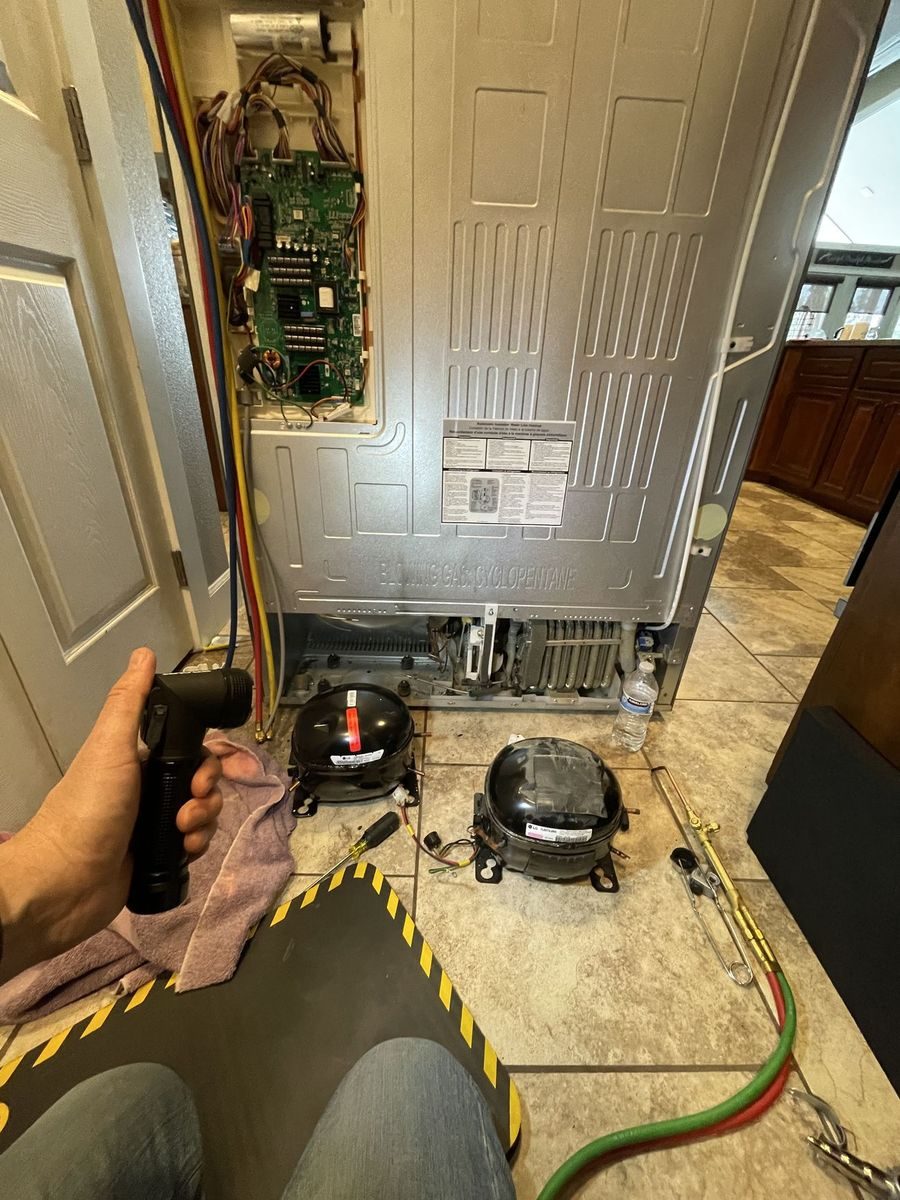
Tab 7 of 12
Sealed-system work, from leak search to recharge, happens right in the kitchen under EPA 608 Universal credentials, so the fridge stays where it stands.
See the service page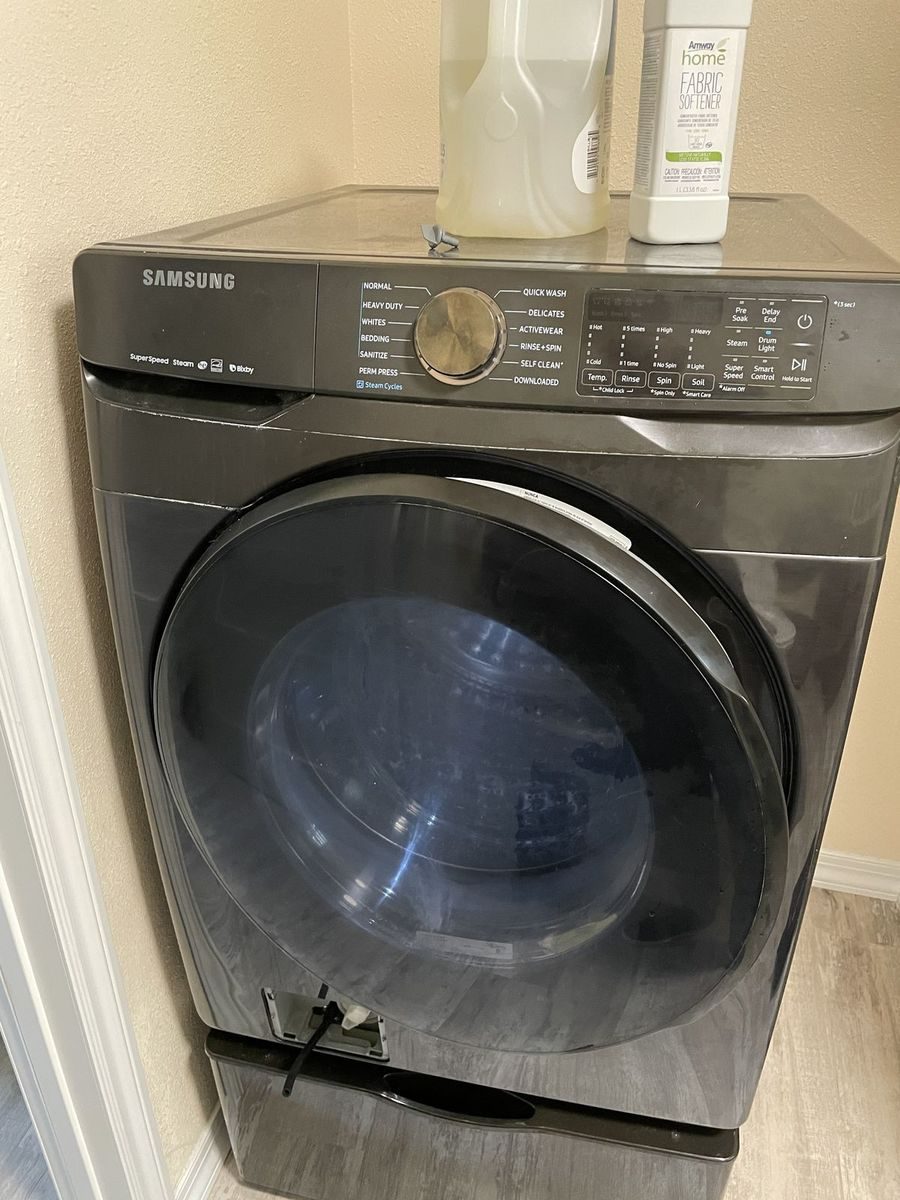
Tab 8 of 12
Damp Kitsap laundry rooms are hard on door boots, so mildew, torn folds and a clogged pump filter are the first things we look at on a front-loader.
See the service page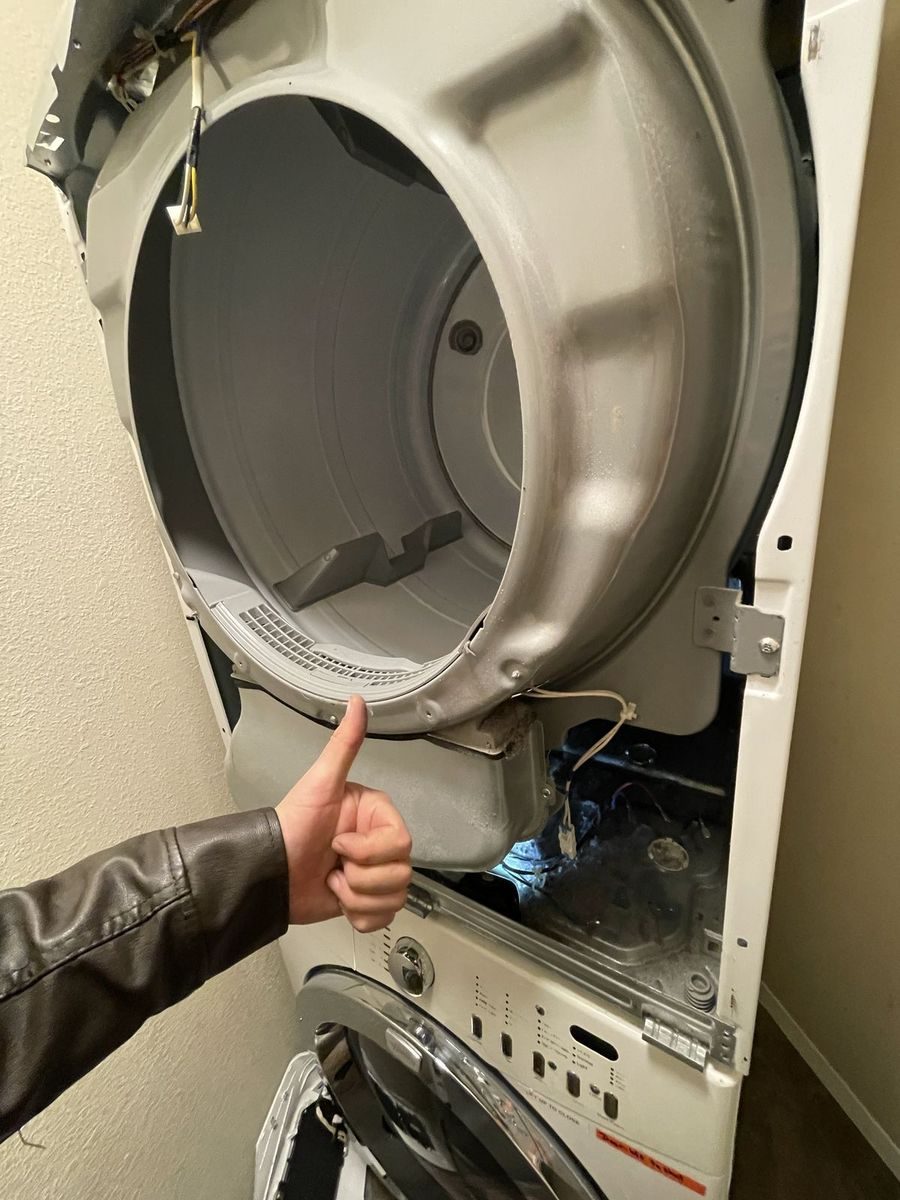
Tab 9 of 12
Long vent runs through damp walls fill with lint quickly, so the vent gets tested along with the heating side: element or burner, thermal fuse and thermostats.
See the service page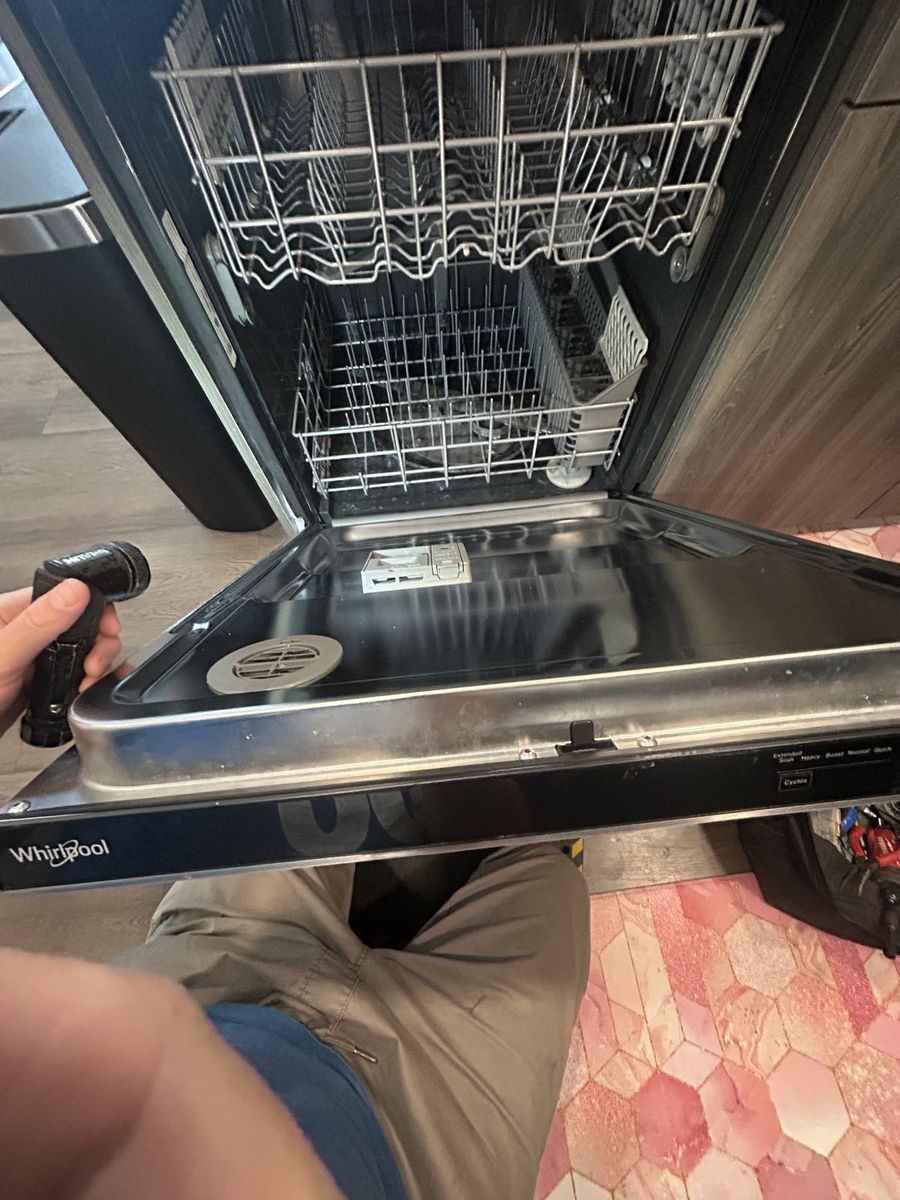
Tab 10 of 12
Well water leaves minerals on the spray arms and the inlet screen, two early stops when dishes come out dull or the tub fills slowly.
See the service page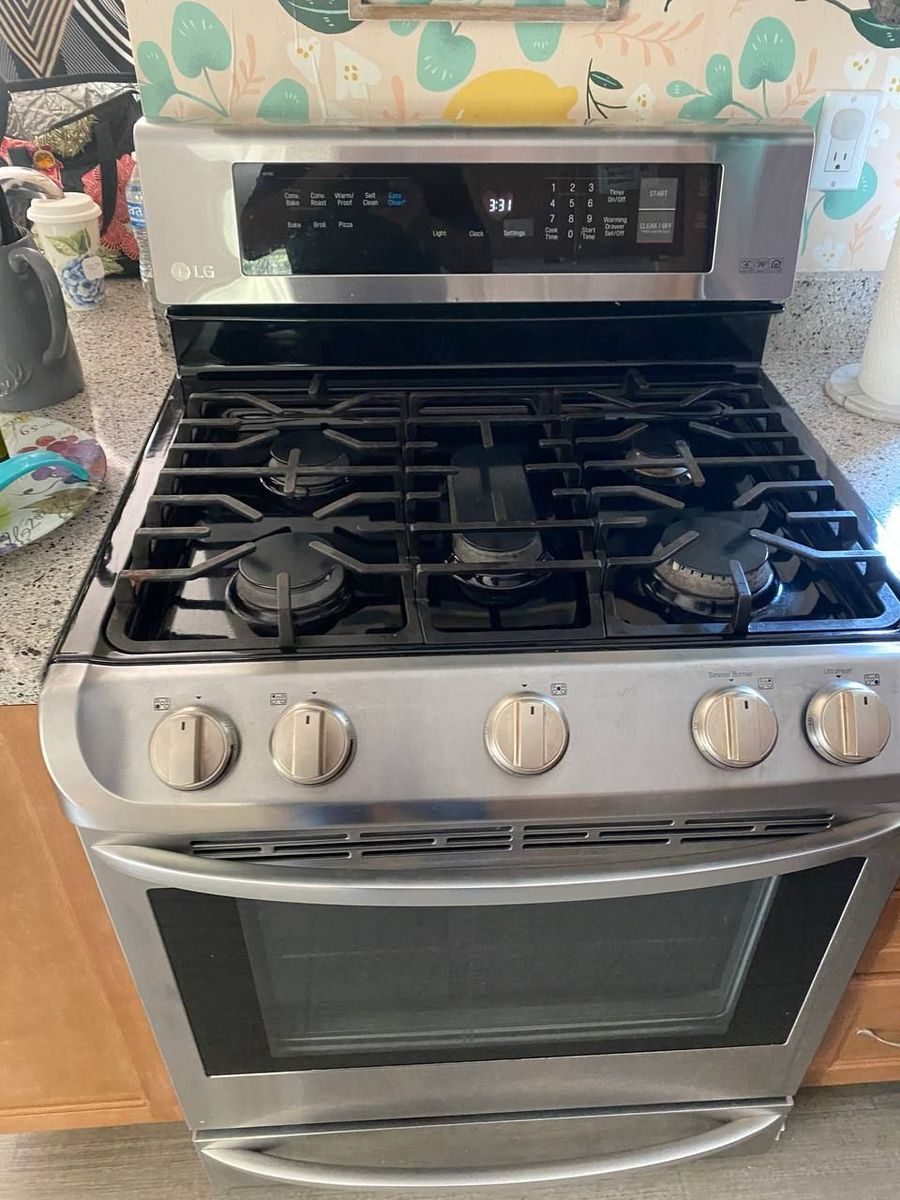
Tab 11 of 12
Natural gas and propane ranges both get igniter, valve and flame checks. The tank and its lines stay with your propane supplier.
See the service page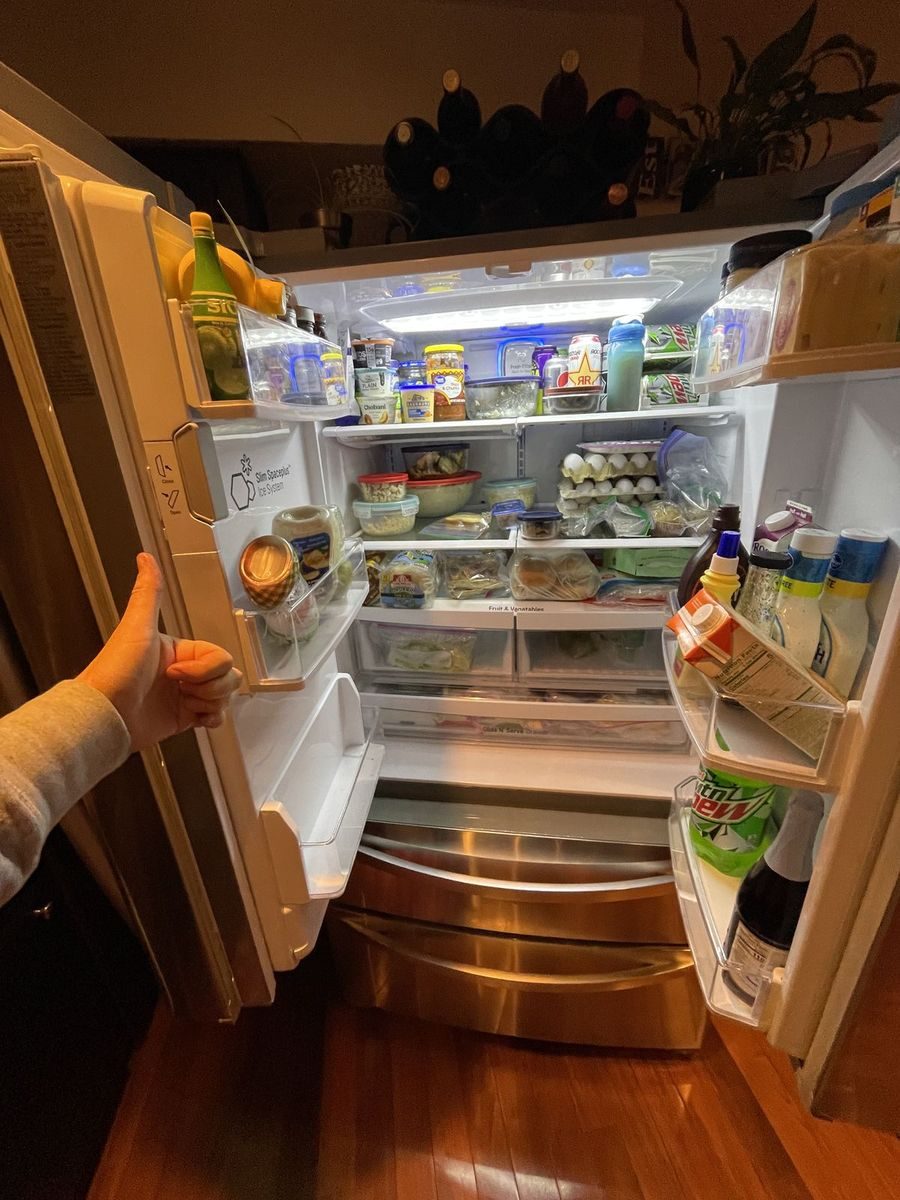
Tab 12 of 12
After a windstorm outage the fill tube often freezes solid and the ice maker goes quiet, so we follow the water up from the inlet valve.
See the service pageAround the bridge. Fox Island connects to the mainland only by the Fox Island Bridge across Hale Passage, which lands at Artondale near Gig Harbor, so each trip is routed with that one crossing in mind. Booking works as it does anywhere else we go, and the office phones to settle the window. A few details help the technician arrive ready: where the outdoor unit sits, especially under a deck or down a bank on the waterfront side, any gate or steep driveway, and a photo of the model plate. Capacitors, contactors, fan motors and valves travel on the truck; anything special-order gets priced before it is ordered.
Island homes get the same terms as the peninsula: a written price before work and a diagnostic fee the office states up front. Approve the repair and the fee folds into it; say no, and that fee covers the island trip in full. Our state license lists the 06A HVAC/Refrigeration specialty this work falls under, and the invoice states the warranty.
Guide · Waterfront heat pumps
How spray off the inlets, the harbor and Hale Passage corrodes heat pump and AC outdoor units, the safe freshwater rinse, coated coils for replacements, and when to call.
Guide · Storm season
When firs and alders take the lines down: restarting heat pumps and furnaces safely, keeping the fridge and freezer cold, resetting a breaker once, and spotting surge damage.
Guide · A moving truck and somebody else's appliances
For households changing homes around Bremerton, Silverdale and Poulsbo: washer bolts, fridge settling time, ice maker lines, dryer hookups and a heating check at the new rental.
Almost always it is vapor from a defrost cycle. Melting frost on a warm coil gives off a white cloud with no odor, and it fades within minutes as the fan restarts. Smoke behaves differently: it smells burnt, keeps coming, and may rise from the electrical side of the cabinet. If you see that, turn the heat off at the wall control, flip the outdoor unit's breaker off, and phone us.
Usually not. Most often the thermostat is climbing back from a nighttime setback, and a big overnight drop tells many models to bring the strips on to close the gap quickly. A smaller setback, or a thermostat with gradual recovery, leaves more of that work to the heat pump. AUX staying lit all day in mild weather is a different matter and calls for a visit.
No. Unlike an air conditioner, a heat pump works hardest in winter and needs open airflow on every side. A full cover traps moisture, invites rodents and can starve the coil if someone forgets it is there. Keeping the top grille clear of needles and the base pan draining does far more good. Some makers offer a top guard that leaves the sides open; follow the manual.
Usually not, though planning matters more. Trips to Fox Island are routed around the single bridge, and the arrival window you pick reflects that. Telling the office where the outdoor unit sits, whether there is a gate, and the model number from the data plate helps the technician bring likely parts on the first trip across Hale Passage.
Talk to a person
Use the website calendar to claim a day and window, or phone us any day after 8 AM and before 7 PM. A call confirms the slot, and another comes as the van gets close.
Schedule online
Tell us what needs attention, the day that works and the window you prefer. A scheduler calls to make it firm, and the technician rings again before pulling up.
Washington Labor & Industries keeps these records public. Each number can be searched on L&I Verify; scope details sit on a separate page.
Scope of each license