Tab 1 of 12
Refrigerator repair
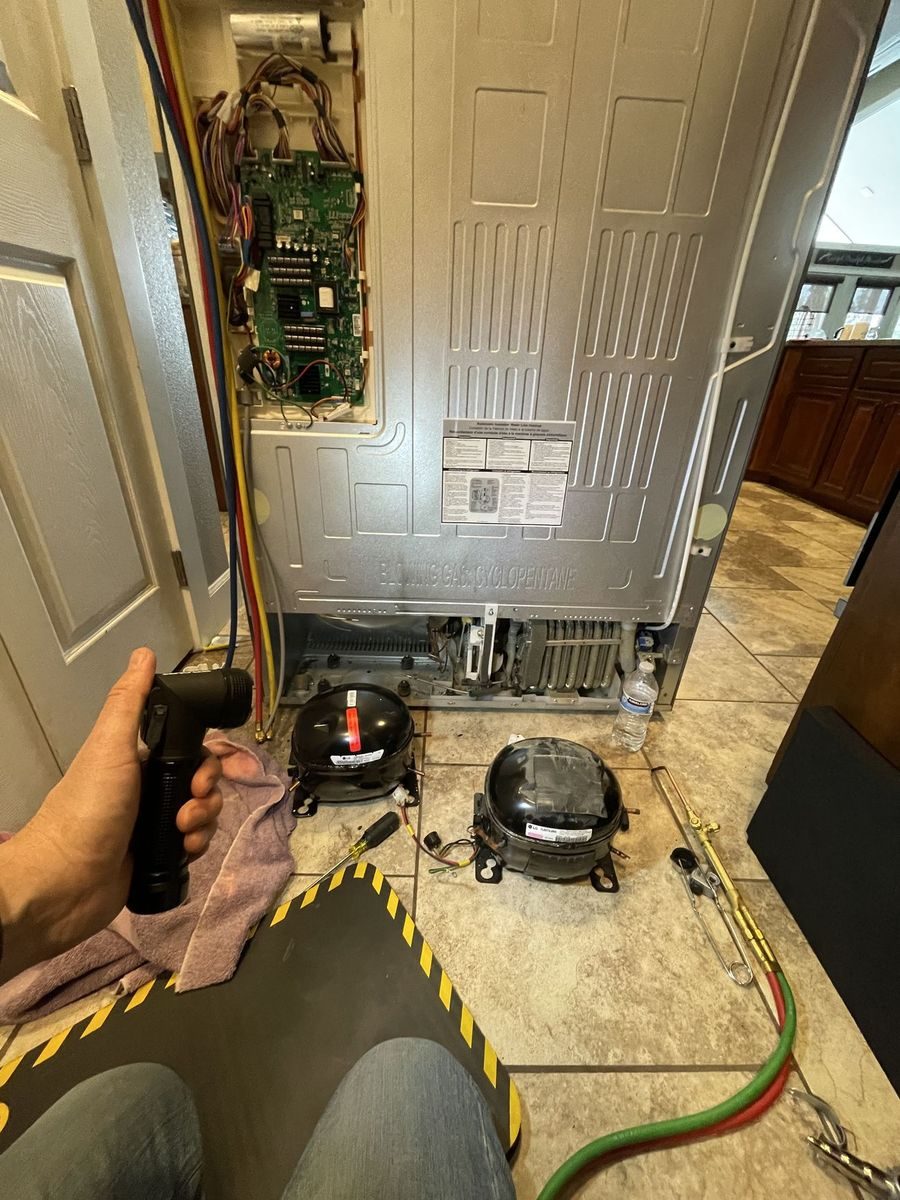
Sealed-system work, from leak search to recharge, happens right in the kitchen under EPA 608 Universal credentials, so the fridge stays where it stands.
See the service page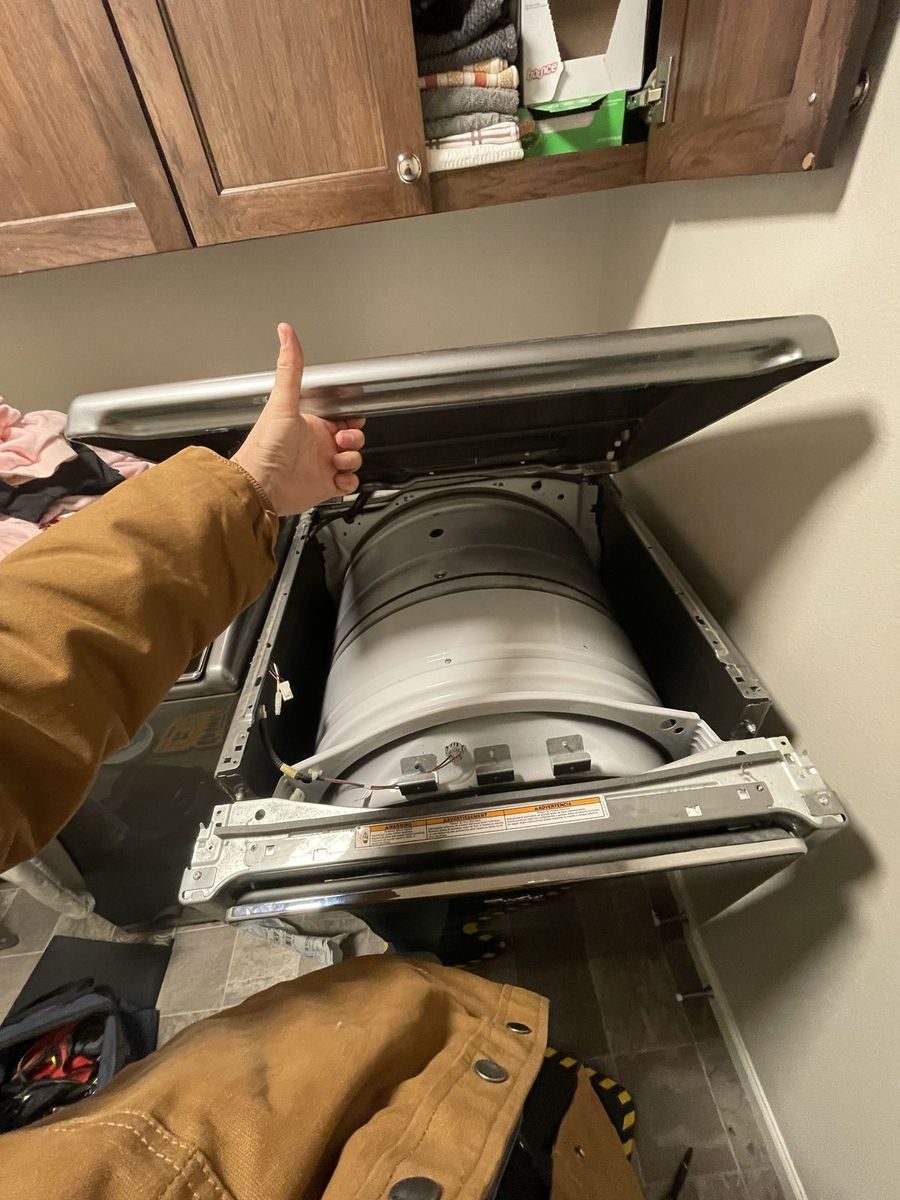
Silverdale · Laundry, refrigeration and kitchen appliances
Silverdale appliances rarely get a quiet week. Households near the shopping corridor run the dishwasher nightly, new arrivals bring machines that rode cross-country in a trailer, and apartment closets squeeze laundry into a stack. Our technicians track the symptom to one failed part and price that repair in writing.
Straight to it
Silverdale appliance calls tend to sort into a few piles: front-loaders slamming around because shipping bolts stayed in after a move, refrigerators cooling poorly after riding on their side, stacked dryers popping a thermal fuse inside tight closets, inlet screens slowed by groundwater minerals, and drain pumps worn out by daily loads. We test the part, write the price, and repair with your approval.
Supply comes first. The technician confirms power and water at the appliance itself, since a tripped breaker, a half-closed valve or a hose pinched behind a freshly shoved refrigerator can mimic a dead machine. Then each suspect part gets metered: lid locks, door boots, drain pumps and suspension rods on washers; thermal fuses, elements, igniters and belts on dryers; start relays, evaporator fans, defrost heaters and inlet valves on refrigerators; wash motors, float switches and heating elements in dishwashers.
Diagnosis carries a set fee, which you hear from the office while scheduling. If the repair proceeds, that fee is counted within the bill; if you pass, you owe the fee and nothing beyond it. No part comes off until the repair price is written down and you have agreed, ordered items are priced on that same sheet, and the invoice records the warranty. Door switches, pumps, belts, valves and thermal fuses are carried on the truck. Larch's 07D Appliance Repair specialty sits on its Washington electrical contractor license.
Silverdale households come and go often, and their appliances travel too. Moves damage machines in predictable ways. Washers need their shipping bolts out before the first load, a refrigerator that spent the trip lying down needs hours upright before the plug goes in, and ice makers often sit idle simply because nobody opened the supply valve again. Dryer vents get flattened when a machine is shoved back against the wall. Check those four things first and you may skip a visit.
Apartment laundry brings its own habits. Stacked pairs and narrow front-loaders in hall closets get little fresh air, so dryers run hot and door boots stay damp enough for mildew; leaving the washer door cracked after each load lets the boot dry. Silverdale's water comes mostly from groundwater wells through small local water systems, and those minerals show up first at inlet screens, refrigerator filters and ice maker valves. To book, the website takes a day and arrival window, or you can phone; the office calls back to confirm.
Each tab holds a photo from our service calls and a note on what we check first. Pick any tab; left alone, they turn every few seconds.
Tab 1 of 12
Sealed-system work, from leak search to recharge, happens right in the kitchen under EPA 608 Universal credentials, so the fridge stays where it stands.
See the service page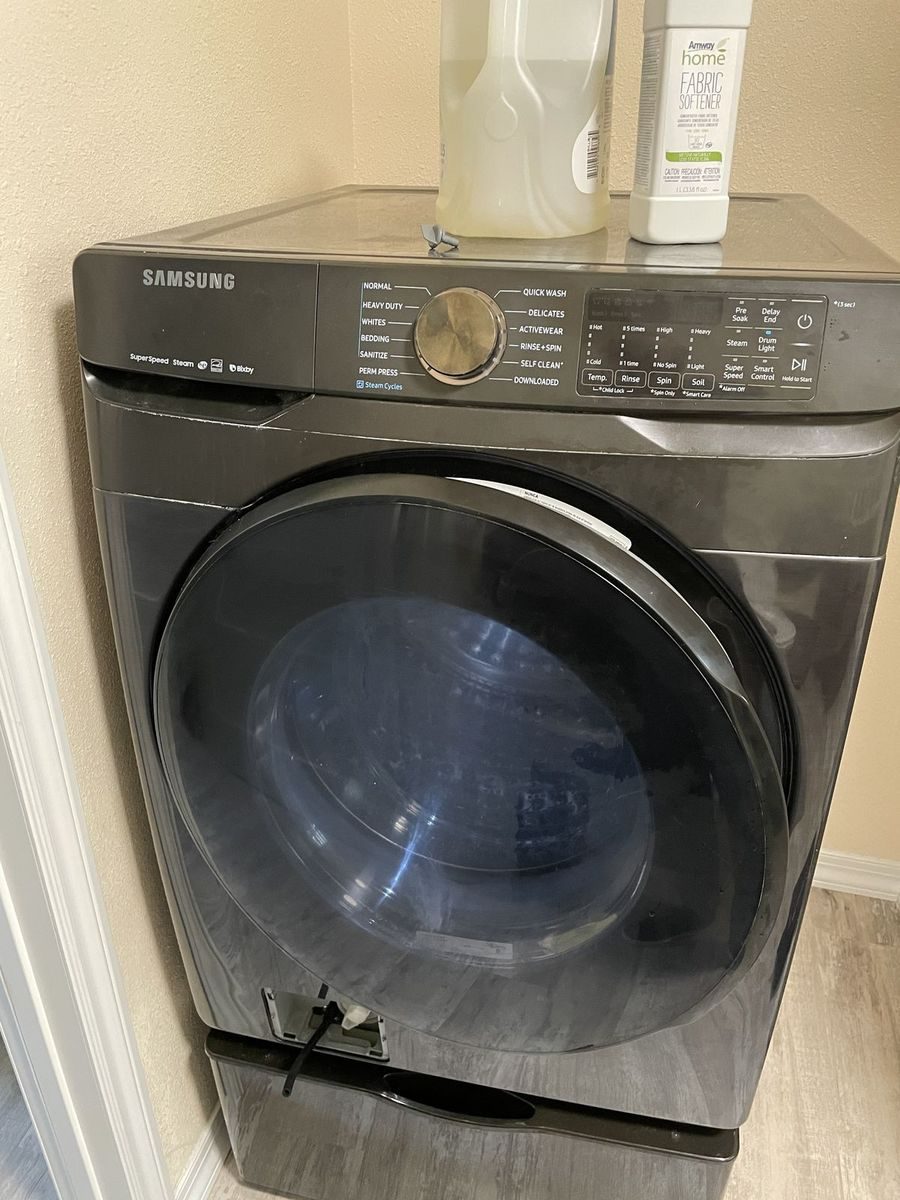
Tab 2 of 12
Damp Kitsap laundry rooms are hard on door boots, so mildew, torn folds and a clogged pump filter are the first things we look at on a front-loader.
See the service page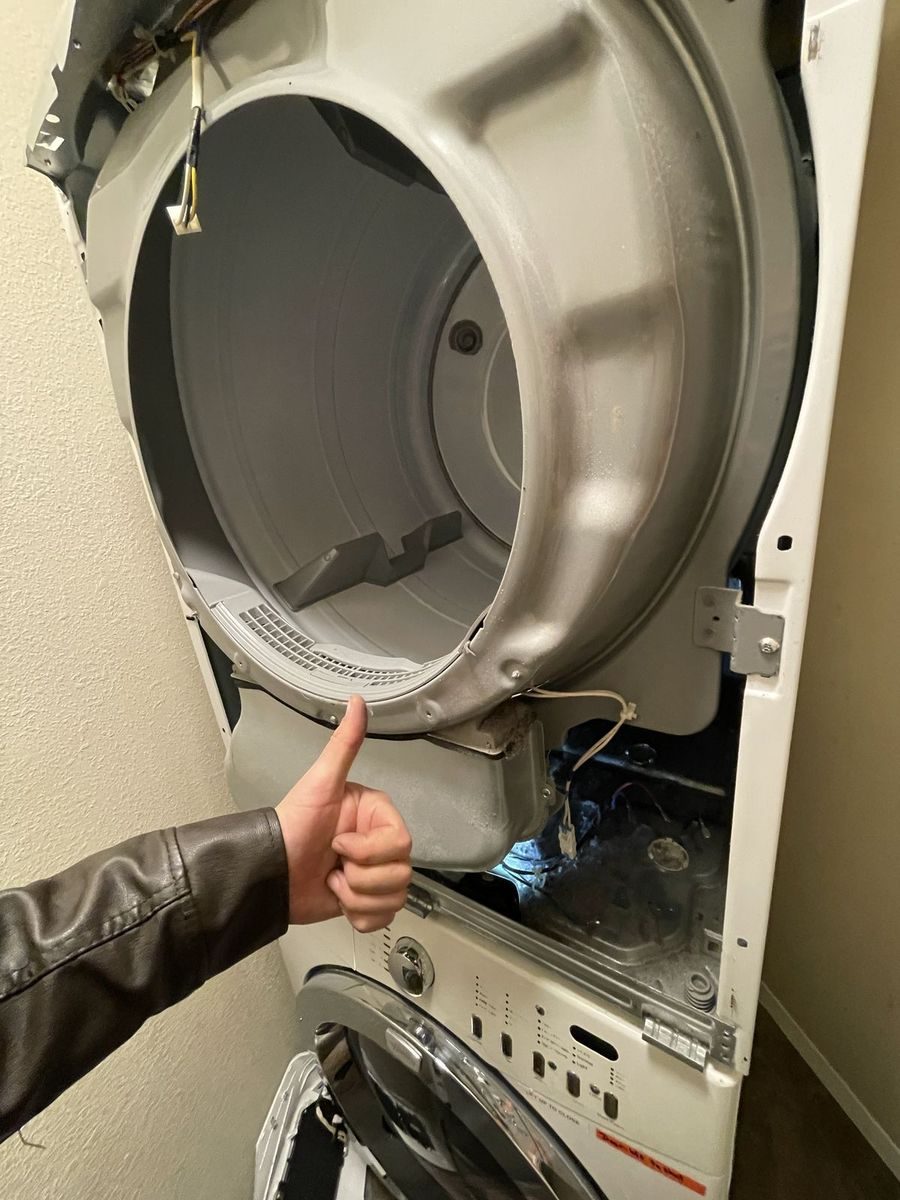
Tab 3 of 12
Long vent runs through damp walls fill with lint quickly, so the vent gets tested along with the heating side: element or burner, thermal fuse and thermostats.
See the service page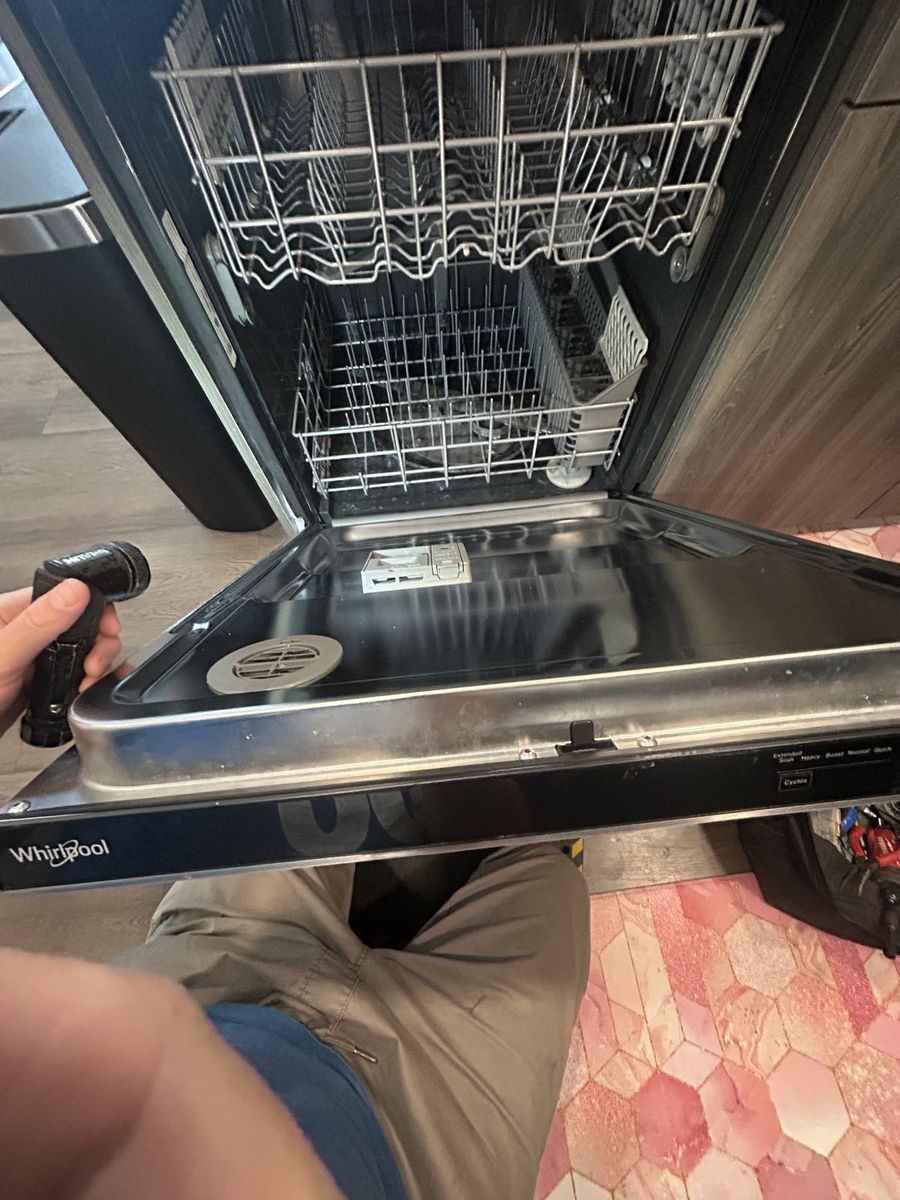
Tab 4 of 12
Well water leaves minerals on the spray arms and the inlet screen, two early stops when dishes come out dull or the tub fills slowly.
See the service page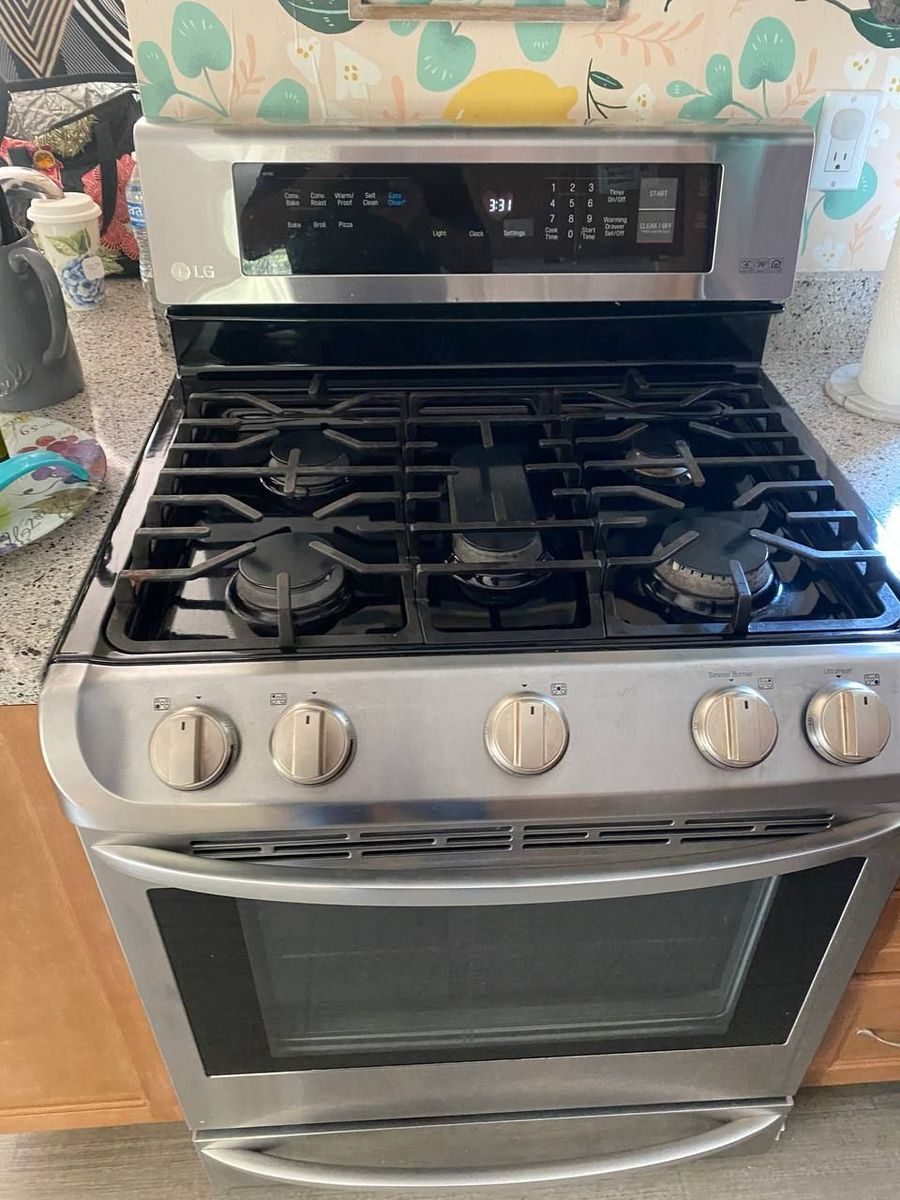
Tab 5 of 12
Natural gas and propane ranges both get igniter, valve and flame checks. The tank and its lines stay with your propane supplier.
See the service page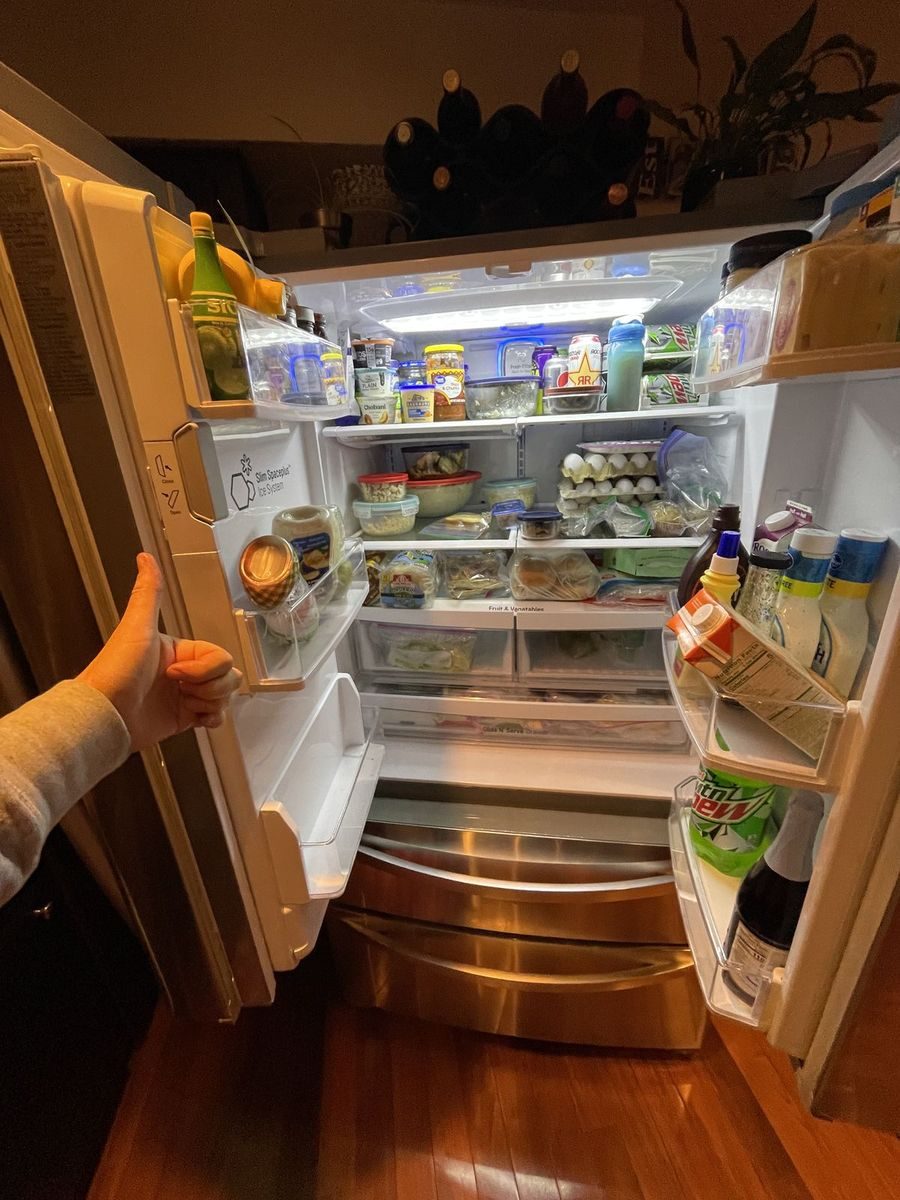
Tab 6 of 12
After a windstorm outage the fill tube often freezes solid and the ice maker goes quiet, so we follow the water up from the inlet valve.
See the service page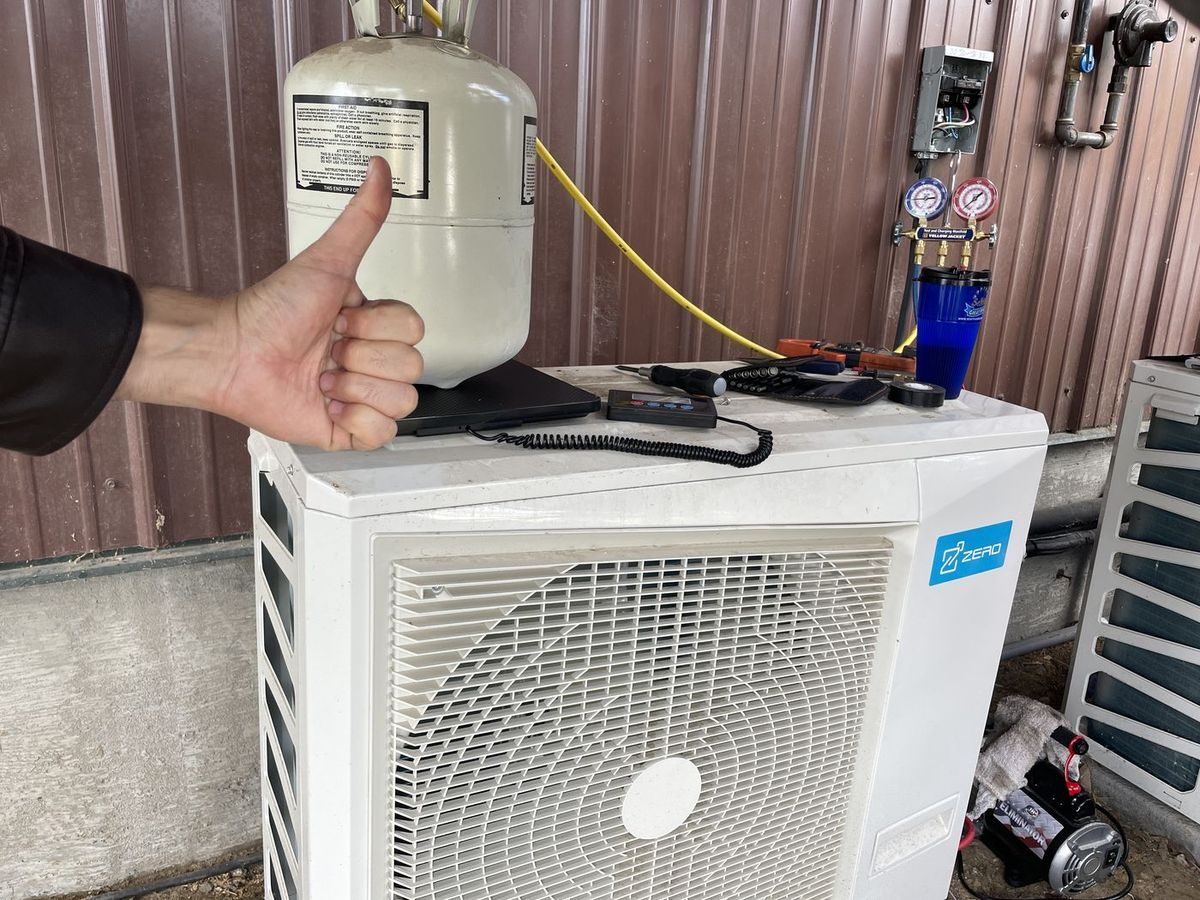
Tab 7 of 12
Through the gray months we watch the defrost cycle closely, because a coil that never clears is the classic Kitsap winter call. Capacitors and the reversing valve come next.
See the service page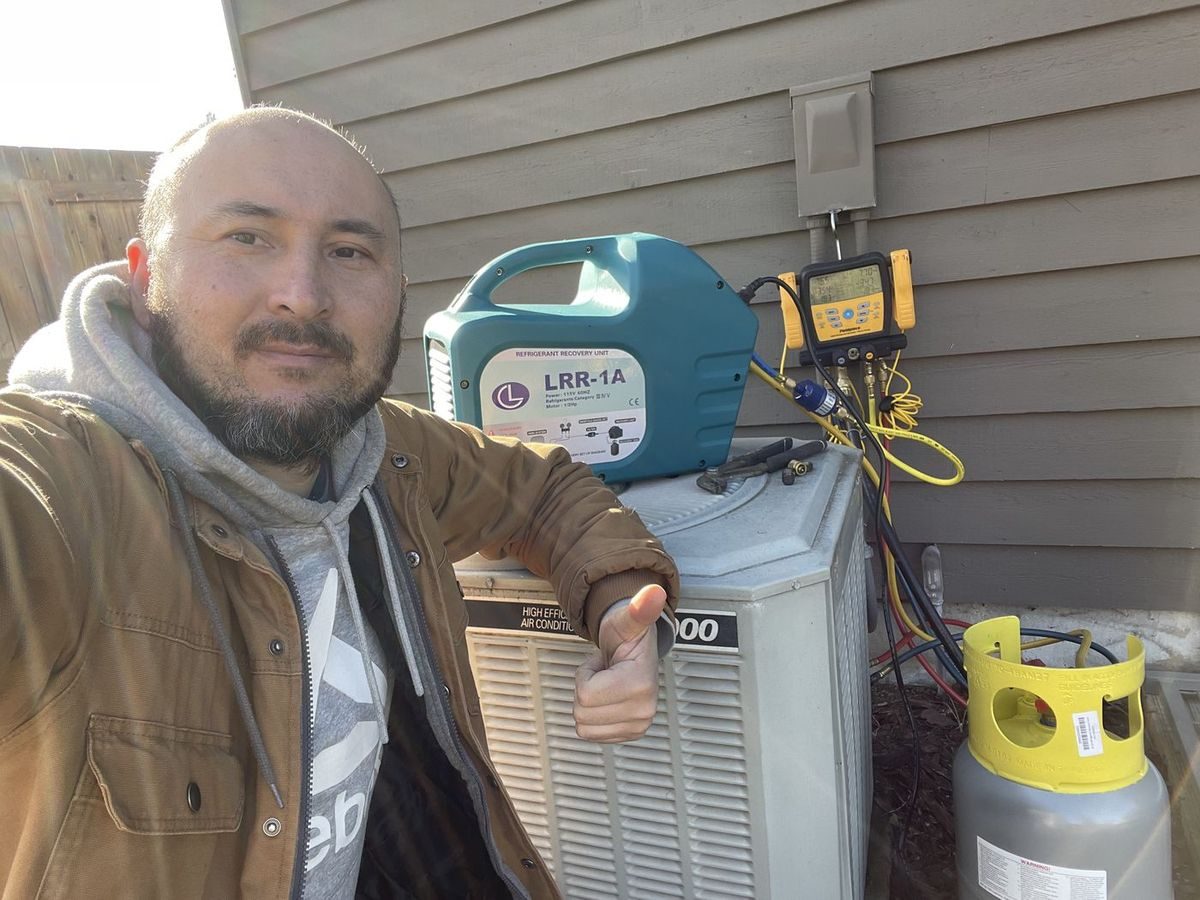
Tab 8 of 12
More Kitsap homes have cooling since the 2021 heat dome. When a system falls behind on a hot afternoon, we start with airflow, the capacitor and the refrigerant charge.
See the service page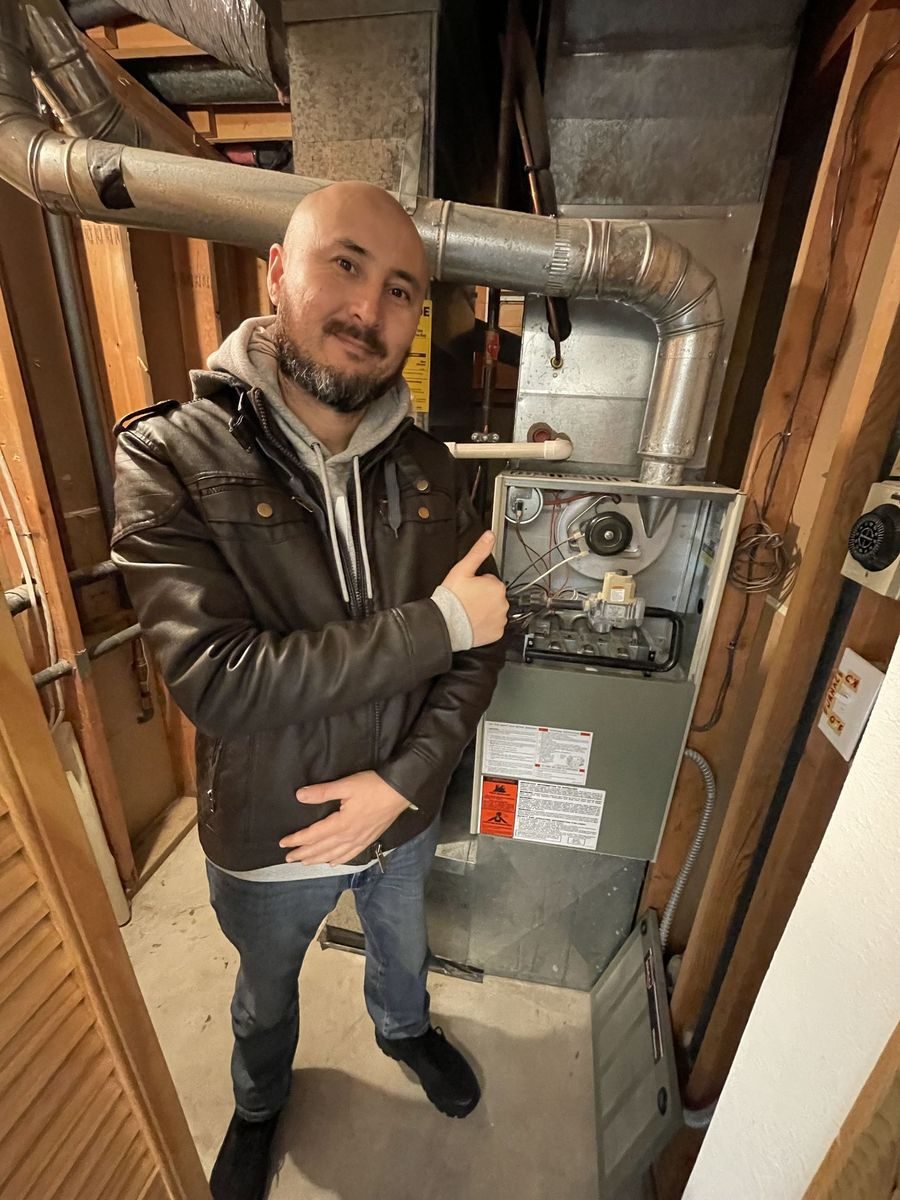
Tab 9 of 12
Many older Bremerton and Manette houses keep the furnace in a closet or under the floor. Filter, inducer, flame sensor and limit switch all get checked in that tight space.
See the service page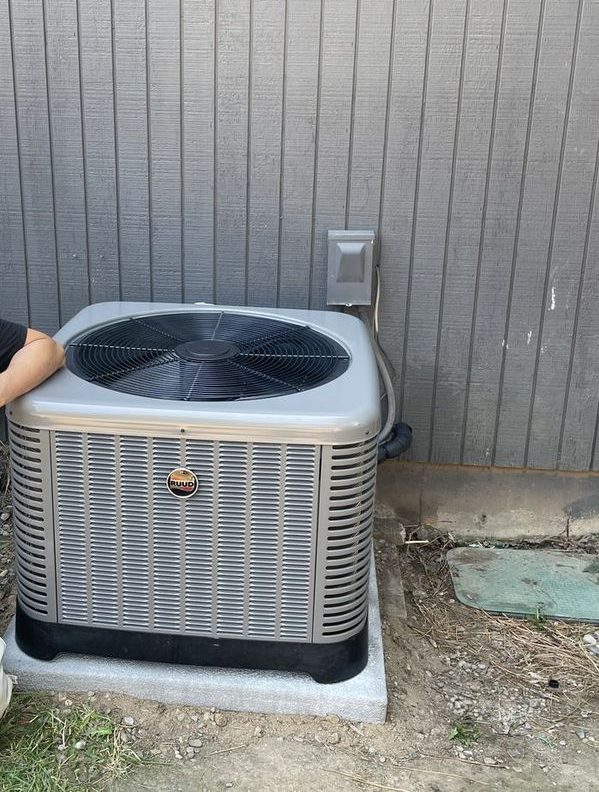
Tab 10 of 12
Placement matters on the peninsula: a raised pad clear of wet ground, back from salt spray where the lot allows, and out from under the needle drop.
See the service page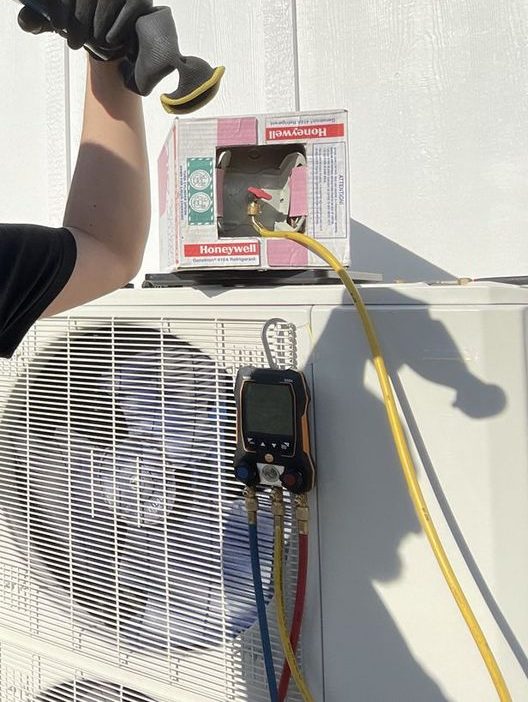
Tab 11 of 12
Mini-splits fit older homes with no room for ducts. Their line sets need sound insulation where they cross a damp crawlspace, and the outdoor unit needs a clear drain path.
See the service page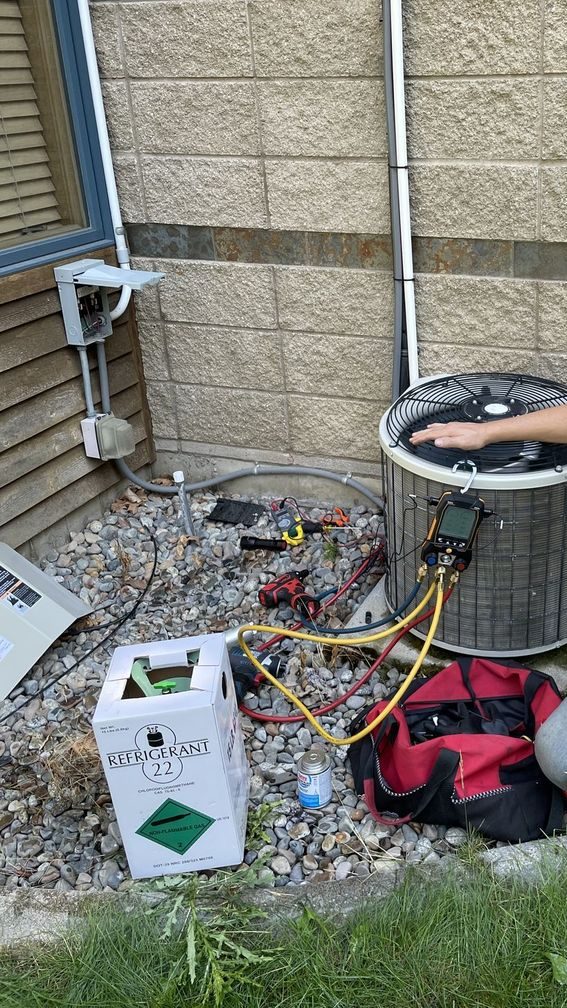
Tab 12 of 12
A seasonal visit near the water means a coil rinse, a look at the fasteners for salt rust and a base pan that drains. Those three buy waterfront equipment years.
See the service pageHomes and apartments near the main shopping district hold busy households where the dishwasher runs every evening and the washer most days. That pace wears drain pumps, wash motors and drive belts. Since those parts ride on the truck, a worn pump can often be swapped during the same stop once you approve the written price.
Near the water in Old Town, damp air and older houses add up to humid laundry rooms and longer dryer vent runs. We see mildew in front-load boots, rust spots on washer cabinets and dryers needing two cycles for towels. Testing covers the heating circuit, and we point out vent restrictions worth fixing.
Neighborhoods on the north side of town see plenty of moving trucks. Shipping bolts left in washers, refrigerators started too soon after lying flat, and supply lines kinked during the push into place are frequent first calls in a new home. We test the machine itself so moving damage gets separated from normal wear.
Use the time in the manual when it lists one. Without that, match the upright wait to the hours it spent lying down, and allow several hours at minimum, so compressor oil can drain back out of the lines. If the fridge still cools poorly after a full day of running, the start relay, fans or sealed system need testing, which our technicians handle.
Look at the back panel. Shipping bolts are long bolts threaded through the rear of a front-loader to lock the drum during transport, often with plastic spacers. Bolt heads or spacers sitting in three or four holes mean they are still installed. Running a load that way causes violent shaking and can ruin dampers and bearings. Remove them per the manual, store them for the next move, and call if the shaking continues.
Usually airflow. In apartment closets, the vent behind a stack is often crushed or packed with lint, so the dryer overheats and its limits keep cutting the heat. Pull lint off the screen every load and give the closet some air. If the drum stays cold or heat stopped entirely, a thermal fuse, element or gas igniter may have failed, and our technicians test each one.
Slowly, through deposits. Most homes here get groundwater from wells through a local water system, and dissolved minerals settle on inlet screens, dishwasher spray arms and ice maker fill valves. Replace the refrigerator filter on schedule, rinse the dishwasher filter monthly, and run an empty cleaning cycle now and then. When fill times stretch out despite that, the inlet valve may be failing, and we can test it.
Talk to a person
Pick your day and arrival window online, or reach the office by phone any day, 8 AM to 7 PM. Confirmation arrives as a call, and the written repair price comes before tools come out.
Schedule online
Tell us what needs attention, the day that works and the window you prefer. A scheduler calls to make it firm, and the technician rings again before pulling up.
Washington Labor & Industries keeps these records public. Each number can be searched on L&I Verify; scope details sit on a separate page.
Scope of each license