Tab 1 of 12
Heat pump repair
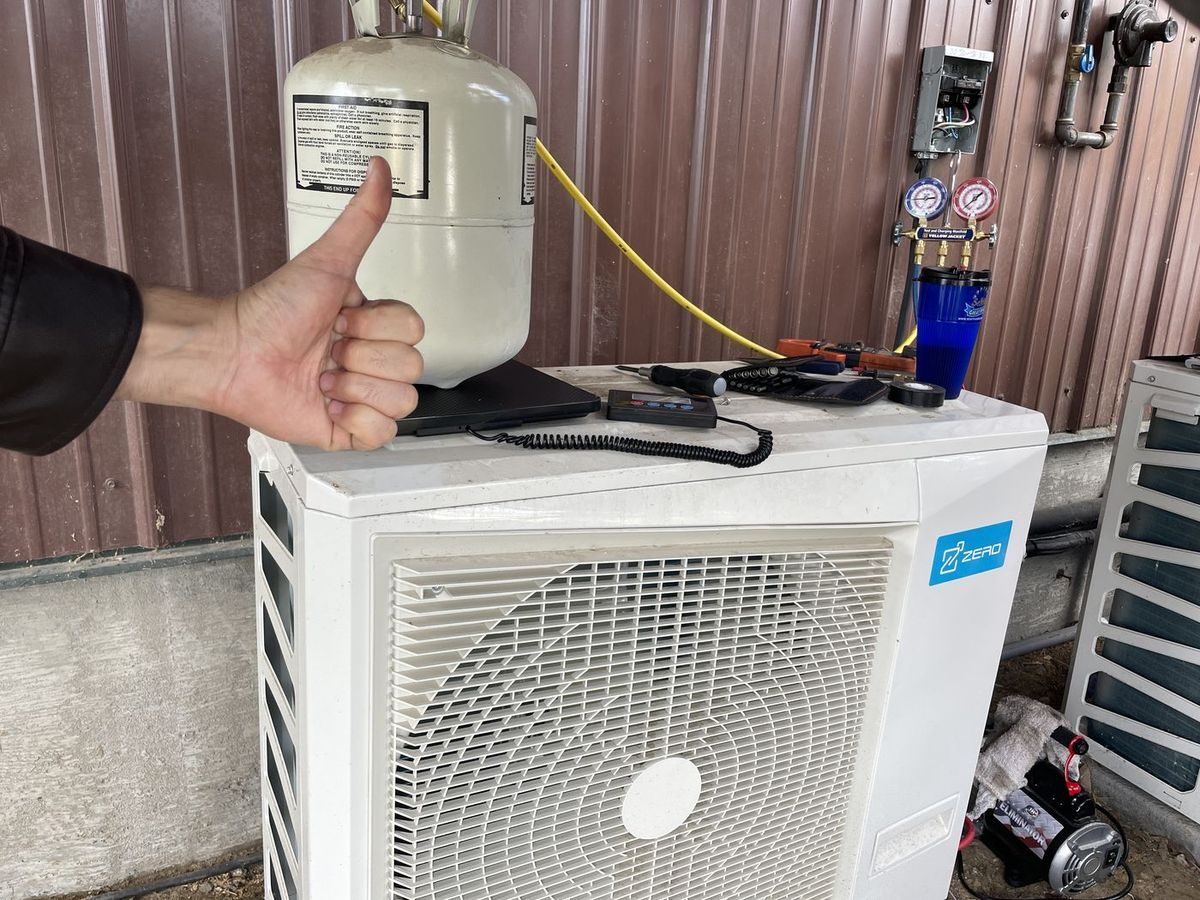
Through the gray months we watch the defrost cycle closely, because a coil that never clears is the classic Kitsap winter call. Capacitors and the reversing valve come next.
See the service page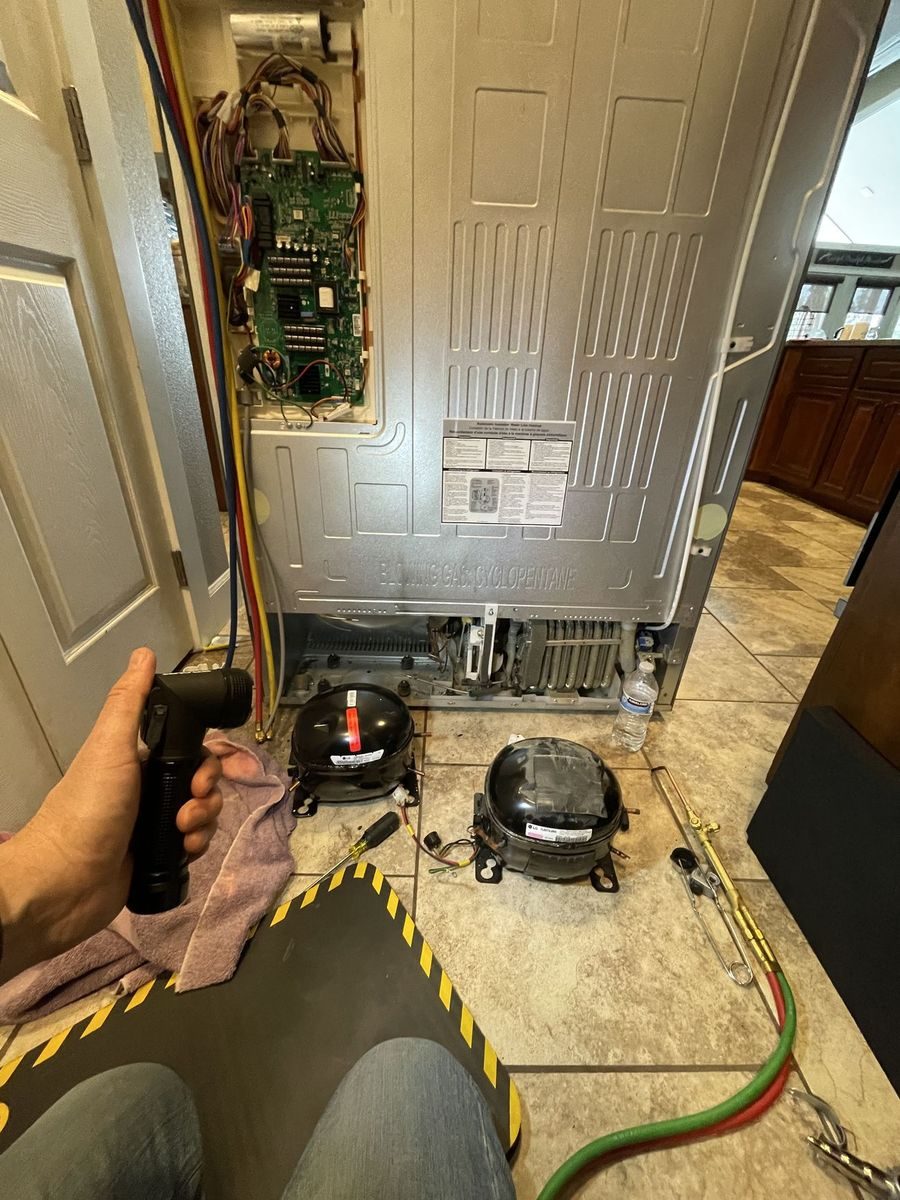
Guide · Storm season
When fall and winter gales push firs and alders onto the lines, whole stretches of the peninsula go dark, sometimes for days. The way you restart the heat pump, furnace and kitchen appliances once power returns decides whether they come back cleanly or with a fried control board.
Straight to it
While the power is out, set the thermostat to off and keep fridge and freezer doors shut; a packed freezer outlasts a sparse one. Once service returns, wait until it holds steady, then switch the heat back on and allow a few minutes for built-in restart delays. A tripped breaker may be reset once. If it trips again, or equipment shows codes or smells scorched, call a technician.
Because tall trees crowd almost every power line on the peninsula. Douglas fir, cedar, alder and maple line the roads and backyards from Poulsbo to Fox Island, and when autumn and winter storms roll in over soaked ground, limbs and whole trunks come down across the wires. In the bomb cyclone of November 19–20, 2024, outages spread across the region and 22 Kitsap County roads were closed by fallen trees or downed lines.
Two points come before anything mechanical. Treat every wire on the ground as live: stay well back, keep kids and pets clear, and report it to your power company or 911. And expect roads to clear piece by piece, which shapes when a technician can reach you. If a tree blocks your driveway or lane, tell the office while booking so the appointment lands after the way is clear.
Slowly, with the thermostat off until service has held steady for a while. Restored power often flickers or drops again as crews switch circuits, and each blip can catch a compressor or control board mid-start. Setting the thermostat to off during the outage keeps the equipment from trying to run through those blips. Then work through these steps:
Keep the doors closed. Each opening spills cold air, and a sealed refrigerator and freezer hold their temperature far longer than ones checked every hour. Packed solid, a freezer rides out an outage better than a sparse one, because the frozen food itself acts as the cold reserve; before storm season, filling empty shelf space with jugs of water that freeze solid gives the box extra thermal mass.
An appliance thermometer in each compartment takes the guesswork out of what to keep. Food-safety guidance says perishables kept above 40°F beyond roughly two hours should be discarded, while anything in the freezer still glinting with ice crystals is generally fine to refreeze. If you can't tell, discard it.
When the power comes back, listen for the compressor and the evaporator fan; plenty of models hold off several minutes before the compressor kicks on. Dump the first batch of ice, which likely thawed and fused into one block, and check the floor for water from a thawed bin. A refrigerator that hums yet stays warm hours later may have a failed start relay or a surge-cooked control board.
Mostly electronics. When service returns, or when a falling tree briefly shorts a line, a spike can reach anything connected to the house wiring. On heating and cooling equipment, that means the furnace's integrated control board and its 24-volt transformer, the low-voltage fuse found on many furnace boards, a heat pump's defrost board, the inverter board in a ductless mini-split, and the thermostat itself. In the kitchen and laundry room, it means the main control board on a refrigerator, washer or dishwasher and the electronic oven control on a range.
Warning signs include a blank display, an error code that wasn't there before, a relay that clicks with nothing starting, a burnt smell near the equipment, or a capacitor with a domed top. Our technicians measure voltage at the unit, read the transformer's 24-volt output, test the board fuse and read each relay before replacing anything, because a blown fuse sometimes points to a shorted wire rather than a bad board. Whole-house surge protection mounts at the main service panel, which is an electrician's job.
Once. If a heat pump, furnace or appliance stays dark after the lights return and the breaker feeding it has tripped, move its handle all the way to the off position before snapping it back on. Should it trip again, leave it alone: a repeat trip points to a short, a failing motor or a damaged compressor, and further resets can make things worse. Never reset a breaker that feels hot, looks scorched or smells burnt.
From there, our technicians take over at the equipment end, testing voltage, motor windings, capacitors and the compressor. Anything inside the panel itself belongs to an electrician.
Each tab holds a photo from our service calls and a note on what we check first. Pick any tab; left alone, they turn every few seconds.
Tab 1 of 12
Through the gray months we watch the defrost cycle closely, because a coil that never clears is the classic Kitsap winter call. Capacitors and the reversing valve come next.
See the service page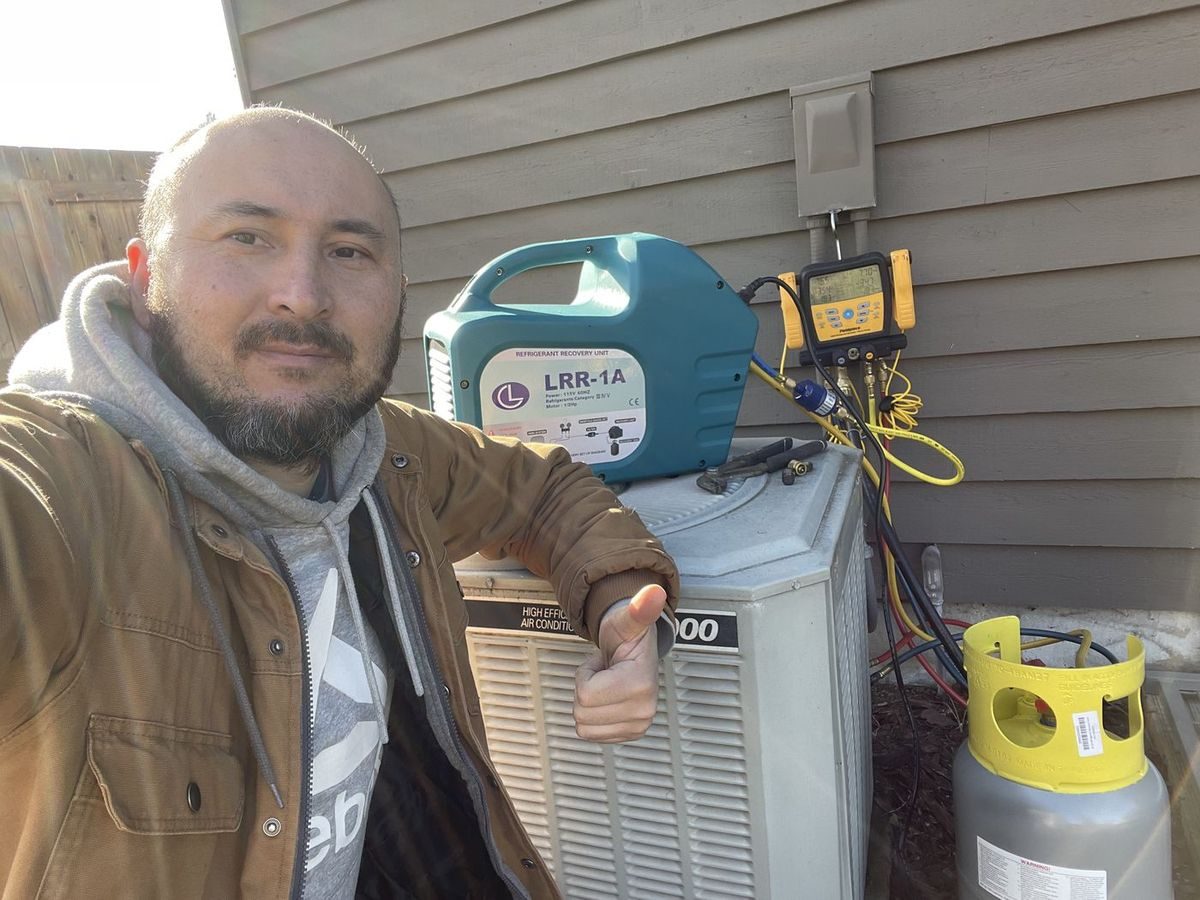
Tab 2 of 12
More Kitsap homes have cooling since the 2021 heat dome. When a system falls behind on a hot afternoon, we start with airflow, the capacitor and the refrigerant charge.
See the service page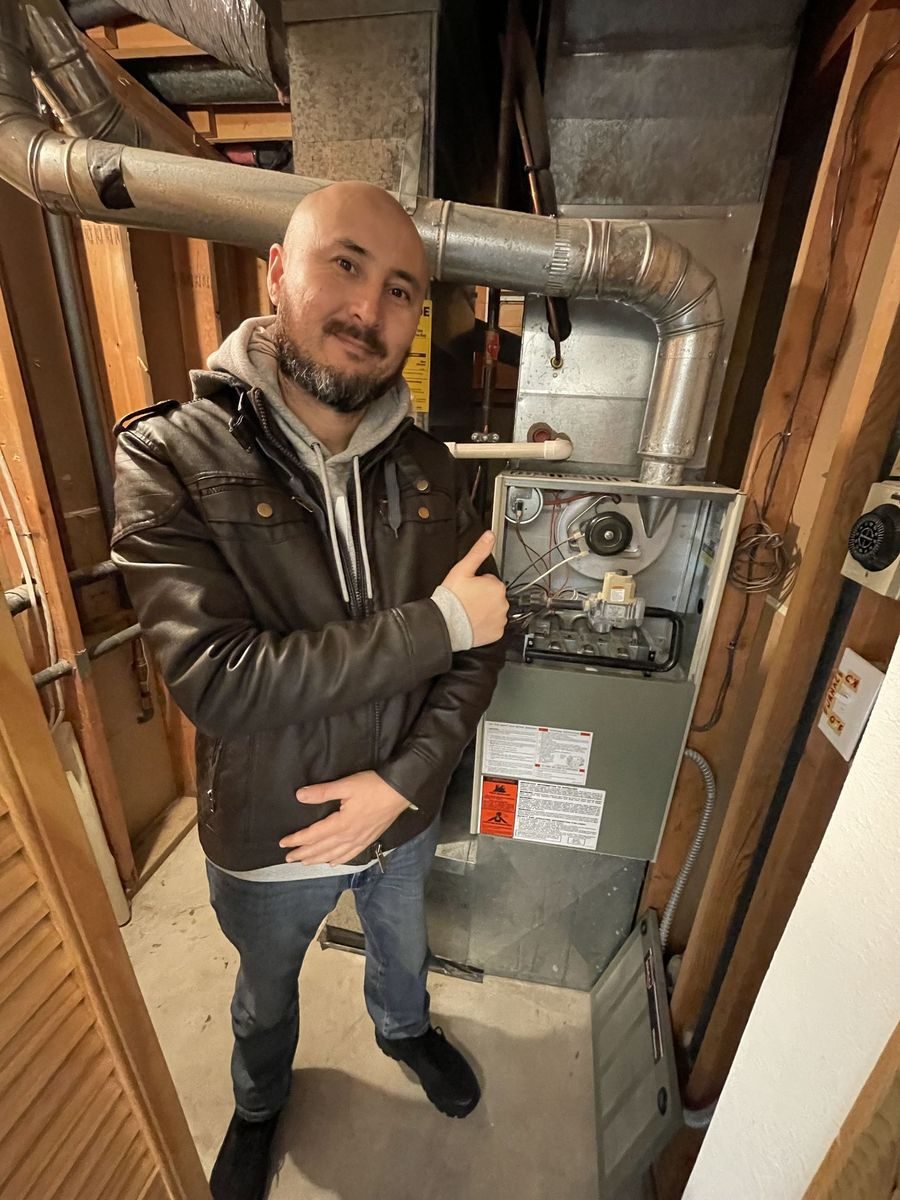
Tab 3 of 12
Many older Bremerton and Manette houses keep the furnace in a closet or under the floor. Filter, inducer, flame sensor and limit switch all get checked in that tight space.
See the service page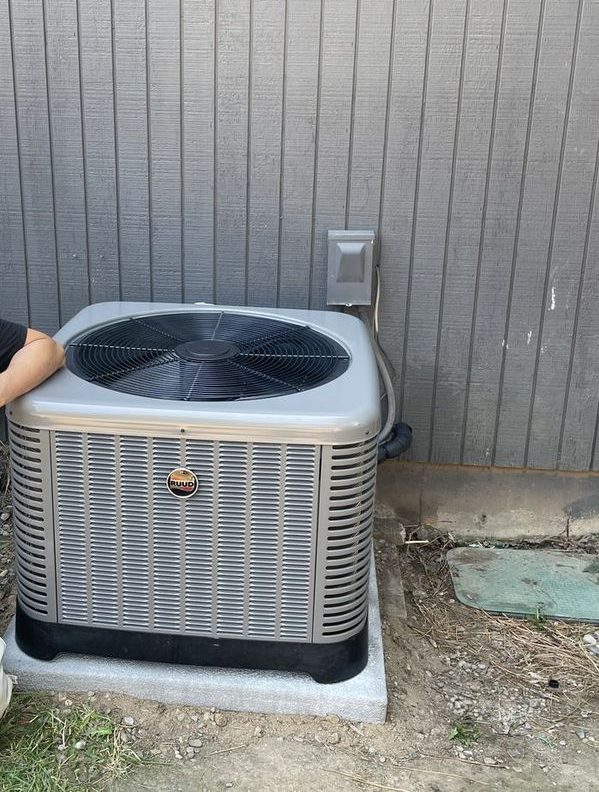
Tab 4 of 12
Placement matters on the peninsula: a raised pad clear of wet ground, back from salt spray where the lot allows, and out from under the needle drop.
See the service page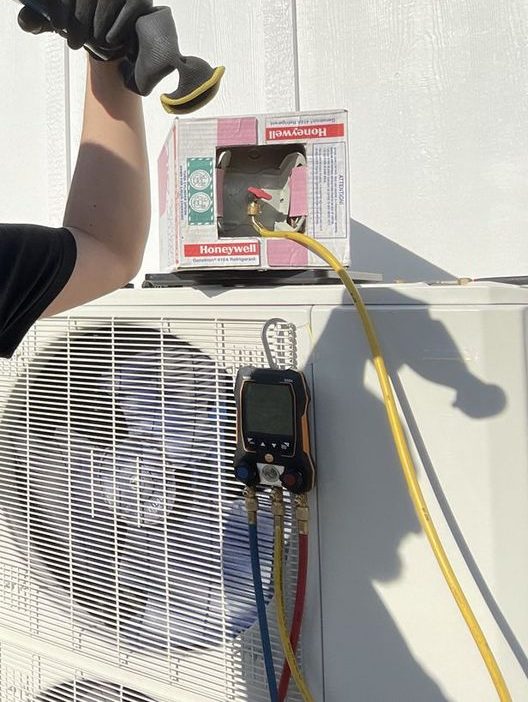
Tab 5 of 12
Mini-splits fit older homes with no room for ducts. Their line sets need sound insulation where they cross a damp crawlspace, and the outdoor unit needs a clear drain path.
See the service page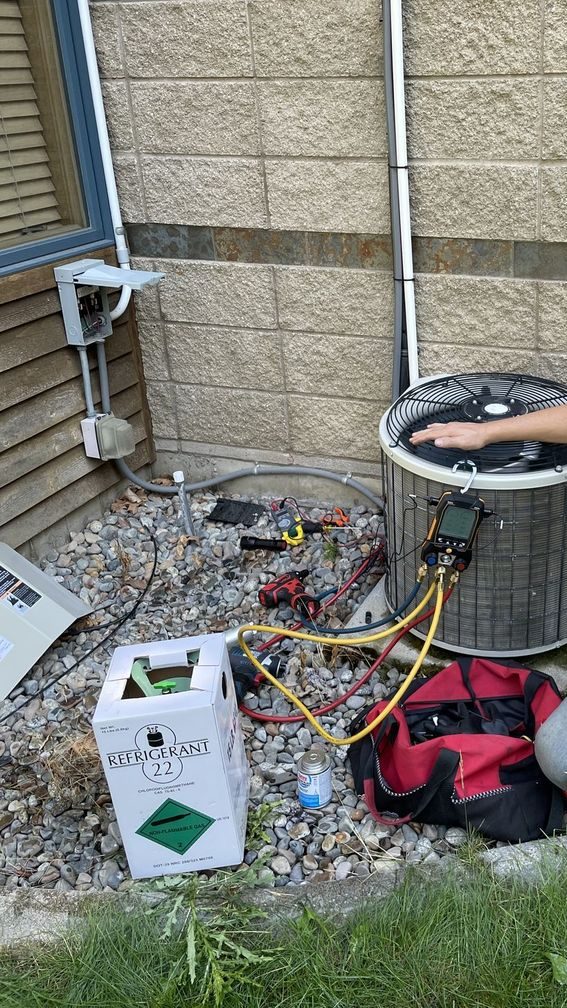
Tab 6 of 12
A seasonal visit near the water means a coil rinse, a look at the fasteners for salt rust and a base pan that drains. Those three buy waterfront equipment years.
See the service page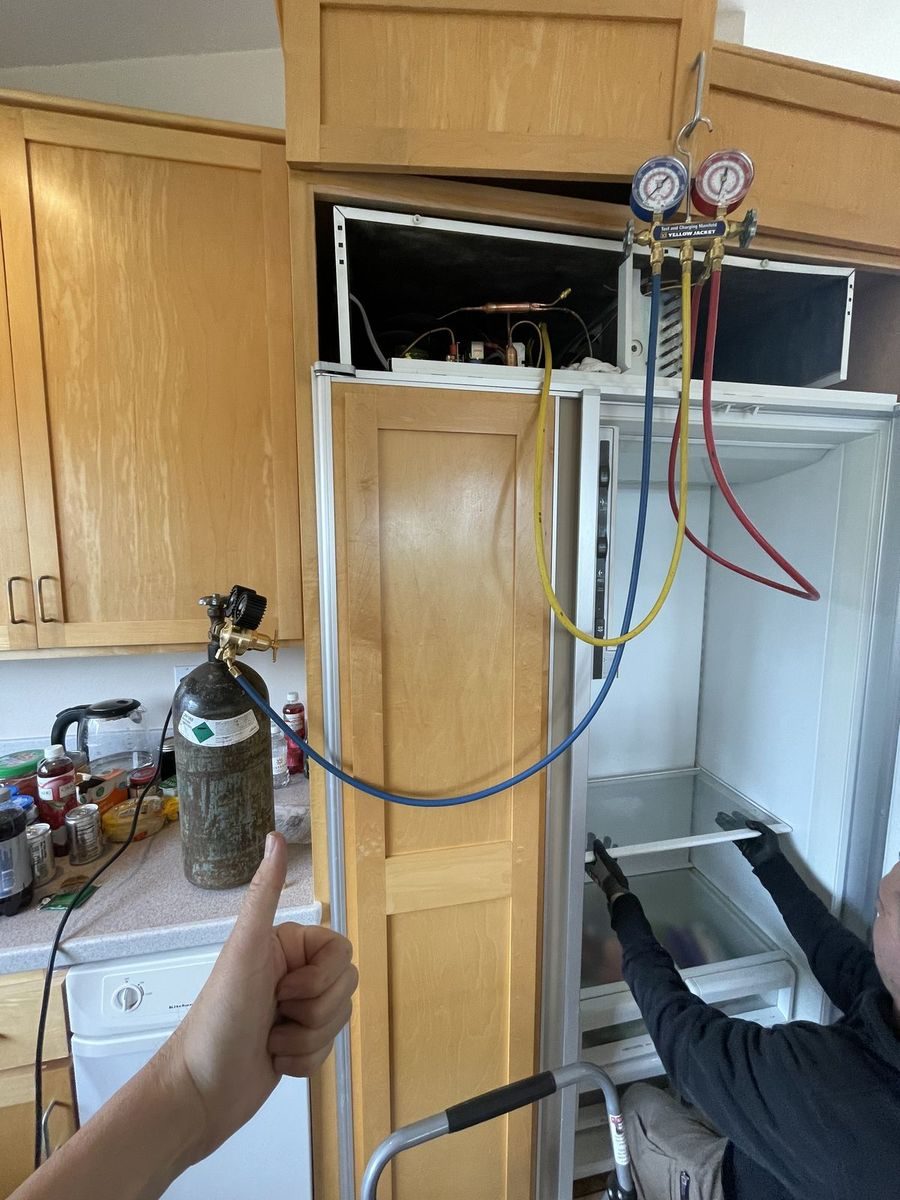
Tab 7 of 12
Sealed-system work, from leak search to recharge, happens right in the kitchen under EPA 608 Universal credentials, so the fridge stays where it stands.
See the service page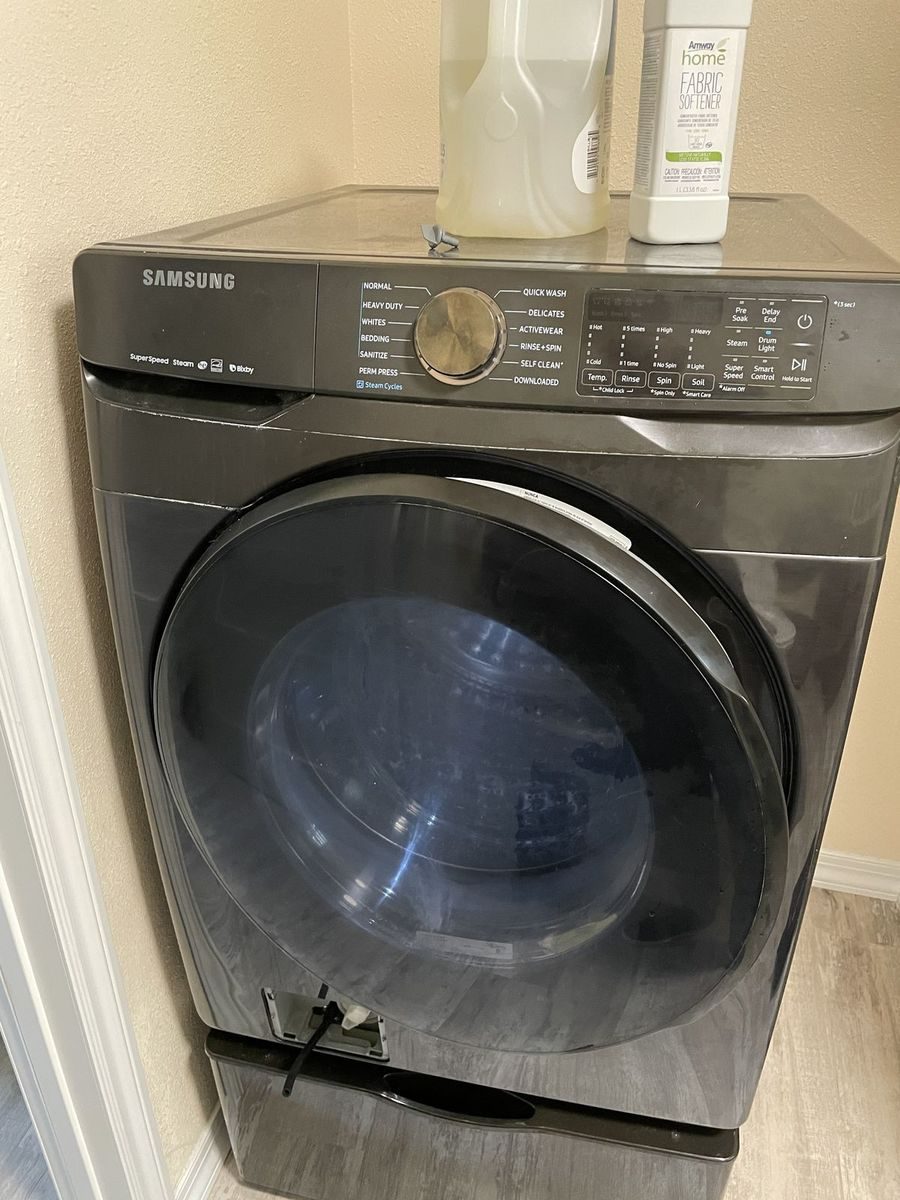
Tab 8 of 12
Damp Kitsap laundry rooms are hard on door boots, so mildew, torn folds and a clogged pump filter are the first things we look at on a front-loader.
See the service page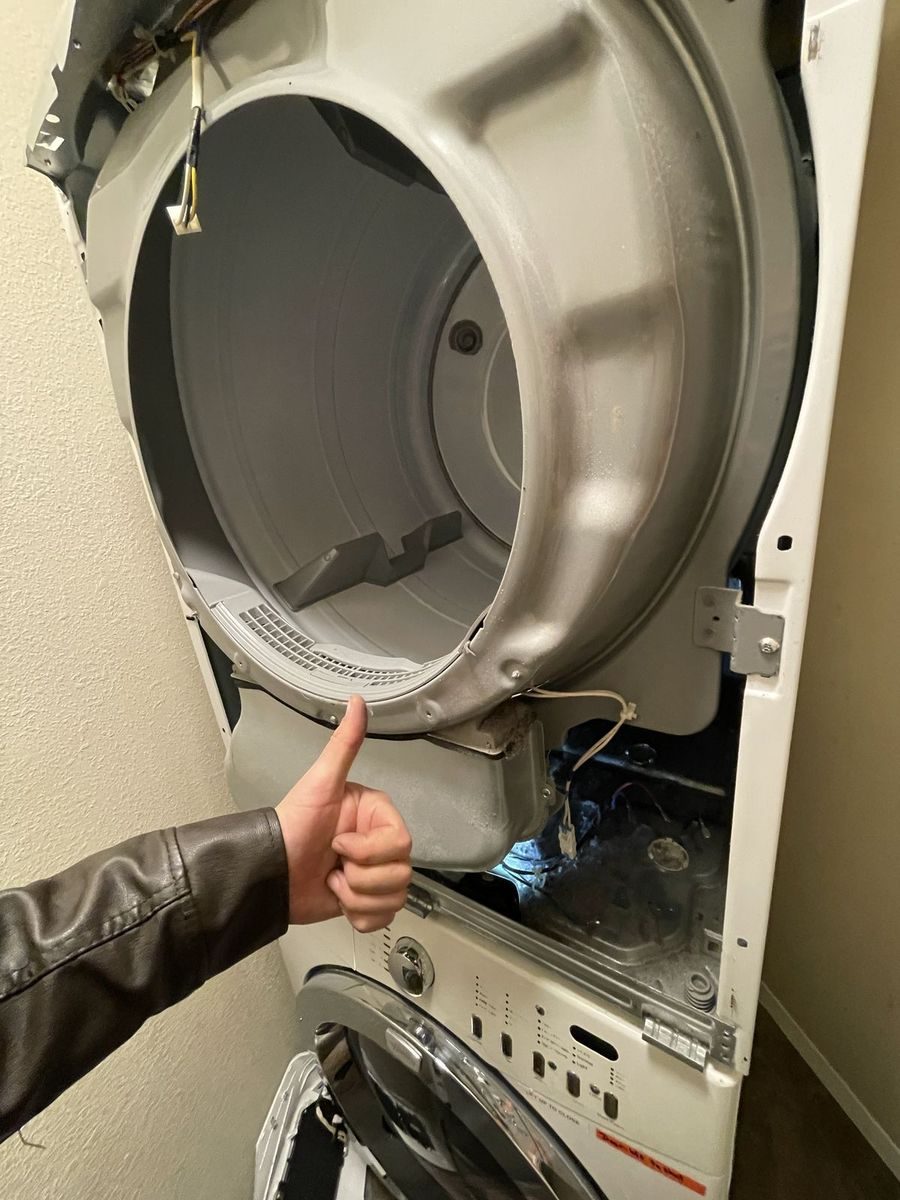
Tab 9 of 12
Long vent runs through damp walls fill with lint quickly, so the vent gets tested along with the heating side: element or burner, thermal fuse and thermostats.
See the service page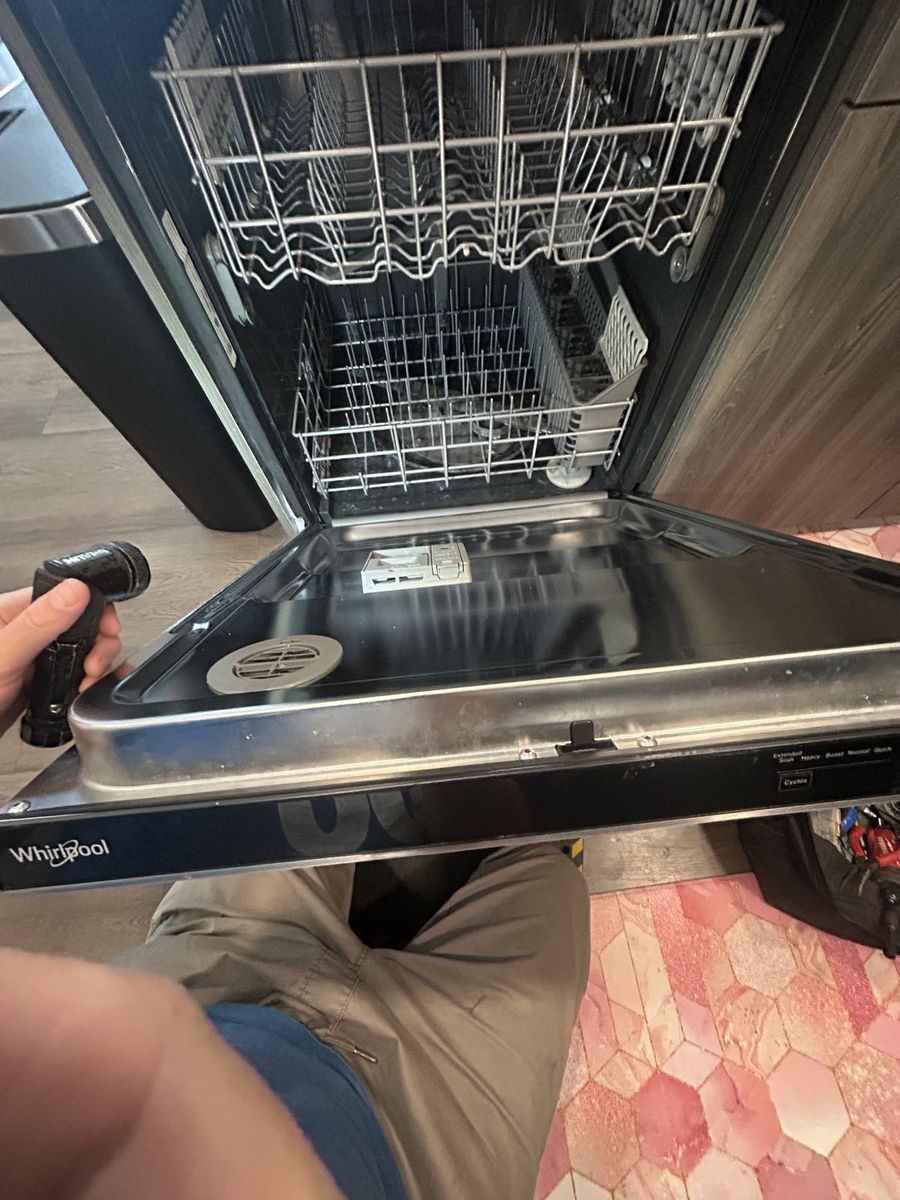
Tab 10 of 12
Well water leaves minerals on the spray arms and the inlet screen, two early stops when dishes come out dull or the tub fills slowly.
See the service page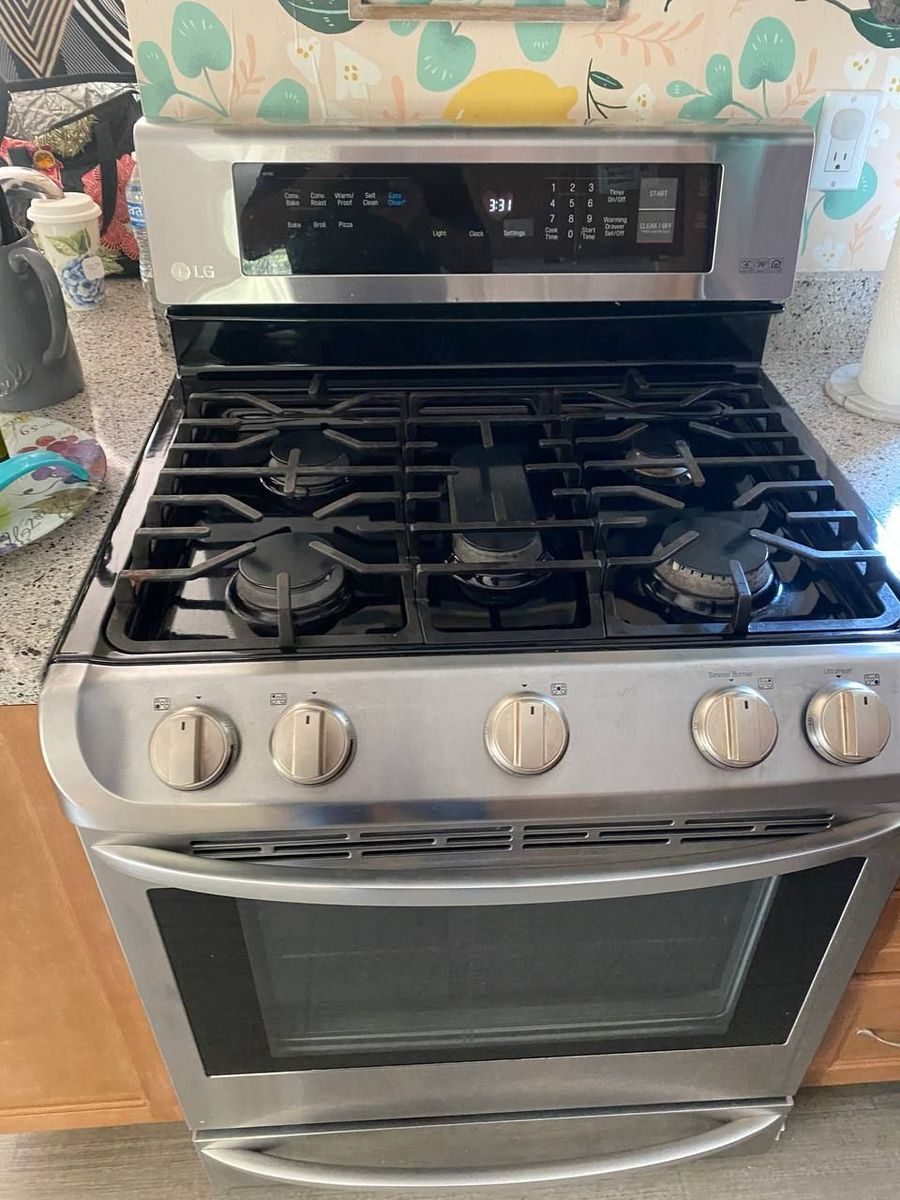
Tab 11 of 12
Natural gas and propane ranges both get igniter, valve and flame checks. The tank and its lines stay with your propane supplier.
See the service page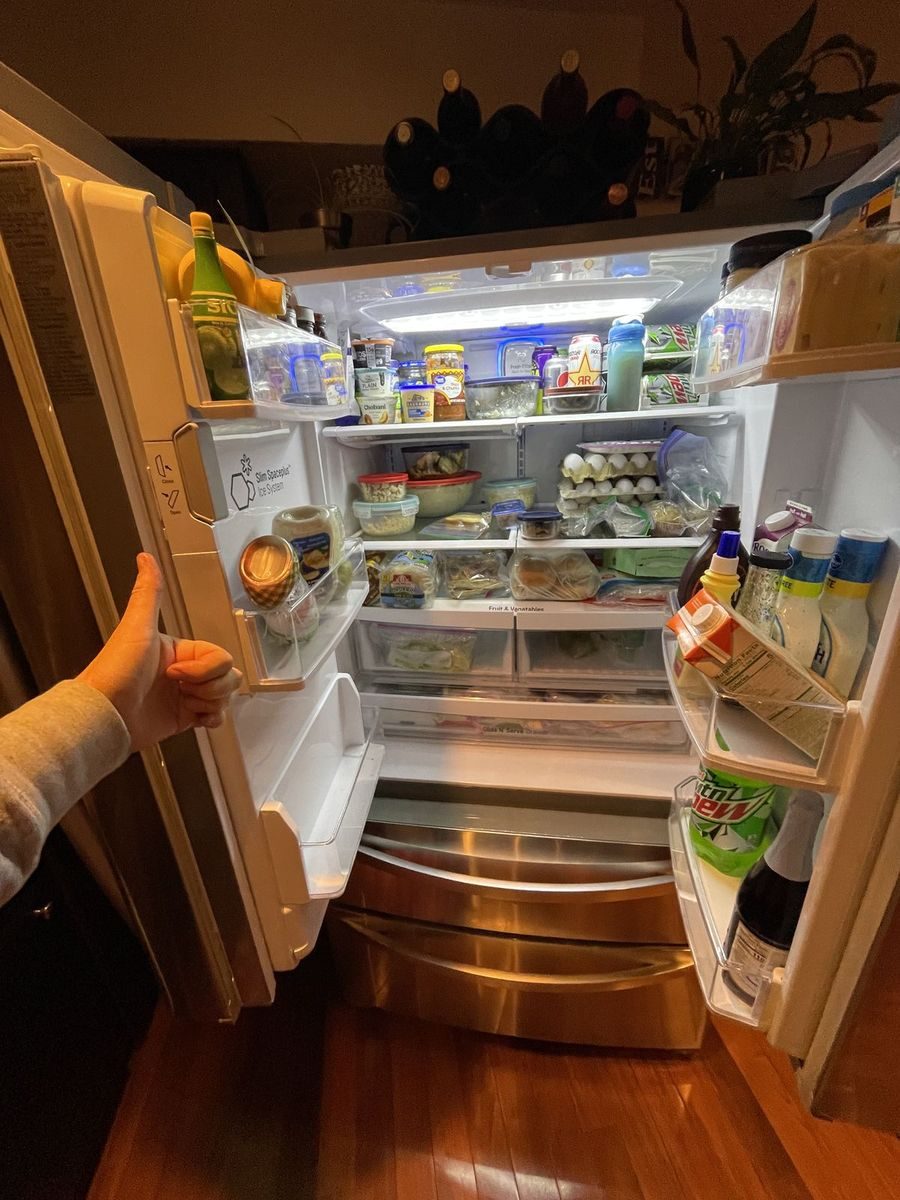
Tab 12 of 12
After a windstorm outage the fill tube often freezes solid and the ice maker goes quiet, so we follow the water up from the inlet valve.
See the service pageWhen the equipment won't come back on its own after a calm restart and one breaker reset. Common post-storm calls look like this:
Guide · Waterfront heat pumps
How spray off the inlets, the harbor and Hale Passage corrodes heat pump and AC outdoor units, the safe freshwater rinse, coated coils for replacements, and when to call.
Guide · Drizzle, salt spray and one bridge to the island
How a heat pump copes with damp Kitsap and Fox Island winters: routine defrost versus real trouble, sideways rain, salt spray, soggy ground and fir needles, plus checks owners can make.
Guide · A moving truck and somebody else's appliances
For households changing homes around Bremerton, Silverdale and Poulsbo: washer bolts, fridge settling time, ice maker lines, dryer hookups and a heating check at the new rental.
Most heat pumps, and many thermostats, build in a delay of a few minutes after power returns. The pause keeps the compressor from starting against high pressure or during flickers. Leave the thermostat set and give it time. If nothing starts after a reasonable wait and the breaker hasn't tripped, book a visit; a defrost board or contactor coil hurt by the surge is a frequent cause.
Stop after one or two tries and get a visit scheduled. The inducer and igniter may be fine while a surge-damaged control board, a dead board fuse, or a sticking pressure switch keeps the burners dark. Before cutting power, note the blink pattern on the board's status light, visible through the door window on many models, since that code helps our technician narrow things down.
Longer when it is full and the door stays shut. Food-safety guidance gives a full freezer roughly two days and a half-full one about one, while a closed refrigerator keeps safe temperatures for only a few hours. A thermometer in each compartment tells you where things stand. Food still holding ice crystals can usually be refrozen; toss perishables that spent hours above 40°F.
It can. Modern washers, dryers, dishwashers and ranges rely on electronic control boards, and a spike when service returns can scramble or burn them. Signs are a dark or frozen display, an error code that appeared after the outage, or buttons that no longer respond. Switch the appliance off for a few minutes and try once more; if the fault remains, a technician can check the board and the voltage reaching it.
Talk to a person
Pick a date online and add an arrival window, or phone the office, which opens at 8 AM and closes at 7 PM daily, and mention any closed road or blocked driveway. If anyone smells gas or propane, go outside first and call 911 or your supplier. The diagnostic fee, named during booking, becomes part of an approved repair; without one, it is the full bill.
Schedule online
Tell us what needs attention, the day that works and the window you prefer. A scheduler calls to make it firm, and the technician rings again before pulling up.
Washington Labor & Industries keeps these records public. Each number can be searched on L&I Verify; scope details sit on a separate page.
Scope of each license