Tab 1 of 12
Heat pump repair
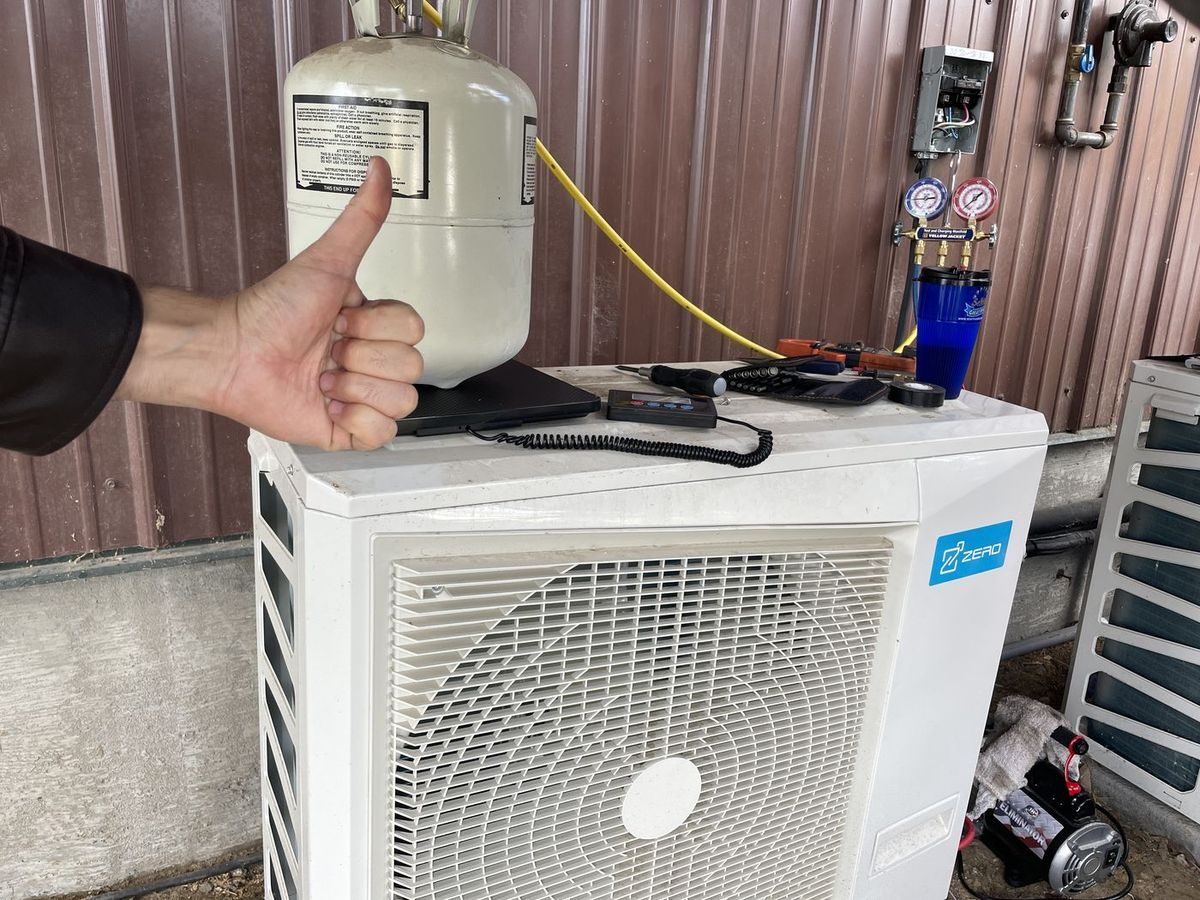
Through the gray months we watch the defrost cycle closely, because a coil that never clears is the classic Kitsap winter call. Capacitors and the reversing valve come next.
See the service page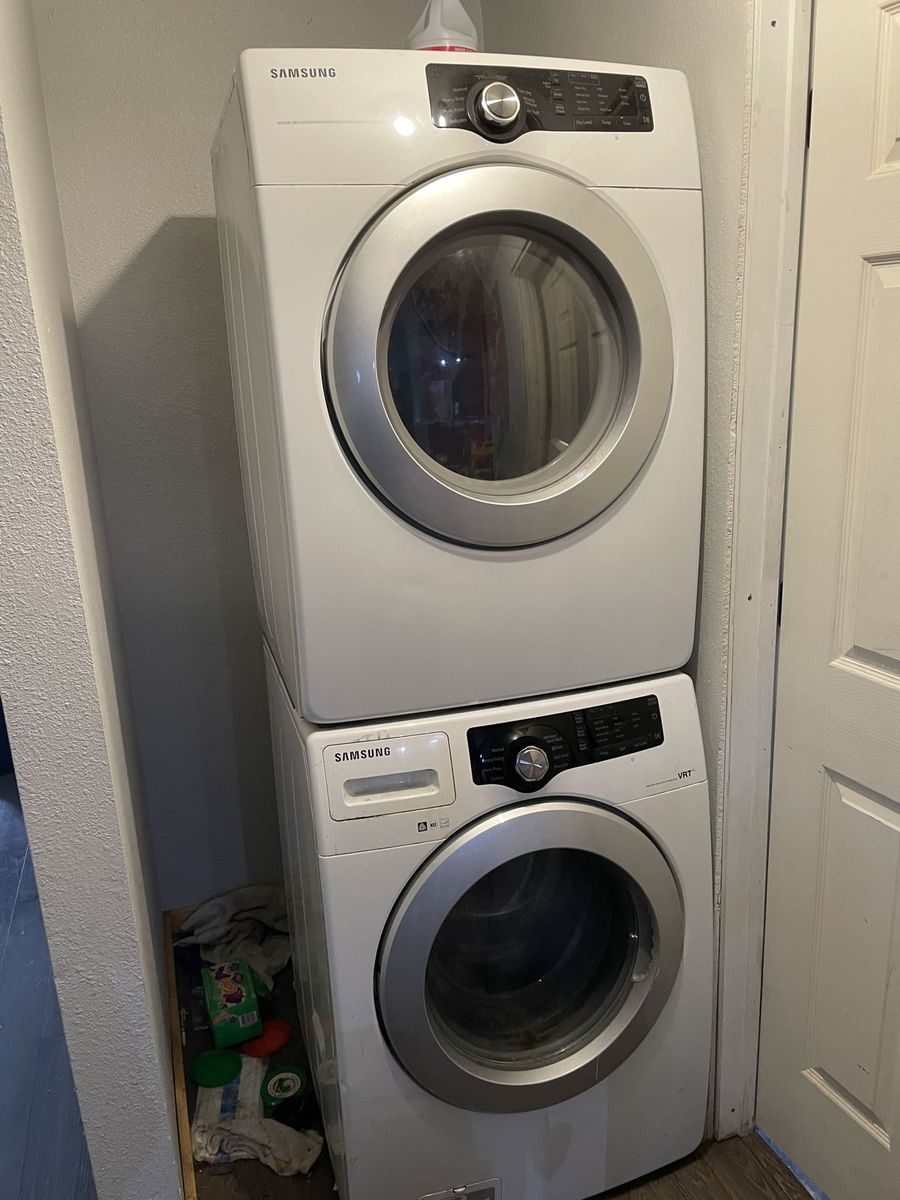
Guide · A moving truck and somebody else's appliances
The lease ends, the house gets packed, and a washer, dryer and refrigerator ride across the country or only a few miles up SR 3. Most moving-day damage to them is avoidable, and a new rental's heating deserves a quick look before the first cold night.
Straight to it
Before the truck comes, drain the washer, thread its shipping bolts back in, dry out the refrigerator and close the ice maker valve. After the move, let a fridge that rode on its side stand upright before plugging it in, pull the bolts before the first wash and check the dryer duct. At a rental, find the filter, confirm the thermostat mode and watch the AUX light.
Its shipping bolts, first. A front-loading washer leaves the plant with three or four long bolts run through the back panel to lock the drum to the cabinet, and the installer pulls them out. For a move they belong back in. Without them, every ramp and pothole lets the drum swing on its springs and dampers, which can crack the outer tub, bend the spider arm or wreck the shock absorbers.
Water comes second. A washer that looks empty still holds some in the drain pump, the sump and the inlet valve. On a front-loader, open the pump filter cap low on the front panel over a baking sheet. Around Bremerton the December to February average low sits near 35°F, and a machine left overnight in a cold truck or storage unit can split a pump housing if water stays inside. If it traveled in the cold, give it a day indoors before the first load.
Roughly as long as it lay down, up to about a day. A fridge carried upright can run a few hours after it lands; one hauled on its back or side needs time for compressor oil to drain out of the lines. Start it too soon and the compressor labors while the cabinet cools slowly.
Prep starts the day before move-out. Unplug it, empty it, and prop both doors so the freezer melts into towels. A cabinet shut up damp for a week in a Kitsap storage unit comes out smelling of mildew, so tape the doors only once it is dry.
The ice maker line causes more move-related leaks than anything else. Switch off the ice maker (on older models, raise the wire arm) and close the supply valve before the fridge rolls out, because that quarter-inch line is often thin plastic that kinks or cracks. At the new house, use a braided line, fit a fresh water filter, and flush a few gallons out through the door to purge air and carbon dust; toss the first batches of ice. On acreage outside Poulsbo, where many homes draw from wells, sediment reaches the inlet valve screen sooner. No valve behind the fridge space at all? Adding one is a plumber's job.
Start at the wall behind the dryer. The short transition duct gets crushed more than any other part on moving day, because the machine is shoved home in one push, so use semi-rigid metal with a little slack. Then run a cycle and go look at the outside hood: its flap should stand open on a warm, even breeze. In a house that sat empty under the firs, expect old lint or moss in the cap.
Electric dryers and ranges plug into a 240-volt receptacle. Older west-side Bremerton houses and Manette homes are more likely to have the three-prong style, newer Silverdale subdivisions the four-prong, so the dryer's cord may not fit. The cord on the appliance can be changed to match; any change at the wall goes to an electrician.
Gas appliances get tested, not installed. Our technicians check igniters, gas valve coils and burner flame on a dryer or range after it is connected, but connecting or extending gas piping belongs to a licensed gas fitter. A range going from a natural gas house to a rural home on propane needs converting before it is lit. If the laundry room or kitchen ever smells of gas, get people and pets out the door, then dial 911 or the gas supplier from the driveway.
The filter, the thermostat mode and the AUX light, in that order. The filter may sit at the furnace or air handler or behind a hallway return grille, with its size printed on the frame. Expect it packed gray, and expect a crawlspace air handler to smell musty for a few runs after a vacant winter.
On the thermostat, look for Heat, the fan on Auto, and no leftover schedule overriding you. Some models can be told to heat with the strips alone, skipping the heat pump entirely; left that way, the house still warms while the electric bill climbs. A lit AUX light during defrost, or right after you bump the setting up several degrees, is normal on a heat pump. AUX glowing for hours on a mild 45°F afternoon usually means the compressor outside is leaving the work to the strips, and the cause may be a weak capacitor, a pitted contactor, a refrigerant leak, or a failing defrost sensor. After a long idle stretch, a gas furnace that lights and quits within seconds often has a flame sensor coated in residue, so its microamp signal falls below what the control board expects.
Each tab holds a photo from our service calls and a note on what we check first. Pick any tab; left alone, they turn every few seconds.
Tab 1 of 12
Through the gray months we watch the defrost cycle closely, because a coil that never clears is the classic Kitsap winter call. Capacitors and the reversing valve come next.
See the service page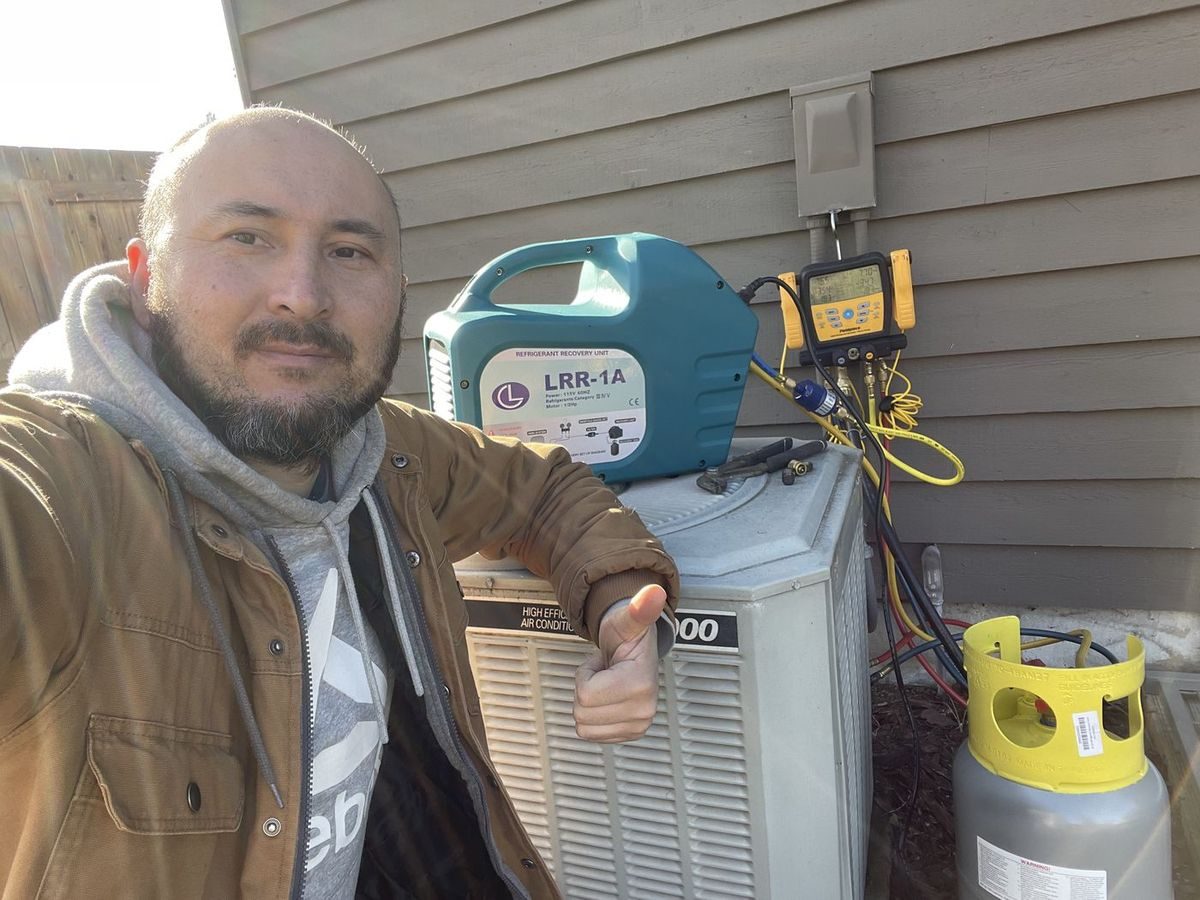
Tab 2 of 12
More Kitsap homes have cooling since the 2021 heat dome. When a system falls behind on a hot afternoon, we start with airflow, the capacitor and the refrigerant charge.
See the service page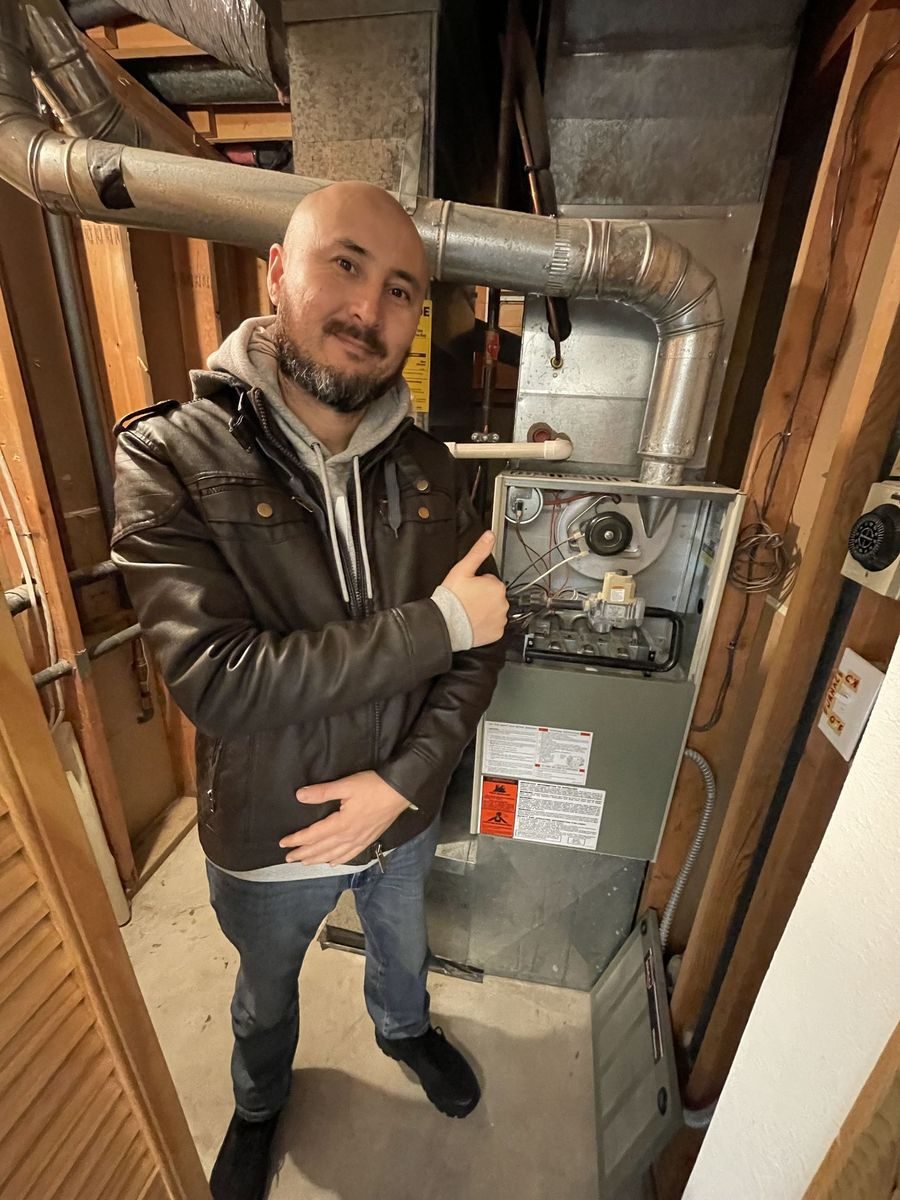
Tab 3 of 12
Many older Bremerton and Manette houses keep the furnace in a closet or under the floor. Filter, inducer, flame sensor and limit switch all get checked in that tight space.
See the service page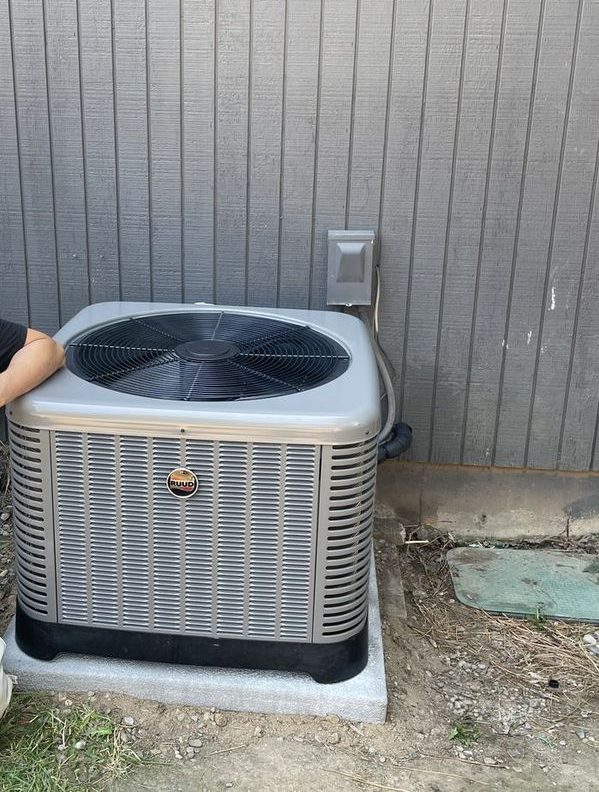
Tab 4 of 12
Placement matters on the peninsula: a raised pad clear of wet ground, back from salt spray where the lot allows, and out from under the needle drop.
See the service page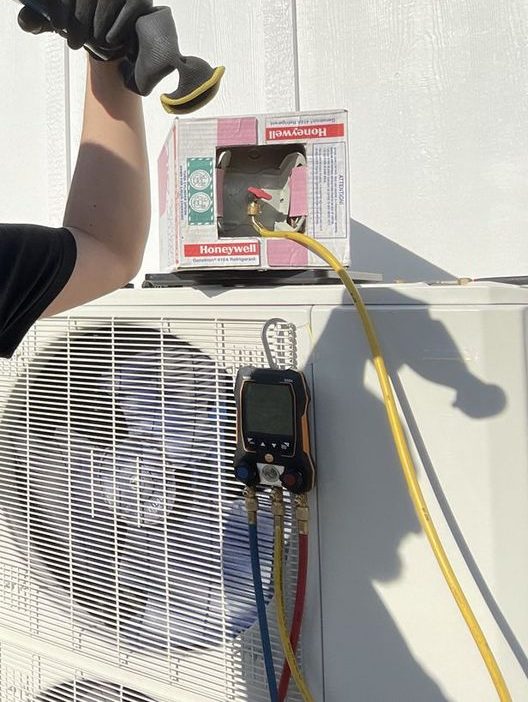
Tab 5 of 12
Mini-splits fit older homes with no room for ducts. Their line sets need sound insulation where they cross a damp crawlspace, and the outdoor unit needs a clear drain path.
See the service page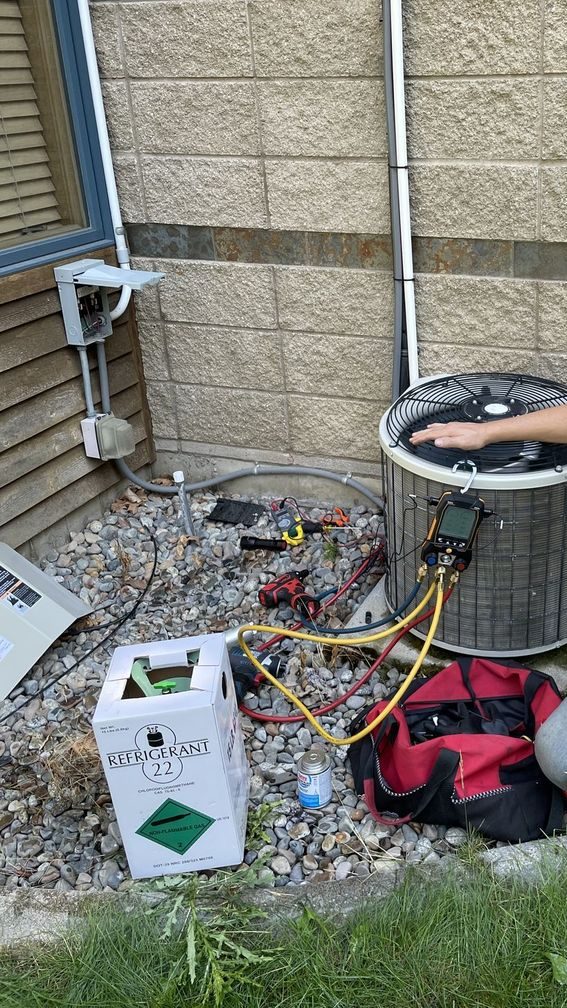
Tab 6 of 12
A seasonal visit near the water means a coil rinse, a look at the fasteners for salt rust and a base pan that drains. Those three buy waterfront equipment years.
See the service page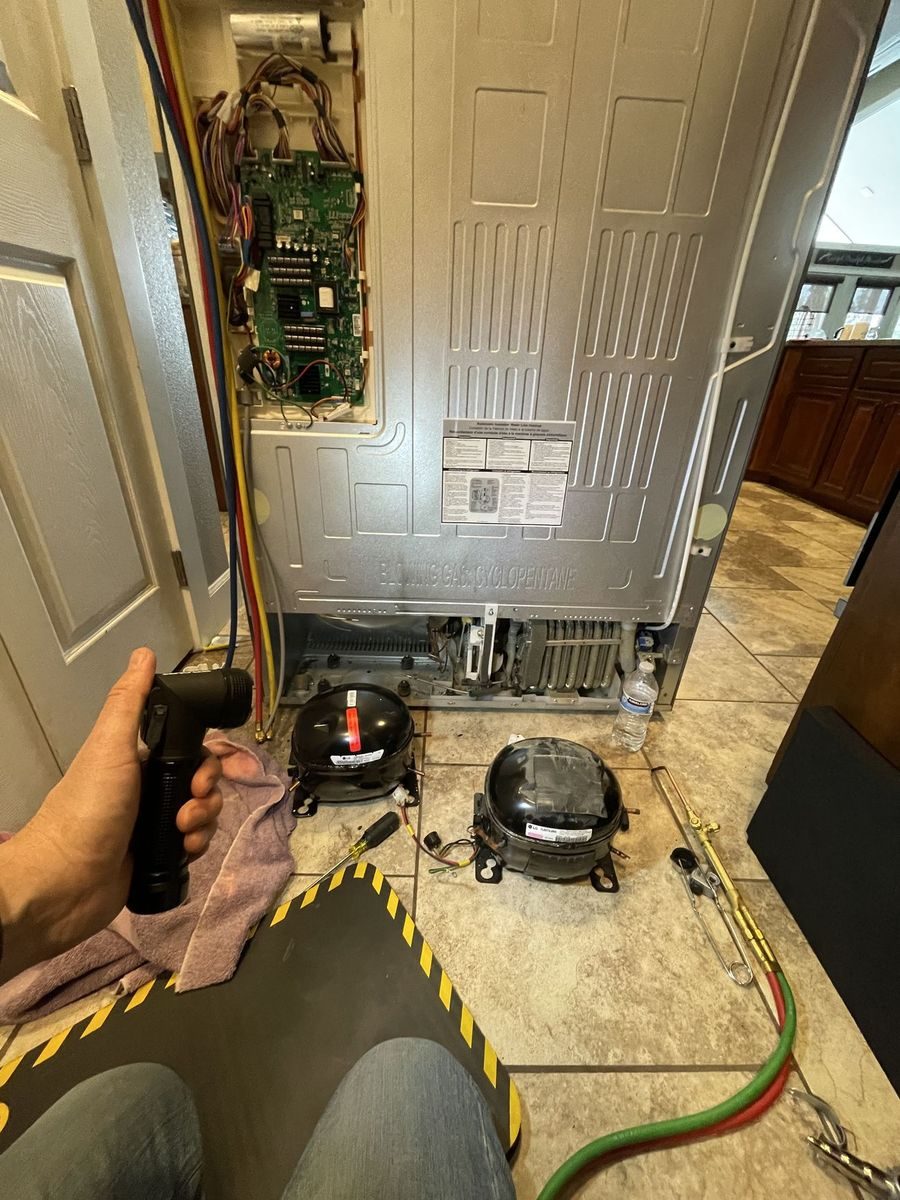
Tab 7 of 12
Sealed-system work, from leak search to recharge, happens right in the kitchen under EPA 608 Universal credentials, so the fridge stays where it stands.
See the service page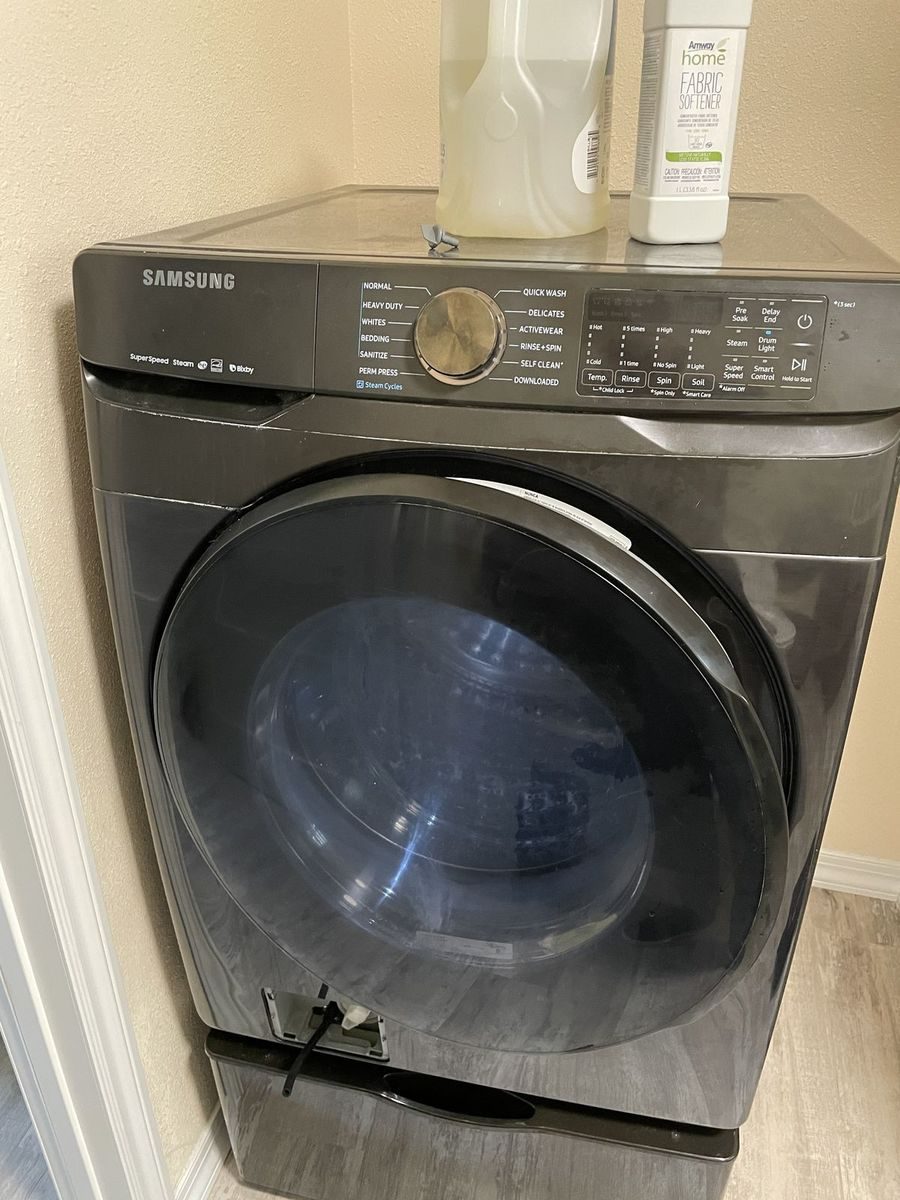
Tab 8 of 12
Damp Kitsap laundry rooms are hard on door boots, so mildew, torn folds and a clogged pump filter are the first things we look at on a front-loader.
See the service page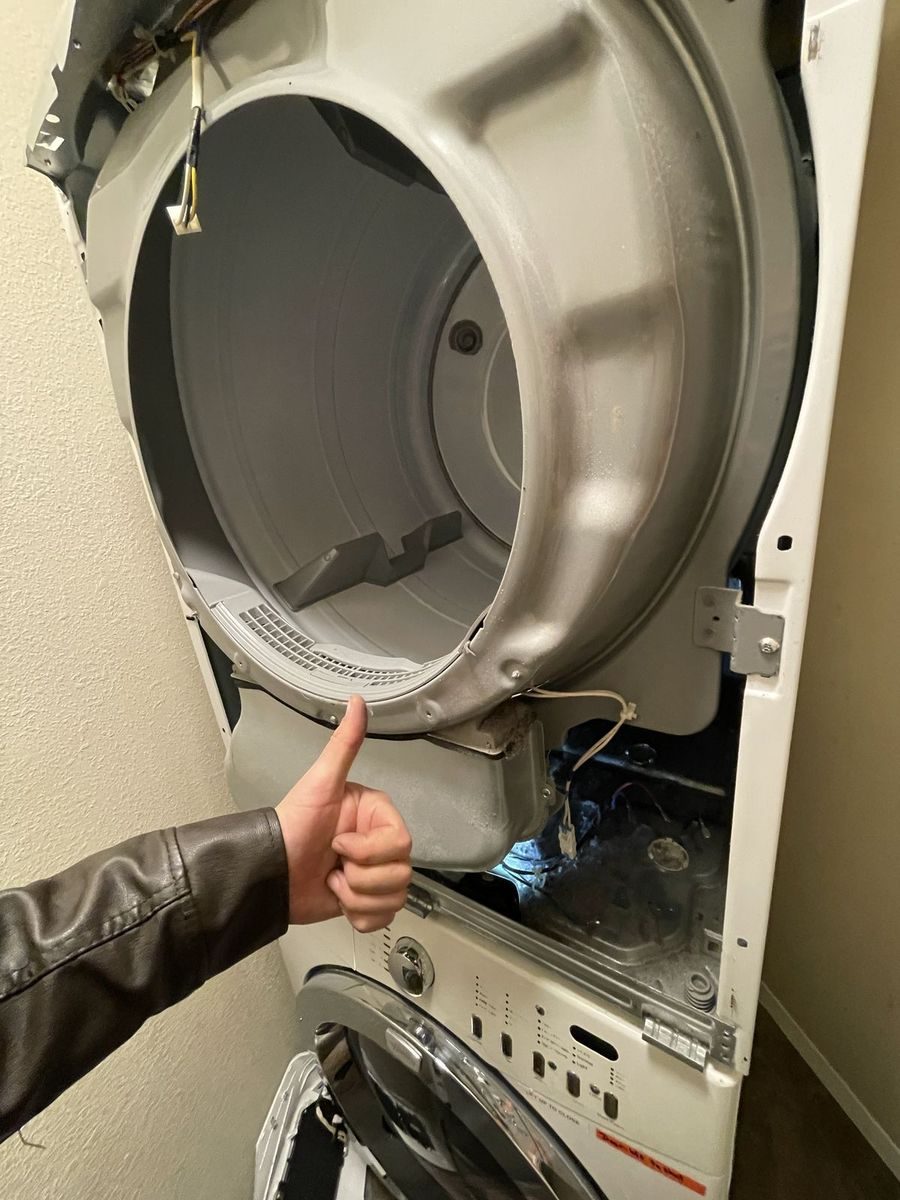
Tab 9 of 12
Long vent runs through damp walls fill with lint quickly, so the vent gets tested along with the heating side: element or burner, thermal fuse and thermostats.
See the service page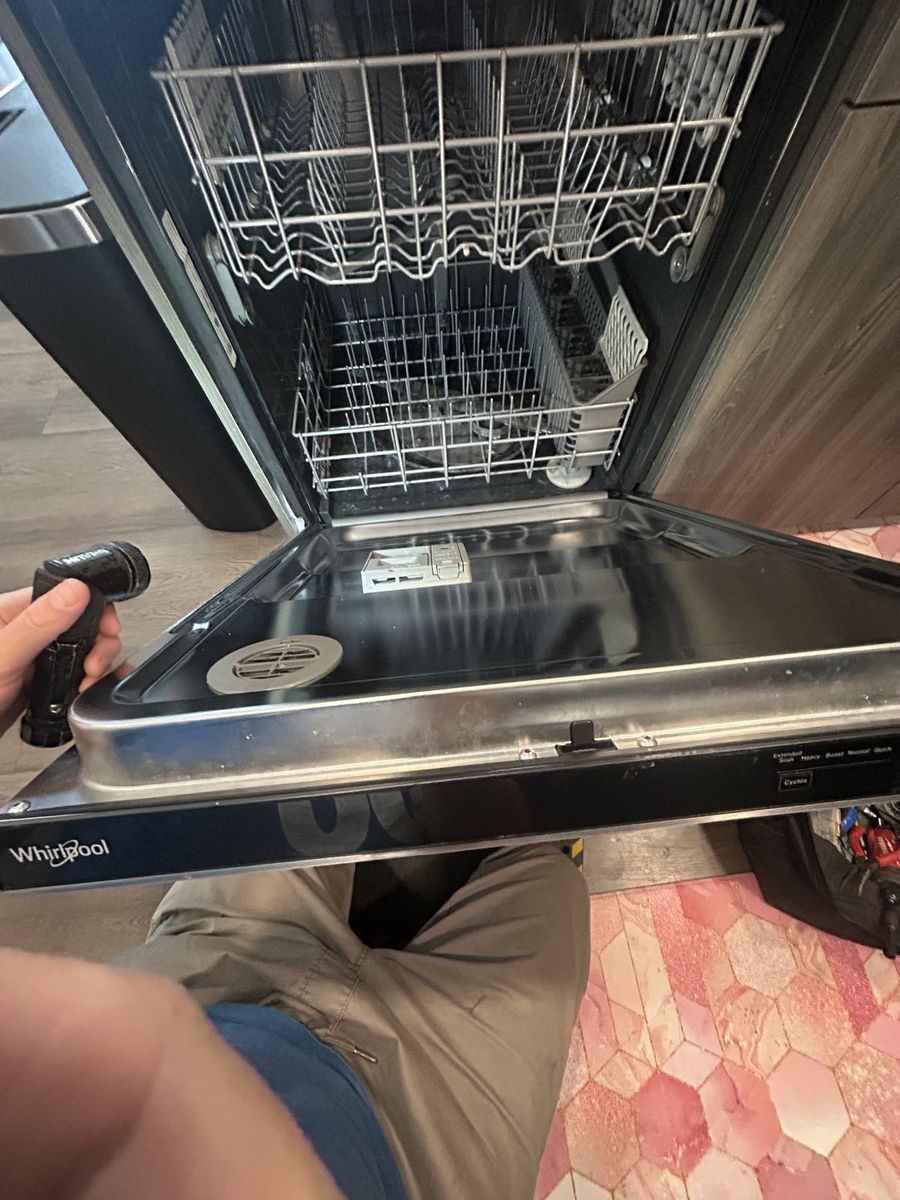
Tab 10 of 12
Well water leaves minerals on the spray arms and the inlet screen, two early stops when dishes come out dull or the tub fills slowly.
See the service page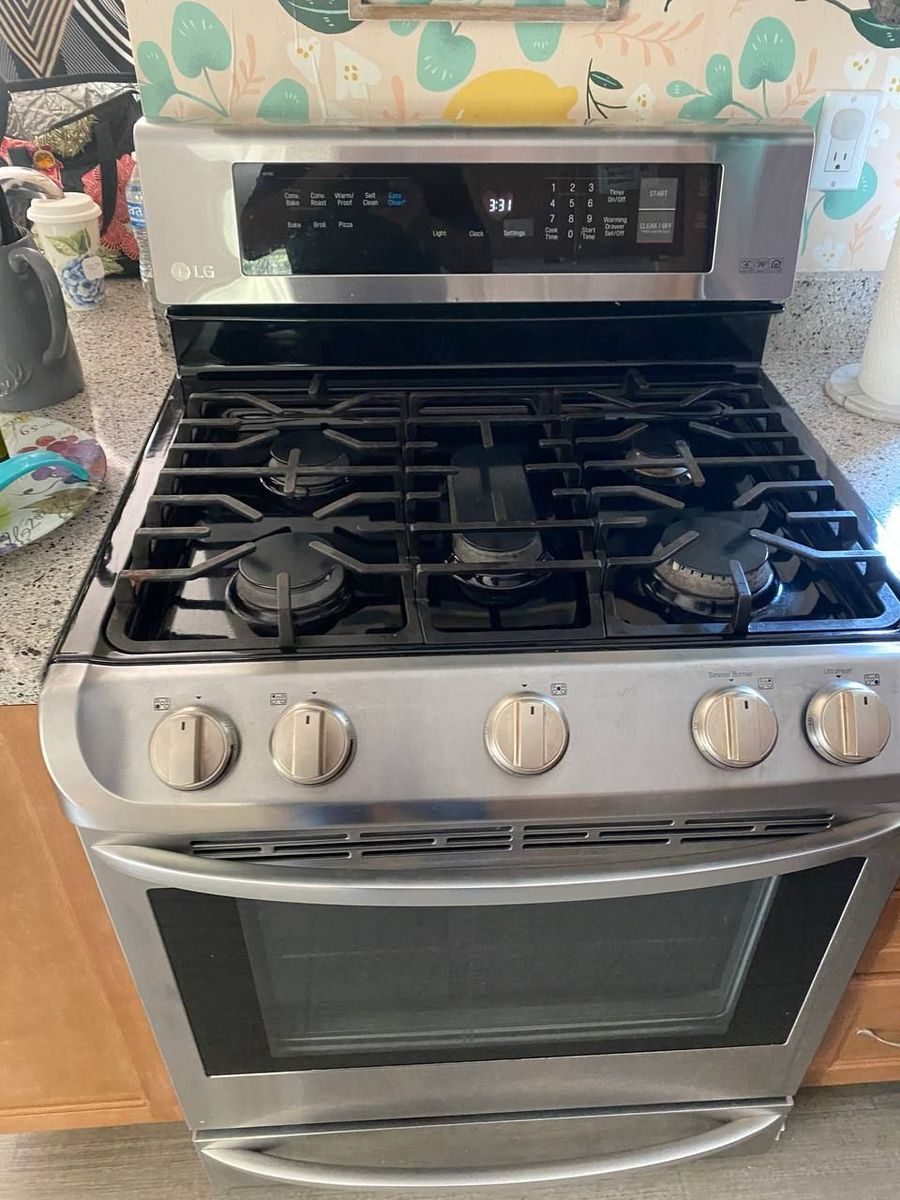
Tab 11 of 12
Natural gas and propane ranges both get igniter, valve and flame checks. The tank and its lines stay with your propane supplier.
See the service page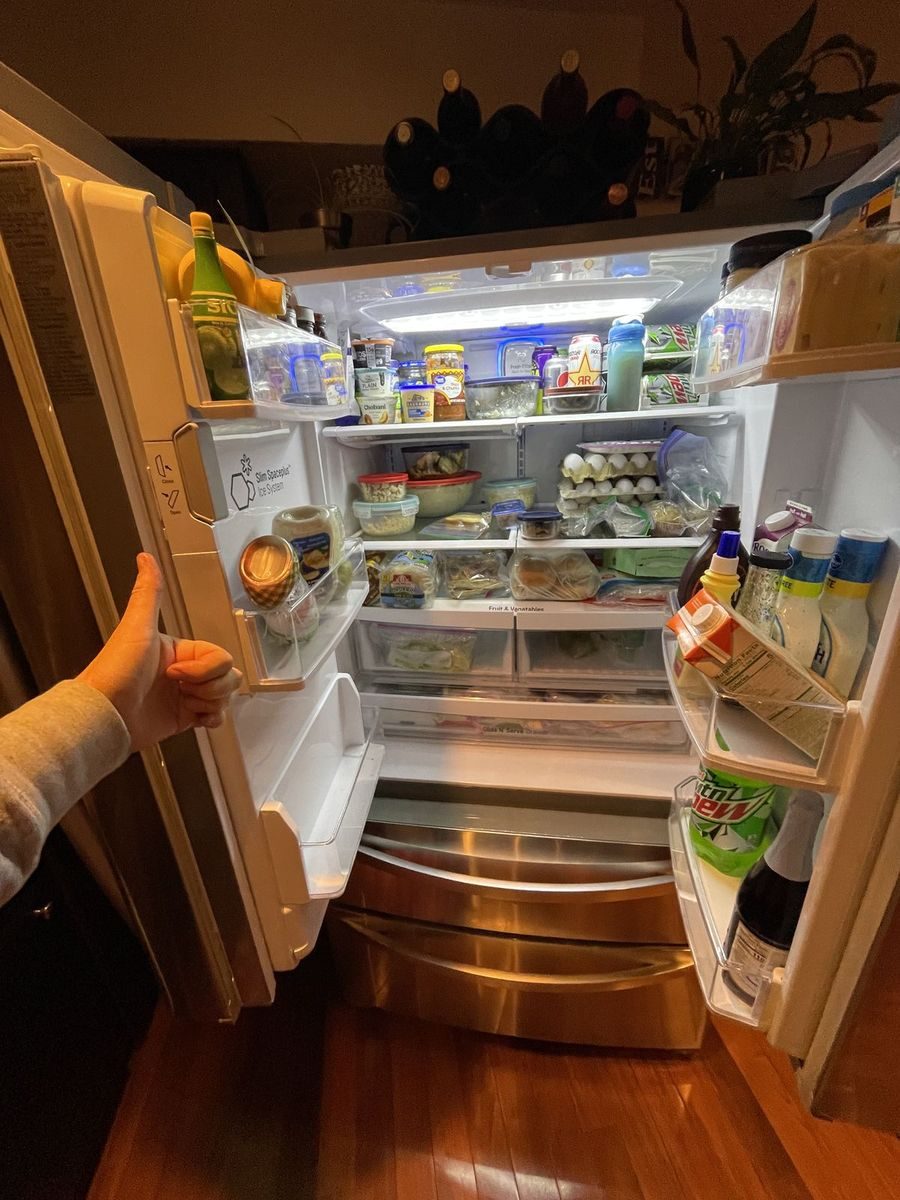
Tab 12 of 12
After a windstorm outage the fill tube often freezes solid and the ice maker goes quiet, so we follow the water up from the inlet valve.
See the service pageMake a dated record with photos on move-in day, before your furniture hides anything. In most rentals the appliances and heating system belong to the owner and repairs go through the property manager, so a clear record keeps you from answering for older damage and helps the owner approve a fix quickly.
Aim for a day after the appliances are in place and the fridge has stood long enough, but before the first laundry load or the first cold night. The website calendar shows open days and arrival windows, so slot the visit between the walkthrough and the movers. Expect two calls: one from the office to confirm, one from the technician on the way over. Leaving the area? Book a few days ahead of the truck so bolts or a part can arrive in time.
Every repair is written up and priced for you or the owner to approve first. The office names the diagnostic charge when the visit is booked. Once a repair goes ahead, that charge is counted inside it; if the owner passes, the diagnostic charge alone settles the visit. Appliance work sits under our 07D specialty, heating under 06A, with warranty coverage listed in writing on your invoice.
Guide · Waterfront heat pumps
How spray off the inlets, the harbor and Hale Passage corrodes heat pump and AC outdoor units, the safe freshwater rinse, coated coils for replacements, and when to call.
Guide · Storm season
When firs and alders take the lines down: restarting heat pumps and furnaces safely, keeping the fridge and freezer cold, resetting a breaker once, and spotting surge damage.
Guide · Drizzle, salt spray and one bridge to the island
How a heat pump copes with damp Kitsap and Fox Island winters: routine defrost versus real trouble, sideways rain, salt spray, soggy ground and fir needles, plus checks owners can make.
Not safely over any real distance. Without bolts the drum swings loose, and one hard bounce can crack the tub or ruin the suspension. Bolts are specific to each model, so copy the model number off the door frame and order the matching set well before moving day. For a short hop across town, padding the drum gap helps a little, though it is a compromise rather than a substitute.
Not necessarily. An ice maker waits for the freezer to get cold enough before it fills its mold, often close to a full day after a move. Confirm the supply valve is open, the switch or arm is set to make ice, and the line behind the fridge is not pinched. If water still never shows up, suspect an iced-over fill tube or a dead inlet valve coil.
Your lease decides that, not us. Many leases put supplied appliances and the heating system on the owner, while damage from a tenant's own move may land on the tenant. Written findings and a price can be forwarded to whoever manages the house, and work begins only once the person paying agrees.
We test gas appliances, but we do not tie them into the house gas piping; a licensed gas fitter makes that connection. Once it is done, our technicians can check ignition, the valve coils, the flame and the vent run, and confirm the dryer heats and cycles off properly. Smelling gas at any stage means getting everyone out, then phoning 911 or the gas supplier.
Talk to a person
Settling in or packing up, grab a date and window online, or call any morning from 8 AM or as late as 7 PM. Two calls follow: the office confirming, then your technician en route.
Schedule online
Tell us what needs attention, the day that works and the window you prefer. A scheduler calls to make it firm, and the technician rings again before pulling up.
Washington Labor & Industries keeps these records public. Each number can be searched on L&I Verify; scope details sit on a separate page.
Scope of each license