Tab 1 of 12
Heat pump repair
Through the gray months we watch the defrost cycle closely, because a coil that never clears is the classic Kitsap winter call. Capacitors and the reversing valve come next.
See the service page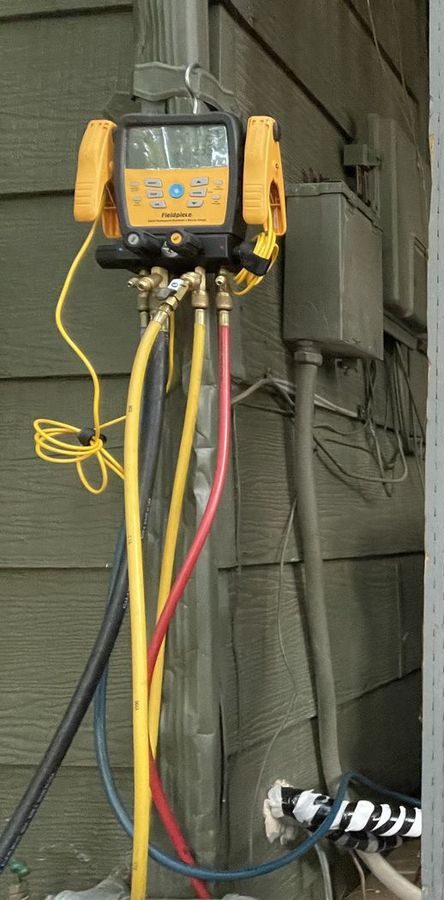
Bremerton · Heat pumps through the wet months
Bremerton's gray, drizzly months suit a heat pump well, yet they keep the outdoor coil frosting and crawlspace ducts sweating. Our technicians trace defrost failures, AUX heat that refuses to rest, and lockouts after windstorm outages, then write out a price before a single part changes.
Straight to it
A Bremerton heat pump that blows cool air in heat mode, keeps its AUX light glowing for hours, or hides under a shell of ice usually traces to a defrost board or coil sensor fault, a reversing valve hung up mid-shift, too little refrigerant, a weak outdoor fan capacitor, or ducts bleeding warmth into a damp crawlspace. We test each suspect, write down the price, and proceed only on your word.
Often the trouble lies in ductwork the heat pump inherited. Plenty of early and mid-20th-century Bremerton homes began with an electric furnace or baseboard heaters, and the heat pump came later, its air handler parked in a basement corner or crawlspace and its supply trunks hung beneath the joists. Loose joints down there spill warm air onto the vapor barrier, while bare sheet metal sheds heat before it reaches a bedroom. The thermostat sees the house lag and calls in the backup heat strips. So before faulting the outdoor unit, our technician compares supply temperature at the air handler with the farthest register, reads static pressure, and inspects duct connections at the equipment.
The weather keeps the defrost system busy. Bremerton collects about 57 inches of rain and drizzle a year, and winter lows hover near 35°F, the damp, near-freezing air in which an outdoor coil grows frost fastest. A healthy unit clears it every so often by reversing briefly; a failed coil sensor, defrost board or valve solenoid lets ice pile up until airflow stops. For refrigerant, every technician holds the EPA 608 Universal credential, and LARCHHA742PL lists our 06A HVAC/Refrigeration specialty. You learn the diagnostic charge from the office before the trip; it merges into the repair figure when you proceed and is the full bill when you don't.
Give the heat pump a few minutes before asking it to work. Kitsap is thick with Douglas fir, cedar, alder and maple, and windstorms regularly drop trees across power lines; the bomb cyclone of November 19–20, 2024 caused outages throughout the region and closed 22 Kitsap County roads. When service comes back, set the thermostat to off and look at the breaker, resetting it once if it tripped, then return to heat. Many outdoor units hold the compressor off for several minutes after power returns, and some makers want the crankcase heater to warm the compressor after a long outage, so let the backup strips carry the house meanwhile.
Between storms, keep the outdoor unit clear and draining. Needles, moss and spring alder catkins pack the coil and its base pan, so defrost meltwater refreezes and ice climbs from the bottom row. Keep a two-foot margin clear around the cabinet and set it on a pad or riser above puddles. For a visit, choose an opening, a day plus an arrival window, in our scheduler, or dial the office, staffed from 8 AM until 7 PM daily; a return call confirms the slot.
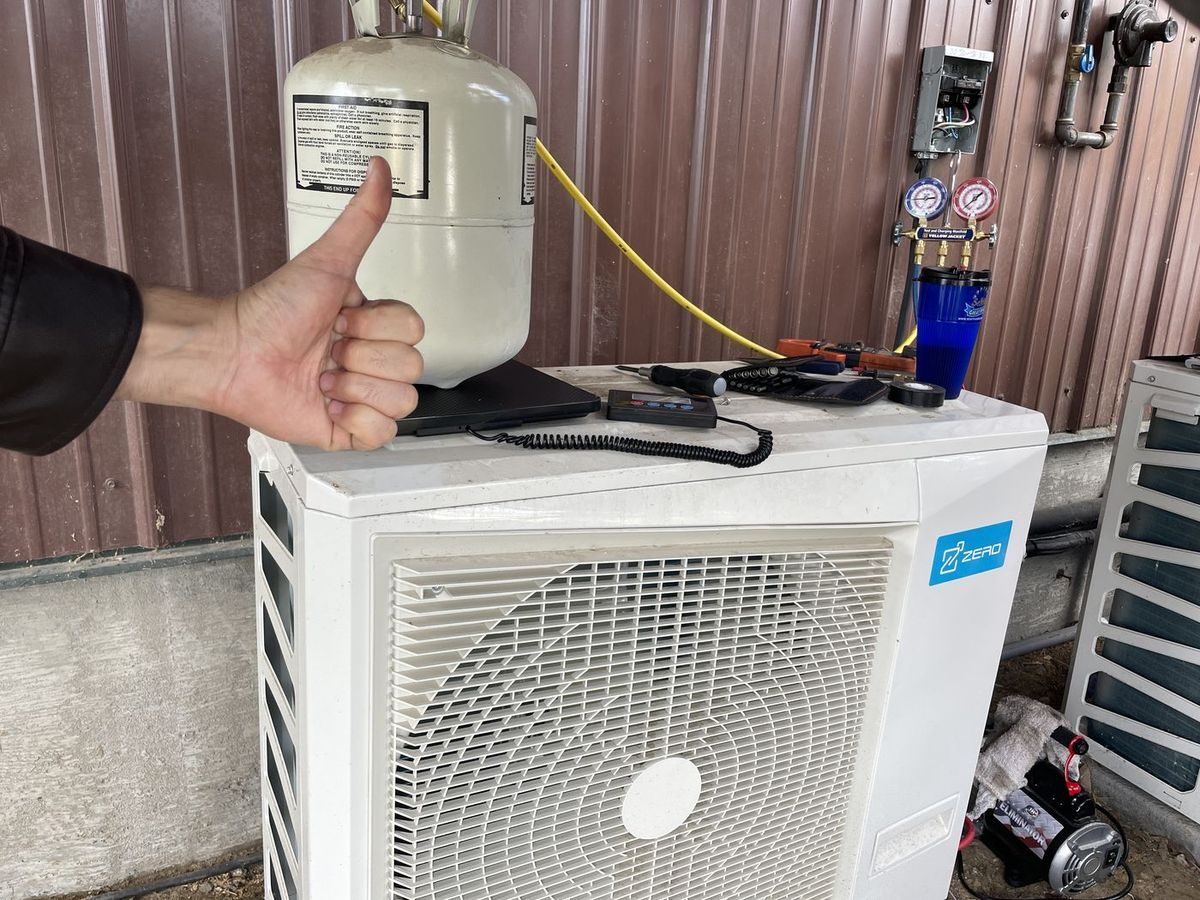
Each tab holds a photo from our service calls and a note on what we check first. Pick any tab; left alone, they turn every few seconds.
Tab 1 of 12
Through the gray months we watch the defrost cycle closely, because a coil that never clears is the classic Kitsap winter call. Capacitors and the reversing valve come next.
See the service page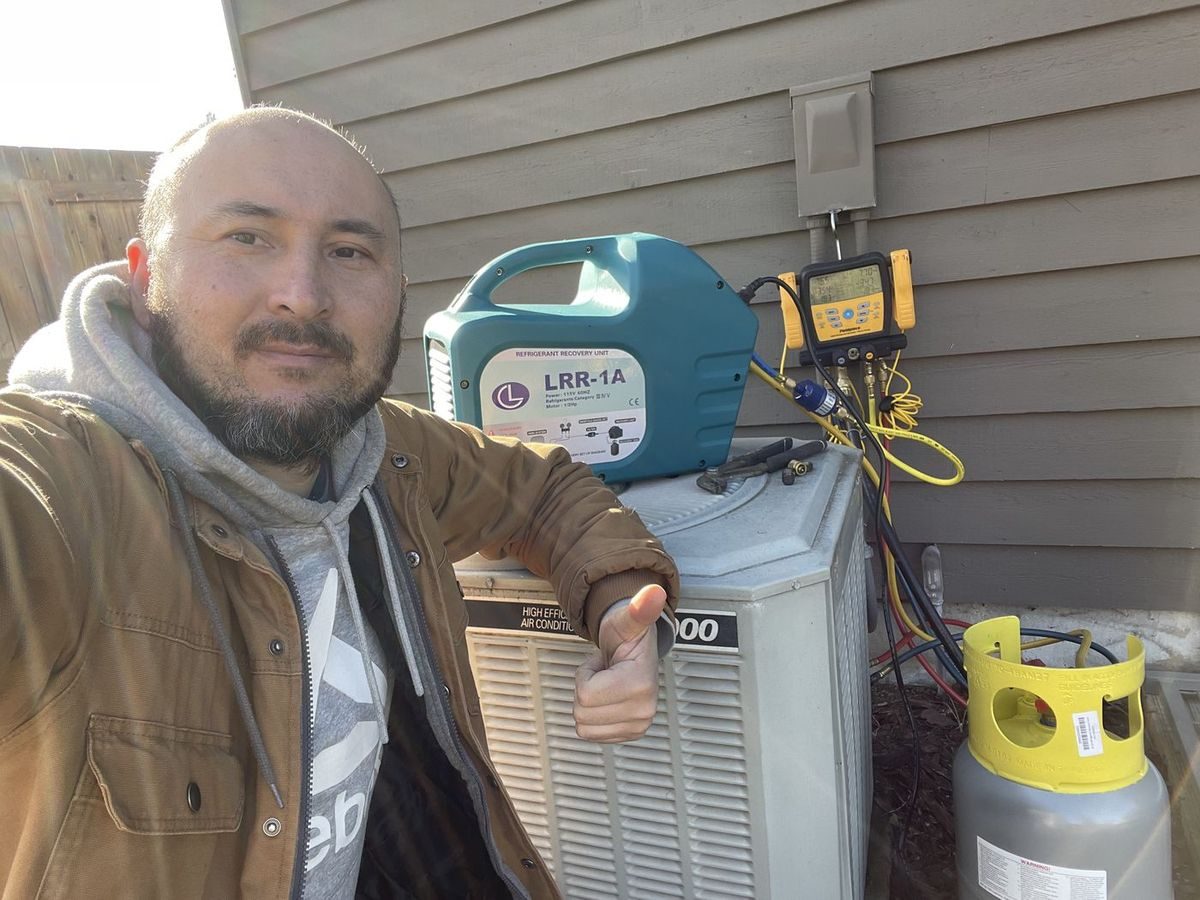
Tab 2 of 12
More Kitsap homes have cooling since the 2021 heat dome. When a system falls behind on a hot afternoon, we start with airflow, the capacitor and the refrigerant charge.
See the service page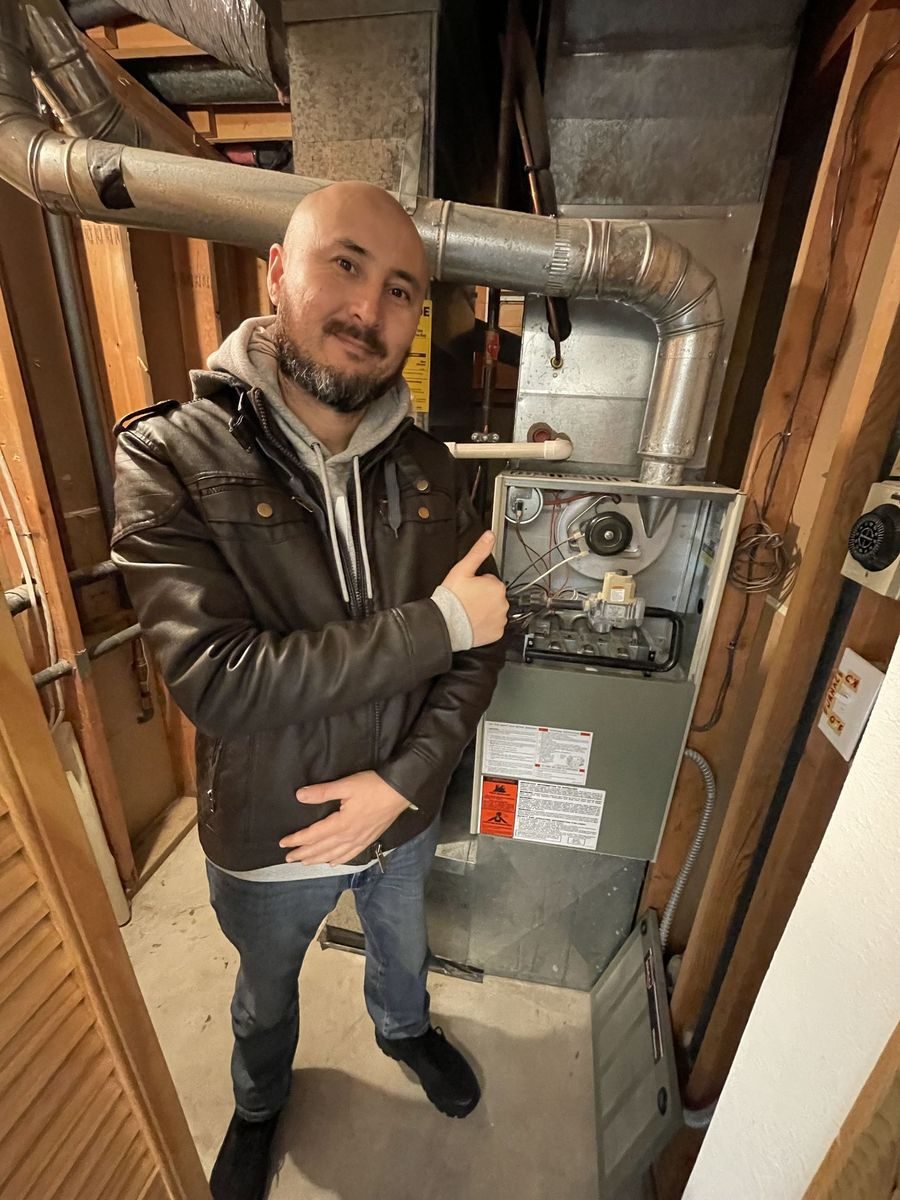
Tab 3 of 12
Many older Bremerton and Manette houses keep the furnace in a closet or under the floor. Filter, inducer, flame sensor and limit switch all get checked in that tight space.
See the service page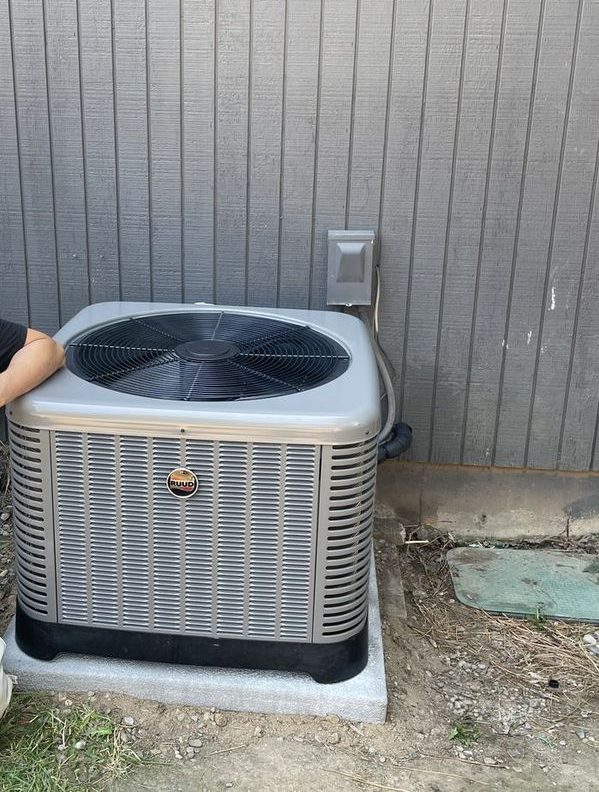
Tab 4 of 12
Placement matters on the peninsula: a raised pad clear of wet ground, back from salt spray where the lot allows, and out from under the needle drop.
See the service page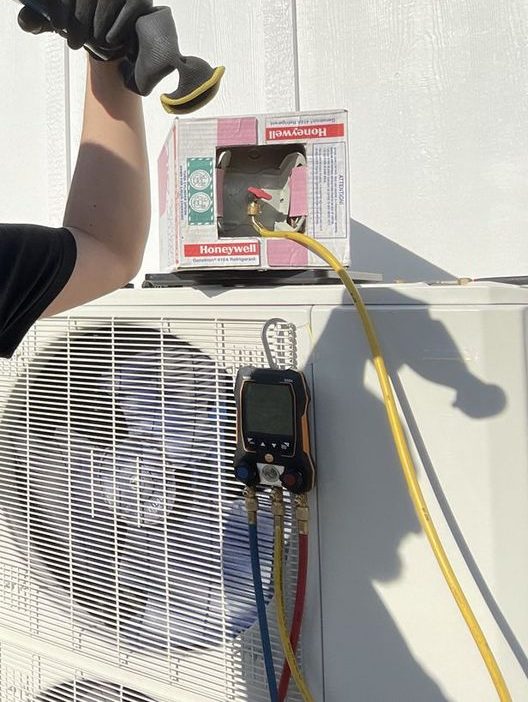
Tab 5 of 12
Mini-splits fit older homes with no room for ducts. Their line sets need sound insulation where they cross a damp crawlspace, and the outdoor unit needs a clear drain path.
See the service page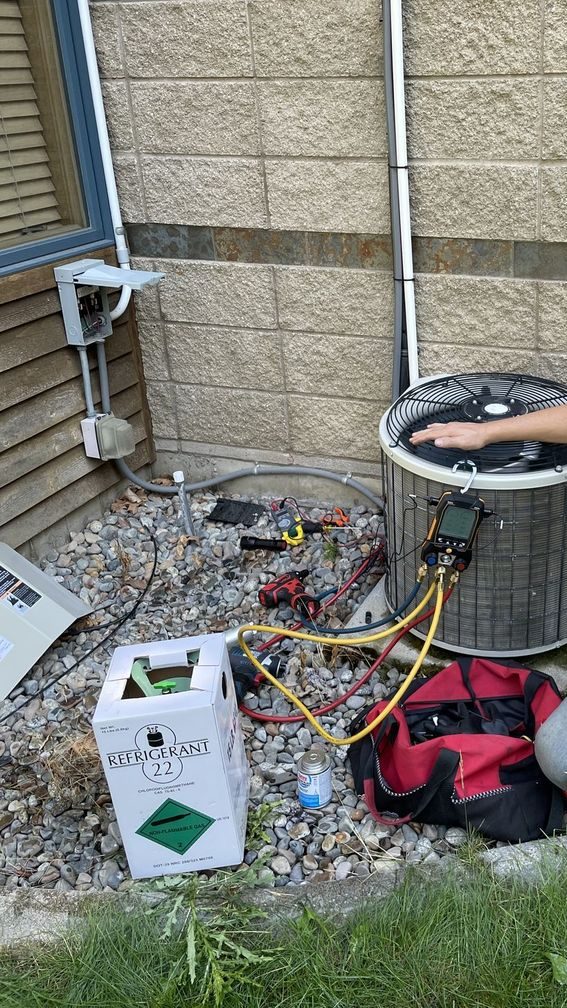
Tab 6 of 12
A seasonal visit near the water means a coil rinse, a look at the fasteners for salt rust and a base pan that drains. Those three buy waterfront equipment years.
See the service page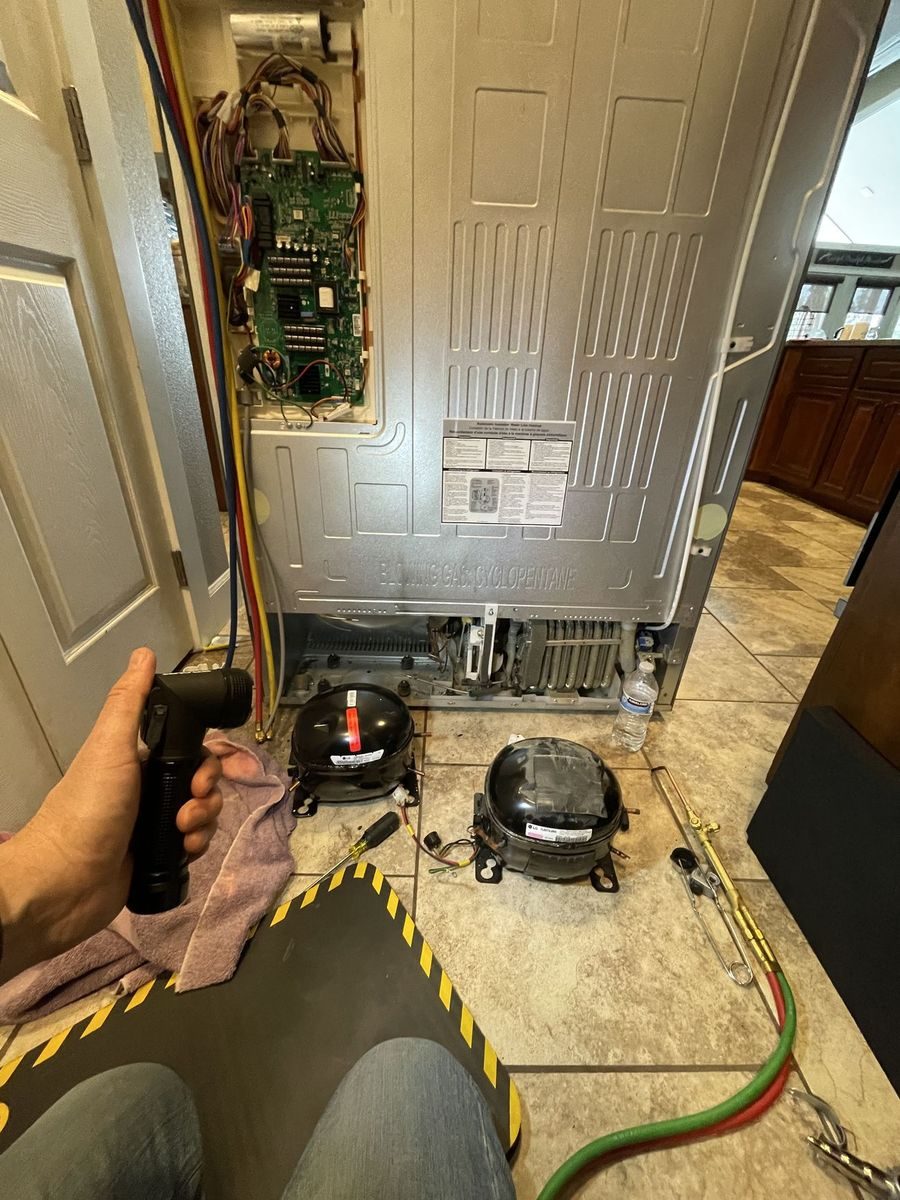
Tab 7 of 12
Sealed-system work, from leak search to recharge, happens right in the kitchen under EPA 608 Universal credentials, so the fridge stays where it stands.
See the service page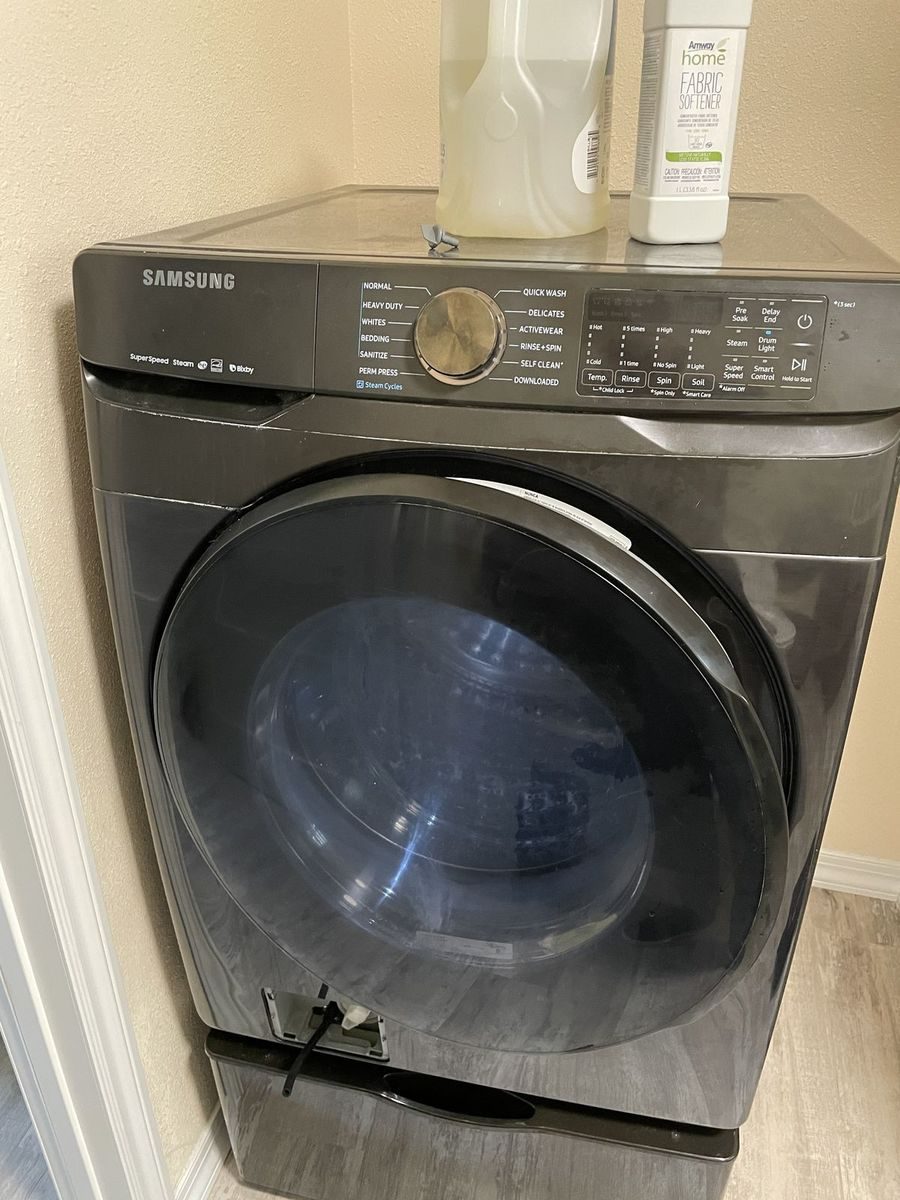
Tab 8 of 12
Damp Kitsap laundry rooms are hard on door boots, so mildew, torn folds and a clogged pump filter are the first things we look at on a front-loader.
See the service page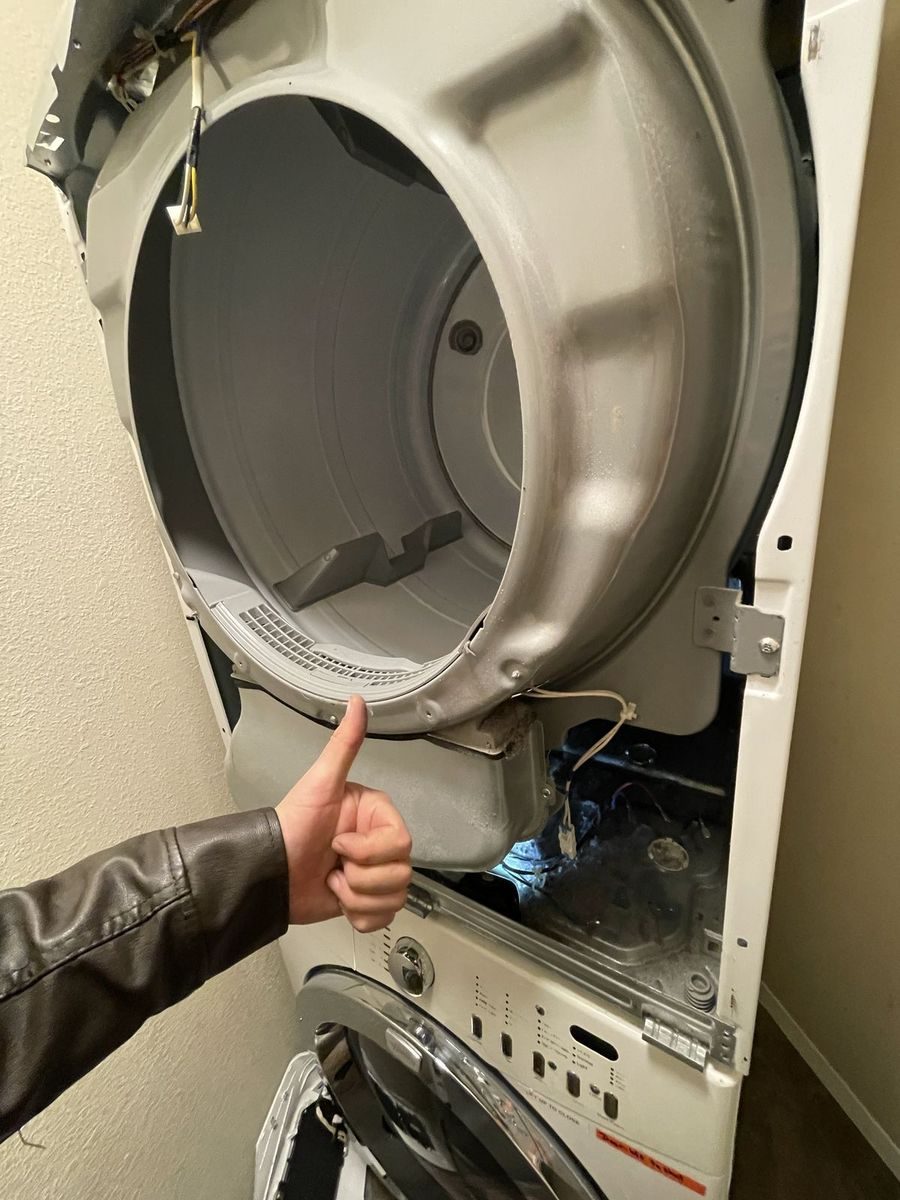
Tab 9 of 12
Long vent runs through damp walls fill with lint quickly, so the vent gets tested along with the heating side: element or burner, thermal fuse and thermostats.
See the service page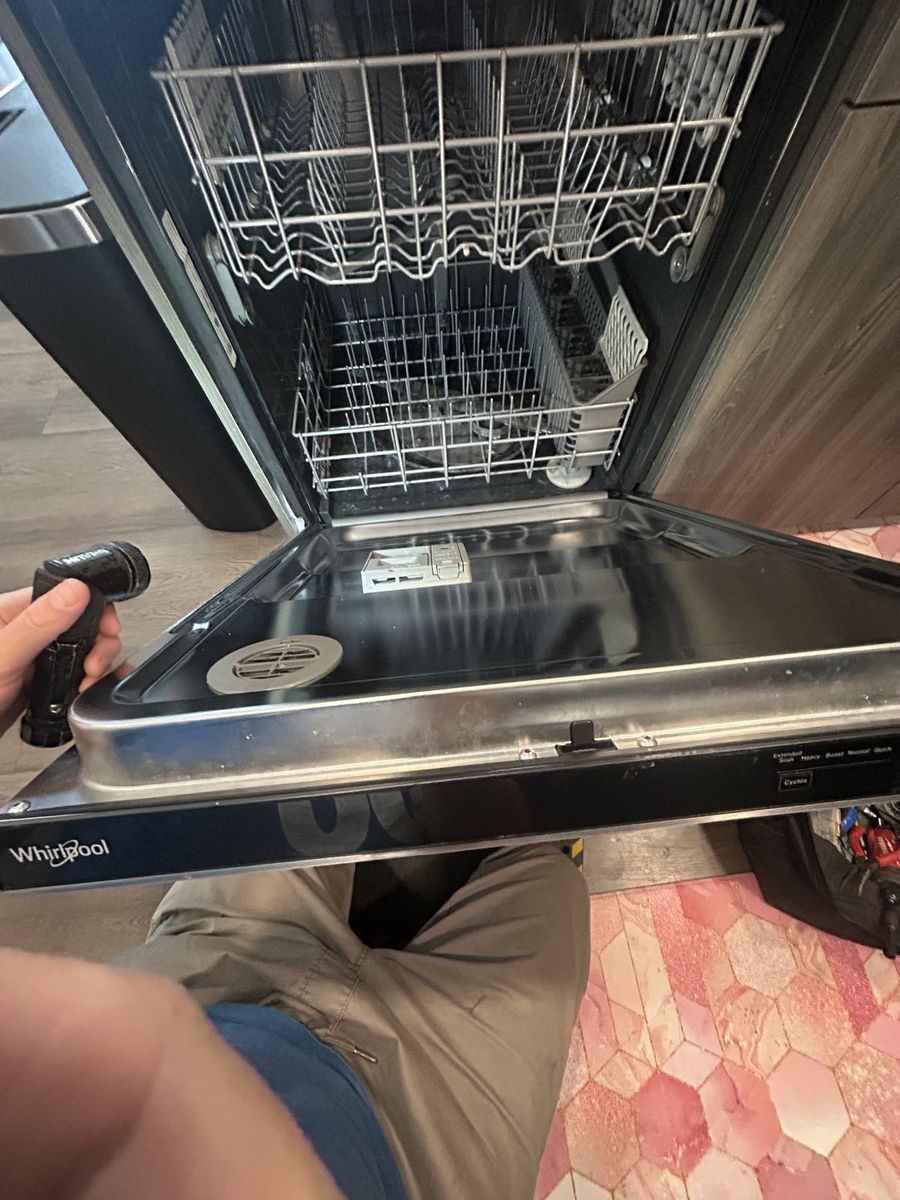
Tab 10 of 12
Well water leaves minerals on the spray arms and the inlet screen, two early stops when dishes come out dull or the tub fills slowly.
See the service page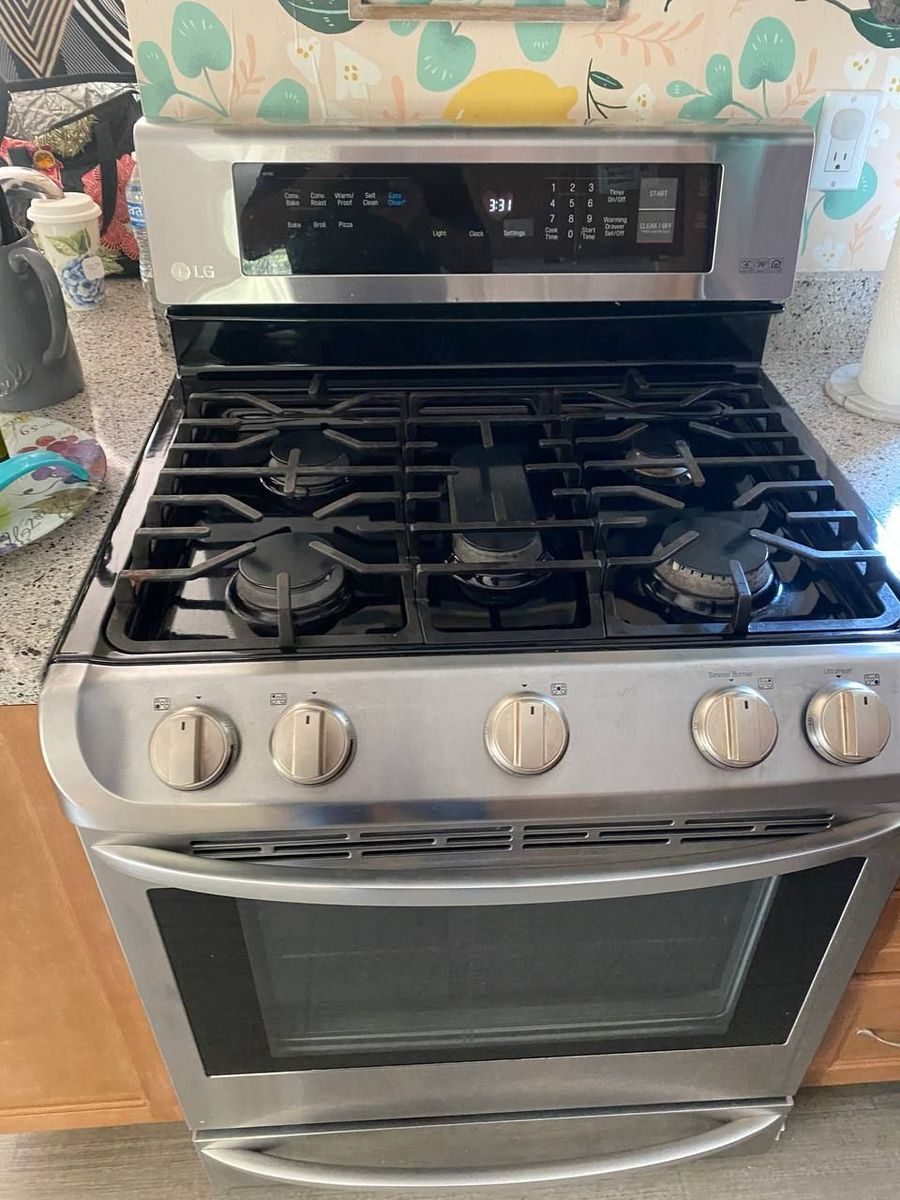
Tab 11 of 12
Natural gas and propane ranges both get igniter, valve and flame checks. The tank and its lines stay with your propane supplier.
See the service page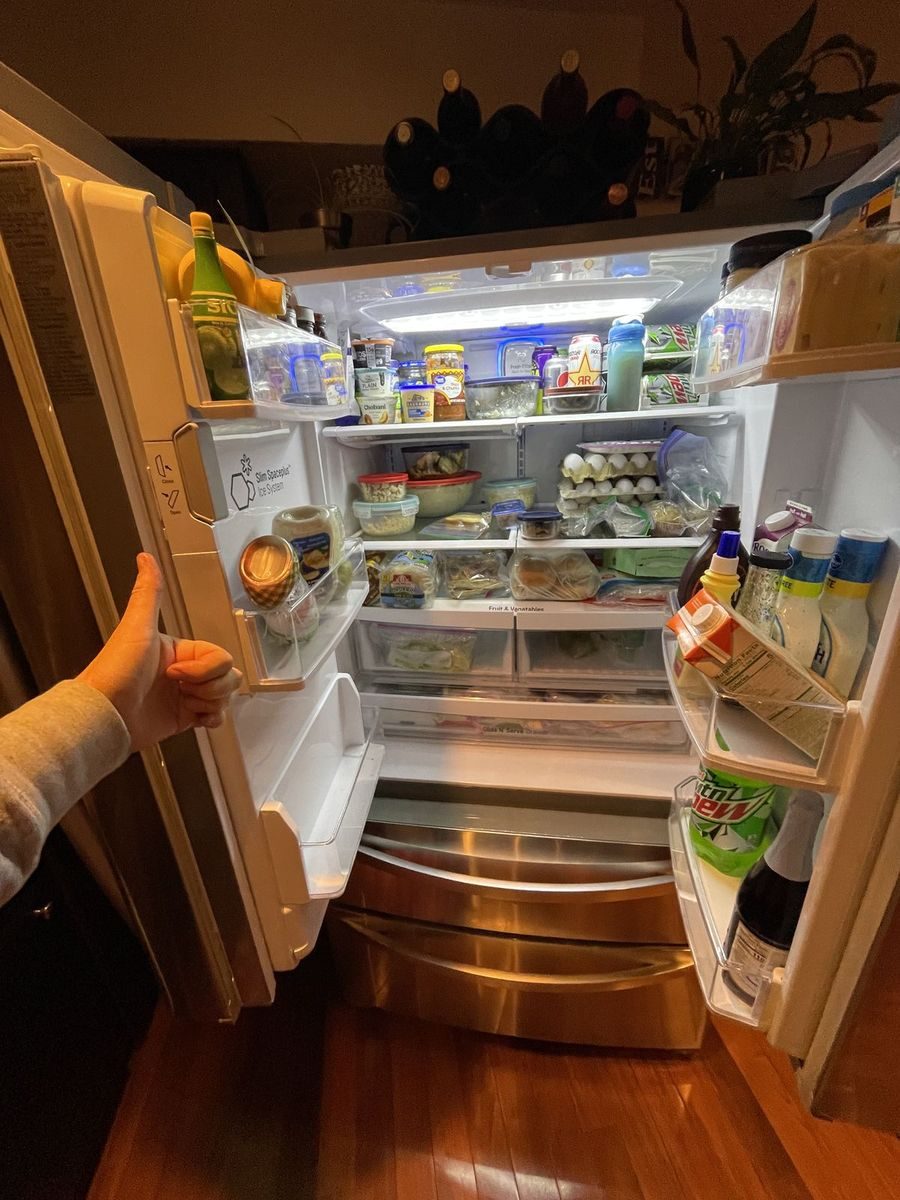
Tab 12 of 12
After a windstorm outage the fill tube often freezes solid and the ice maker goes quiet, so we follow the water up from the inlet valve.
See the service pageManette's older homes often gained a heat pump decades after construction, with the air handler tucked in a basement or crawlspace and ducts snaking beneath the floors. Houses on the Narrows shoreline add salt air on the outdoor coil. In one visit we look at duct joints by the equipment and at fin corrosion outside.
Across the Narrows from Manette, West Bremerton has plenty of mid-century homes where a heat pump replaced or joined an electric furnace, keeping its resistance strips as backup. When those strips carry too much of the load, the electric bill usually shows it before the rooms do. We check charge, defrost timing and staging together.
Inland East Bremerton, reached by the Warren Avenue Bridge, has many houses under tall firs, where needles and moss crowd outdoor units and shade keeps coils wet. Those trees also take down lines in strong winds, so control boards here face outage surges. We clean the coil, then test the board, fuse and transformer.
Briefly, yes. The backup strips may switch on during a defrost cycle or whenever the thermostat finds the house several degrees below setpoint, as after a night setback. If AUX lingers for hours on a mild, wet day, though, the heat pump probably is not pulling its weight. A low charge, a defrost fault or leaky ducts are the usual reasons, and each can be tested.
Frequently, if the coil and compressor still test well. Surface rust on screws and panels is mostly cosmetic, and corroded fasteners are simple to replace. Fins that crumble at a touch, or refrigerant escaping through a corroded joint, change the math. We measure the charge and inspect the coil, write the repair price, and can set a replacement quote beside it.
Yes. Backup heat strips, their sequencers or relays, and the limit switches inside the air handler fall under heat pump service and our 06A HVAC/Refrigeration specialty. We clamp an ammeter on each strip and test every limit. Wiring that feeds the air handler from the home's electrical service is outside our work, and we will tell you if a fault traces back there.
Just the diagnostic fee, the amount the office mentions when you set up the visit. Holding off makes that fee the entire bill. Saying yes instead folds it into the repair figure rather than stacking it on top. Every price is written before a panel comes off, and parts needing a special order are priced ahead, so the decision rests with you.
Talk to a person
Book through the online scheduler by settling on a day plus arrival window, or phone the office. A call then locks in the time, and your technician rings while on the way.
Schedule online
Tell us what needs attention, the day that works and the window you prefer. A scheduler calls to make it firm, and the technician rings again before pulling up.
Washington Labor & Industries keeps these records public. Each number can be searched on L&I Verify; scope details sit on a separate page.
Scope of each license