Tab 1 of 12
Furnace repair
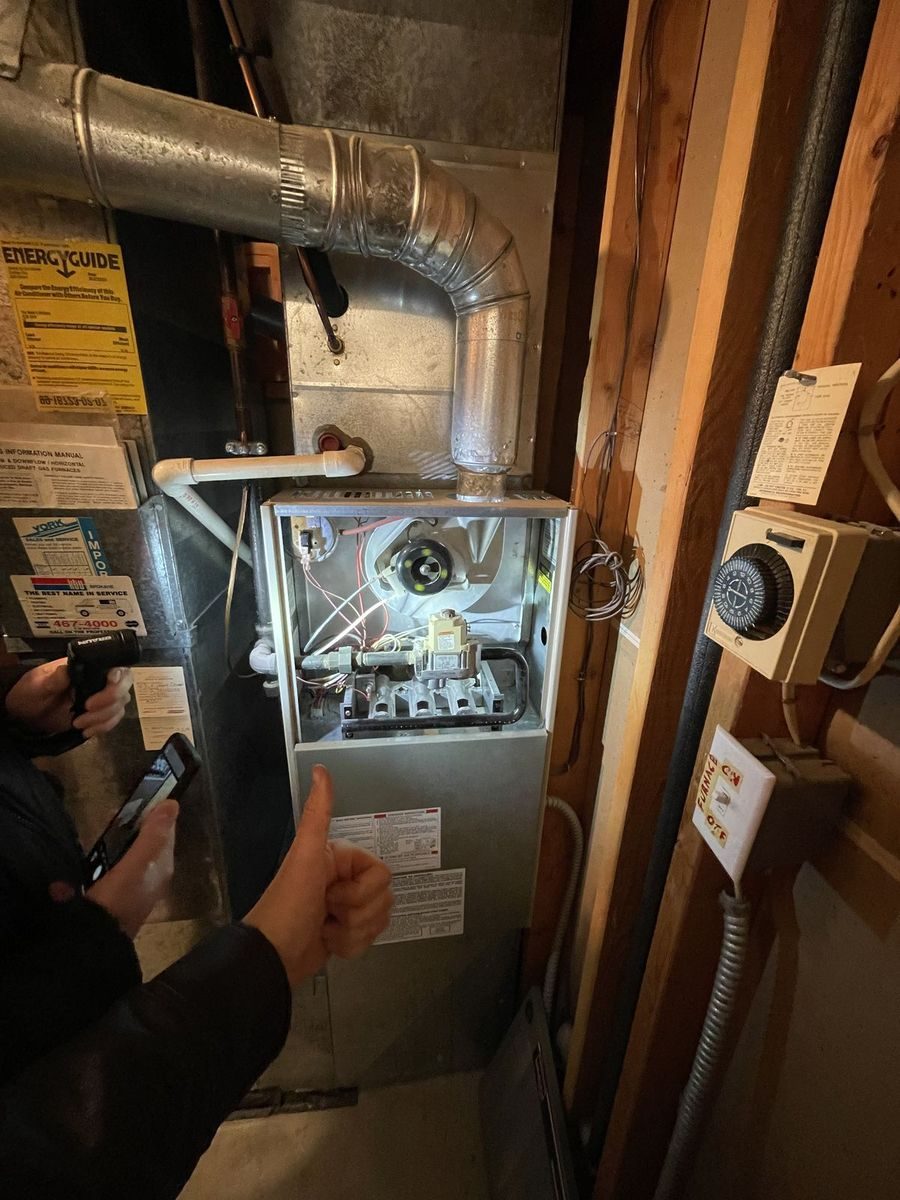
Many older Bremerton and Manette houses keep the furnace in a closet or under the floor. Filter, inducer, flame sensor and limit switch all get checked in that tight space.
See the service page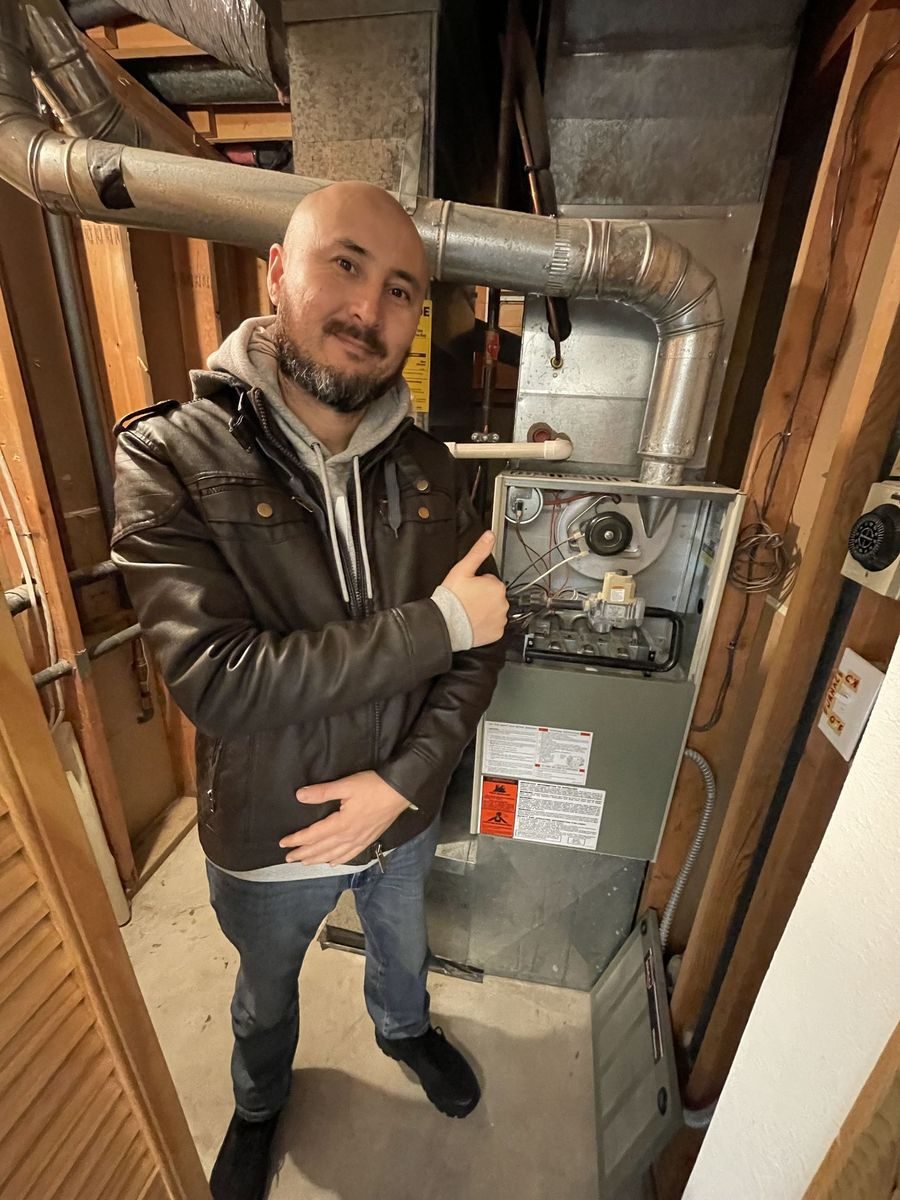
Bremerton · Electric and gas furnaces
Lots of older Bremerton homes keep warm with resistance heat, either a furnace or an air handler full of strips, tucked into a basement corner or a low crawlspace; others burn natural gas. Our technicians locate the burned sequencer, open limit, weak igniter or failing blower part and price the fix on paper.
Straight to it
A Bremerton furnace that blows cool air or keeps shutting off usually has a burned sequencer, an open heating element or a tripping high limit if it is electric, or a fouled flame sensor, cracked igniter or pressure switch fault if it burns gas. We meter the suspect part and write the price before working. Any odor of gas: get everyone outdoors, then phone 911 or the gas supplier.
Usually one or more of its elements has stopped heating. An electric furnace staggers its elements through sequencers or relays, one after another, and each element circuit also passes through a high limit and a one-shot thermal cutoff. When sequencer contacts burn or an element coil breaks open, part of the furnace sits idle and the air leaving it feels tepid. Our technician clamps an ammeter on each element circuit, checks element resistance, tests the limits, and compares the temperature rise across the cabinet with the range printed on its rating plate. The same checks apply to the strip-heat section of an air handler that backs up a heat pump.
Gas furnaces run a longer chain, and our technicians test it link by link: the inducer spins up, the pressure switch proves the vent, the hot surface igniter glows, gas begins to flow, and the flame rod must carry enough microamps to keep the valve held open. In a damp crawlspace, flame rods and pressure switch ports corrode sooner. We repair the appliance itself, never the gas piping feeding it, under the 06A HVAC/Refrigeration specialty printed on LARCHHA742PL. Expect a diagnostic fee, its amount spelled out by the office as you schedule. Should you approve the repair, the repair price swallows that fee; should you decline, the fee is the whole of it.
Damp air does most of the slow damage. Bremerton gathers around 57 inches of precipitation in an average year, and a crawlspace under an older house rarely dries out between fall and spring. Furnaces and air handlers installed down there show rust on cabinet screws, blower housings and burner parts, mice nesting in nearby insulation, and filters left unchanged because reaching them means crawling. Before the heating season, open the hatch and look for standing water, chewed wiring or a filter caked gray, and clear a path so a technician can work safely.
Windstorm outages add stress. Kitsap's firs, cedars and alders bring down power lines in strong winds, and when service returns, flickers can damage a control board or leave a gas furnace locked out after several failed ignition tries. Switch the thermostat off for a few minutes, check the breaker once, then call for heat again. If the furnace stays silent, claim an open day plus arrival window in our scheduler, or reach a person at the office any day, 8 AM–7 PM. Confirmation comes by phone, and written warranty terms appear on every invoice.
Each tab holds a photo from our service calls and a note on what we check first. Pick any tab; left alone, they turn every few seconds.
Tab 1 of 12
Many older Bremerton and Manette houses keep the furnace in a closet or under the floor. Filter, inducer, flame sensor and limit switch all get checked in that tight space.
See the service page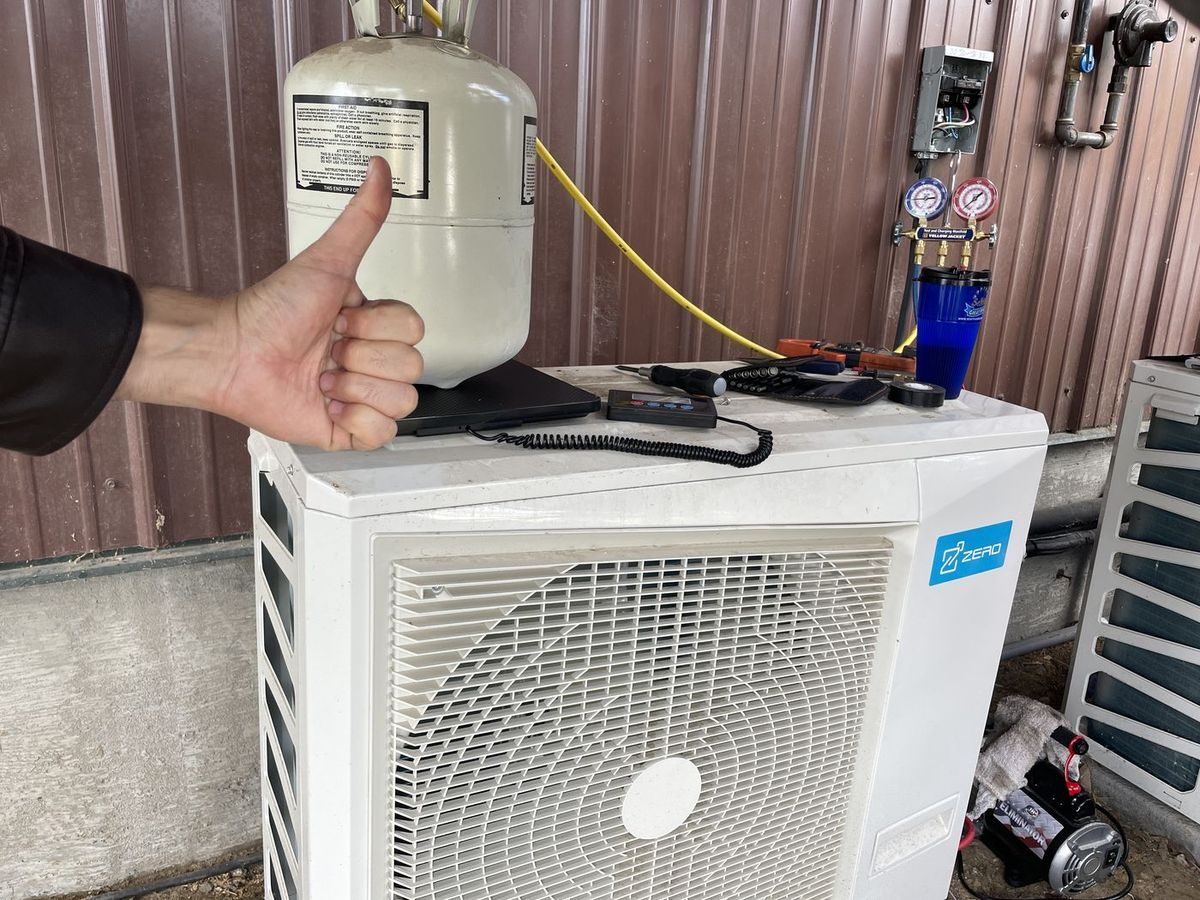
Tab 2 of 12
Through the gray months we watch the defrost cycle closely, because a coil that never clears is the classic Kitsap winter call. Capacitors and the reversing valve come next.
See the service page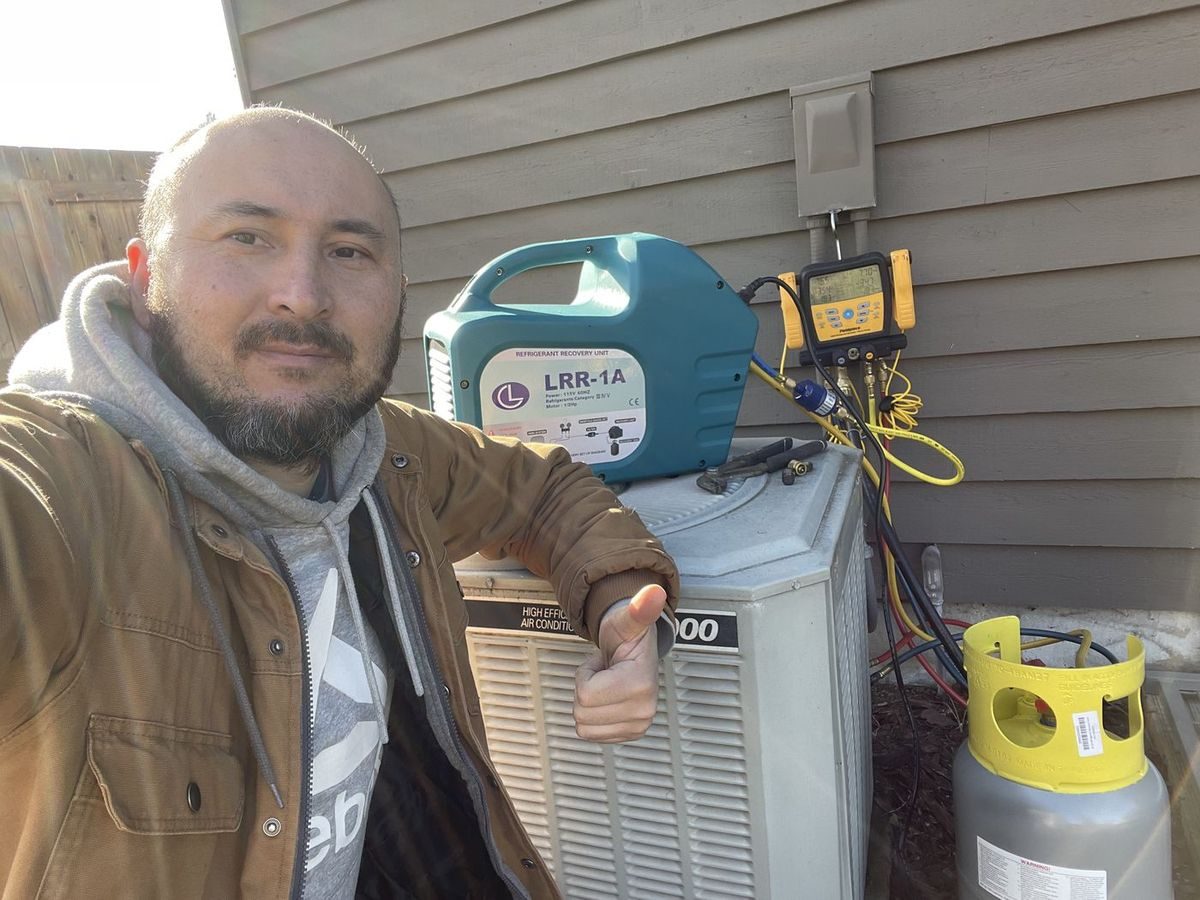
Tab 3 of 12
More Kitsap homes have cooling since the 2021 heat dome. When a system falls behind on a hot afternoon, we start with airflow, the capacitor and the refrigerant charge.
See the service page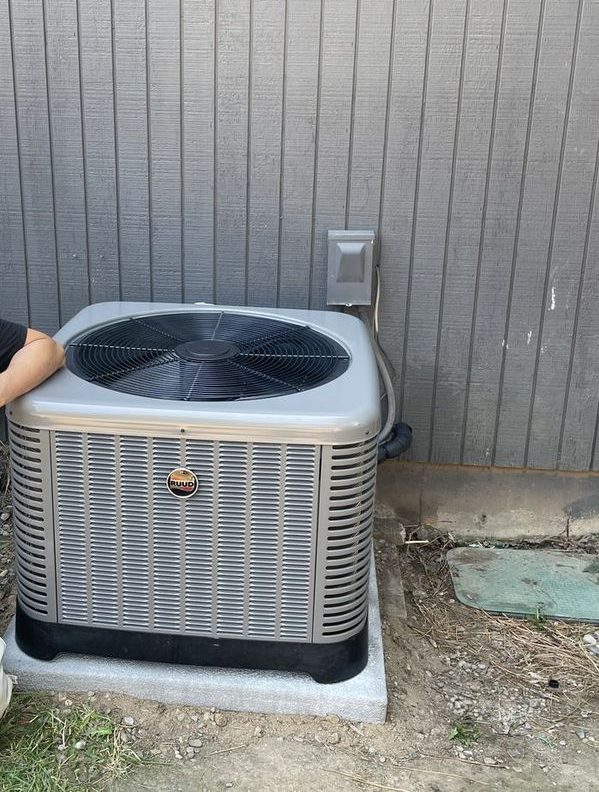
Tab 4 of 12
Placement matters on the peninsula: a raised pad clear of wet ground, back from salt spray where the lot allows, and out from under the needle drop.
See the service page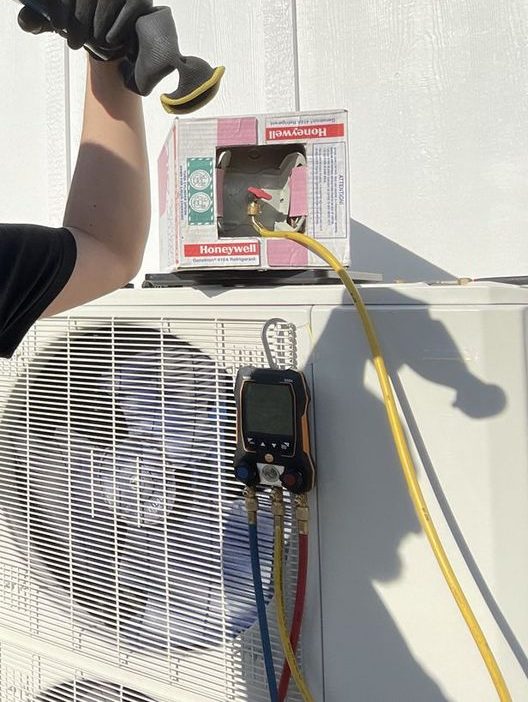
Tab 5 of 12
Mini-splits fit older homes with no room for ducts. Their line sets need sound insulation where they cross a damp crawlspace, and the outdoor unit needs a clear drain path.
See the service page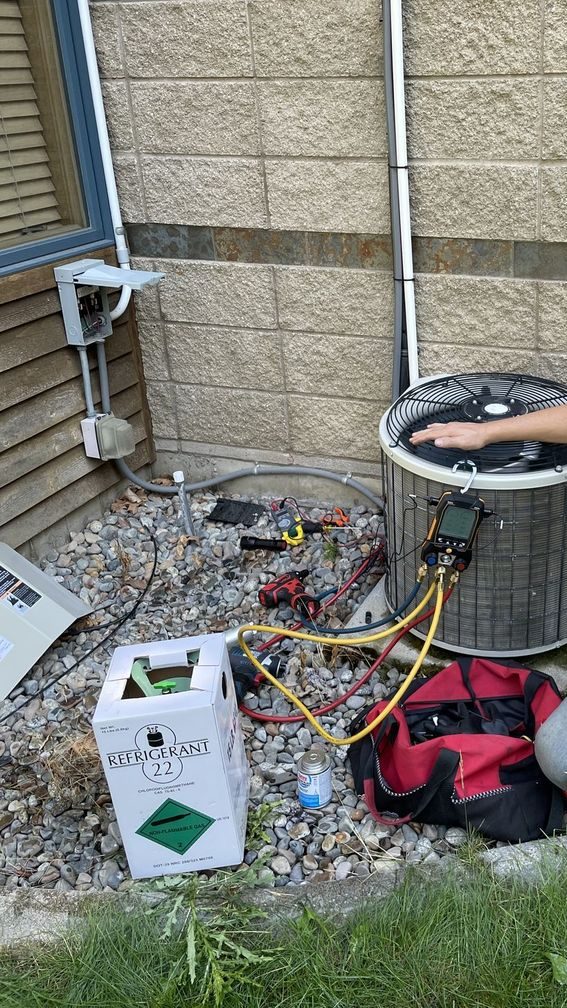
Tab 6 of 12
A seasonal visit near the water means a coil rinse, a look at the fasteners for salt rust and a base pan that drains. Those three buy waterfront equipment years.
See the service page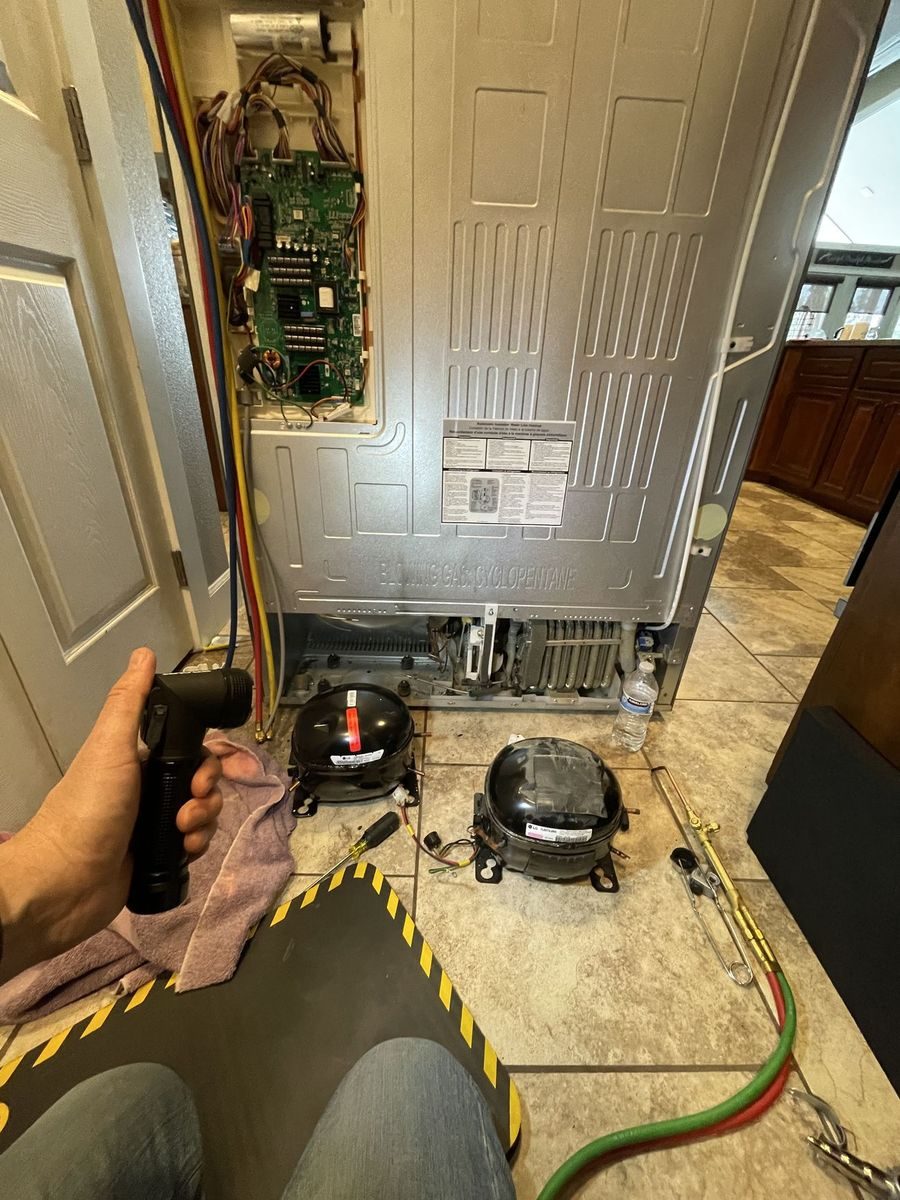
Tab 7 of 12
Sealed-system work, from leak search to recharge, happens right in the kitchen under EPA 608 Universal credentials, so the fridge stays where it stands.
See the service page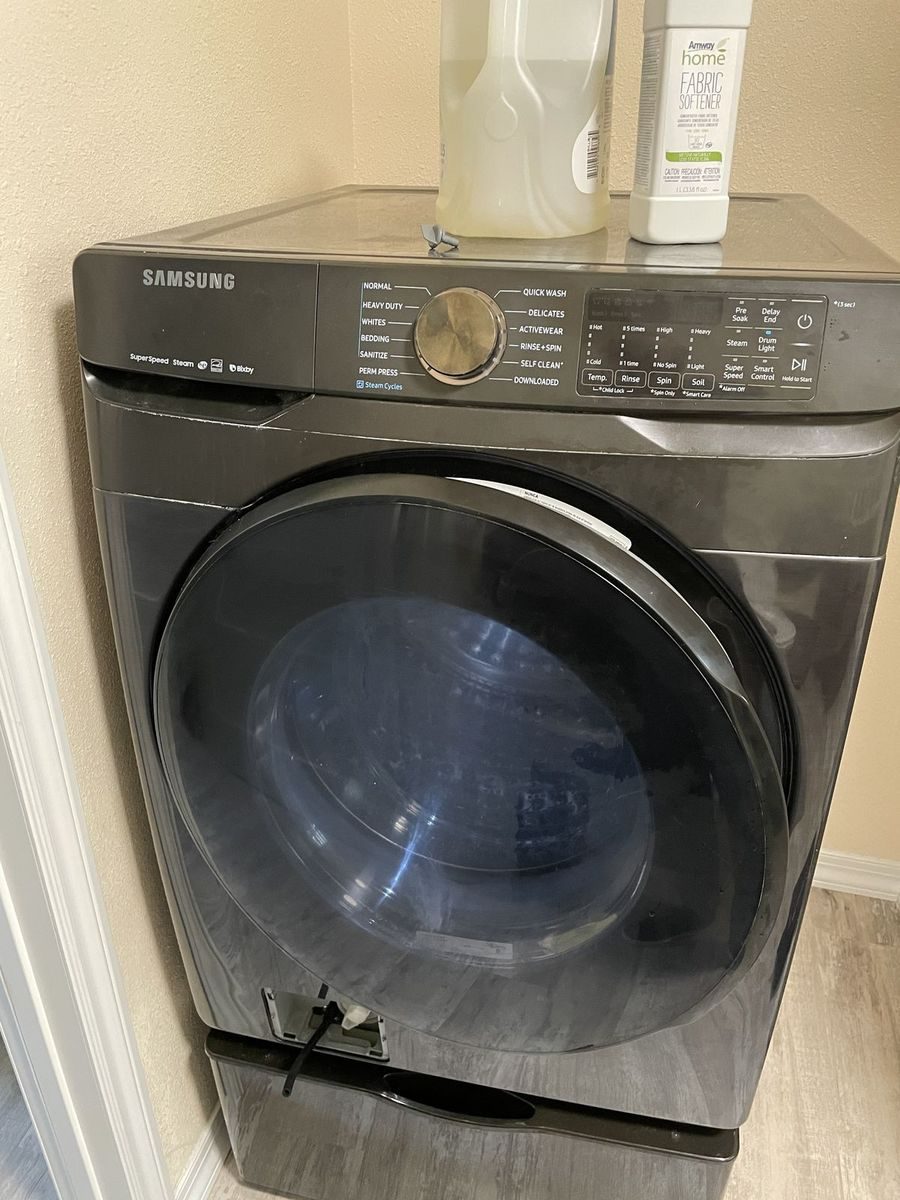
Tab 8 of 12
Damp Kitsap laundry rooms are hard on door boots, so mildew, torn folds and a clogged pump filter are the first things we look at on a front-loader.
See the service page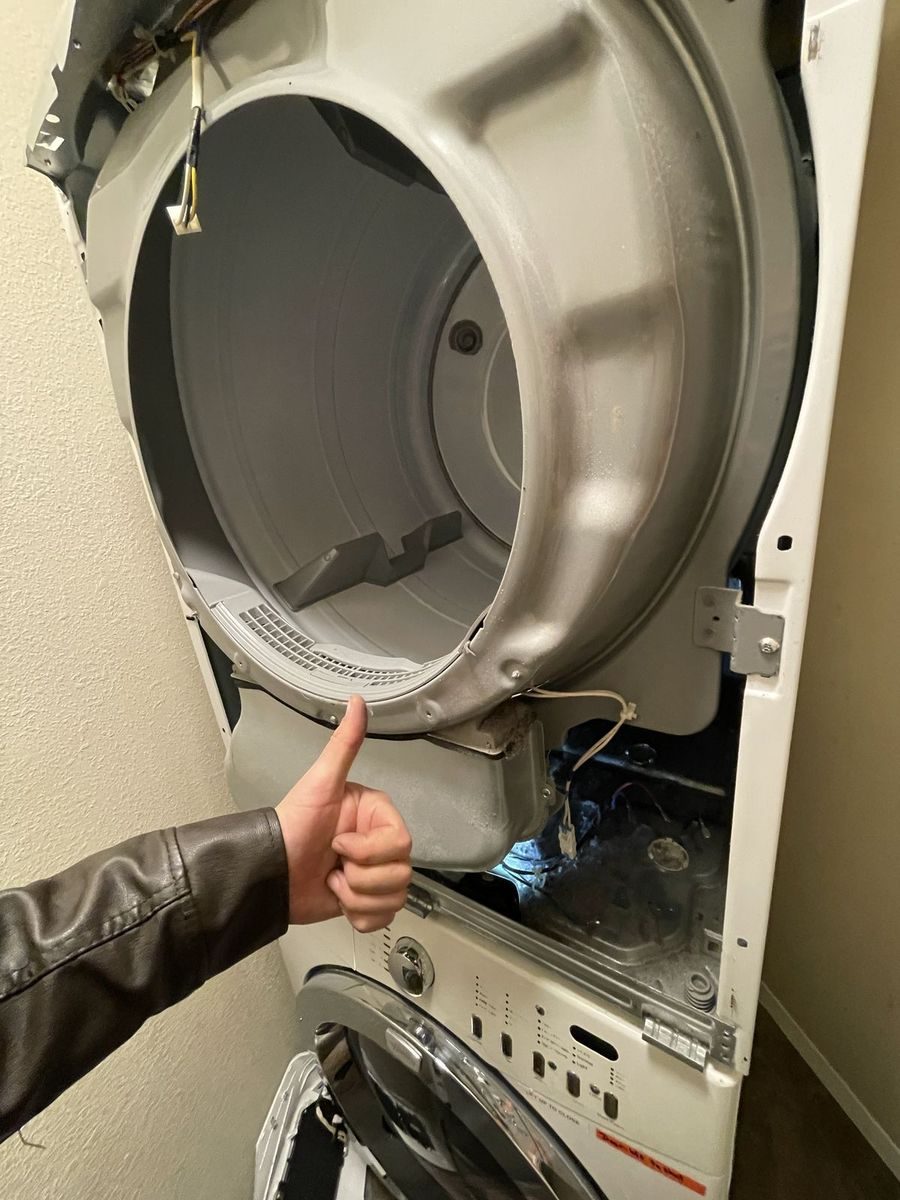
Tab 9 of 12
Long vent runs through damp walls fill with lint quickly, so the vent gets tested along with the heating side: element or burner, thermal fuse and thermostats.
See the service page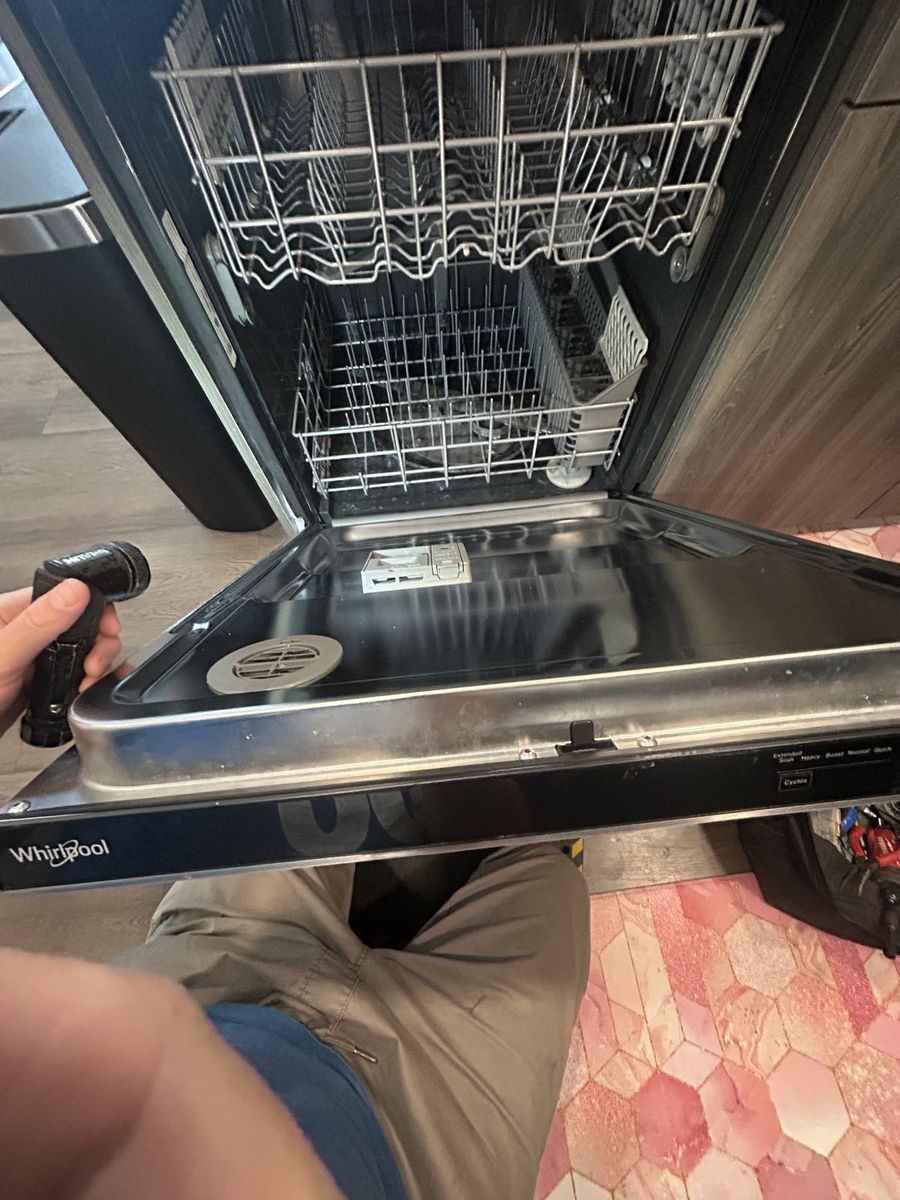
Tab 10 of 12
Well water leaves minerals on the spray arms and the inlet screen, two early stops when dishes come out dull or the tub fills slowly.
See the service page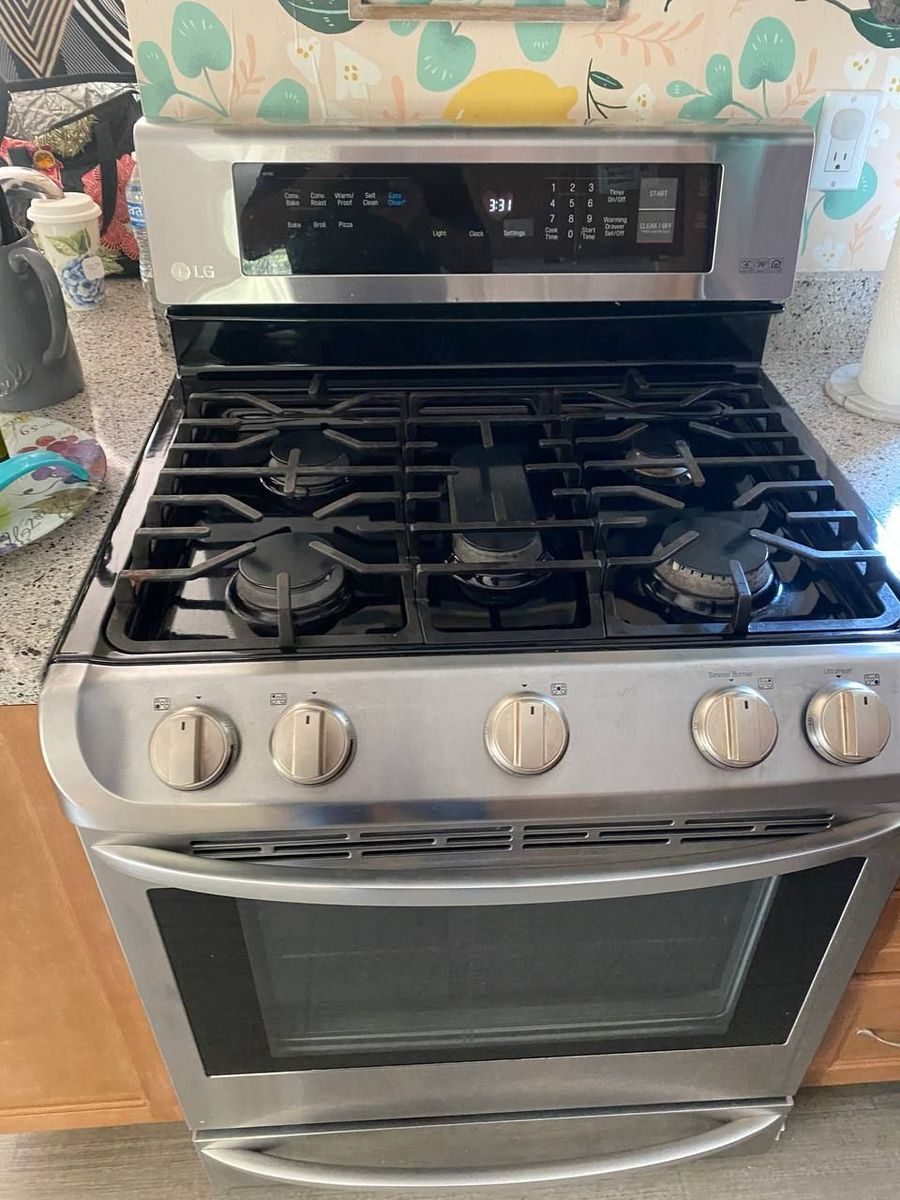
Tab 11 of 12
Natural gas and propane ranges both get igniter, valve and flame checks. The tank and its lines stay with your propane supplier.
See the service page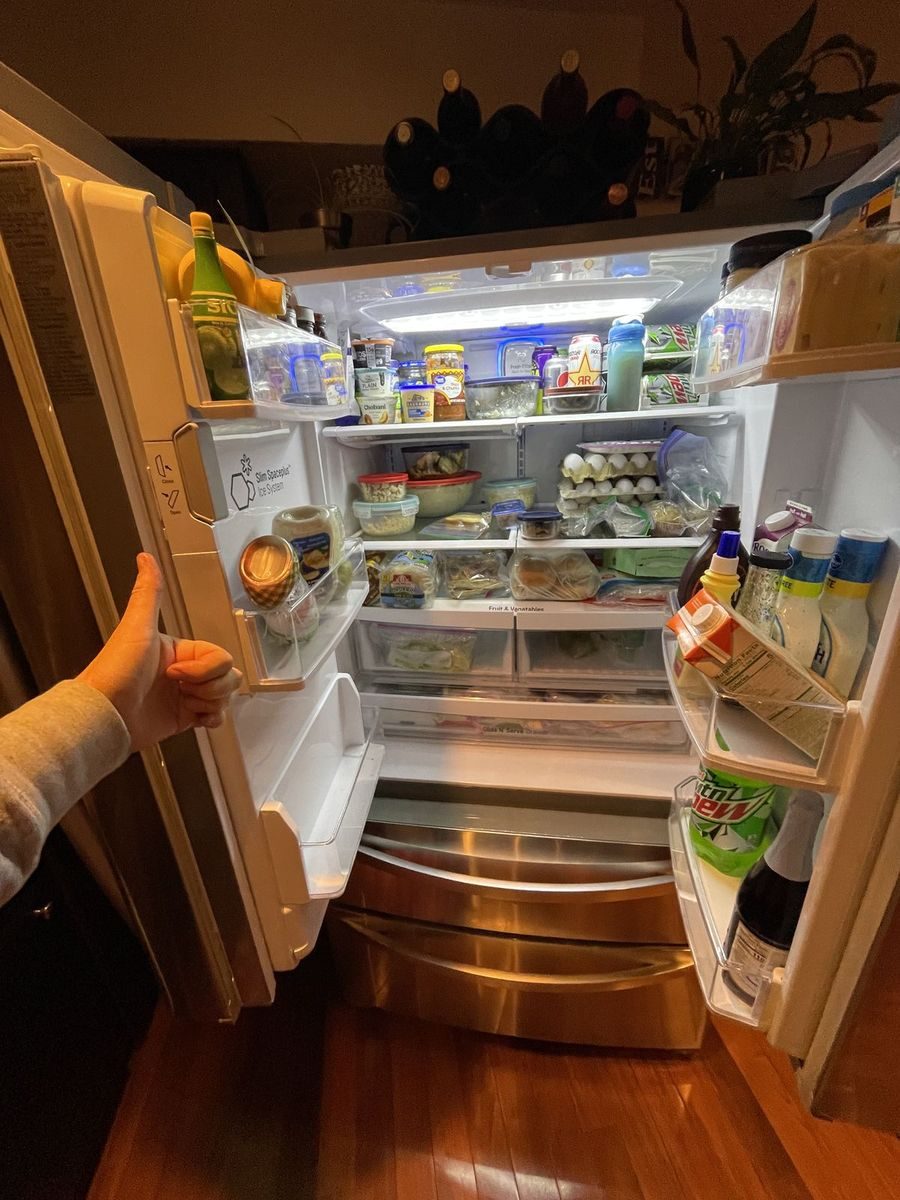
Tab 12 of 12
After a windstorm outage the fill tube often freezes solid and the ice maker goes quiet, so we follow the water up from the inlet valve.
See the service pageMany Manette houses date from the early or middle 20th century and keep their furnace in a basement or crawlspace, sometimes an electric unit that replaced something older. Steep stairs and small hatches are common, so mention access when booking. We check sequencers, limits and blower parts, and look for duct connections at the furnace that have pulled loose.
Charleston sits along Sinclair Inlet, and its older homes include gas furnaces alongside electric ones. Where gas is present, we test the inducer, pressure switch and flame sensor, and look over the venting at the furnace. Should a gas odor ever reach you, get outdoors, and only then dial 911 or the gas supplier.
Apartments and smaller houses here often rely on compact electric furnaces or strip-heat air handlers squeezed into a closet or utility room. Cabinets that tight run warm, which wears blower capacitors and elements. We measure temperature rise, confirm the filter slot actually holds a filter, and keep return paths open so the limit stops tripping.
Get out of the house at once. Skip light switches, leave any car in an attached garage alone, and from the yard or street, call 911 or the gas supplier. Stay out until responders give the all-clear. When the gas side is declared safe, our technicians can test and repair the furnace itself. We do not install or repair gas piping.
Not for long. The high limit is a safety switch, and when it opens again and again the furnace is overheating, usually from poor airflow. Replace a dirty filter and make sure supply registers and the return grille are open. If cycling continues, turn the system off and schedule us, because repeated overheating wears elements, sequencers and the limit itself.
Yes. Heat pump and air handler installs fall under our 06A specialty and our general contractor license, LARCHHA745PW, and we join the ductwork to the new equipment. Your written quote states equipment plus installation as a single figure. Should the house need electrical changes past the equipment, an electrician handles them, and we raise that before you commit.
The office names the amount when you book online or call. Approving the repair our technician recommends tucks that fee within the repair total, not on top. Declining means the fee alone pays for the visit, with no further balance. Each repair price is written before work starts, and any part needing an order is priced in advance.
Talk to a person
Lock in a day plus arrival window in the scheduler or call the office, and a confirming phone call follows. Your technician rings when setting out toward your door.
Schedule online
Tell us what needs attention, the day that works and the window you prefer. A scheduler calls to make it firm, and the technician rings again before pulling up.
Washington Labor & Industries keeps these records public. Each number can be searched on L&I Verify; scope details sit on a separate page.
Scope of each license