Tab 1 of 12
Air conditioner repair
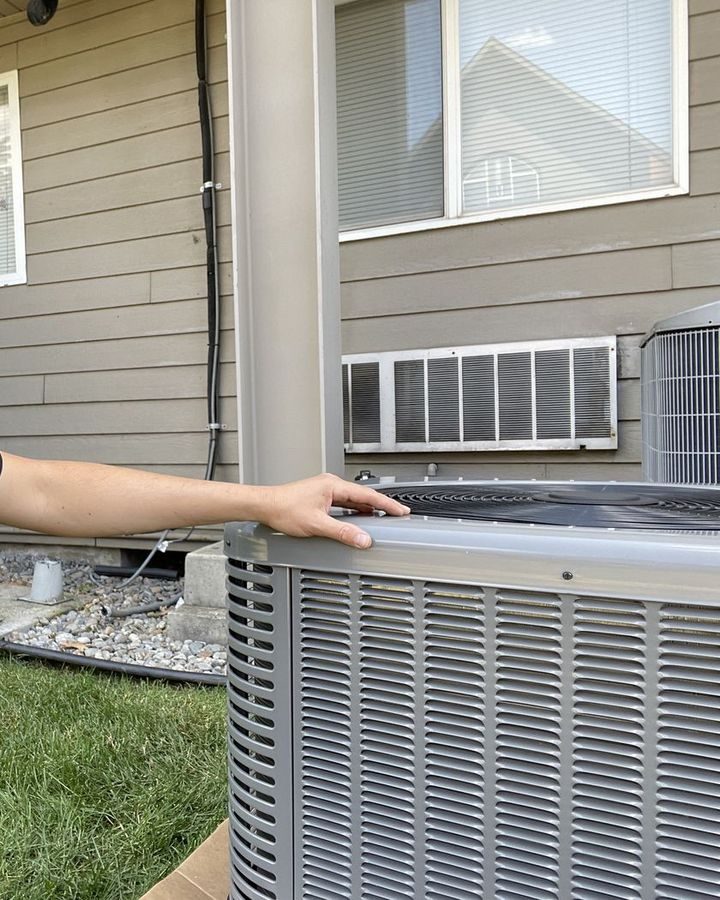
More Kitsap homes have cooling since the 2021 heat dome. When a system falls behind on a hot afternoon, we start with airflow, the capacitor and the refrigerant charge.
See the service page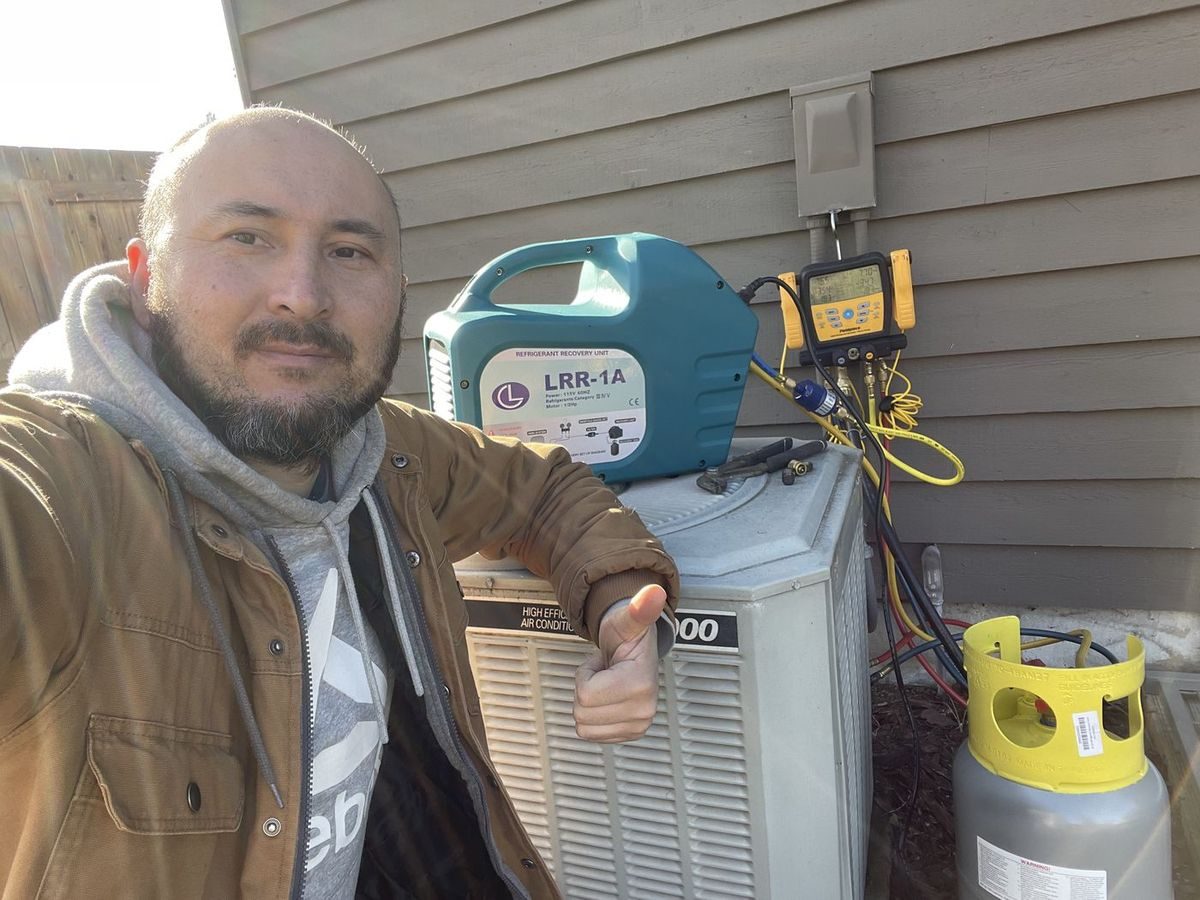
Gig Harbor · Central AC, zoned systems and cooling heat pumps
Cooling in Gig Harbor naps for most of the year, then gets asked to do everything during one hot week. Bigger upland houses split into zones, bonus rooms above garages bake, and condensers near the water fight salt. Our technicians locate the actual fault, share the readings, and write the repair figure down.
Straight to it
Gig Harbor AC breakdowns usually come down to a swollen run capacitor or pitted contactor that gave out the first scorching afternoon, a refrigerant leak at a coil eaten by salt air, a zone damper or zone board starving the upstairs, an iced evaporator behind a clogged filter, or a plugged condensate drain tripping its float switch. We test, write the price, and fix after you approve.
We check both halves of the system. At the condenser, the technician compares the run capacitor's microfarads with its printed rating, looks for pitting on the contactor, and inspects coil, fan blade and motor. Inside, filter, blower and evaporator come next, and the temperature split across the coil shows how much heat is really moving. When charge is in doubt, superheat and subcooling readings replace guesswork, with close attention to the TXV. In zoned houses, every damper and thermostat gets called one at a time so the faulty zone gives itself away.
The office names our diagnostic charge when you schedule. Proceed with the repair, and the charge gets credited within its total; stop at the diagnosis, and the charge is all you pay. Nothing is touched before you have read and approved a written price, the invoice carries warranty terms, and capacitors, contactors and condenser fan motors come stocked on the truck. Our technicians hold EPA Section 608 Universal refrigerant credentials, and Larch is licensed in Washington for 06A HVAC/Refrigeration work and as a general contractor.
Gig Harbor's view of air conditioning shifted after the heat dome peaked on June 28, 2021. Highs of 105 to 110°F swept the Kitsap Peninsula, which Gig Harbor shares, and plenty of homes built without central air added a heat pump or mini-split afterward. The catch is timing: a cooling system here can sit unused through a long wet season, then face a string of warm afternoons. Capacitors weaken, contactors pit, wasps move into the cabinet, and small leaks hide until the first hot week. Run a short cooling test in late spring.
Houses wrapped around the harbor face salt on the breeze. Spray and mist settle on condenser coils, cabinet screws and electrical terminals, and corrosion opens leaks and loosens connections faster than it does inland. A gentle freshwater rinse of the coil a few times a year, after setting the thermostat to off, slows the buildup. Up in the newer neighborhoods, zoning causes more calls than salt. Book online with a date and arrival window of your choosing, or call; a quick phone call from the office confirms.
Each tab holds a photo from our service calls and a note on what we check first. Pick any tab; left alone, they turn every few seconds.
Tab 1 of 12
More Kitsap homes have cooling since the 2021 heat dome. When a system falls behind on a hot afternoon, we start with airflow, the capacitor and the refrigerant charge.
See the service page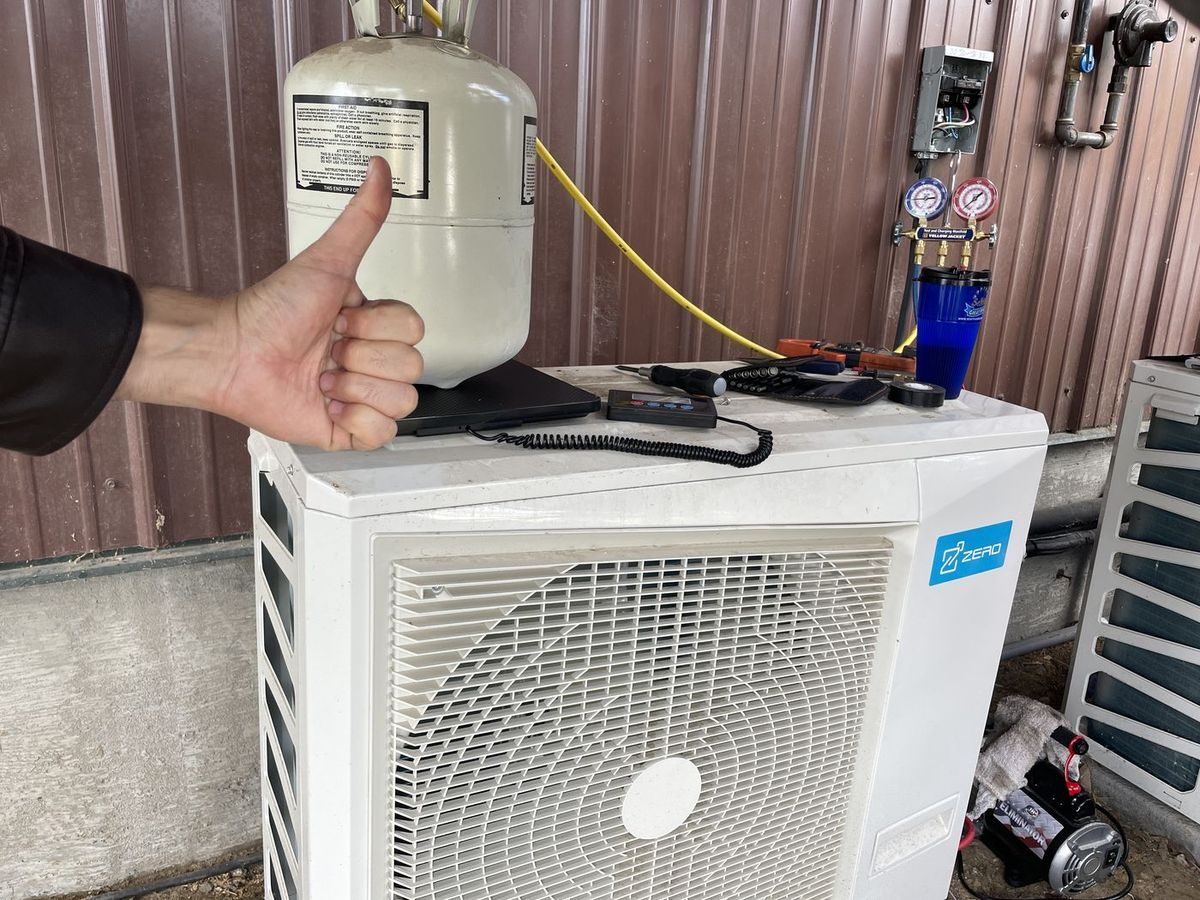
Tab 2 of 12
Through the gray months we watch the defrost cycle closely, because a coil that never clears is the classic Kitsap winter call. Capacitors and the reversing valve come next.
See the service page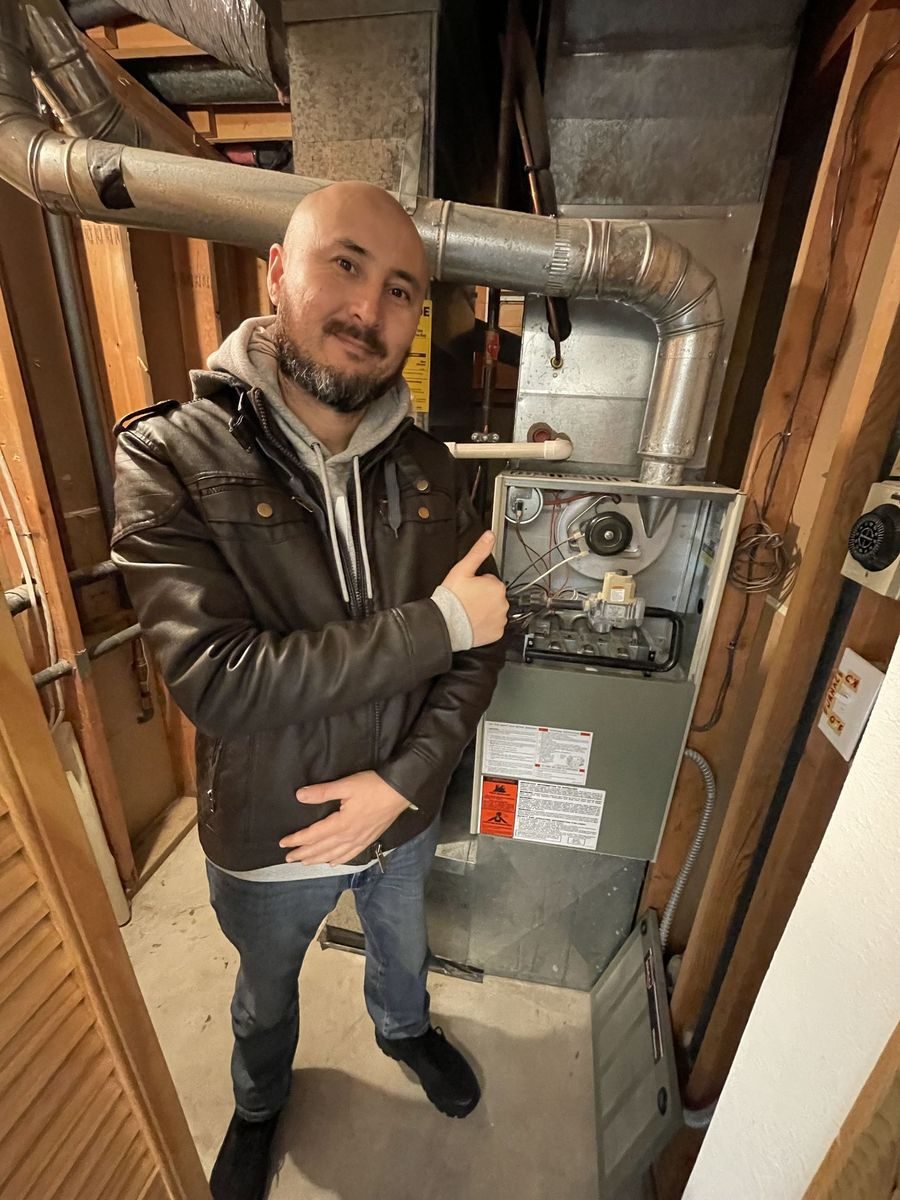
Tab 3 of 12
Many older Bremerton and Manette houses keep the furnace in a closet or under the floor. Filter, inducer, flame sensor and limit switch all get checked in that tight space.
See the service page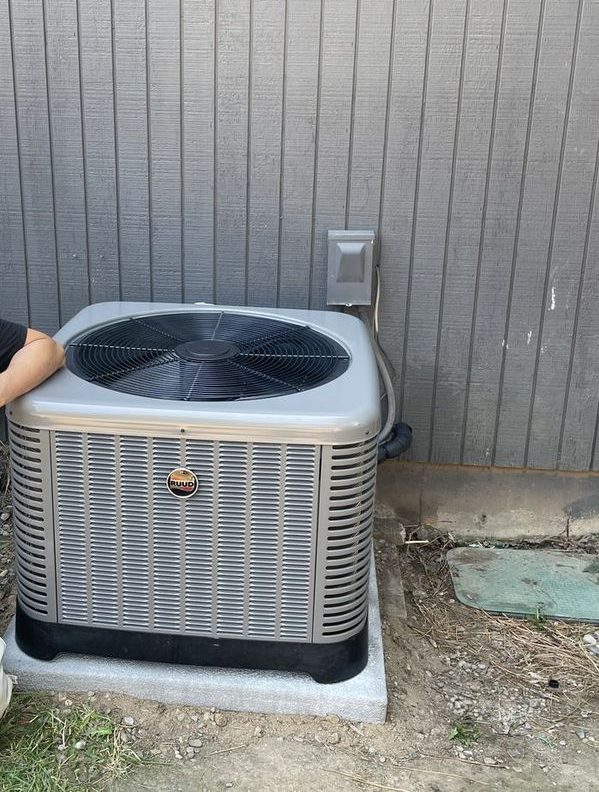
Tab 4 of 12
Placement matters on the peninsula: a raised pad clear of wet ground, back from salt spray where the lot allows, and out from under the needle drop.
See the service page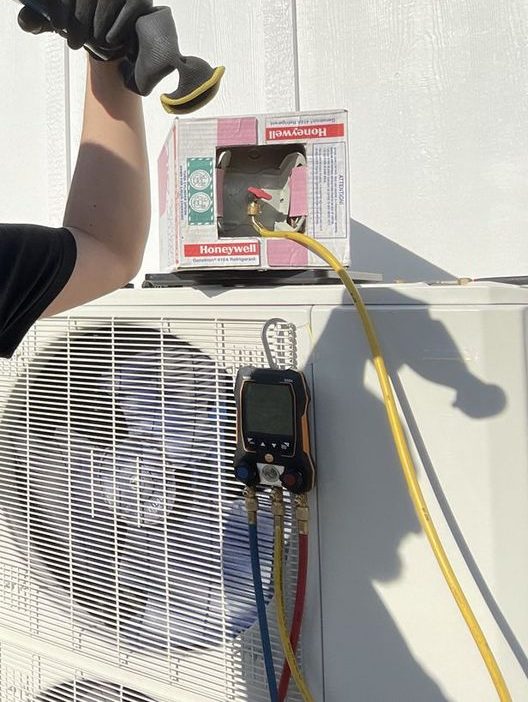
Tab 5 of 12
Mini-splits fit older homes with no room for ducts. Their line sets need sound insulation where they cross a damp crawlspace, and the outdoor unit needs a clear drain path.
See the service page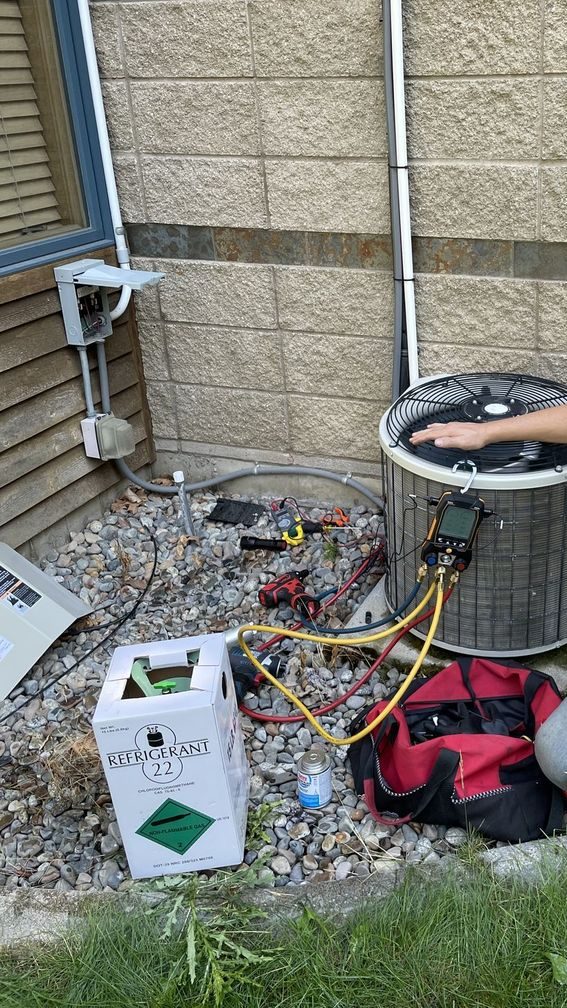
Tab 6 of 12
A seasonal visit near the water means a coil rinse, a look at the fasteners for salt rust and a base pan that drains. Those three buy waterfront equipment years.
See the service page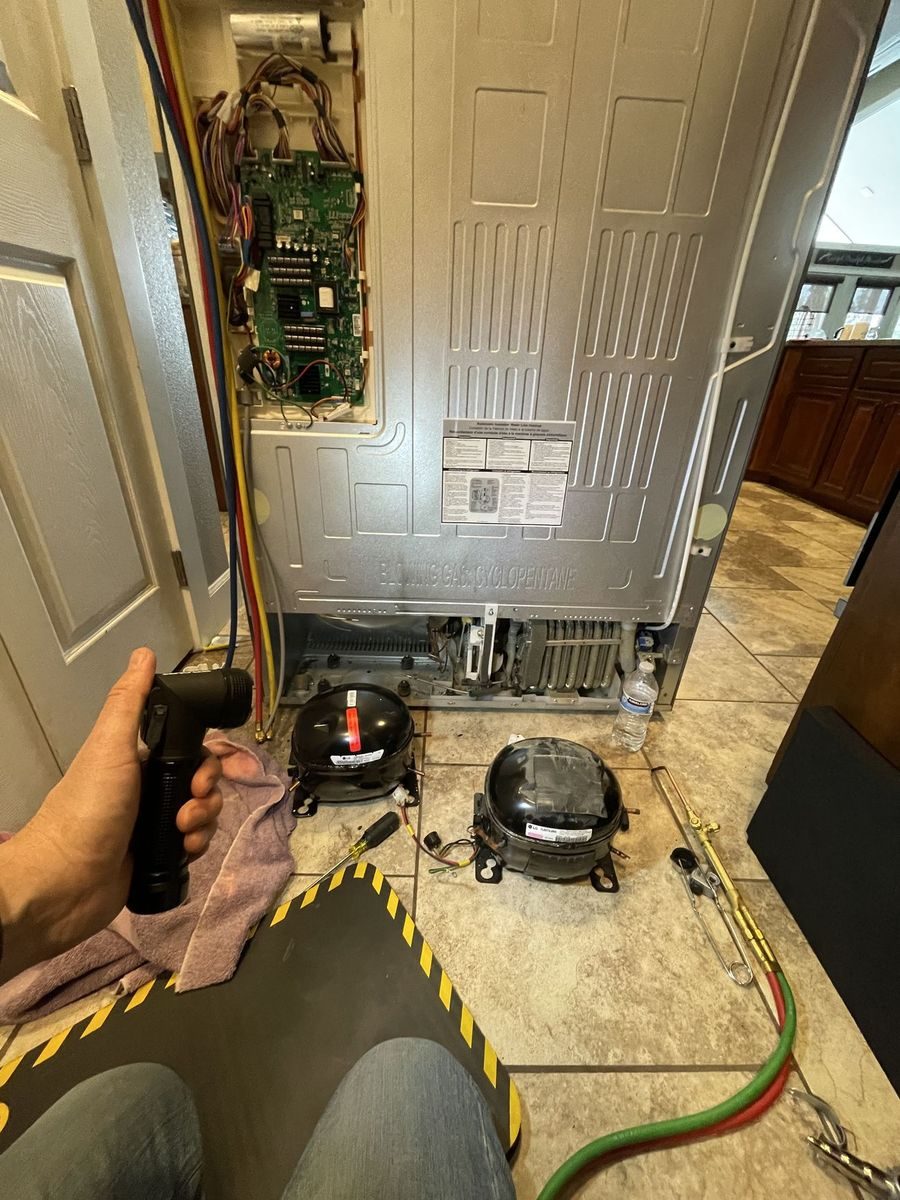
Tab 7 of 12
Sealed-system work, from leak search to recharge, happens right in the kitchen under EPA 608 Universal credentials, so the fridge stays where it stands.
See the service page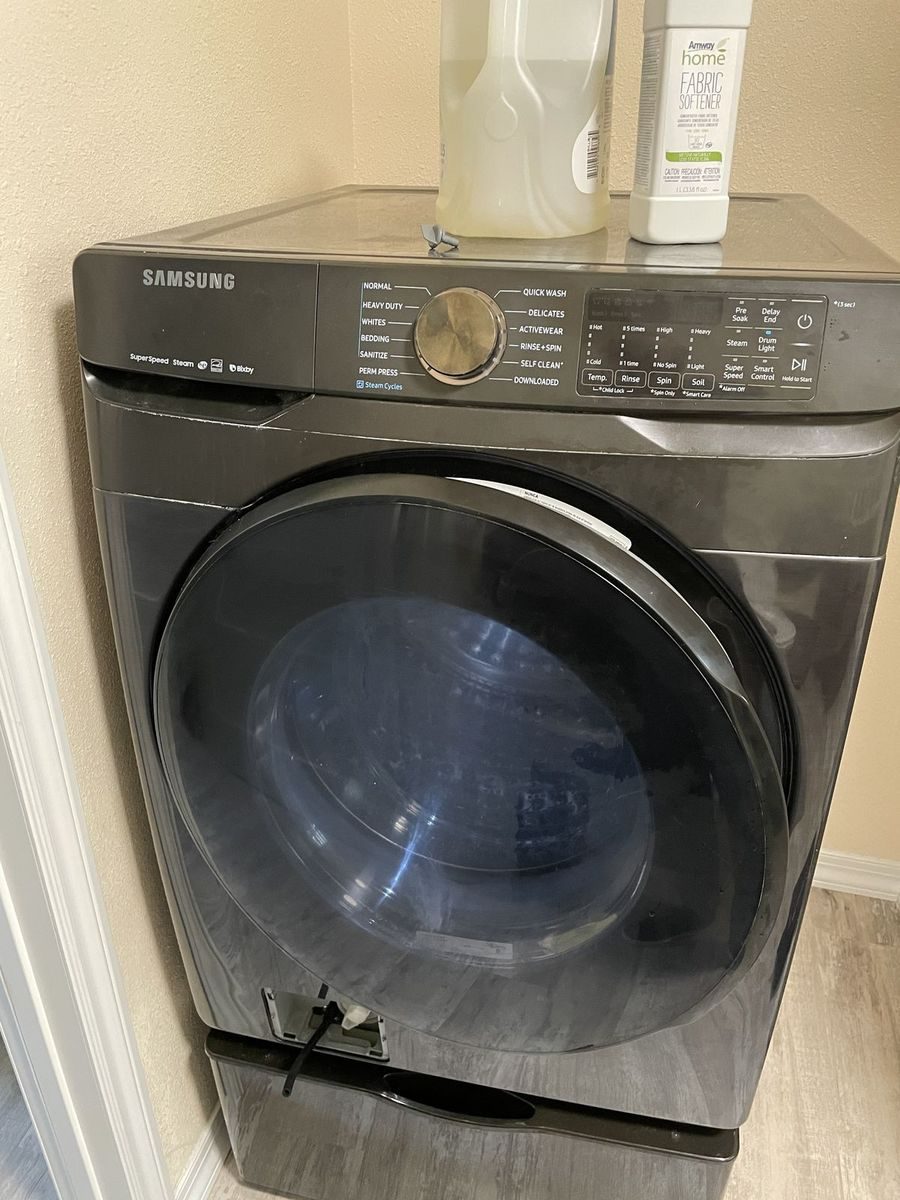
Tab 8 of 12
Damp Kitsap laundry rooms are hard on door boots, so mildew, torn folds and a clogged pump filter are the first things we look at on a front-loader.
See the service page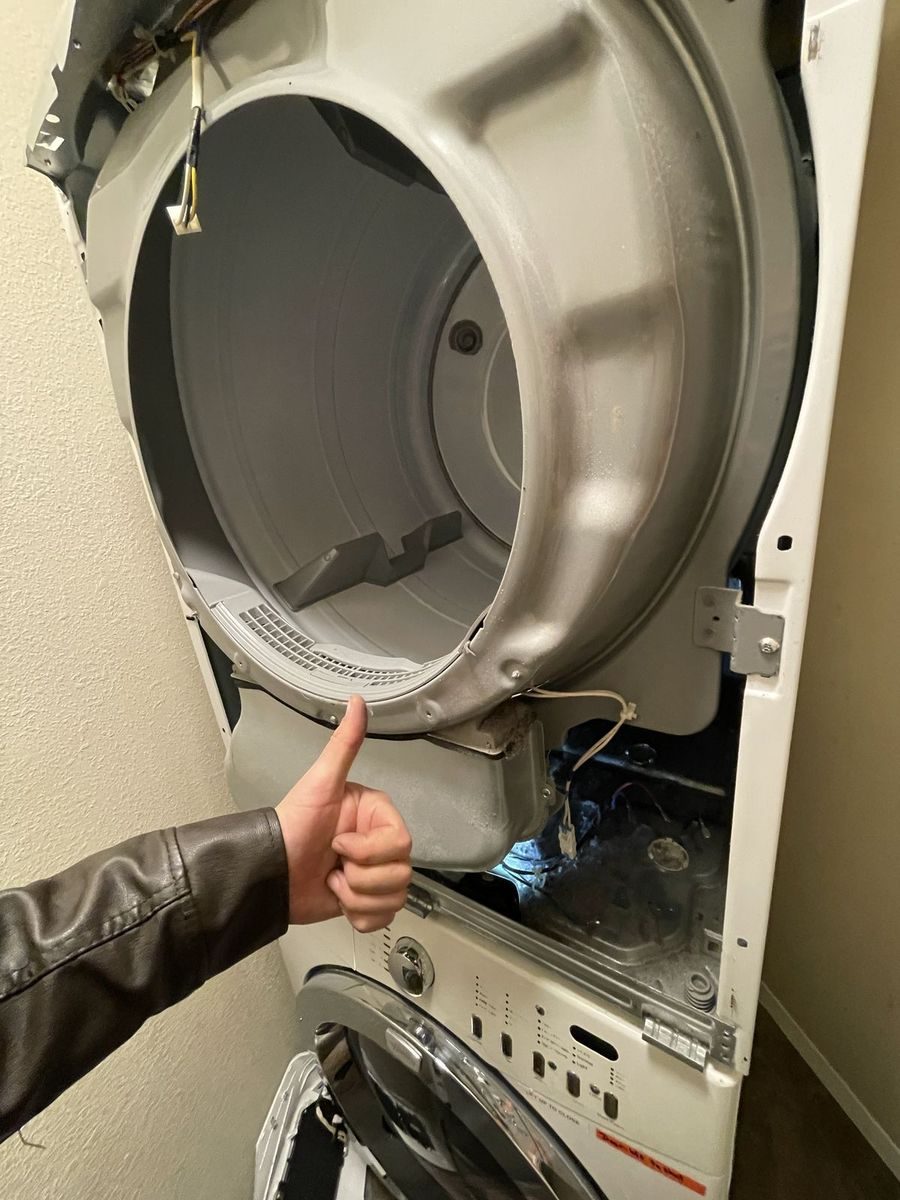
Tab 9 of 12
Long vent runs through damp walls fill with lint quickly, so the vent gets tested along with the heating side: element or burner, thermal fuse and thermostats.
See the service page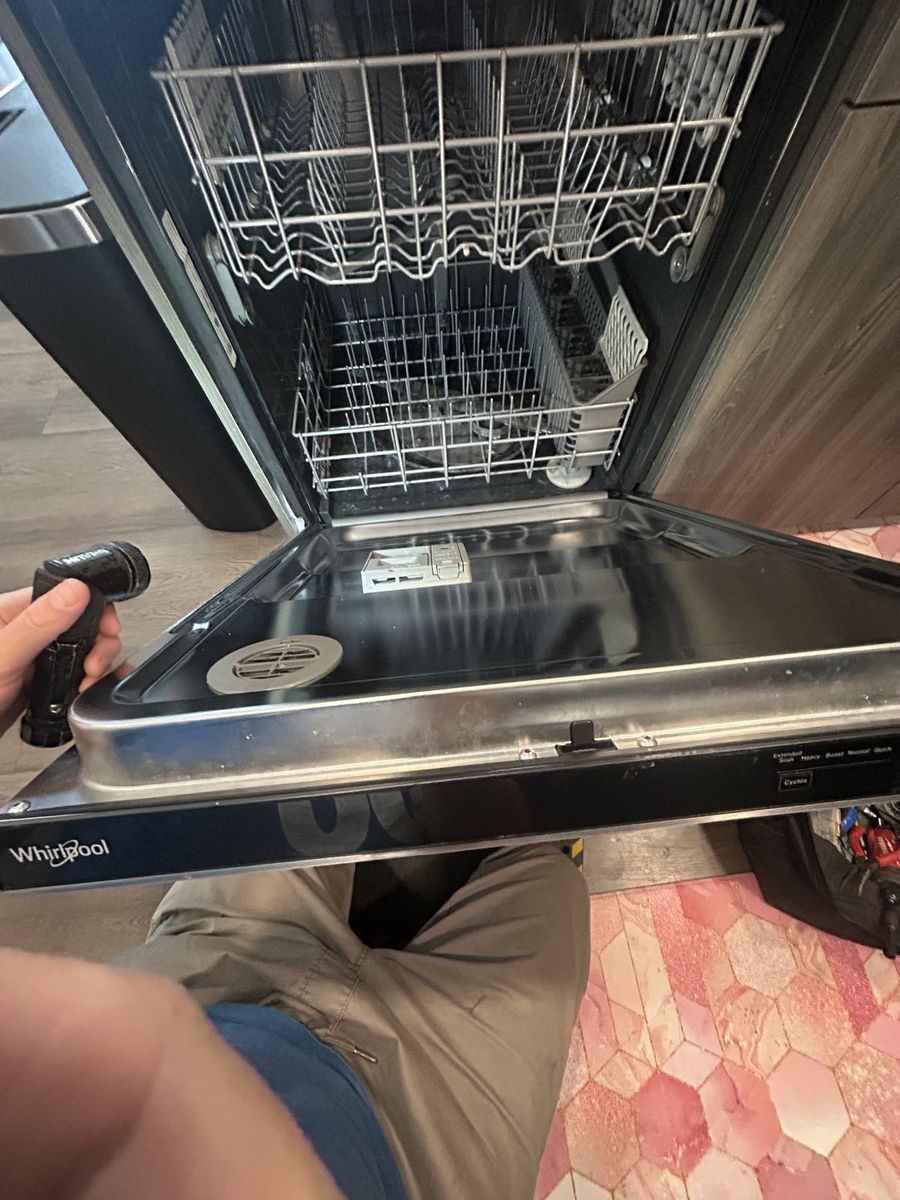
Tab 10 of 12
Well water leaves minerals on the spray arms and the inlet screen, two early stops when dishes come out dull or the tub fills slowly.
See the service page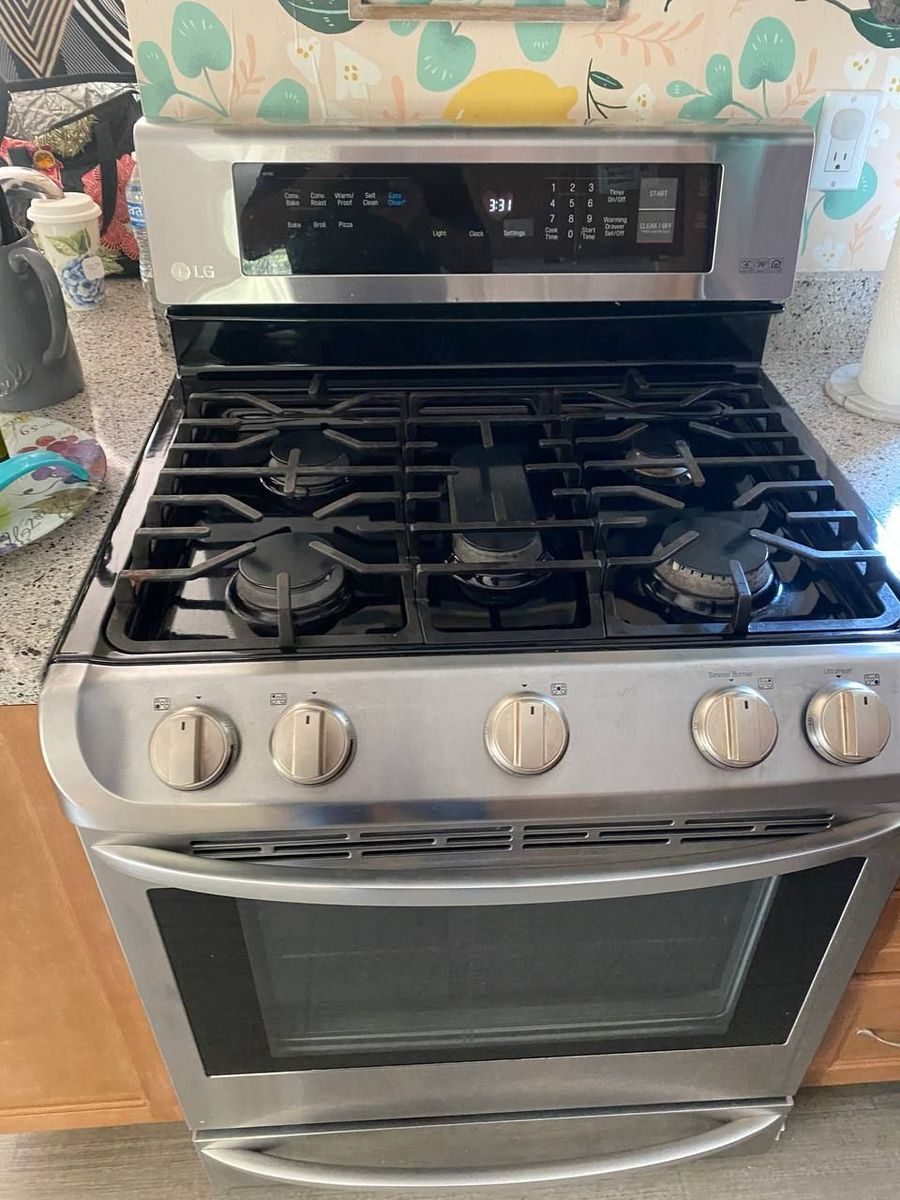
Tab 11 of 12
Natural gas and propane ranges both get igniter, valve and flame checks. The tank and its lines stay with your propane supplier.
See the service page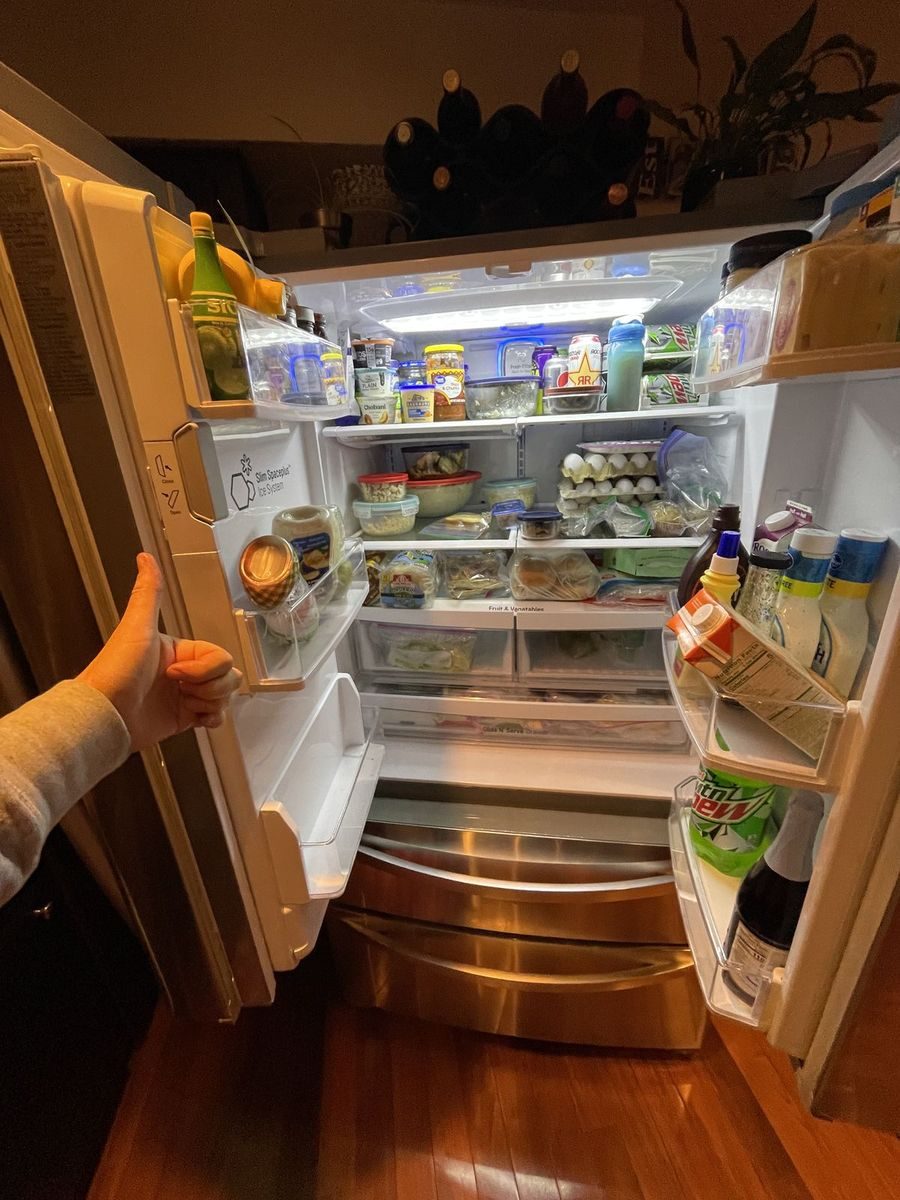
Tab 12 of 12
After a windstorm outage the fill tube often freezes solid and the ice maker goes quiet, so we follow the water up from the inlet valve.
See the service pageHomes in the Canterwood golf community run large, often with two or more zones or a separate system upstairs. When one area refuses to cool, the culprit may be a single damper motor, a zone thermostat with dying batteries, or a charge problem on one of two systems. We test each zone on its own so the repair lands on the right part.
Newer upland subdivisions often stack a bonus room above the garage, which is nearly always the last space to cool. Long duct runs, a weak return and afternoon sun on the roof all work against it. We measure airflow and static pressure to that room first, then suggest damper or blower changes where the numbers support them.
Homes around the harbor sit close to salt water, and their outdoor units wear it: white crust on fins, rusted screws, green copper at the service valves. Many of these houses went up without central air; cooling today often comes from a newer heat pump or ductless unit. Every visit here includes a corrosion check of coils and terminals.
Late May or early June works well. Set the thermostat to cool, three or four degrees under the room's temperature, and let it run fifteen minutes. Air at the registers should feel clearly cooler, the outdoor fan should spin, and there should be no humming, clicking or burnt smell. If something seems wrong, book then rather than during the first heat wave, when calls across the peninsula pile up.
Zoned systems rely on motorized dampers and a zone control board to send air wherever each thermostat calls for it. When one zone stays warm, suspects include a stalled damper motor, a broken wire from that zone's thermostat, weak thermostat batteries, or a failed board output. Check that thermostat's batteries and mode first. Our technicians can then command each damper and trace the fault.
It does. Near the harbor, salt deposits on aluminum fins and copper joints hold moisture and speed corrosion, leading to pinhole leaks and poorer heat transfer. Screws, contactor terminals and capacitor leads rust as well. A gentle rinse with fresh water a few times a year, system off, helps. On every repair visit we also look at terminals, the contactor and the cabinet.
No, the leak comes first. Refrigerant does not wear out, so a short charge points to a leak, and topping it off without a repair only postpones the same breakdown. Our technicians, who carry the EPA 608 Universal refrigerant credential, locate the leak, recover the remaining charge, repair, evacuate and recharge by superheat and subcooling. Each step is priced in writing before we begin.
Talk to a person
Choose a day and arrival window from our booking page, or phone; someone picks up any day of the week from 8 AM, with the last calls at 7 PM. Expect a short confirming call, then a heads-up from your technician en route.
Schedule online
Tell us what needs attention, the day that works and the window you prefer. A scheduler calls to make it firm, and the technician rings again before pulling up.
Washington Labor & Industries keeps these records public. Each number can be searched on L&I Verify; scope details sit on a separate page.
Scope of each license