Tab 1 of 12
Furnace repair
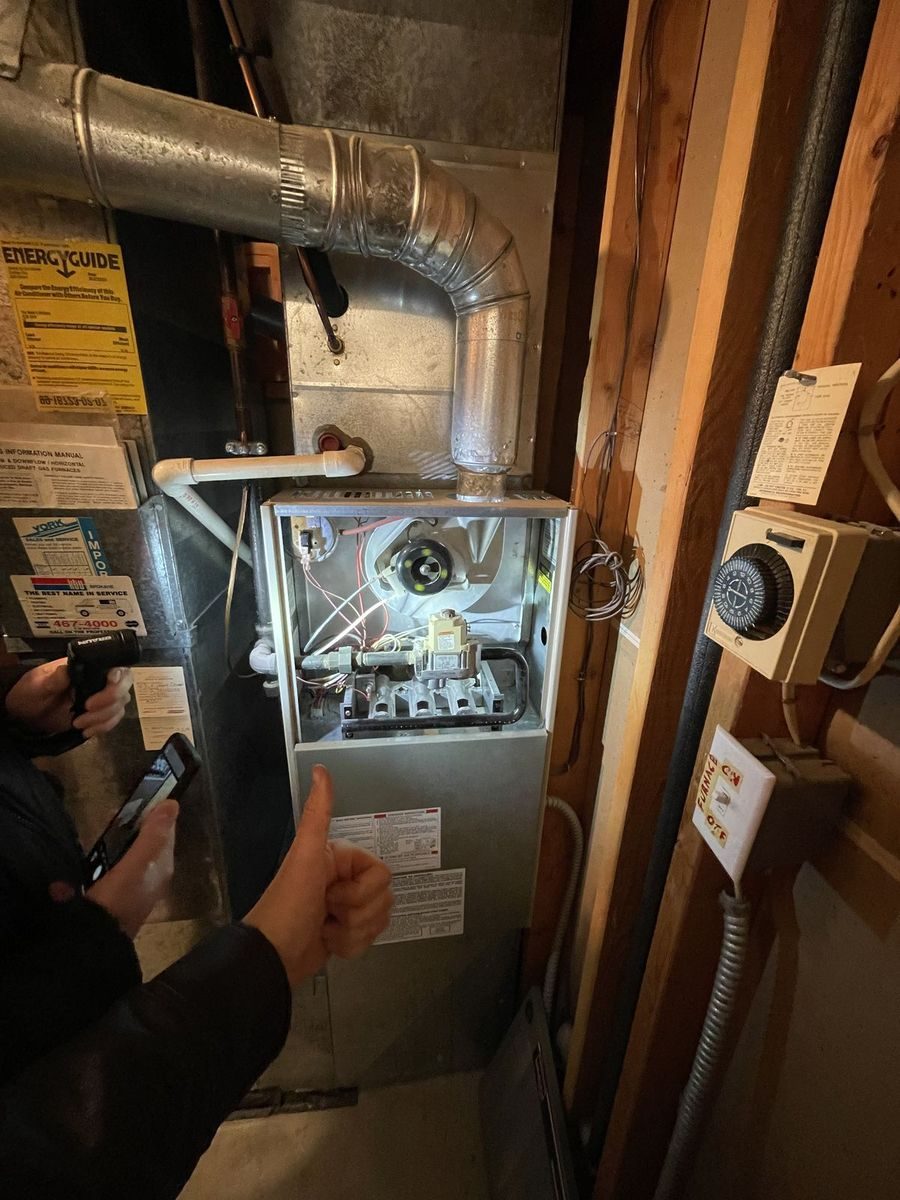
Many older Bremerton and Manette houses keep the furnace in a closet or under the floor. Filter, inducer, flame sensor and limit switch all get checked in that tight space.
See the service page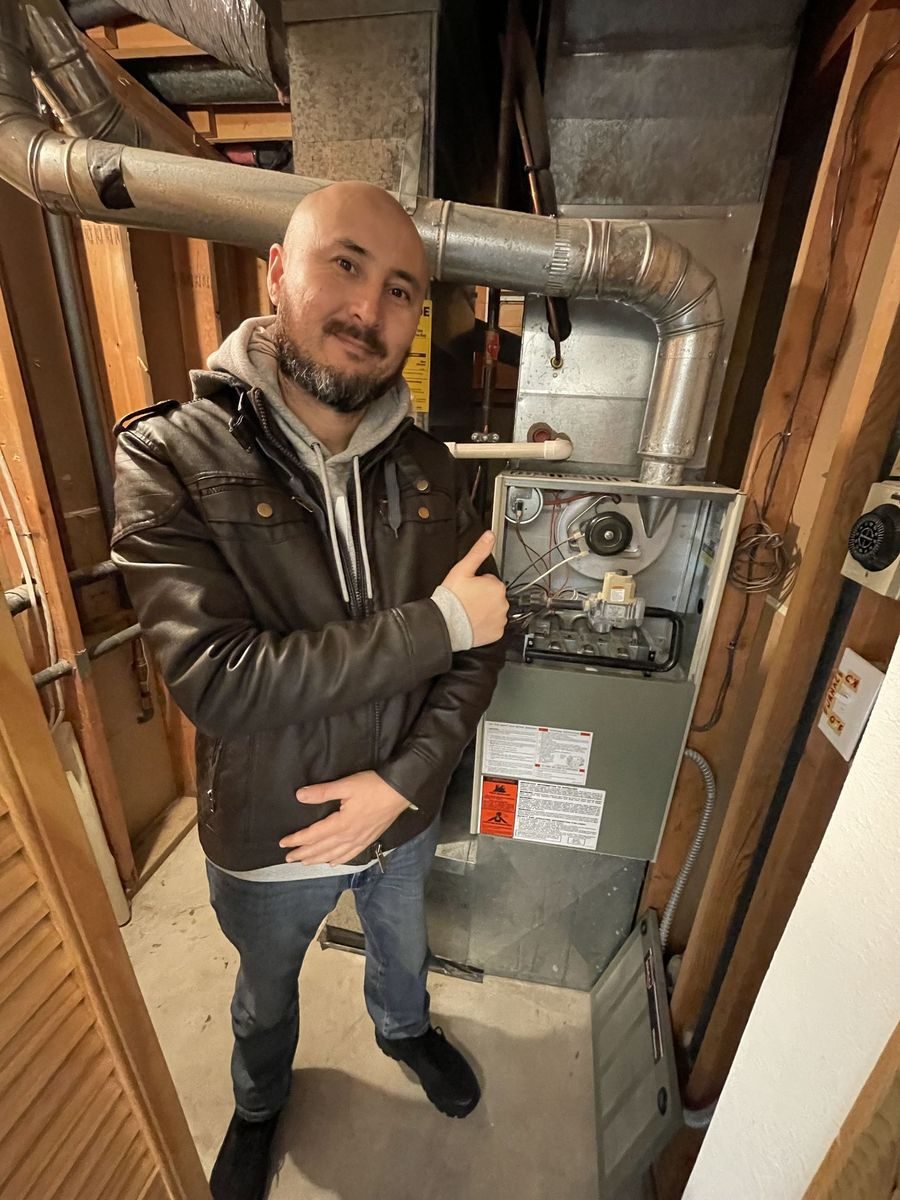
Gig Harbor · Gas, propane, electric and dual-fuel furnaces
Gig Harbor furnaces come in every variety: natural gas nearer town, propane on rural lots around Purdy, Rosedale and Artondale, electric units in older houses, and heat pumps paired with a furnace for cold snaps. We repair the furnace itself, show you the failed part, and set the price down before work.
Straight to it
Around Gig Harbor, furnace calls usually trace to a fouled flame sensor or cracked igniter, an inducer or pressure switch fault, a board hit by an outage surge, burned elements or sequencers in electric units, or a dual-fuel control that never hands off from the heat pump. Crawlspace and garage installs add rust and rodent damage. We test, write the price, and repair once you approve.
The first question is which fuel and setup you have, because the checks differ. On gas and propane furnaces we follow the startup in order: the inducer spins up, the pressure switch proves draft, the igniter glows, the valve opens and flame is proven, each stage with its own reading in ohms, inches of water column or microamps. Propane units also get manifold pressure compared with the valve's propane setting. Electric furnaces get element, sequencer and limit tests, and dual-fuel systems get their outdoor sensor and changeover point checked.
Our work stops at the furnace cabinet: propane tanks and the lines feeding the house stay with your supplier. The diagnostic fee is something the office mentions while you book, and it gets folded into the repair if you approve one or remains the sole charge if you don't. A written price, approved by you, comes before any work, the invoice states the warranty, and igniters, flame sensors, blower motors and capacitors travel with the technician. Washington licenses on file: the 06A HVAC/Refrigeration specialty under our electrical contractor license, plus a general contractor license.
Fuel depends on the road you live on. Homes nearer town often have natural gas, while rural lots around Purdy, Rosedale and Artondale may burn propane or lean on electric heat and a heat pump. A propane furnace needs its valve and orifices set for propane, so a swapped or converted unit gets a careful look. Many Gig Harbor furnaces live in crawlspaces or garages: crawlspaces stay damp through the wet season, rusting burners and wiring, and garage units collect dust beside paint cans and solvents that belong elsewhere.
Gas safety is simple and absolute: if you smell natural gas or propane, walk out without flipping switches or touching the thermostat, and from outside call 911 or your gas supplier. Nobody works on the furnace until they clear the home. Windstorms are the other winter hazard; in November 2024 the bomb cyclone darkened much of the region, and restarts after long outages strain control boards. Give the furnace several minutes once power returns, and reset its breaker one time if it tripped. Schedule through the online calendar or the phone line, and expect the office to ring and confirm.
Each tab holds a photo from our service calls and a note on what we check first. Pick any tab; left alone, they turn every few seconds.
Tab 1 of 12
Many older Bremerton and Manette houses keep the furnace in a closet or under the floor. Filter, inducer, flame sensor and limit switch all get checked in that tight space.
See the service page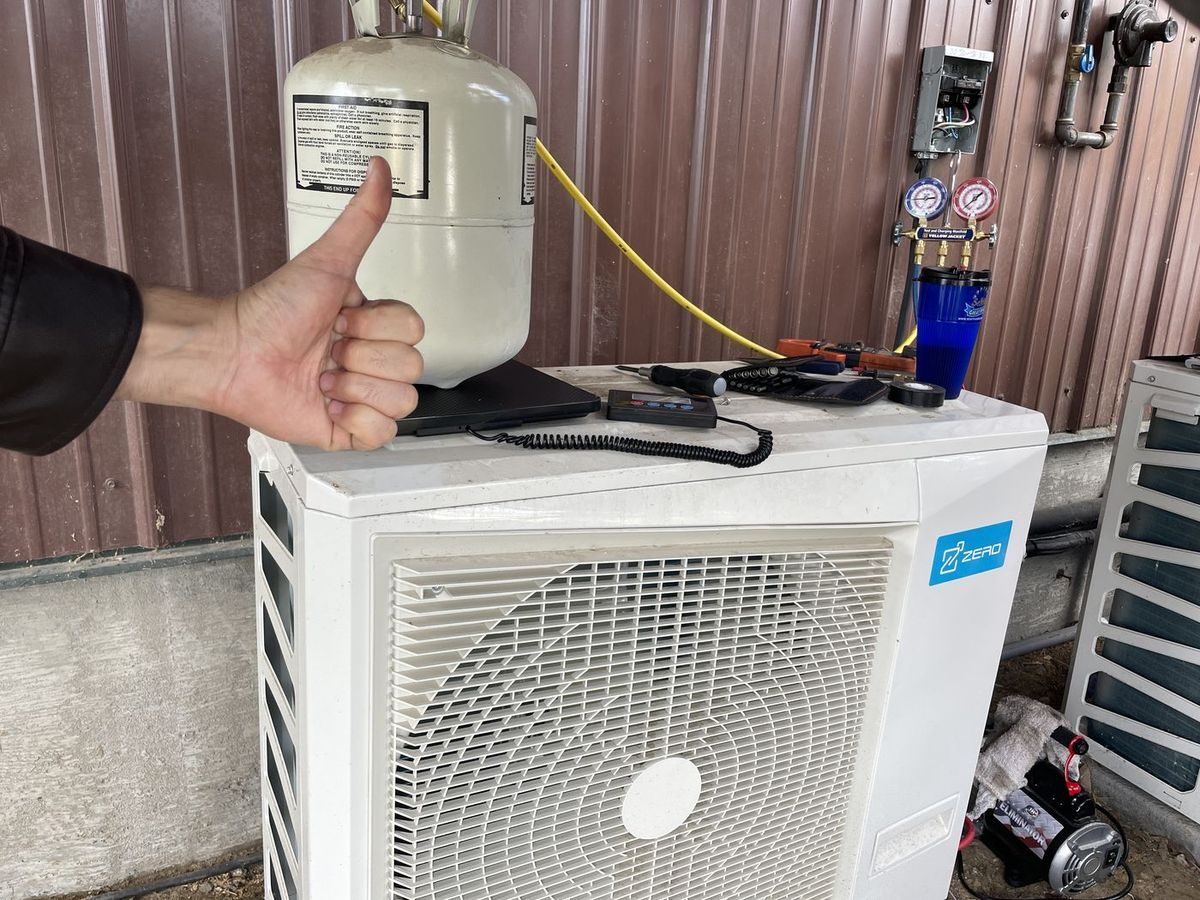
Tab 2 of 12
Through the gray months we watch the defrost cycle closely, because a coil that never clears is the classic Kitsap winter call. Capacitors and the reversing valve come next.
See the service page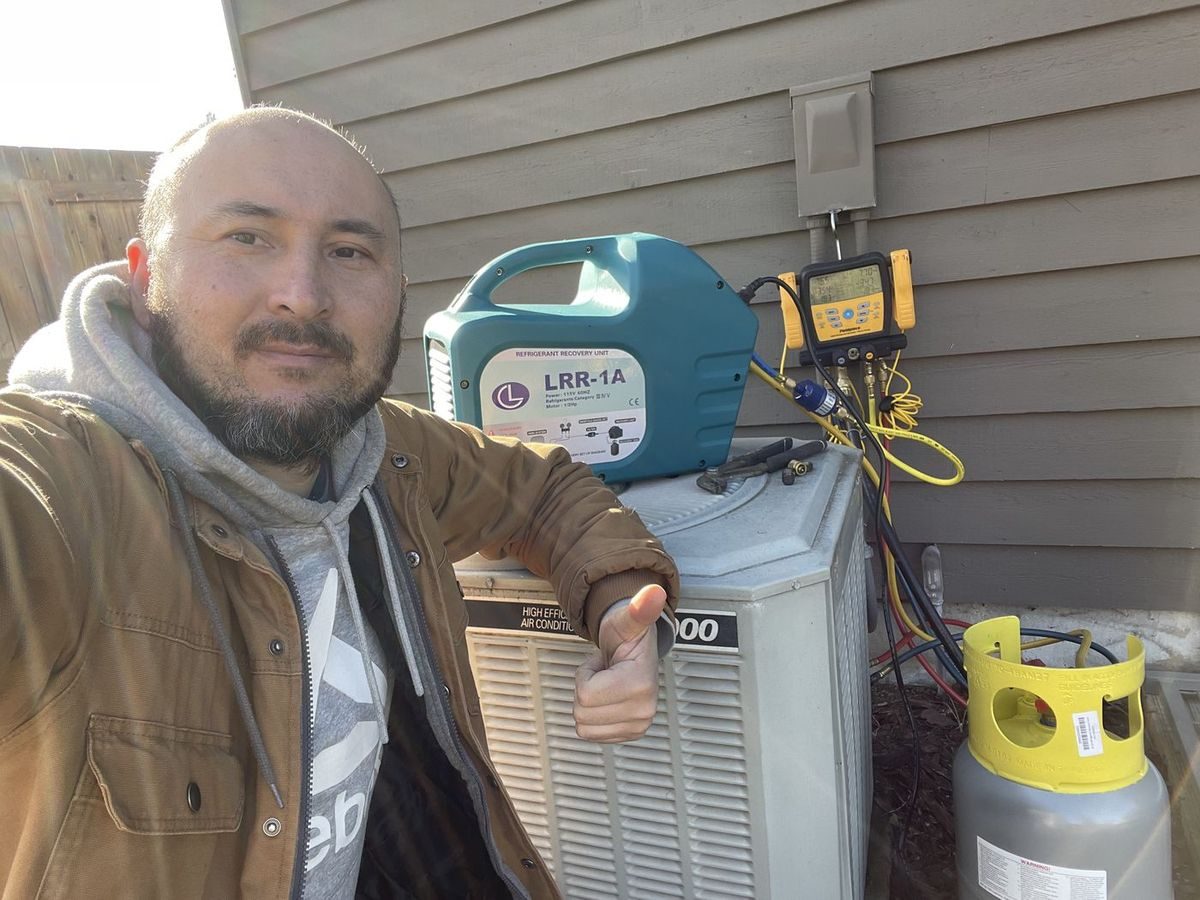
Tab 3 of 12
More Kitsap homes have cooling since the 2021 heat dome. When a system falls behind on a hot afternoon, we start with airflow, the capacitor and the refrigerant charge.
See the service page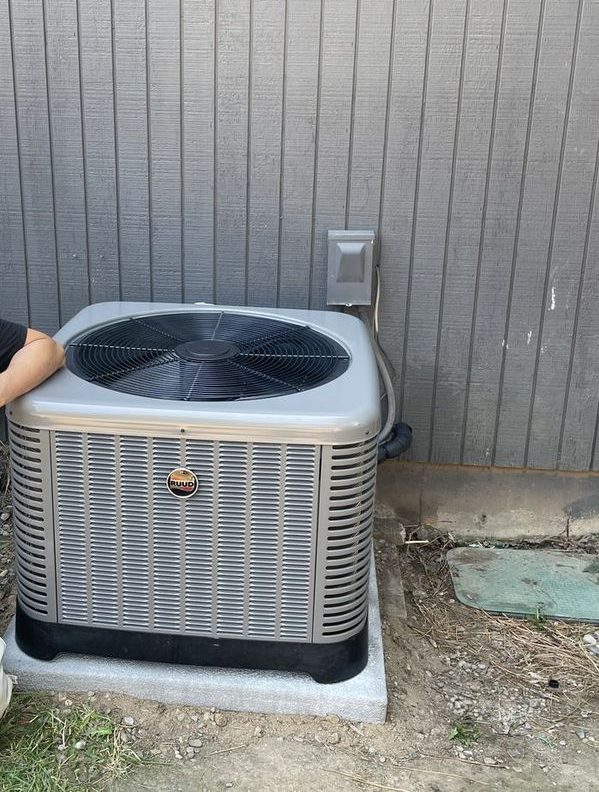
Tab 4 of 12
Placement matters on the peninsula: a raised pad clear of wet ground, back from salt spray where the lot allows, and out from under the needle drop.
See the service page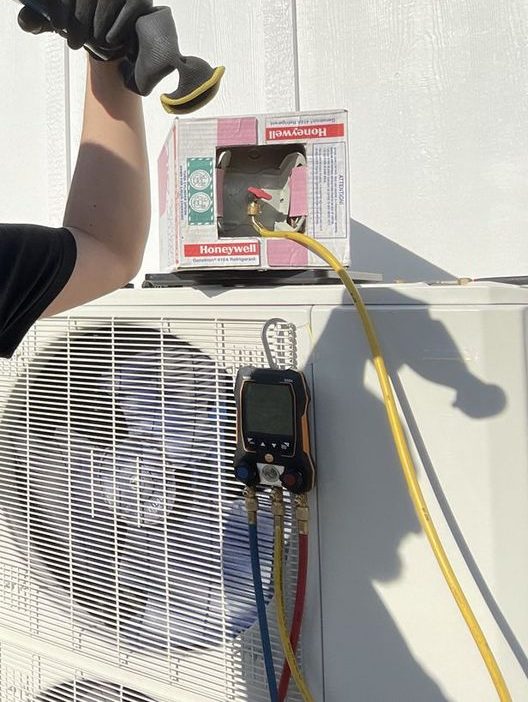
Tab 5 of 12
Mini-splits fit older homes with no room for ducts. Their line sets need sound insulation where they cross a damp crawlspace, and the outdoor unit needs a clear drain path.
See the service page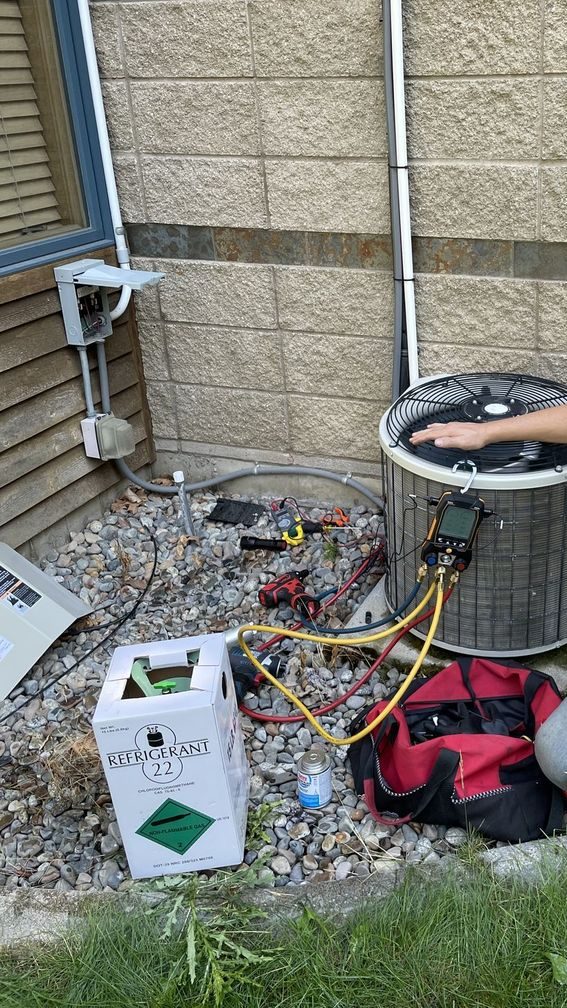
Tab 6 of 12
A seasonal visit near the water means a coil rinse, a look at the fasteners for salt rust and a base pan that drains. Those three buy waterfront equipment years.
See the service page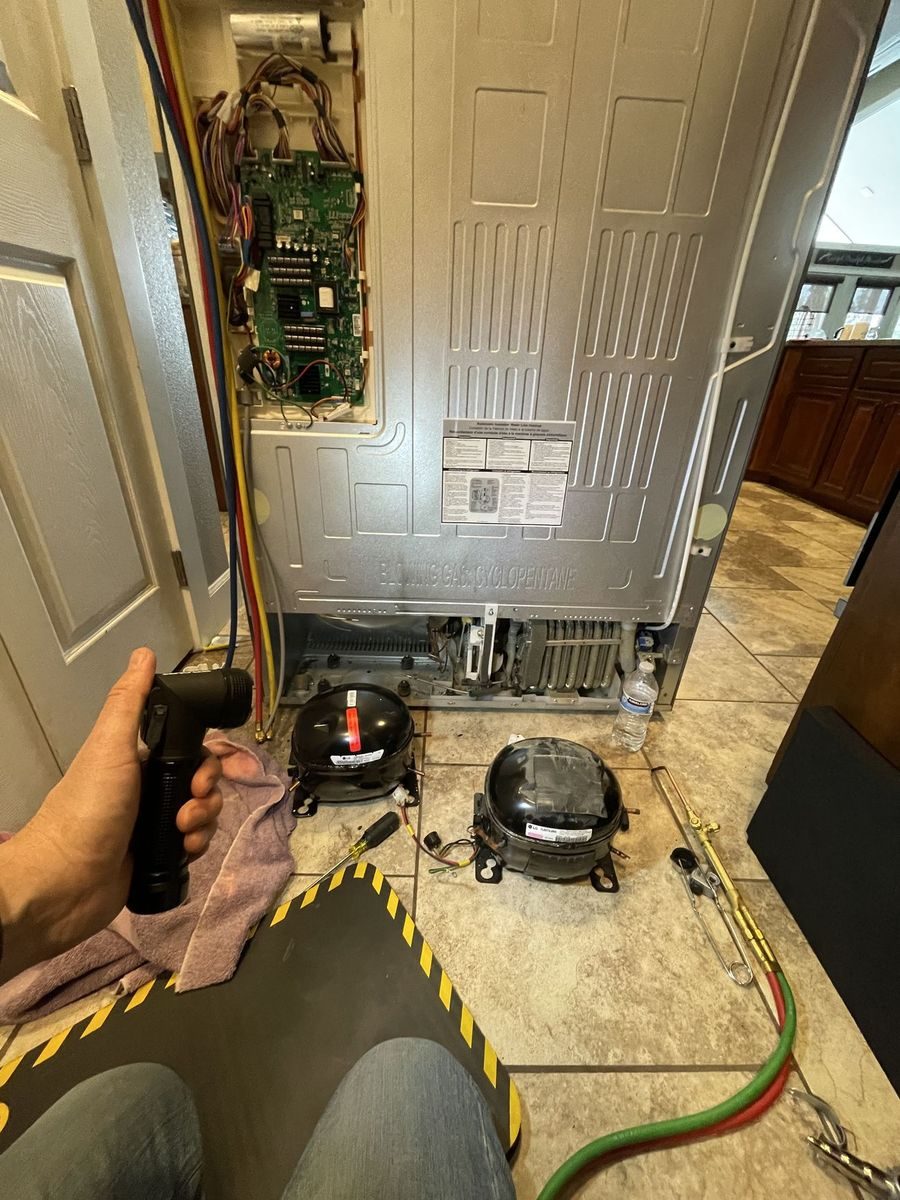
Tab 7 of 12
Sealed-system work, from leak search to recharge, happens right in the kitchen under EPA 608 Universal credentials, so the fridge stays where it stands.
See the service page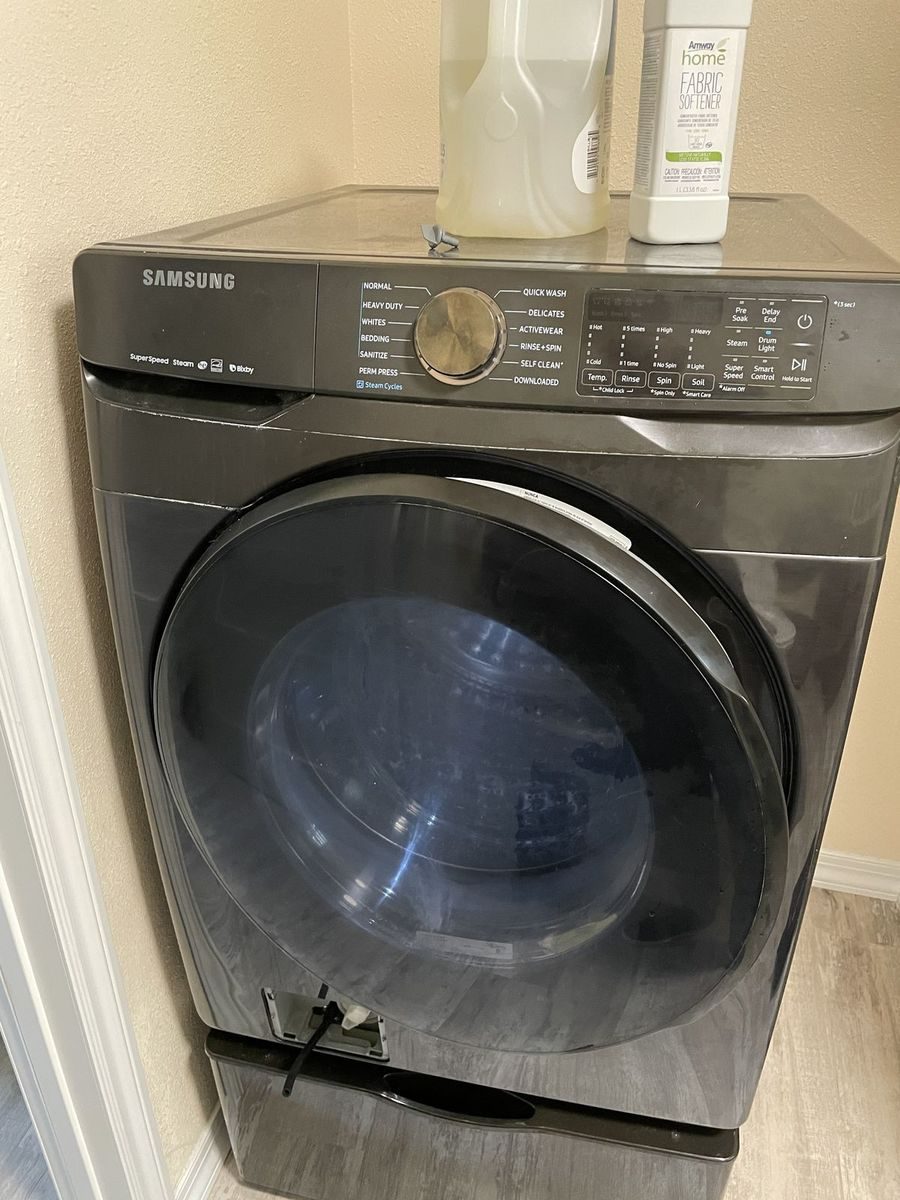
Tab 8 of 12
Damp Kitsap laundry rooms are hard on door boots, so mildew, torn folds and a clogged pump filter are the first things we look at on a front-loader.
See the service page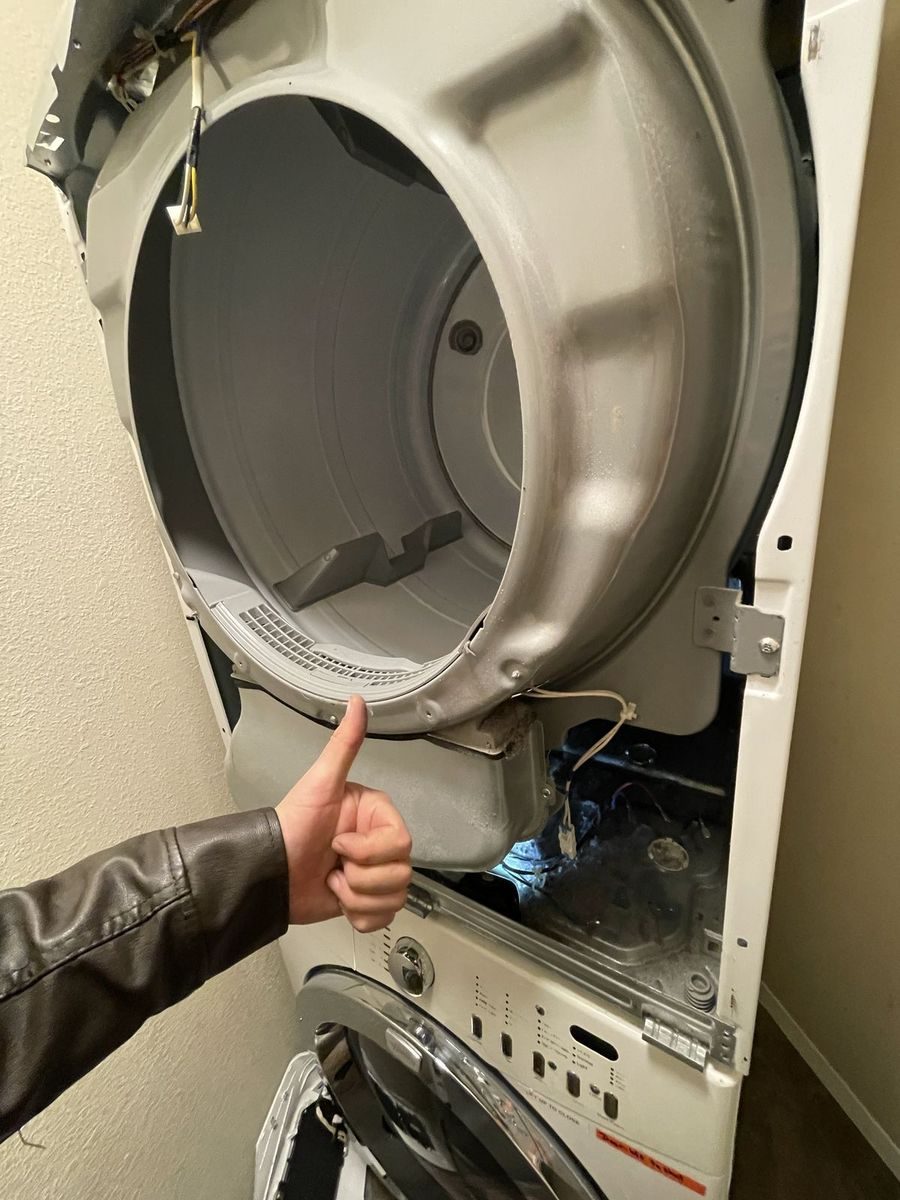
Tab 9 of 12
Long vent runs through damp walls fill with lint quickly, so the vent gets tested along with the heating side: element or burner, thermal fuse and thermostats.
See the service page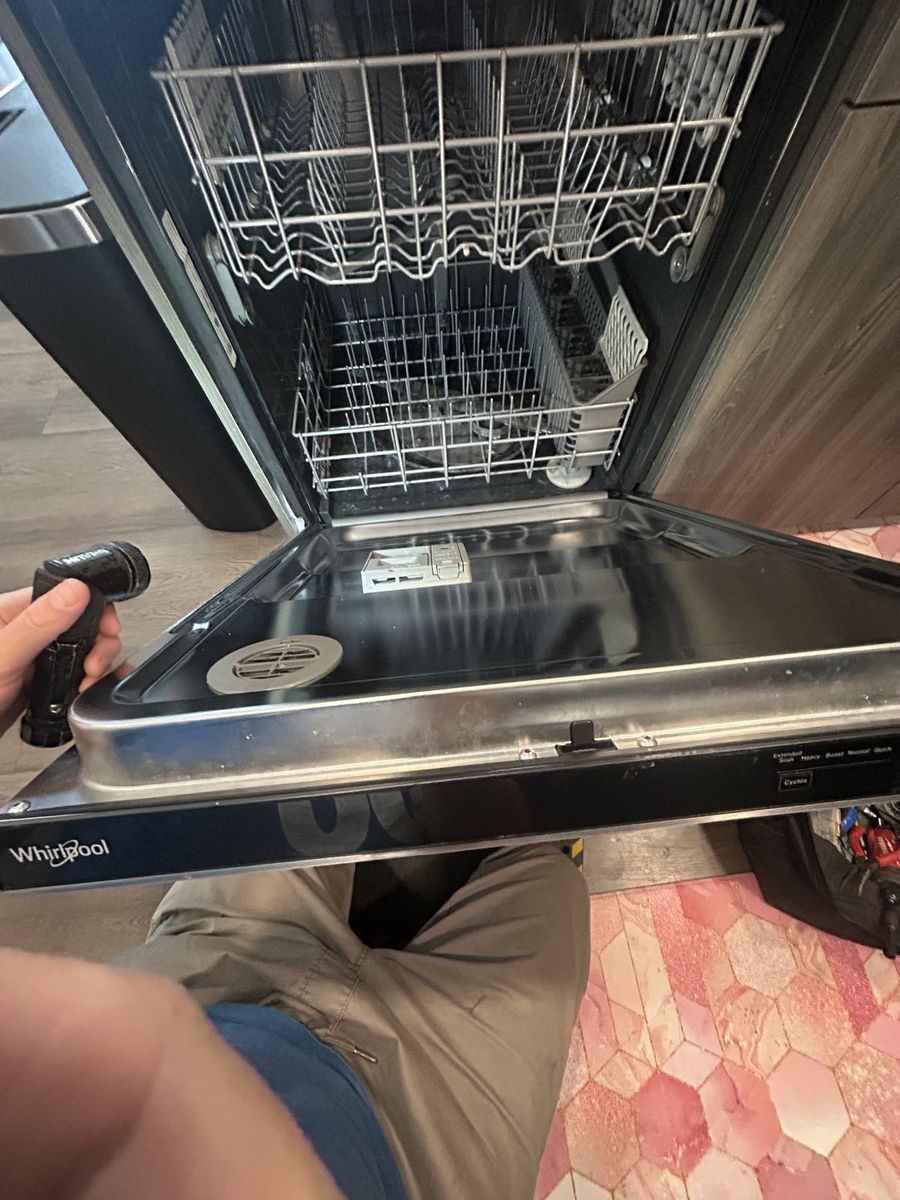
Tab 10 of 12
Well water leaves minerals on the spray arms and the inlet screen, two early stops when dishes come out dull or the tub fills slowly.
See the service page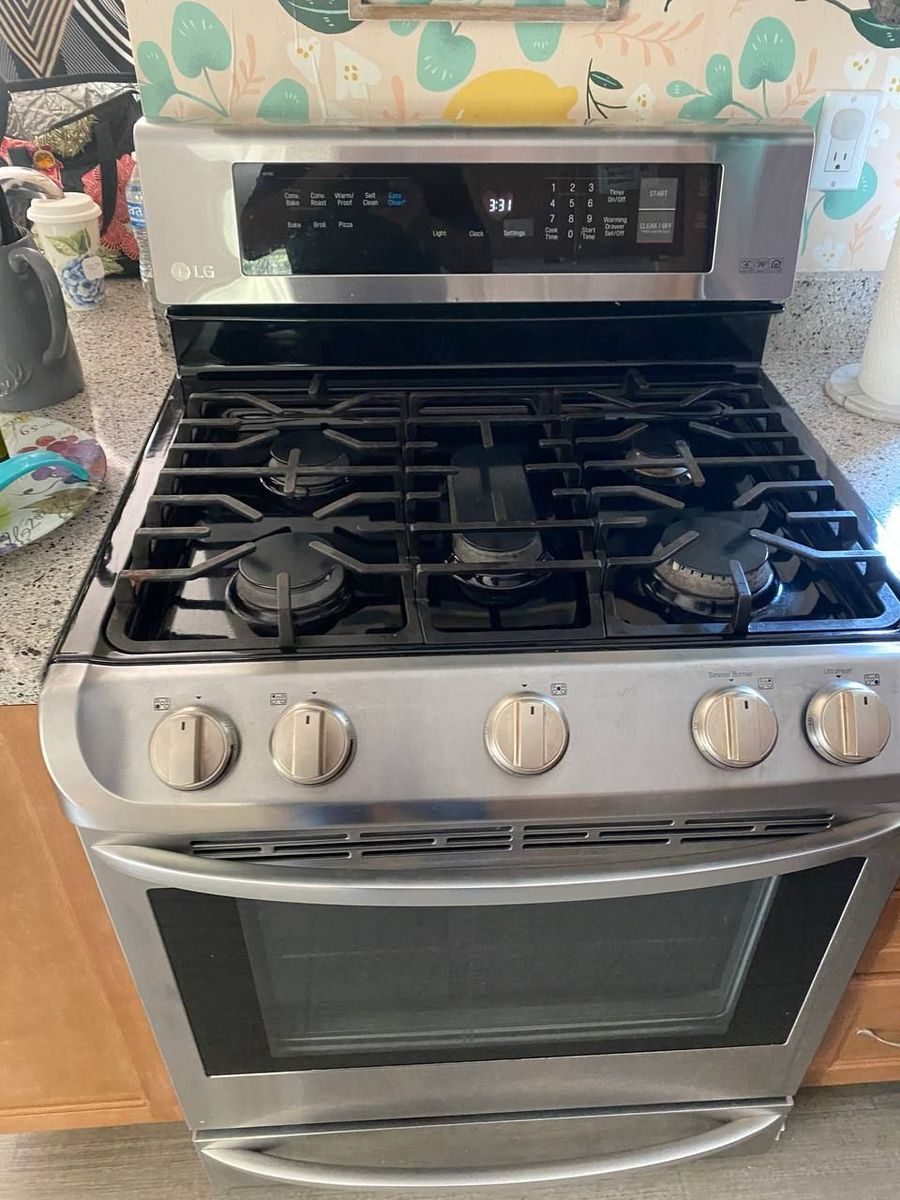
Tab 11 of 12
Natural gas and propane ranges both get igniter, valve and flame checks. The tank and its lines stay with your propane supplier.
See the service page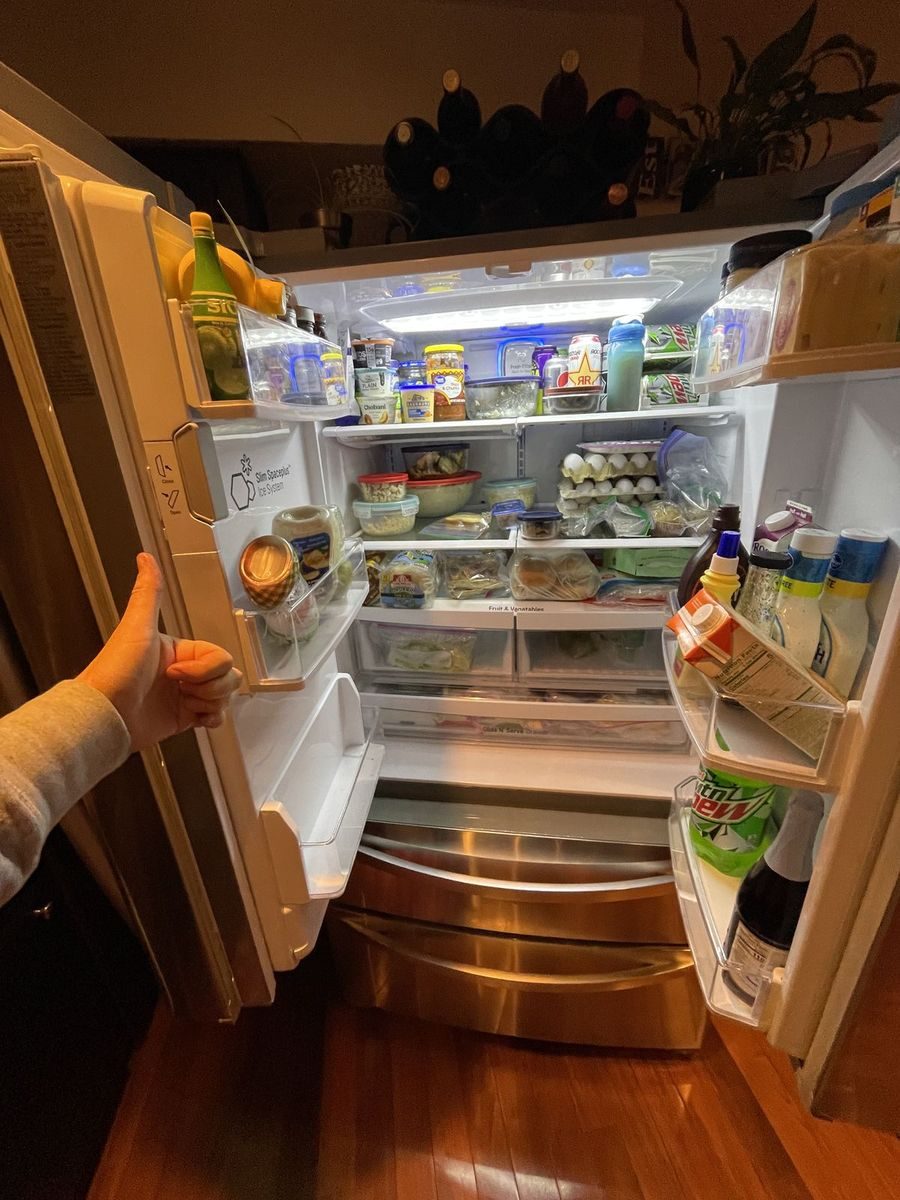
Tab 12 of 12
After a windstorm outage the fill tube often freezes solid and the ice maker goes quiet, so we follow the water up from the inlet valve.
See the service pageAround Purdy, rural lots and homes of many ages mean propane and electric furnaces are common, often alongside a heat pump added later. We confirm the fuel and setup before testing, and on propane furnaces we check the valve setting and manifold pressure. The tank and supply lines remain your supplier's responsibility.
Rosedale's wooded lots and homes near the water bring tall firs, windstorm outages and damp crawlspaces. A furnace under the floor picks up rust on burners and igniter leads, and rodents love the warm insulation around it. We check wiring, the flame sensor and any condensate drain, and flag corrosion that will shorten the next part's life.
Artondale, where the Fox Island bridge touches down, has its share of dual-fuel setups pairing a heat pump with a gas, propane or electric furnace. When those misbehave, the cause can sit in the thermostat, the outdoor sensor or either machine. We test both halves and the handoff between them, so you do not pay to replace the wrong one.
Leave first, all of you, without flipping lights, touching the thermostat or restarting the furnace. Once outside and away from the building, call 911 or your propane supplier, and wait until they say it is safe to return. After the home is cleared, our technicians can inspect the furnace's valve, burners and venting and write out the price of any repair.
No. Our side of the job is the furnace: its gas valve, burners, igniter, sensors and controls, plus confirming the unit is set up for propane. The tank, its regulator and the piping into the house are handled by your propane supplier or a licensed gas fitter. If the furnace tests fine but fuel is not arriving, we say so clearly, and you know whom to call next.
A thermostat or control board compares outdoor temperature with a changeover setting, often called the balance point. Above it, the heat pump warms the house; below it, the furnace takes over. If the furnace never runs on cold nights, or the heat pump grinds on in freezing weather while rooms cool, the outdoor sensor, the setting or the furnace may be at fault. We test each piece.
It can. Crawlspaces here stay damp much of the year, so burners, igniter leads, blower housings and nearby ductwork rust faster than in a dry basement. Rodents nest close by and chew wires. Keep the access clear, make sure the vapor barrier lies flat, and change the filter on schedule. If a musty or burning smell drifts from the registers, book a visit so we can inspect it.
Talk to a person
Gig Harbor furnace visits are booked two ways: the online calendar, where you mark a day and an arrival window, or the office phones, staffed from 8 AM until 7 PM with no days off. A confirming call locks it in, and the repair figure is yours to read and approve before the burner door comes off.
Schedule online
Tell us what needs attention, the day that works and the window you prefer. A scheduler calls to make it firm, and the technician rings again before pulling up.
Washington Labor & Industries keeps these records public. Each number can be searched on L&I Verify; scope details sit on a separate page.
Scope of each license