Tab 1 of 12
Heat pump repair
Through the gray months we watch the defrost cycle closely, because a coil that never clears is the classic Kitsap winter call. Capacitors and the reversing valve come next.
See the service page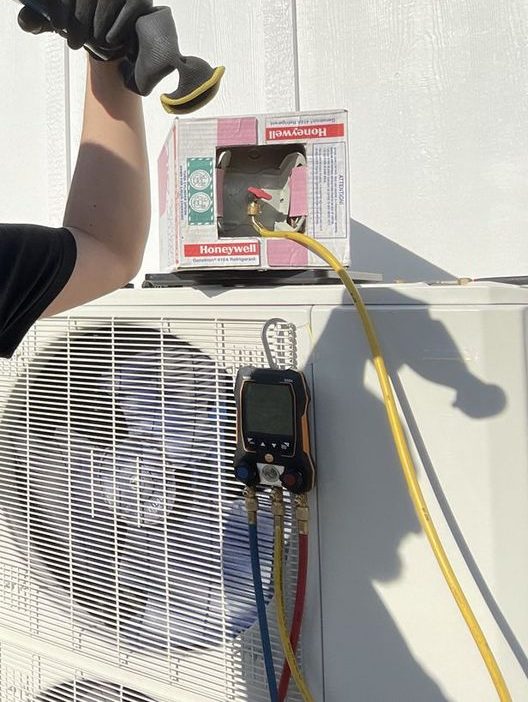
Gig Harbor & Fox Island · Ducted and ductless heat pumps
A Gig Harbor heat pump spends winter in cold drizzle, defrosting again and again, and the units near the harbor and Wollochet breathe salt as well. Our technicians test defrost controls, the reversing valve and inverter electronics, name the failure, and write a price before touching it. Fox Island sits on our route too.
Straight to it
Gig Harbor heat pumps most often fail on the defrost side, where a bad coil sensor, defrost board or reversing valve solenoid leaves the outdoor coil iced. Newer variable-speed units add inverter board and communication faults. Weak capacitors, pitted contactors, salt-corroded coils and fins packed with fir needles round out the list, and outages bring restart lockouts. We test, quote in writing and repair with your okay.
We start by watching the system heat and, when the coil allows, forcing a defrost. That shows whether the reversing valve changes over, whether the outdoor fan pauses on cue, the coil sensor reads true, and backup heat strips step in only when they should. Single-stage units get capacitor microfarads, contactor condition and compressor amps checked. Variable-speed systems are read through their own diagnostics: stored fault history, communication among thermostat and boards, and inverter voltage and sensor values. Charge is judged against the manufacturer's chart.
You will know the diagnostic fee before anyone drives over, because the office quotes it at booking. Approving a repair rolls that fee into the repair's price; saying no leaves the fee as your whole bill. Your technician hands over a written price before any wrench turns, and the warranty language appears on the invoice. Truck stock covers capacitors, contactors, fan motors and valves; inverter boards and sensors that must be special-ordered are quoted before ordering. For the record, Larch is licensed in Washington with the 06A HVAC/Refrigeration specialty, while our technicians carry EPA Section 608 Universal refrigerant credentials.
Gig Harbor's long, damp winters, mostly 35 to 50°F, suit heat pumps well, yet they frost the outdoor coil nearly every day. A healthy unit clears the frost with a defrost cycle, often with a burst of steam and a hiss of refrigerant changing direction. Warning signs look different: ice that never melts, a compressor that never rests, or an AUX indicator lit hour after hour. Keep a clear zone of a couple of feet around the cabinet, brush fir needles and leaves off the top after windy days, and never chip ice off the fins.
Near the harbor and along Wollochet Bay, salt mist adds corrosion to ordinary wear, so terminals, fins and fasteners get extra attention on our visits. Windstorms are the other recurring test. After a long outage in cold weather, leave the outdoor unit powered for a while before asking for heat, since many manufacturers want the crankcase heater to warm the compressor oil first. We also reach Fox Island over its bridge across Hale Passage. Booking takes a minute online, where you pick the date and arrival window, or a short phone call.
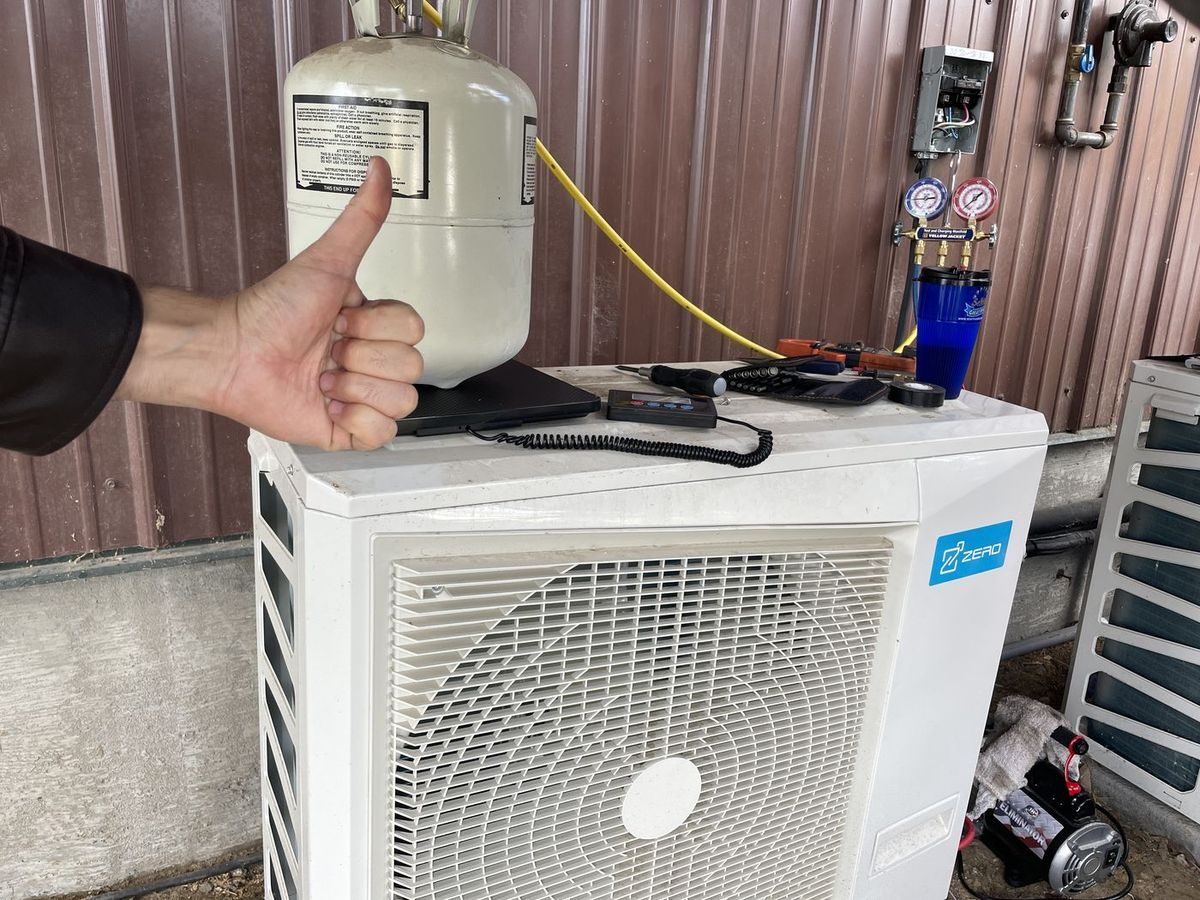
Each tab holds a photo from our service calls and a note on what we check first. Pick any tab; left alone, they turn every few seconds.
Tab 1 of 12
Through the gray months we watch the defrost cycle closely, because a coil that never clears is the classic Kitsap winter call. Capacitors and the reversing valve come next.
See the service page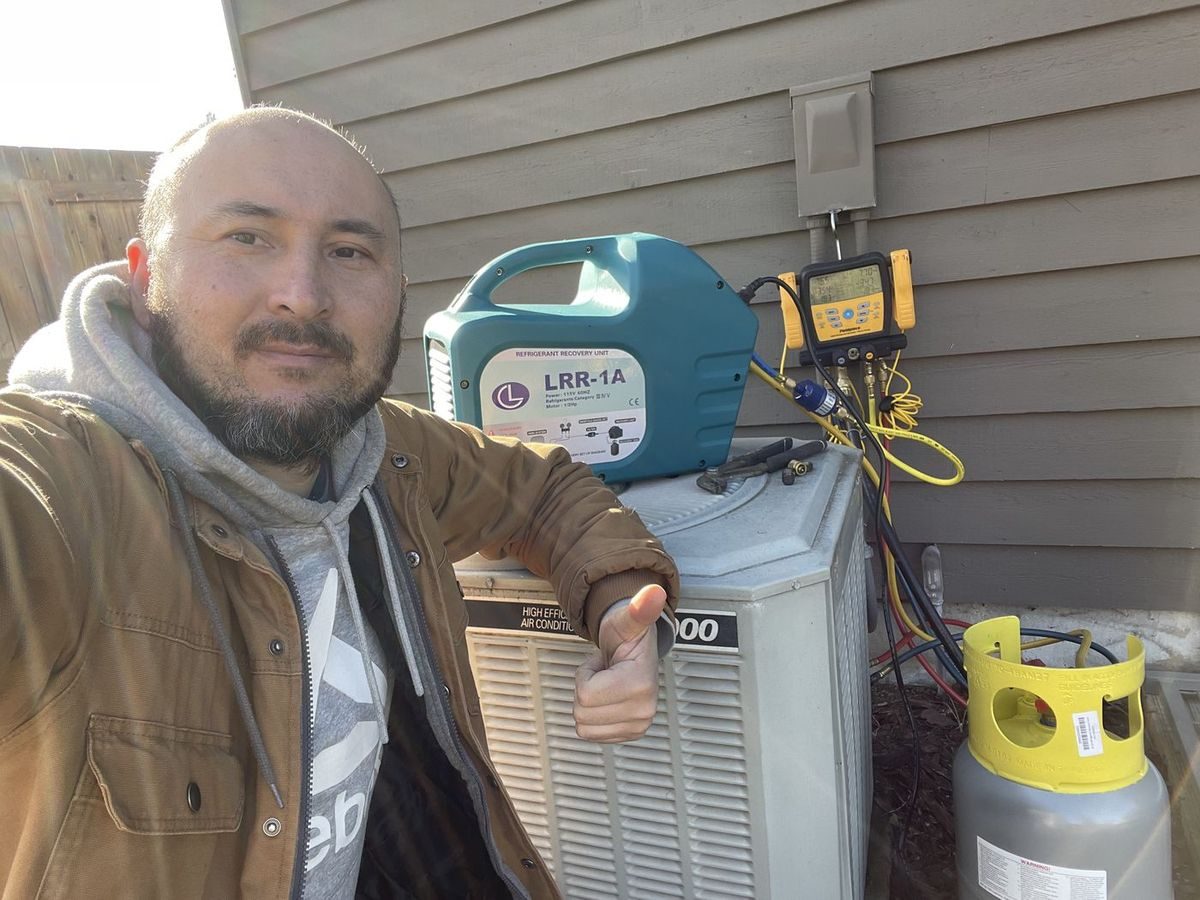
Tab 2 of 12
More Kitsap homes have cooling since the 2021 heat dome. When a system falls behind on a hot afternoon, we start with airflow, the capacitor and the refrigerant charge.
See the service page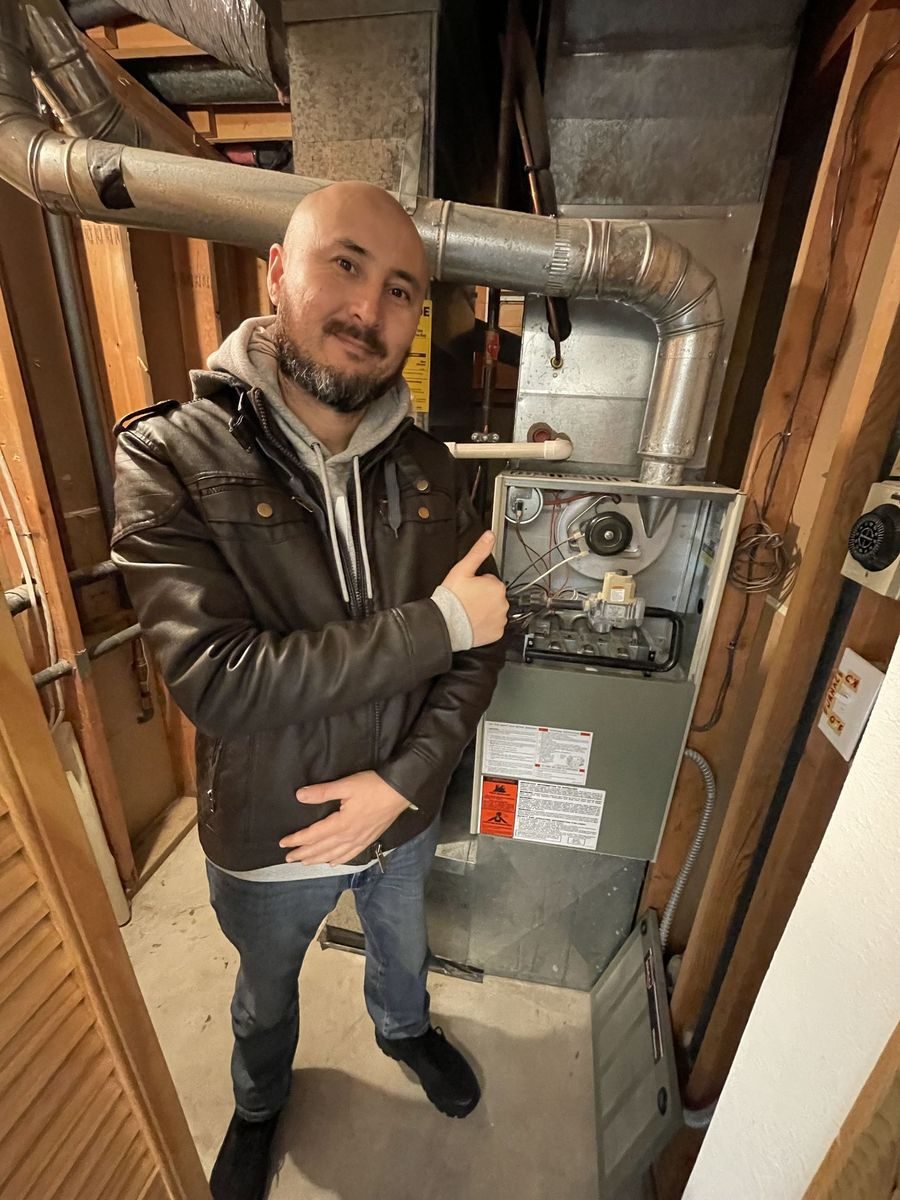
Tab 3 of 12
Many older Bremerton and Manette houses keep the furnace in a closet or under the floor. Filter, inducer, flame sensor and limit switch all get checked in that tight space.
See the service page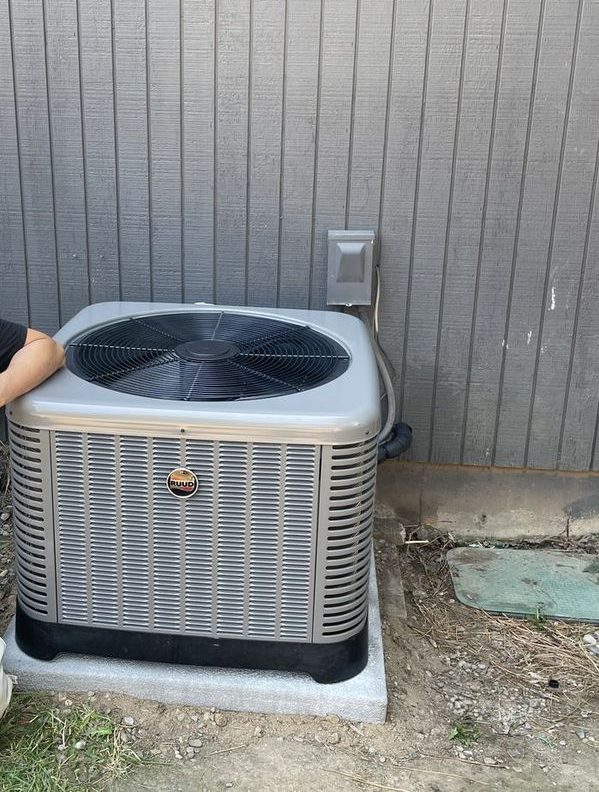
Tab 4 of 12
Placement matters on the peninsula: a raised pad clear of wet ground, back from salt spray where the lot allows, and out from under the needle drop.
See the service pageTab 5 of 12
Mini-splits fit older homes with no room for ducts. Their line sets need sound insulation where they cross a damp crawlspace, and the outdoor unit needs a clear drain path.
See the service page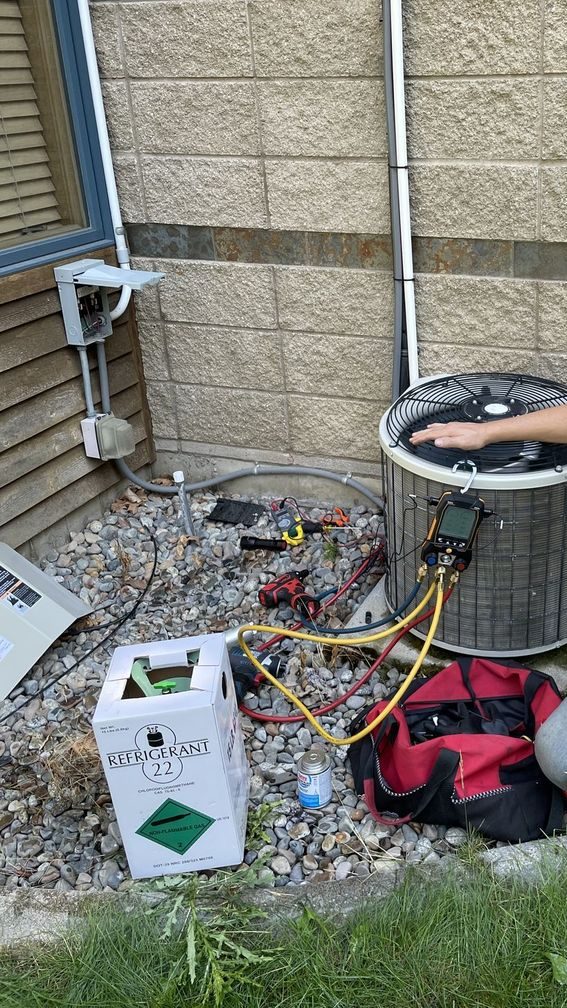
Tab 6 of 12
A seasonal visit near the water means a coil rinse, a look at the fasteners for salt rust and a base pan that drains. Those three buy waterfront equipment years.
See the service page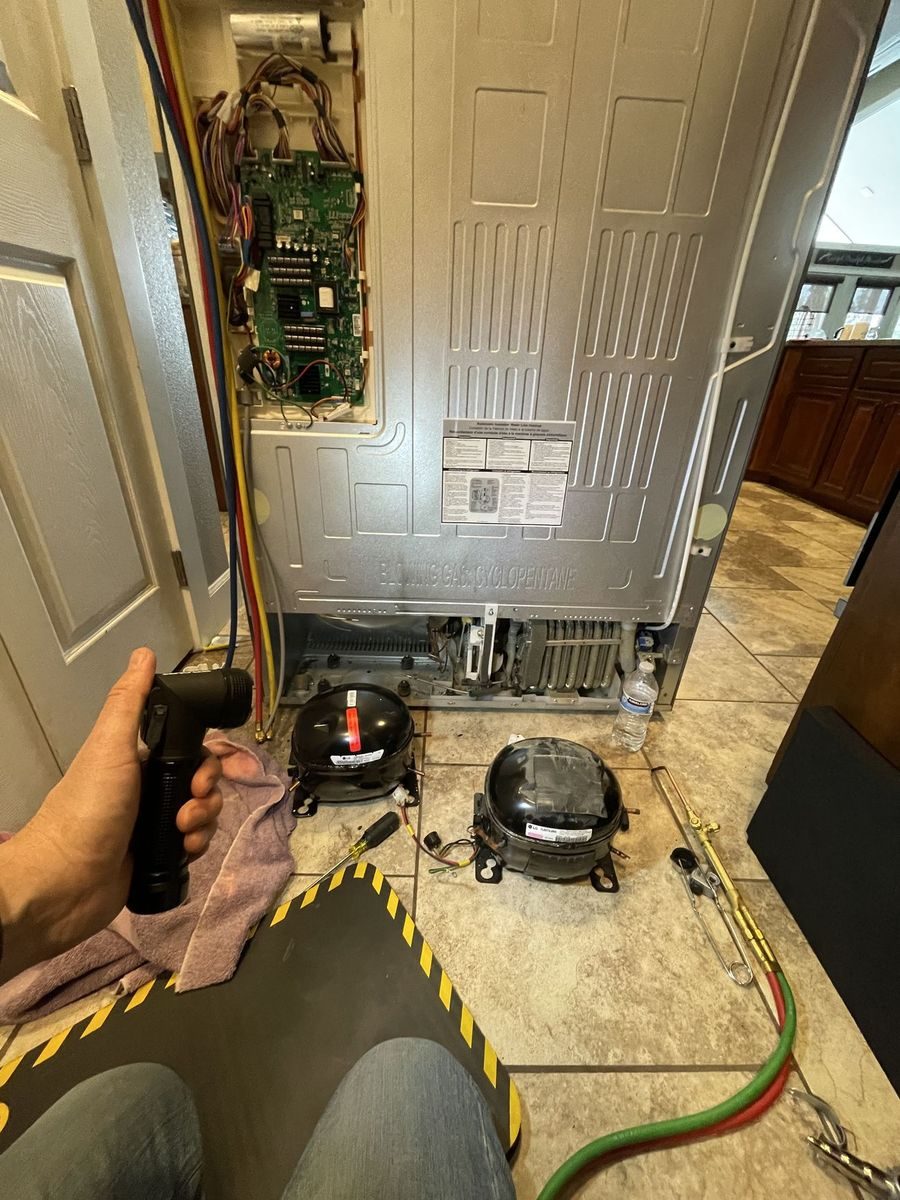
Tab 7 of 12
Sealed-system work, from leak search to recharge, happens right in the kitchen under EPA 608 Universal credentials, so the fridge stays where it stands.
See the service page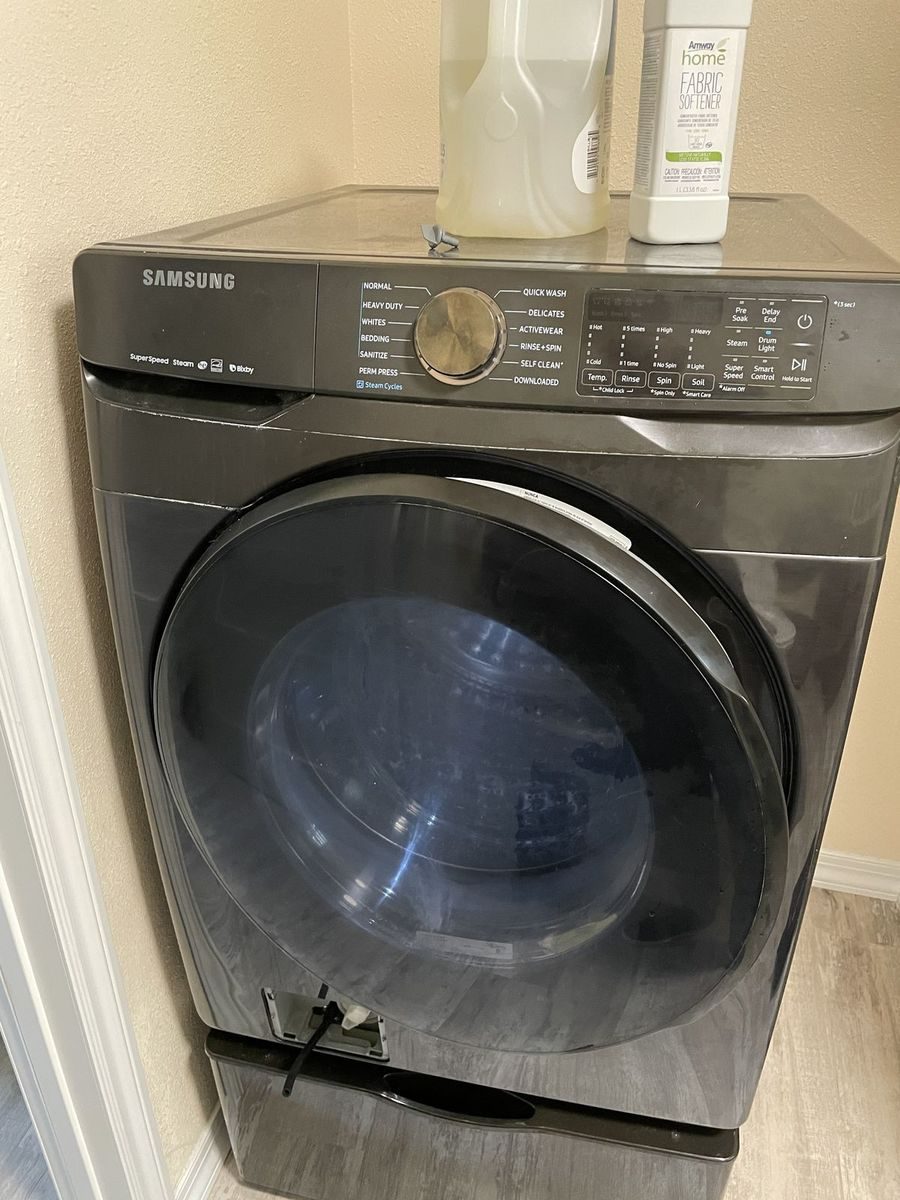
Tab 8 of 12
Damp Kitsap laundry rooms are hard on door boots, so mildew, torn folds and a clogged pump filter are the first things we look at on a front-loader.
See the service page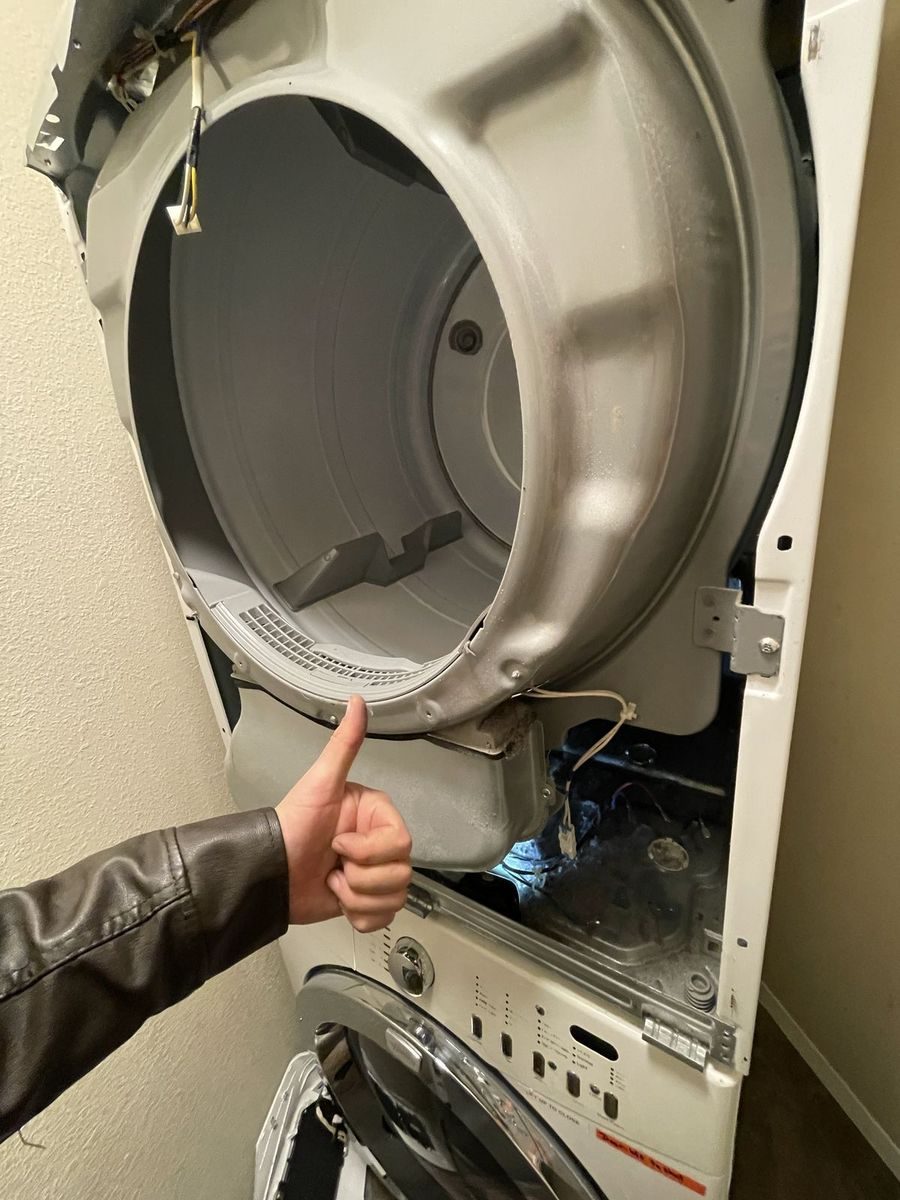
Tab 9 of 12
Long vent runs through damp walls fill with lint quickly, so the vent gets tested along with the heating side: element or burner, thermal fuse and thermostats.
See the service page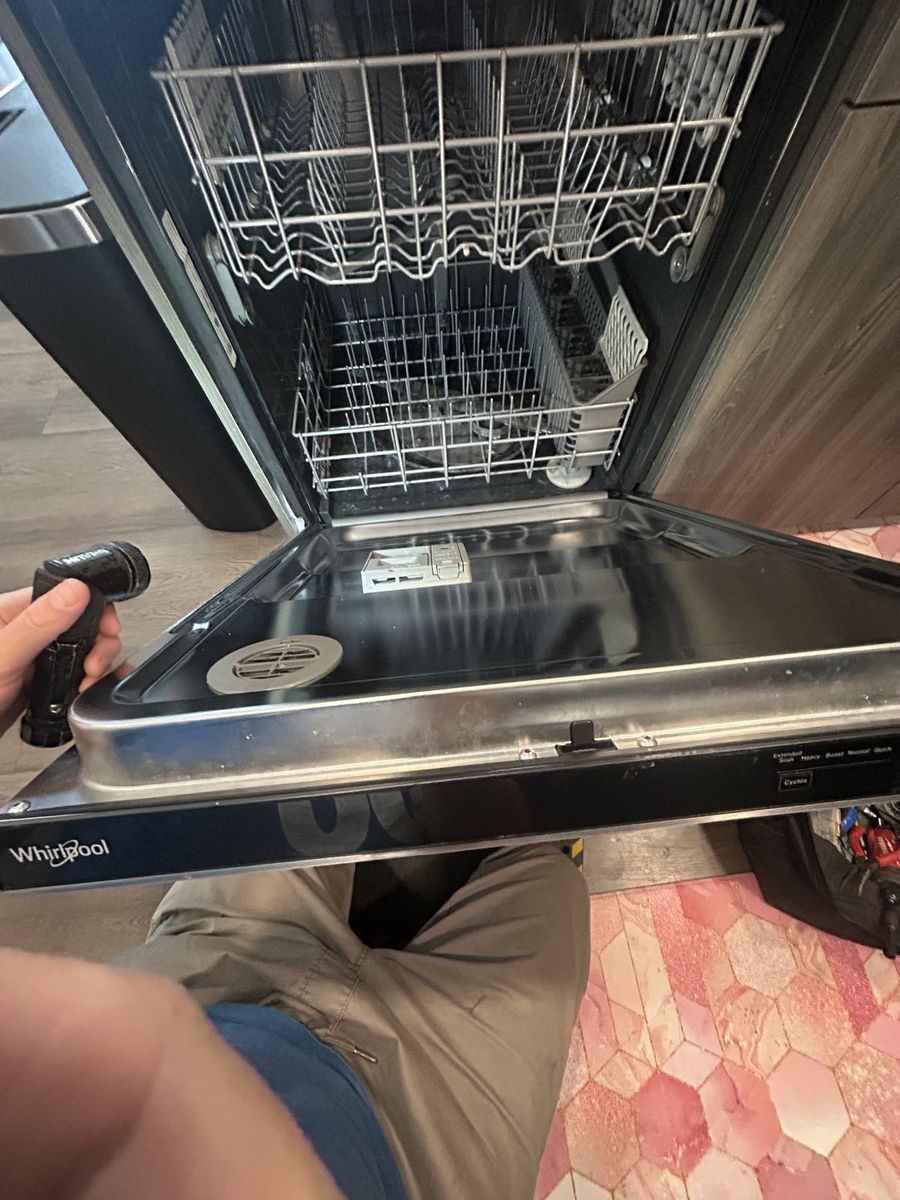
Tab 10 of 12
Well water leaves minerals on the spray arms and the inlet screen, two early stops when dishes come out dull or the tub fills slowly.
See the service page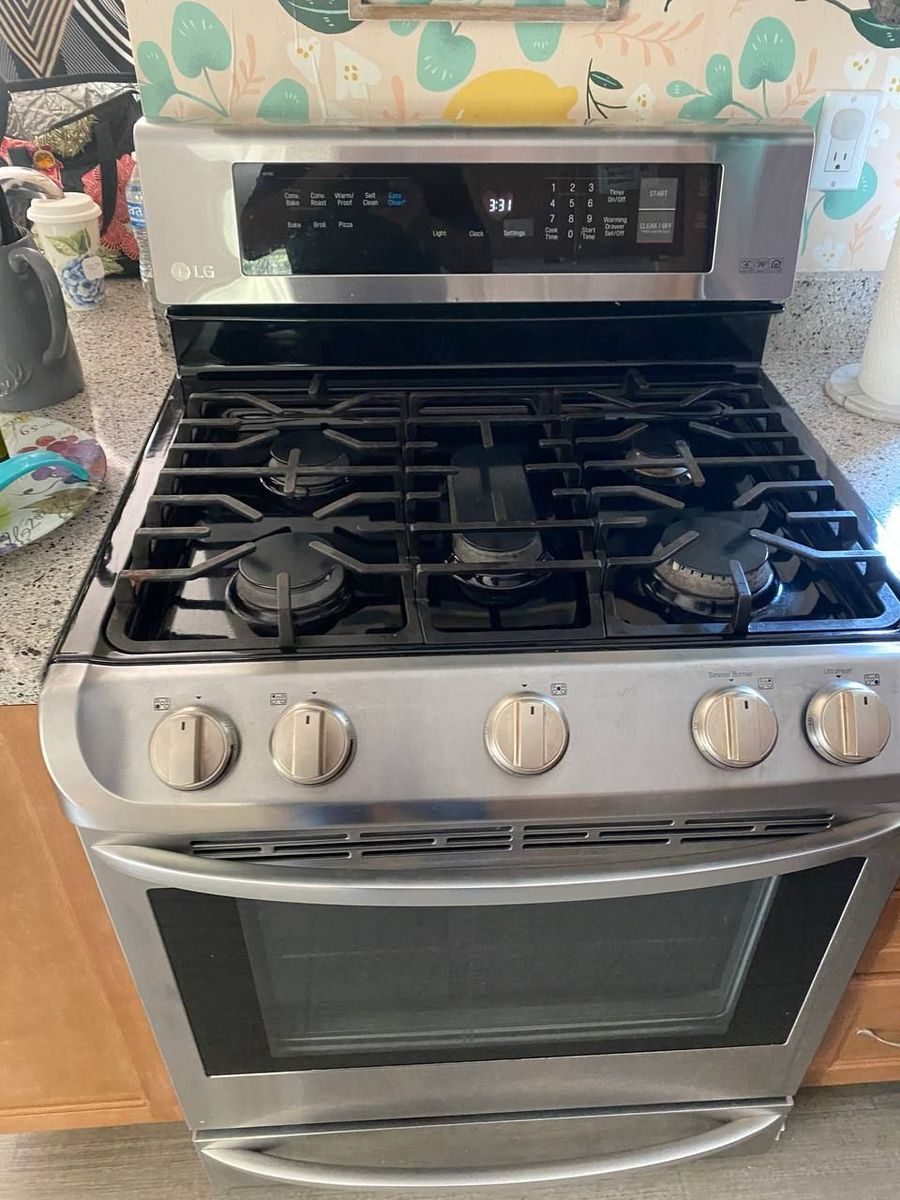
Tab 11 of 12
Natural gas and propane ranges both get igniter, valve and flame checks. The tank and its lines stay with your propane supplier.
See the service page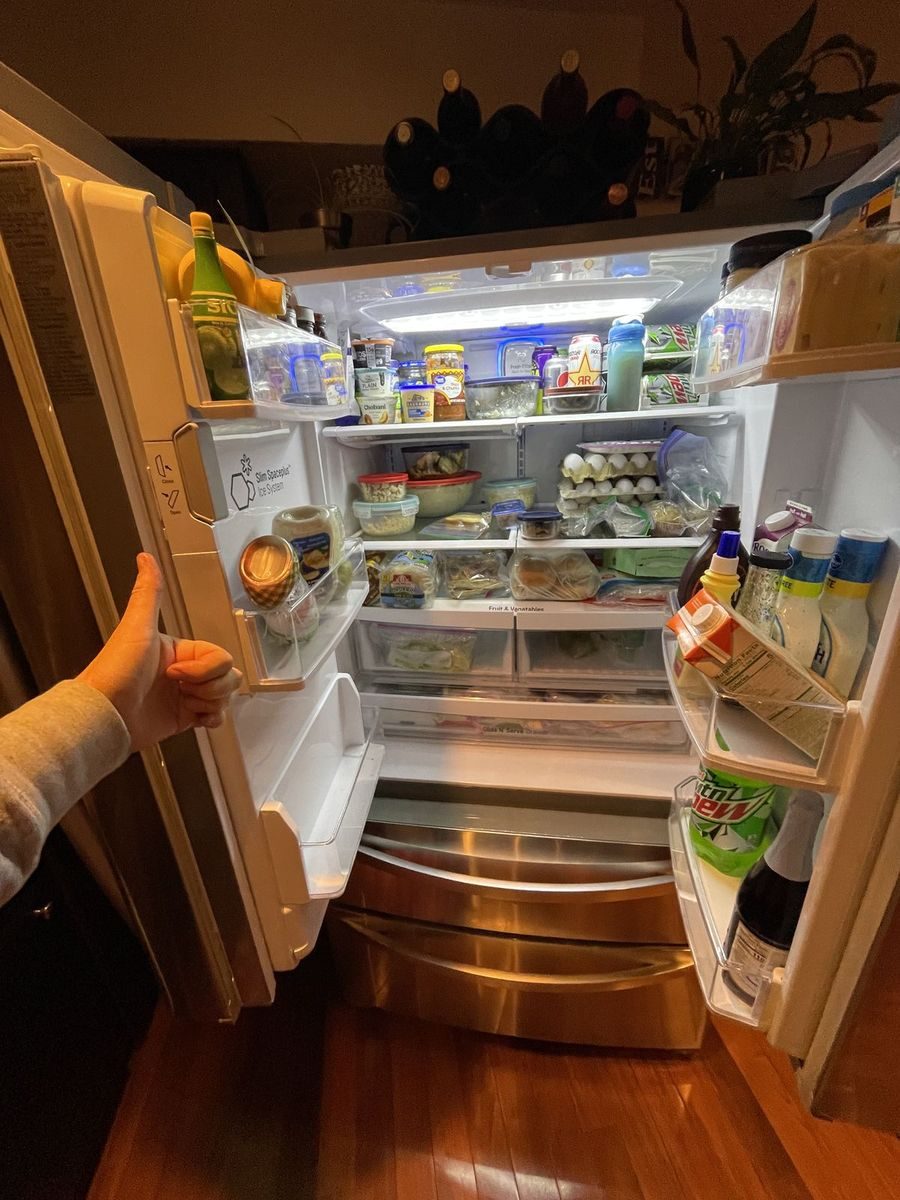
Tab 12 of 12
After a windstorm outage the fill tube often freezes solid and the ice maker goes quiet, so we follow the water up from the inlet valve.
See the service pageHomes around Wollochet Bay often sit on the water or just above it, so outdoor units take salt mist along with the damp of the bay. Corroded fins, rusted fasteners and green service valves are typical. We spend extra time on terminals and the contactor here, and recommend a gentle freshwater rinse a few times a year.
Many newer upland homes came with variable-speed heat pumps and communicating thermostats. These adjust output smoothly but depend on sensors and a data link between boards. When one quits, the thermostat usually shows a code instead of quietly going cold, and we read that history before replacing anything.
Fox Island is reached only by the bridge over Hale Passage, opened in 1954 and landing at Artondale, so island visits are planned around that single crossing. Waterfront and view homes there catch salt spray from several directions, and tall trees shed needles into outdoor units. We load the common parts before crossing so fewer repairs wait on a second trip.
Usually not. On raw, wet days frost forms across the outdoor coil, so the system flips into cooling mode briefly to warm the coil and shed it. Steam drifts off, the fan stops, and a hiss or thump marks the valve changing over. Call if ice stays packed on the coil after defrost, defrosts happen constantly, or the house cools down. A sensor, board or valve then needs testing.
It means backup heat strips are running along with, or instead of, the heat pump. Short AUX periods during defrost or after a big setpoint jump are normal. If the light stays on for hours in mild weather, the heat pump may not be pulling its weight because of a failed capacitor, a reversing valve stuck in cooling, or low refrigerant. Strips cost more to run, so book a check.
Yes. Fox Island is part of our Gig Harbor area, reached over the Hale Passage bridge from Artondale. With only one way on and off, the office plans those visits around the crossing and confirms your arrival window by phone. Technicians bring the common heat pump parts along, and special-order parts are quoted on paper before the order goes in.
Yes, that is how a variable-speed, or inverter, heat pump works. It ramps the compressor and fans up and down to match what the house needs, so it often runs long and quietly rather than switching on and off. Worry when it shows an error code, ignores the thermostat, or blows cool air for long stretches. Jot down the code before calling, since it shortens the diagnosis.
Talk to a person
Online, the calendar takes your date and arrival window; by phone, the office answers daily between 8 AM and 7 PM, then rings back to confirm. Your technician also calls once headed your way, island trips included.
Schedule online
Tell us what needs attention, the day that works and the window you prefer. A scheduler calls to make it firm, and the technician rings again before pulling up.
Washington Labor & Industries keeps these records public. Each number can be searched on L&I Verify; scope details sit on a separate page.
Scope of each license