Tab 1 of 12
Heat pump repair
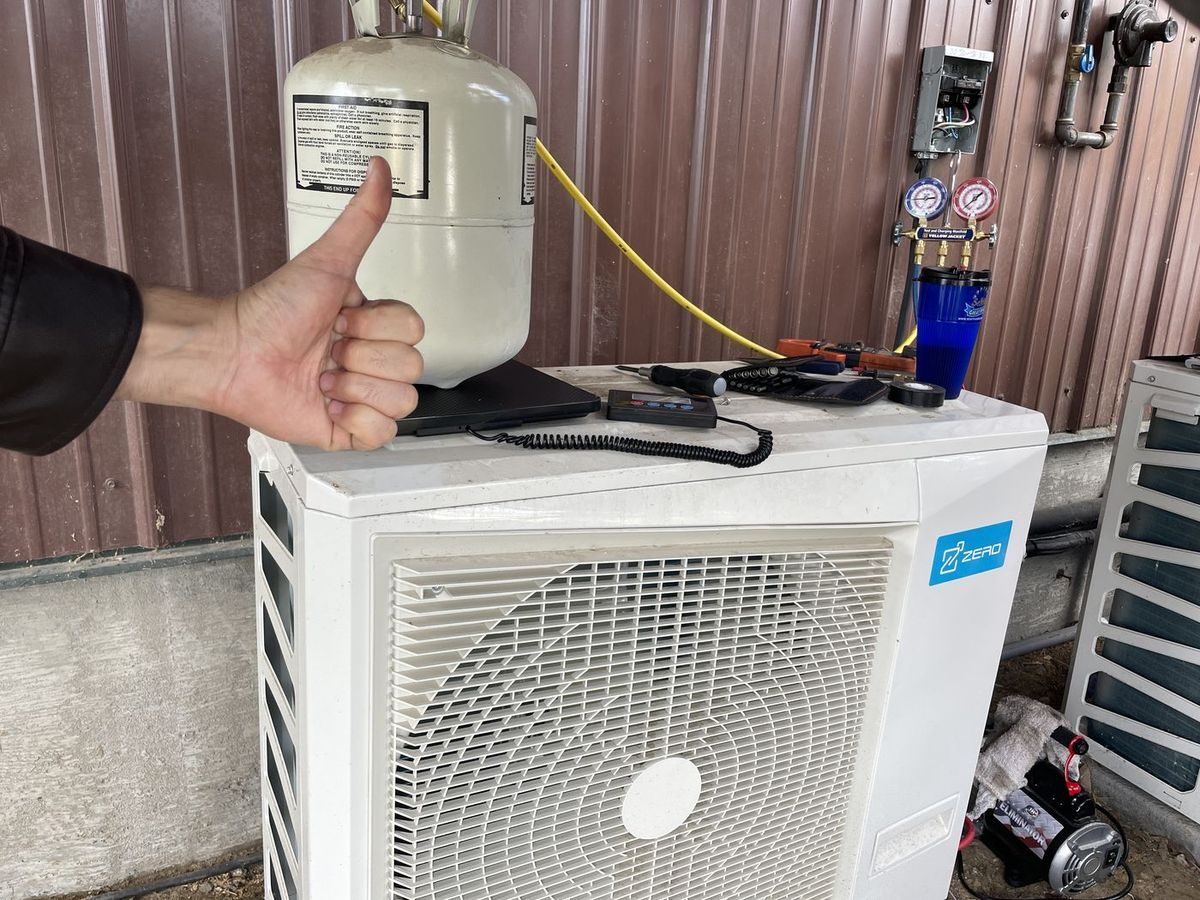
Through the gray months we watch the defrost cycle closely, because a coil that never clears is the classic Kitsap winter call. Capacitors and the reversing valve come next.
See the service page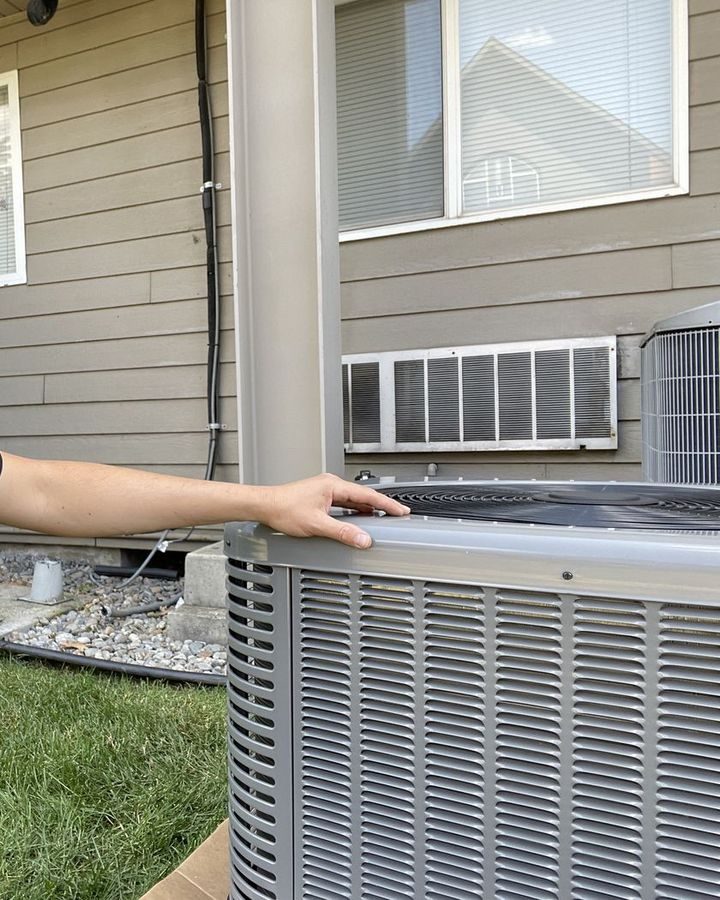
Guide · Waterfront heat pumps
A heat pump or air conditioner within sight of salt water lives in a faint, constant mist of brine. Around Sinclair and Dyes Inlets, Liberty Bay, the harbor at Gig Harbor and Hale Passage, that mist gnaws at fins, fasteners and terminals. Here is what it does, what owners can handle, and when to call.
Straight to it
Salt blown off the water lands on outdoor coils and cabinets, draws in moisture, and corrodes aluminum fins, steel screws, base pans and contactor terminals. With the thermostat off and the unit's breaker switched off, a gentle garden-hose rinse with fresh water a few times a year slows the damage; pressure washers make it worse. Coated coils help at replacement time. Call when fins crumble, terminals crust over or comfort slips.
Houses on or near the shoreline, and above all those facing it. Waterfront and view lots along Sinclair Inlet in Bremerton, Dyes Inlet around Silverdale, Liberty Bay below Poulsbo, the harbor at Gig Harbor and both shores of Hale Passage catch wind-driven spray whenever a storm shoves waves against the beach. Even on still days, damp marine air carries fine salt that settles on whatever it touches, and a condenser fan pulling air across its coil collects more of that salt than a fence post would.
Placement changes the dose. A unit facing the water, standing in the open, takes the brunt, while one tucked on the landward side collects far less. Sheltered spots have a catch of their own: beneath deep eaves or a deck, rain never rinses the coil, so salt stacks up layer on layer. Fox Island's many waterfront and view homes, along with the houses ringing the harbor in downtown Gig Harbor, often put the outdoor unit within a short walk of the tide line.
It starts as a chalky white or gray film and ends as metal that crumbles. Aluminum fins oxidize first, especially along their edges and where they press against the copper tubing, because two different metals sitting in salty moisture corrode each other faster. Painted steel cabinets blister at scratches and screw holes, base pans rust upward from the bottom, and the screws holding service panels seize or snap off.
Inside the control compartment, salt goes after the electrical parts. Contactor terminals and wire lugs grow a green or white crust, the contact points pit, and capacitor terminals corrode. The fan motor shaft and bearings can rust, and the caps over the service valves sometimes fuse in place. Watch for these signs:
It cuts heat transfer, adds electrical resistance and finally opens refrigerant leaks. As fins corrode and lose their grip on the tubes, the coil trades less heat with the outdoor air. In summer, head pressure climbs and the compressor labors; in winter, the unit gathers less heat and frosts up sooner, piling extra defrost cycles onto a climate that already demands plenty of them.
Crusted terminals heat up under load, which sags the voltage reaching the compressor and fan motor and can weld or burn the contactor points. Pinholes through a weakened coil bleed refrigerant a little at a time, so run times stretch, the indoor coil can ice over in cooling season, and the AUX light shows up more often in heating season. Our technicians read the voltage drop across the contactor, test the run capacitor against its microfarad rating, check superheat and subcooling against the maker's charts, and hunt leaks with an electronic detector, all work their EPA 608 Universal credential allows.
Gently, with fresh water and the power off. Plain water dissolves salt before it can pull in moisture and do its slow work, and the whole job takes a few minutes. Work through it in this order:
Corrosion protection built in from day one, and a smarter spot for the cabinet. Many manufacturers offer outdoor coils with a protective coating applied before the unit ships, and some lines add coated cabinets and fasteners meant for coastal sites. A coated coil slows corrosion rather than stopping it, so the freshwater rinse stays on the calendar either way.
Placement matters just as much. Where the layout allows, the new unit can move to the sheltered, landward wall, raised on a stand or bracket high enough to clear splash and standing water, with room left for airflow and for the next service call. Your written quote rolls the equipment and its installation into one figure, coated coil or stand included if you choose them, so you can weigh the options against each other.
Each tab holds a photo from our service calls and a note on what we check first. Pick any tab; left alone, they turn every few seconds.
Tab 1 of 12
Through the gray months we watch the defrost cycle closely, because a coil that never clears is the classic Kitsap winter call. Capacitors and the reversing valve come next.
See the service page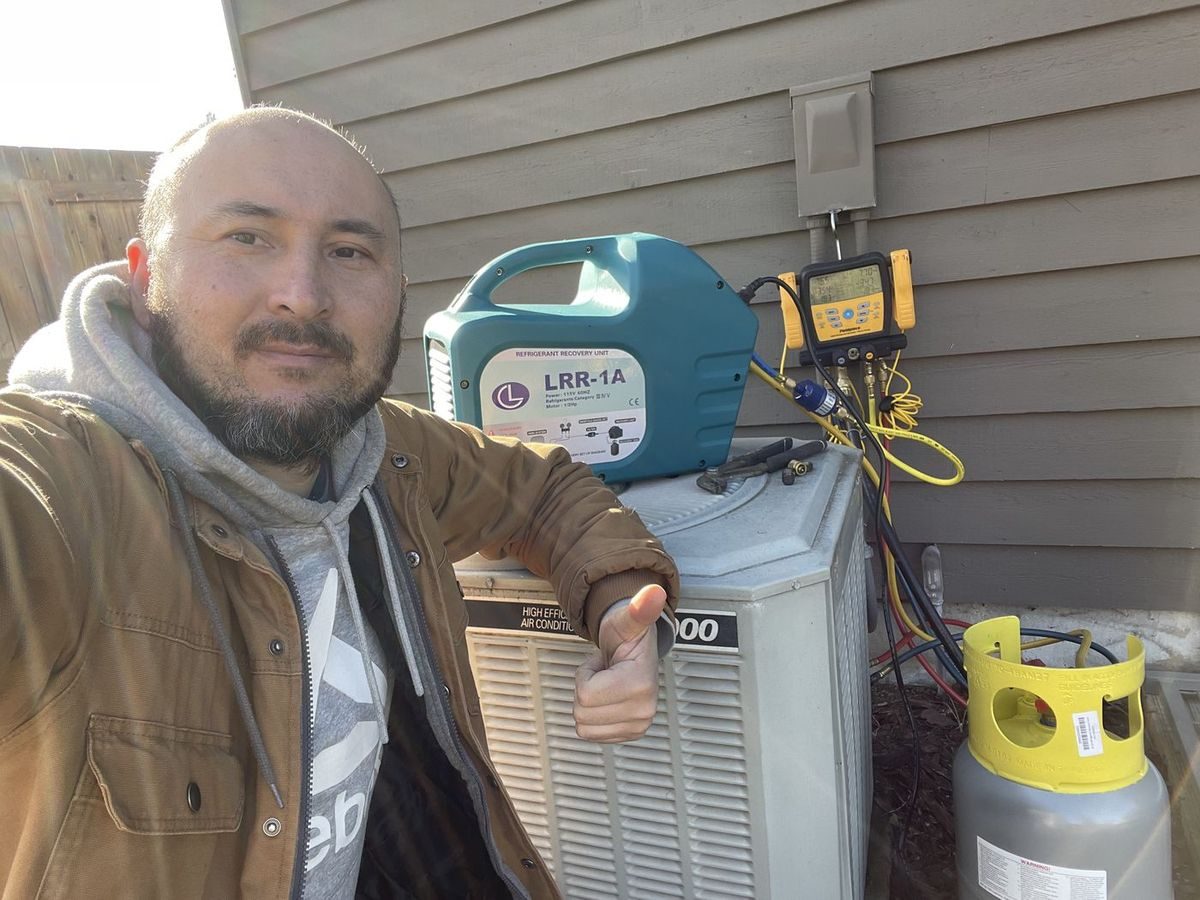
Tab 2 of 12
More Kitsap homes have cooling since the 2021 heat dome. When a system falls behind on a hot afternoon, we start with airflow, the capacitor and the refrigerant charge.
See the service page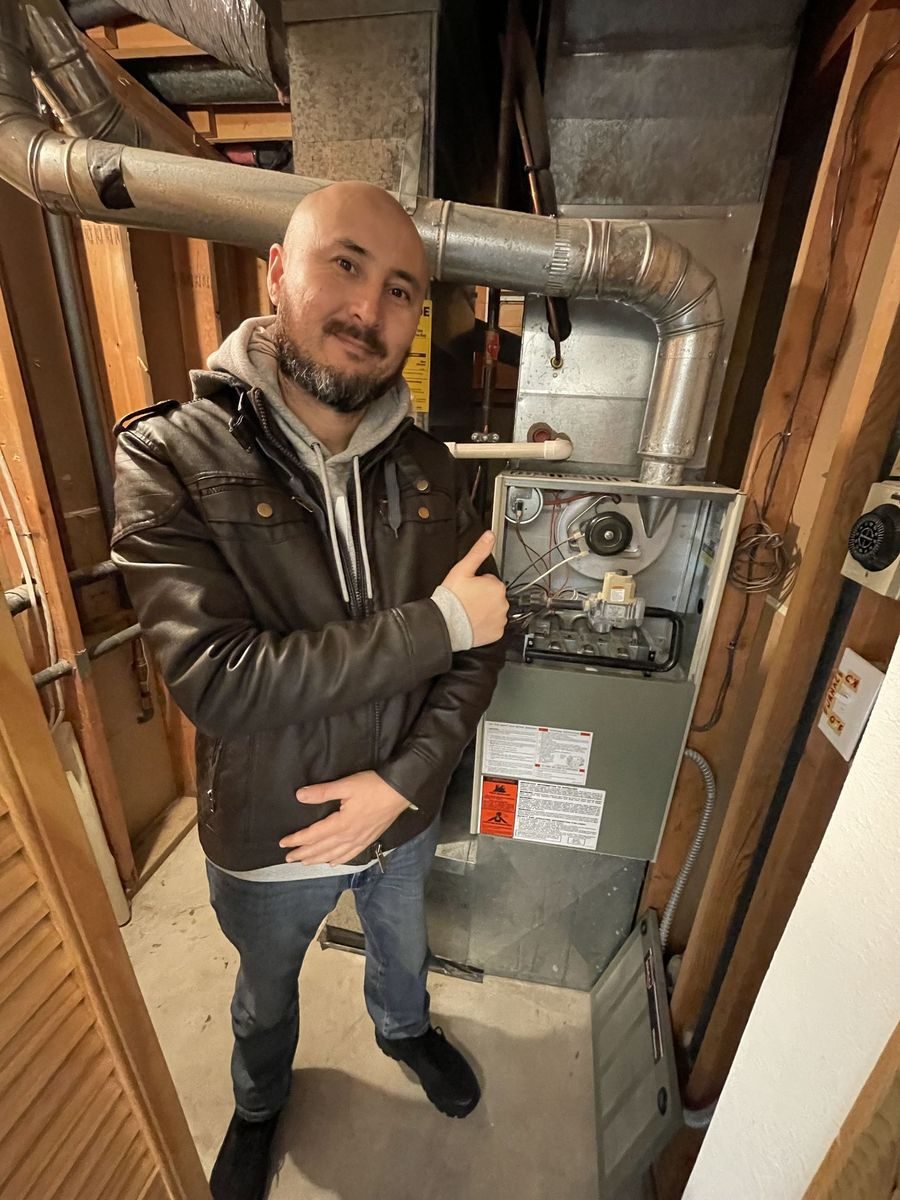
Tab 3 of 12
Many older Bremerton and Manette houses keep the furnace in a closet or under the floor. Filter, inducer, flame sensor and limit switch all get checked in that tight space.
See the service page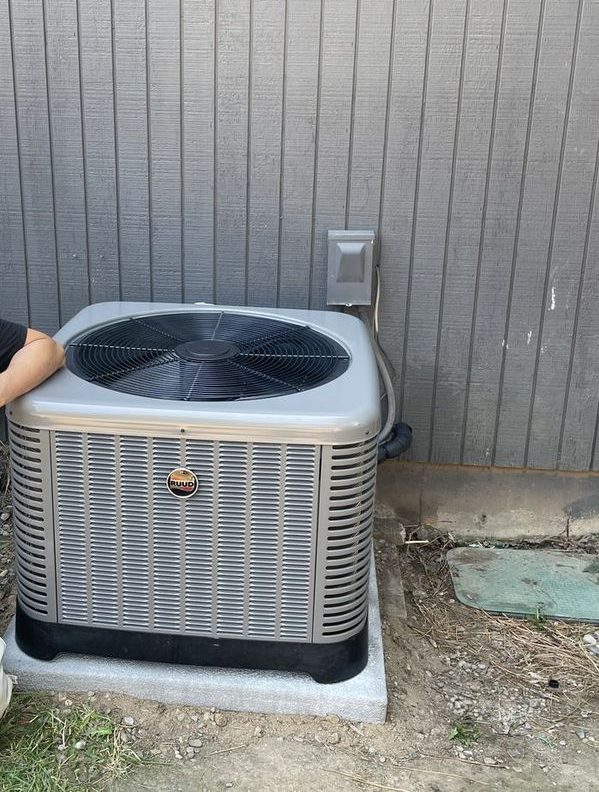
Tab 4 of 12
Placement matters on the peninsula: a raised pad clear of wet ground, back from salt spray where the lot allows, and out from under the needle drop.
See the service page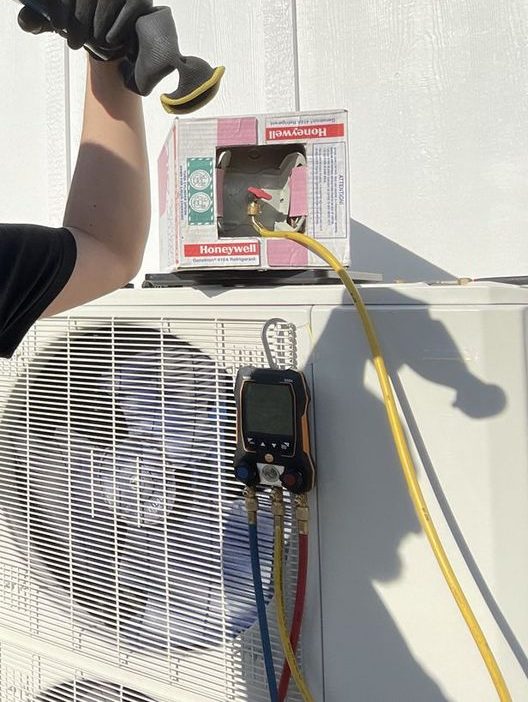
Tab 5 of 12
Mini-splits fit older homes with no room for ducts. Their line sets need sound insulation where they cross a damp crawlspace, and the outdoor unit needs a clear drain path.
See the service page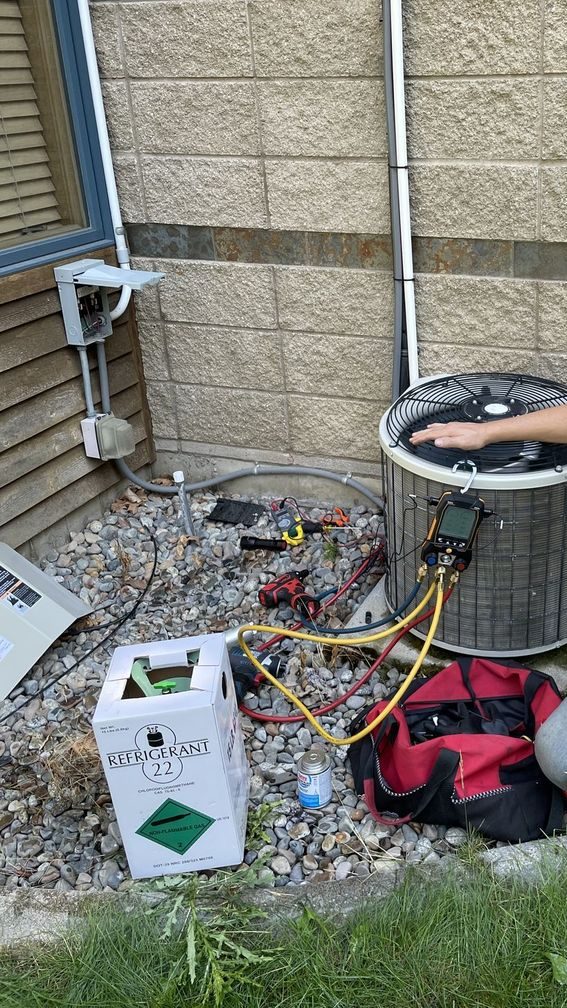
Tab 6 of 12
A seasonal visit near the water means a coil rinse, a look at the fasteners for salt rust and a base pan that drains. Those three buy waterfront equipment years.
See the service page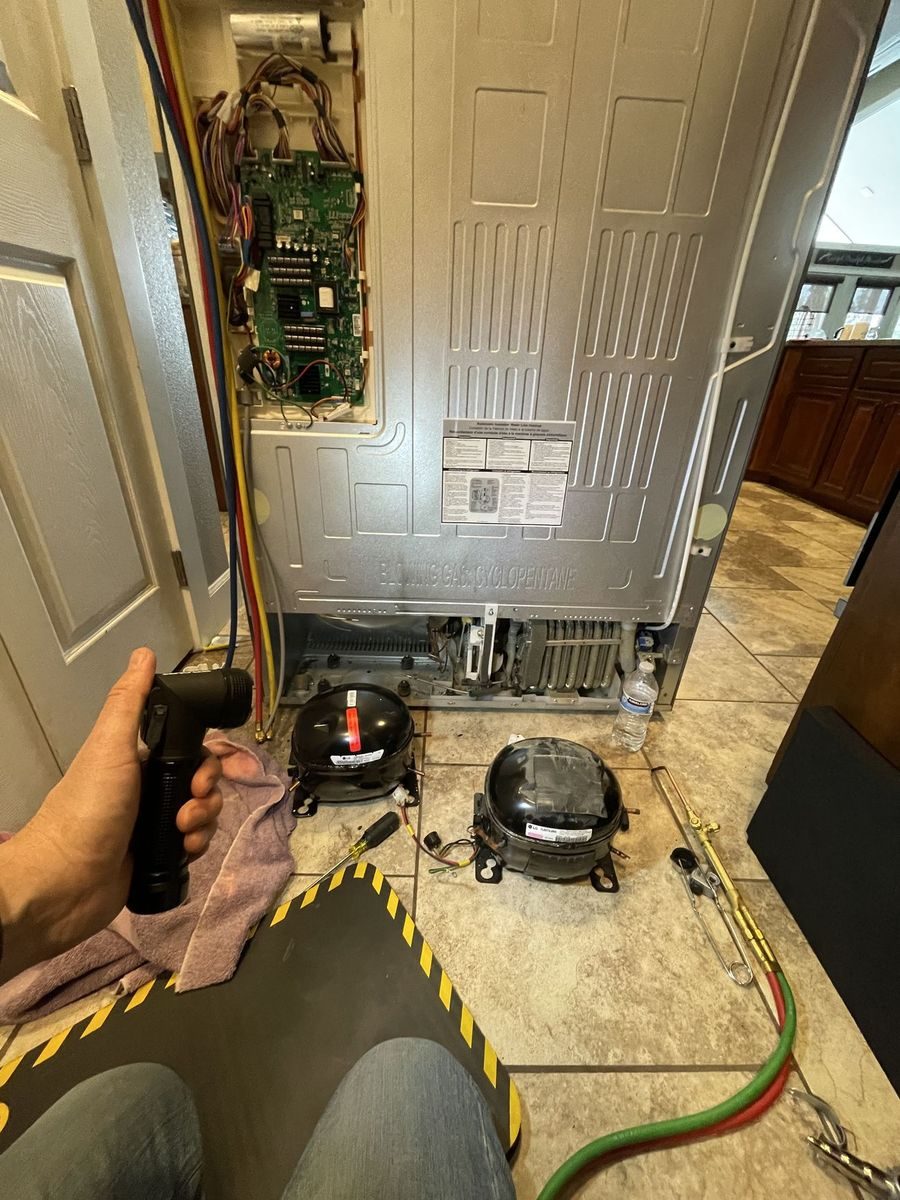
Tab 7 of 12
Sealed-system work, from leak search to recharge, happens right in the kitchen under EPA 608 Universal credentials, so the fridge stays where it stands.
See the service page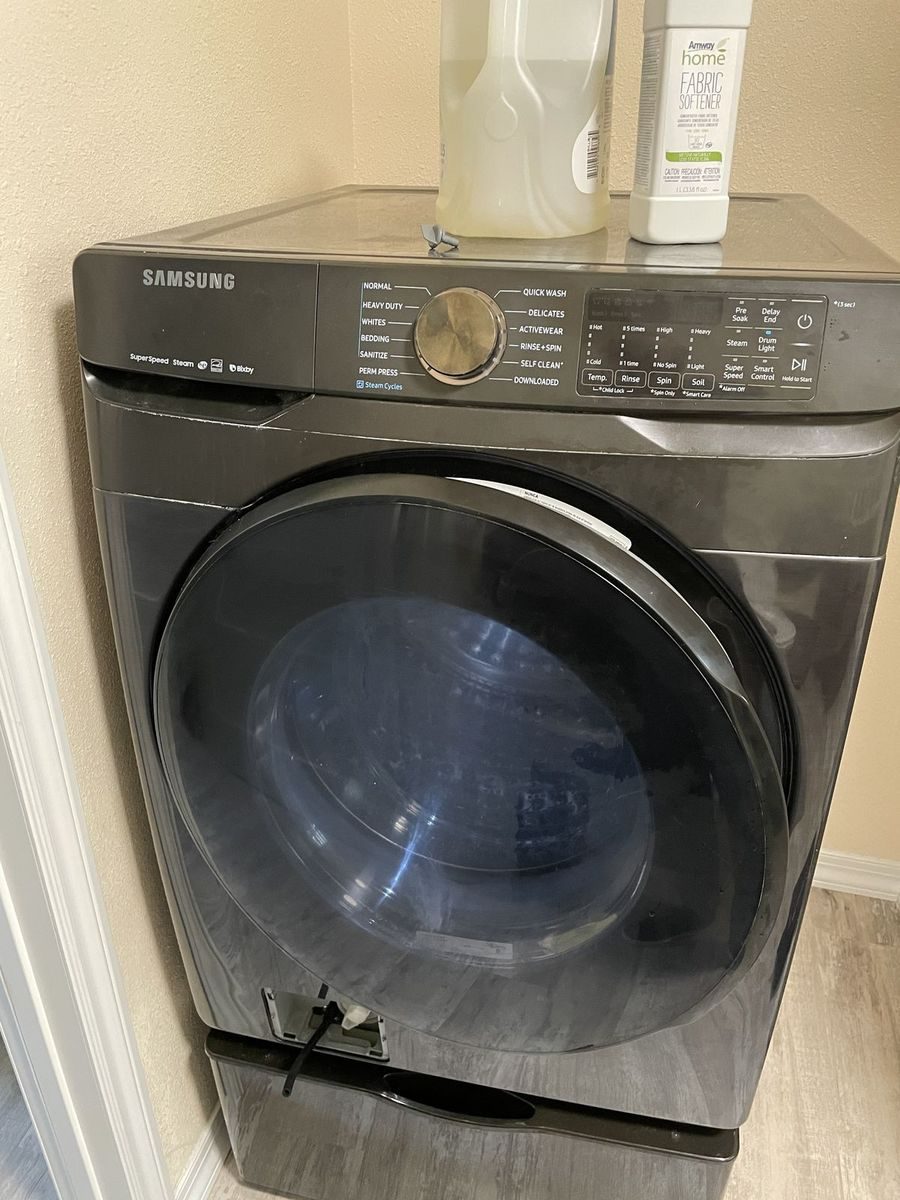
Tab 8 of 12
Damp Kitsap laundry rooms are hard on door boots, so mildew, torn folds and a clogged pump filter are the first things we look at on a front-loader.
See the service page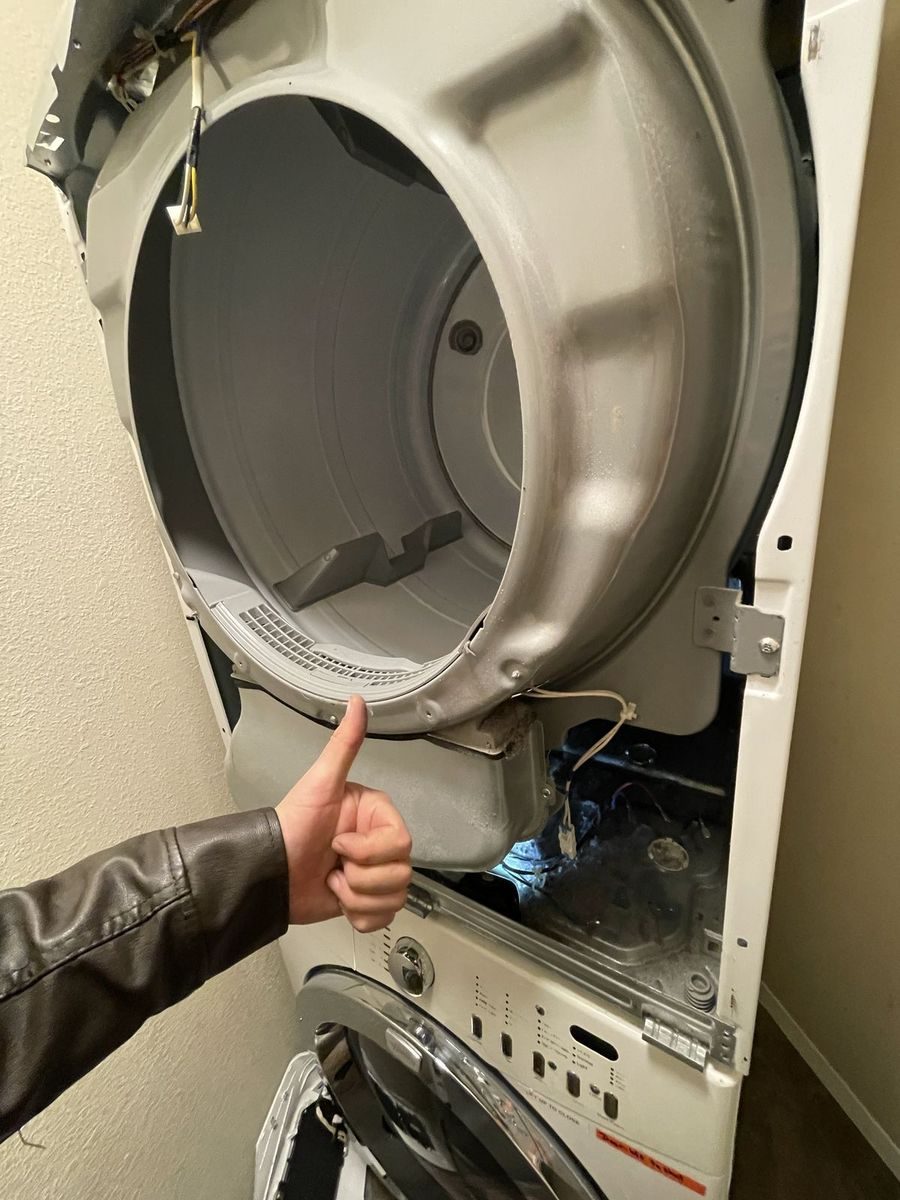
Tab 9 of 12
Long vent runs through damp walls fill with lint quickly, so the vent gets tested along with the heating side: element or burner, thermal fuse and thermostats.
See the service page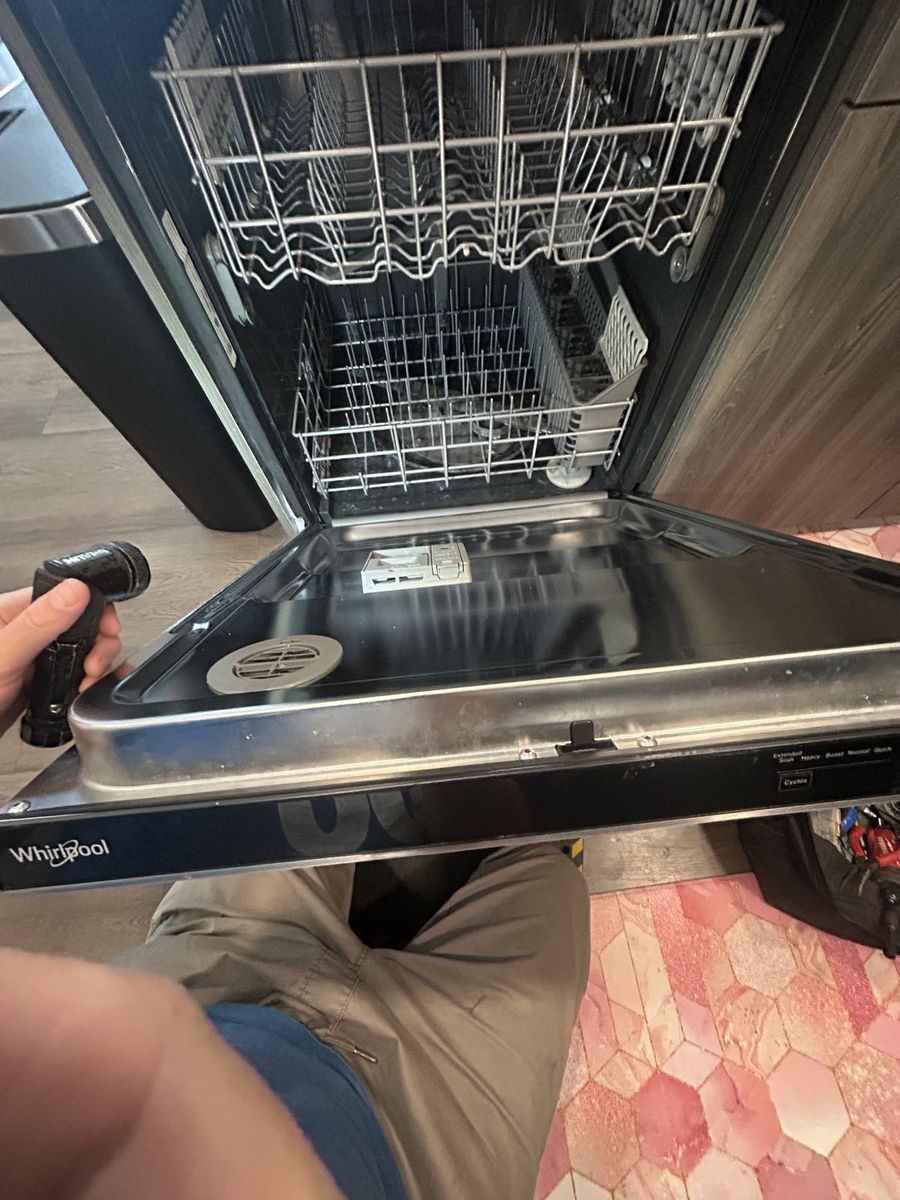
Tab 10 of 12
Well water leaves minerals on the spray arms and the inlet screen, two early stops when dishes come out dull or the tub fills slowly.
See the service page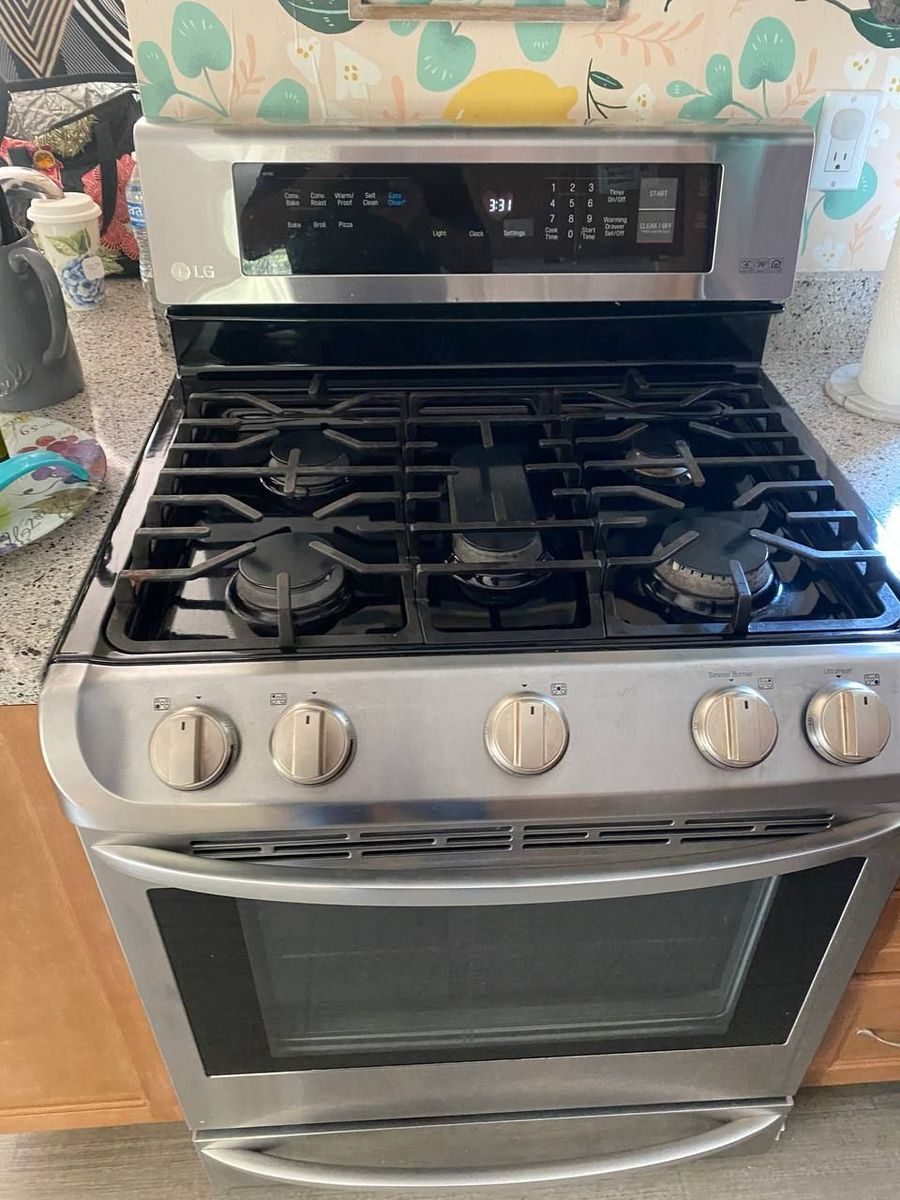
Tab 11 of 12
Natural gas and propane ranges both get igniter, valve and flame checks. The tank and its lines stay with your propane supplier.
See the service page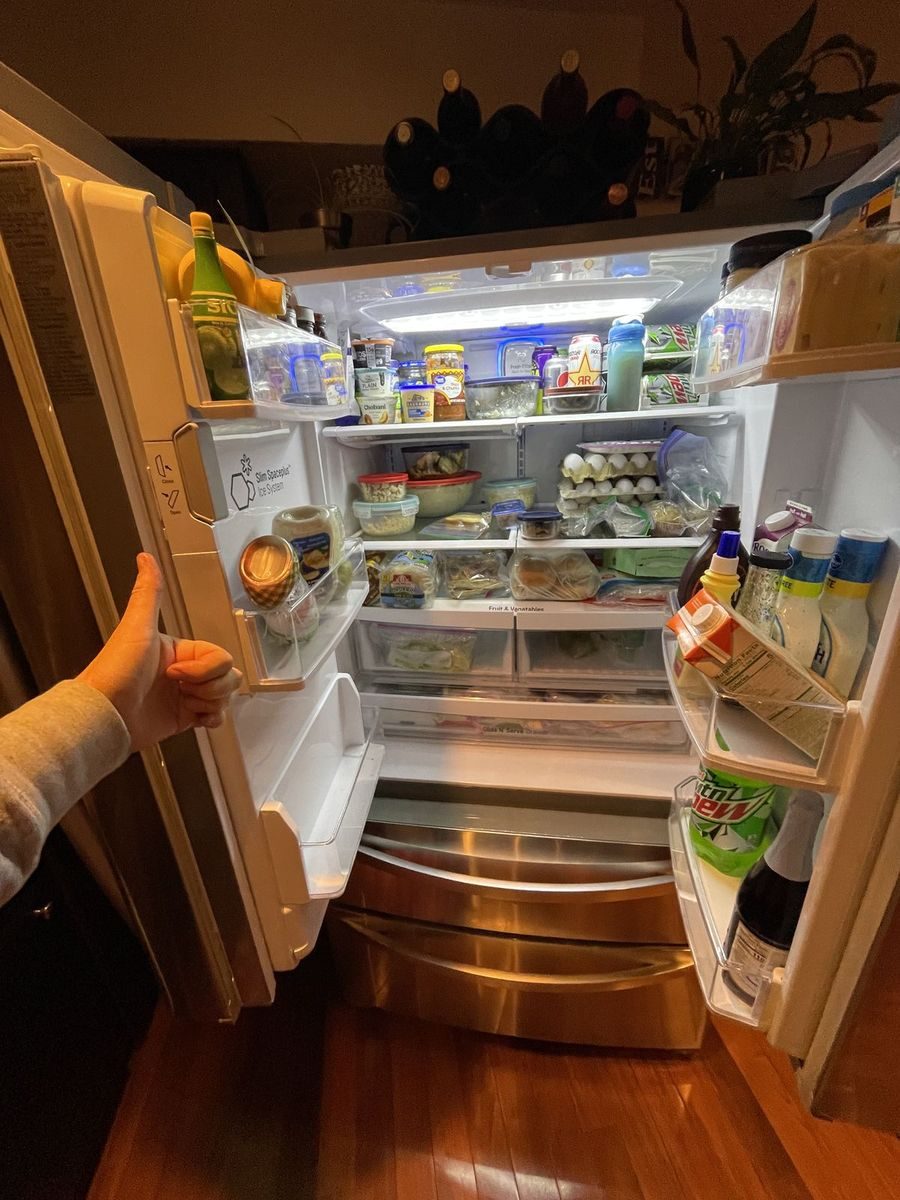
Tab 12 of 12
After a windstorm outage the fill tube often freezes solid and the ice maker goes quiet, so we follow the water up from the inlet valve.
See the service pageWhen corrosion stops being cosmetic and starts affecting how the system runs. Book a visit if fins crumble at a touch, the base pan has rusted through, a service panel won't come off, the contactor buzzes, or an oily patch shows up on the coil. Other clues: a heat pump leaning on AUX through mild weather, ice that lingers after defrost, or an air conditioner that runs and runs without cooling. Diagnosis carries a fee, named by the office when you schedule. Okay the repair and that fee melts into its bill; wave it off and you owe only for diagnosis.
Guide · Storm season
When firs and alders take the lines down: restarting heat pumps and furnaces safely, keeping the fridge and freezer cold, resetting a breaker once, and spotting surge damage.
Guide · Drizzle, salt spray and one bridge to the island
How a heat pump copes with damp Kitsap and Fox Island winters: routine defrost versus real trouble, sideways rain, salt spray, soggy ground and fir needles, plus checks owners can make.
Guide · A moving truck and somebody else's appliances
For households changing homes around Bremerton, Silverdale and Poulsbo: washer bolts, fridge settling time, ice maker lines, dryer hookups and a heating check at the new rental.
A few times a year makes a sensible baseline, plus an extra rinse after any storm that throws spray onshore. A unit facing open water on Hale Passage or the outer harbor may need it more often than one on the landward side of a house above Liberty Bay. If the chalky film comes back between rinses, shorten the gap. Thermostat off and breaker off first, every time.
Usually not. A dry white or gray powder is salt mixed with aluminum oxide, which signals corrosion rather than a leak. Refrigerant carries a little oil as it escapes, so a leak tends to leave a darker, greasy patch that collects dust, often at a bend or a brazed joint. If you spot that, or comfort is slipping, get a technician out to search with an electronic detector.
Sometimes. Spray-on coatings exist for coils already in service, but they only work on a coil that is clean, straight and still sound. Where fins already flake or tubes have started to weep, a coating cannot reverse the damage. Our technician can look the coil over and tell you plainly whether a coating, a replacement coil or a whole new unit makes more sense for your house.
Not while it runs, which for a heat pump means all year. A cover blocks airflow, traps damp, salty air against the metal and can damage the system if it starts up underneath. A small top shield may help where an eave drips straight onto the cabinet, but against salt the dependable defenses are a regular freshwater rinse and, at replacement time, a coated coil.
Talk to a person
Request your date and arrival window online, or ring the office, staffed from 8 AM until it closes at 7 PM daily. A technician will check the coil, the terminals and the charge, and write up the price before any repair.
Schedule online
Tell us what needs attention, the day that works and the window you prefer. A scheduler calls to make it firm, and the technician rings again before pulling up.
Washington Labor & Industries keeps these records public. Each number can be searched on L&I Verify; scope details sit on a separate page.
Scope of each license